
Decal stickers are more than just colorful decorations for primary school students; they serve as essential tools for organization, personal expression, and item identification. In a bustling school environment where identical water bottles, files, and textbooks are common, a well-chosen decal sticker helps your child quickly identify their belongings. For younger students in Primary 1 to 3, bright, highly visible, and durable name labels prevent lost items in the classroom or canteen. As students transition to Upper Primary (Primary 4 to 6), their needs shift toward academic organization, personal style, and subtle designs that reflect their growing maturity.
Selecting the right decal stickers involves balancing visual appeal with practical durability. Singapore’s warm, humid climate and the daily wear and tear of school life mean that stickers must withstand moisture, frequent handling, and regular cleaning. By understanding the specific developmental needs and school routines of each grade level, parents can make informed choices that keep school supplies organized and looking fresh throughout the academic year.
Key Factors for Choosing School-Appropriate Decal Stickers
Before purchasing decal stickers for the school year, it is important to evaluate the material composition to ensure they can withstand daily use. Vinyl is generally the most durable option for school supplies, offering excellent water resistance and tear resistance. This makes vinyl decals ideal for items that undergo frequent washing, such as lunchboxes and stainless steel water bottles. Paper-based stickers, while cost-effective and easy to write on, are best reserved for the inside pages of notebooks or planners where they are protected from moisture and heavy friction.
Products mentioned in this guide
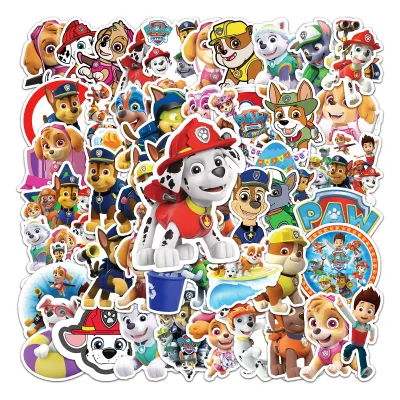
Prices are valid at publication and may change. Please refer to the product page for the latest price.
To verify water resistance and adhesive strength before labeling all school gear, perform a quick trial by applying a spare sticker to a plastic cup, submerging it in water for a few hours, and checking for edge lifting or ink bleeding. While basic paper labels cost only a few S$, investing in high-quality vinyl sheets is more cost-effective in the long run due to their durability.
Adhesive quality is another critical factor, especially when dealing with school-issued property. Removable adhesives are highly recommended for textbooks, library books, and school-owned tablets or calculators. These adhesives provide a secure bond during the school year but can be peeled away cleanly without leaving a sticky, dirt-attracting residue or tearing the underlying surface. For personal items like plastic file folders or pencil cases, a permanent or high-tack adhesive ensures the label remains intact despite being repeatedly slid in and out of school bags.
Safety standards should always be verified, particularly for younger primary school students who frequently handle their school supplies and may touch their faces or food afterward. Look for decal stickers printed with non-toxic, water-based, or eco-solvent inks that do not emit strong chemical odors. Checking manufacturer specifications for acid-free and lead-free materials provides peace of mind that the stickers are safe for daily, prolonged contact.
Finally, matching the sticker backing to the intended surface is essential for long-lasting adhesion. Smooth, non-porous surfaces like plastic, glass, and metal are highly compatible with standard vinyl decals. Textured surfaces, such as canvas pencil cases, fabric school bags, or matte-finished water bottles, require specialized adhesives or iron-on patches to prevent the edges from peeling. Before applying a decal, inspect the surface texture to ensure the sticker material is compatible with the item’s finish.
Decal Sticker Styles for Lower Primary (Primary 1 to 3)
For students entering Primary 1 to 3, school is an exciting transition filled with new routines and responsibilities. Visually engaging decal stickers can help ease this transition by building enthusiasm for their daily school supplies. Bright colors, familiar cartoon characters, friendly animals, and textured options like puffy, foil, or glitter decals are highly appealing to this age group. These tactile and visual elements make school items feel personal and comforting, helping younger children feel more connected to their learning environment.

Functional identification is the primary practical goal for lower primary school supplies. At this stage, children are still learning to manage their personal belongings, and items frequently go missing in the classroom, canteen, or school bus. Large, highly legible name labels featuring clear, bold fonts and distinct icons help children—and their teachers—quickly identify ownership. Applying these durable decals to high-risk items like water bottles, lunchboxes, and even the tags of school uniforms can significantly reduce the frequency of lost property.
Behavioral and academic rewards can also be integrated into your child’s routine using decal stickers. Parents can use star charts, smiley faces, and colorful achievement badges at home to reinforce positive habits, such as packing their school bag the night before or completing homework independently. Bringing a small sheet of motivational stickers to school can also encourage positive reinforcement, allowing children to celebrate small milestones and build self-esteem as they navigate their early primary school years.
When selecting stickers for younger hands, size and placement strategy are key. Opt for larger, single-piece decals that are easy for small fingers to peel and apply without tearing. Broad, flat surfaces like the front of plastic file folders, lunchbox lids, and the flat sides of pencil cases are ideal placement areas. Avoid intricate designs with thin, delicate edges, as these are more likely to catch on school bags and peel off prematurely.
Decal Sticker Styles for Upper Primary (Primary 4 to 6)
As students progress to Primary 4, 5, and 6, their tastes mature, and their academic workload increases significantly. Upper primary students generally outgrow bright cartoon characters and prefer more sophisticated, minimalist designs. Botanical patterns, geometric shapes, vintage aesthetics, and subtle motivational quotes in pastel or monochrome color palettes become highly popular. These designs allow older students to express their individuality and personal style in a more mature and understated way.
Academic organization becomes a major focus during these upper primary years as students prepare for major examinations like the PSLE. Decal stickers can serve as highly functional tools for managing multiple subjects, homework files, and revision schedules. Color-coded index tabs, subject labels, and timetable decals help students categorize their notebooks and folders efficiently. Using functional planner stickers—such as checklist boxes, priority flags, and exam date markers—encourages students to develop essential time-management and organizational skills.
Personalization and creative journaling also play a larger role in the lives of older primary students. Many enjoy scrapbooking, keeping a daily diary, or customizing their personal study spaces. Cohesive sticker packs that feature a unified color scheme or theme allow students to decorate their notebooks, bullet journals, and personal tech items like calculators or tablets in a structured, aesthetically pleasing manner. This creative outlet provides a relaxing break from their academic demands.
The size and placement strategy for upper primary students shifts toward smaller, more intricate decals and comprehensive sticker sheets. Older children possess the fine motor skills required to handle delicate, kiss-cut stickers and arrange them in complex, customized layouts. They can utilize smaller decals to label narrow spine inserts of ring files, create detailed keys in their planners, or add subtle decorative touches to the corners of their notebooks and pencil cases without cluttering their study materials.
Application and Removal Tips for School Supplies
Proper application is essential to ensure that decal stickers adhere firmly and look neat throughout the school year. Before applying any sticker, thoroughly clean the surface of the item to remove dust, oils, and fingerprints. For plastic folder covers or stainless steel water bottles, wiping the area with a damp cloth and allowing it to dry completely is a crucial first step. Any remaining moisture or debris can trap air bubbles and weaken the adhesive bond, causing the sticker to peel prematurely.
When applying the decal, start from one edge and slowly press the sticker down across the surface. Using a flat edge, such as a plastic ruler or a clean plastic card, helps smooth out air bubbles and ensures even contact with the surface. For curved items like water bottles, apply pressure from the center of the sticker outward to the edges to prevent creasing. Allowing the adhesive to cure for a few hours before exposing the item to moisture or heavy handling will significantly extend the life of the decal.
Removing stickers safely is just as important, especially when returning school-issued textbooks or upgrading to new supplies. To remove stubborn adhesives without scratching or damaging the surface, apply a small amount of warm soapy water or a mild household oil, such as baby oil or eucalyptus oil, to the sticker. Let it sit for a few minutes to loosen the adhesive backing, then gently peel it away. Avoid using sharp metal blades or harsh chemical solvents, which can scratch plastics or strip protective coatings from metal bottles.
For paper-based decals or stickers placed on high-wear items, applying a protective layer can prevent premature fading and tearing. Placing a strip of clear, wide stationery tape over a paper name label on a notebook provides a simple, water-resistant barrier. Alternatively, placing stickers directly onto protective plastic book covers rather than the book itself ensures that the actual textbook remains pristine and residue-free, preserving its condition for future use.
Frequently Asked Questions (FAQ)
Are waterproof decal stickers safe for school water bottles?
Yes, waterproof vinyl decal stickers are generally safe for school water bottles, provided you verify the manufacturer’s product specifications. Look for stickers labeled as non-toxic, BPA-free, and printed with child-safe inks. When applying these decals, ensure they are placed only on the outer body of the bottle. Avoid placing any stickers on the mouthpiece, inner rim, or any area that comes into direct contact with your child’s lips or the drinking water, preventing any accidental ingestion of adhesive or ink particles over time.
How can I prevent sticker residue on school-issued textbooks?
To protect school-issued textbooks from sticky residue, avoid applying permanent decal stickers directly to the book covers or pages. Instead, wrap the textbooks in protective plastic book covers first, and apply your name labels or decorative stickers onto the plastic wrapping. If you must apply a label directly to the book, choose stickers specifically designated as having a removable or low-tack adhesive. Always test a small, inconspicuous corner of the book cover first to verify that the sticker can be peeled off cleanly without tearing the paper or laminate.
Community discussion
Share your experience or ask a question. Comments are reviewed before publication.