
Selecting the perfect batik sticker for a primary school student requires balancing cultural appreciation with practical usability. Children undergo rapid physical and cognitive development between the ages of 7 and 12, meaning a sticker design that delights an older student might frustrate a younger child who is still developing fine motor control. By aligning the size, adhesive backing, and visual complexity of these traditional patterns with your child’s specific grade level, you can ensure their school supplies are both beautifully personalized and easy to manage.
Understanding Motor Skills and Design Complexity by Grade
Fine motor skills dictate how easily a child can peel, position, and apply a sticker without tearing the material or causing it to fold. For lower primary students in Grades 1 and 2, finger dexterity is still developing, making small or highly intricate stickers a source of frustration. Parents should look for large-format batik stickers, ideally measuring at least five to eight centimeters in diameter, with simple geometric borders or rounded edges. Stickers with a split-backing design or extended liner tabs are particularly helpful, as they allow small fingers to grip and peel the adhesive layer without bending the corners of the sticker itself.
As children transition into middle primary, spanning Grades 3 and 4, their hand-eye coordination and precision improve significantly. Students in this age group can comfortably handle medium-sized stickers, roughly three to five centimeters, which feature moderate die-cut details. They can manage slightly more complex shapes, such as stylized floral outlines or traditional diamond-shaped batik frames, without tearing the delicate edges. This stage represents an ideal balance where children enjoy the challenge of aligning stickers precisely along the margins of their notebooks or pencil cases.
Products mentioned in this guide
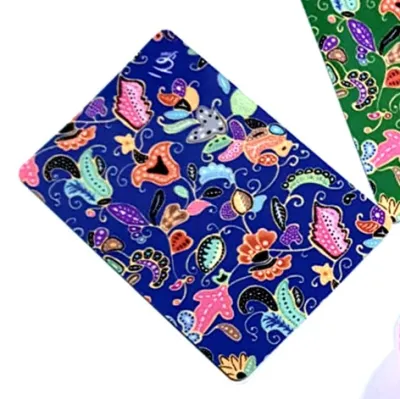
Prices are valid at publication and may change. Please refer to the product page for the latest price.
By the time students reach upper primary in Grades 5 and 6, they possess the refined motor control necessary to handle highly intricate, delicate designs. These older children often prefer smaller, detailed stickers—sometimes under two centimeters—that require steady fingers to apply. They can successfully manipulate thin vinyl borders, complex filigree, and detailed traditional motifs like the parang or kawung patterns. For this age group, the physical application becomes an intentional act of design, allowing them to create sophisticated layouts on their personal planners, binders, and electronic device covers.
Matching Batik Themes to Age-Specific Interests
The visual appeal of batik patterns shifts dramatically as children grow and develop their own identities. For lower primary students, the abstract and highly complex nature of traditional batik can feel overwhelming or unengaging. Instead, look for playful adaptations that merge classic batik textures with child-friendly imagery. Stickers featuring friendly animals, such as elephants, songbirds, or sea turtles filled with bright, high-contrast batik fills, are highly appealing. Vibrant color palettes featuring sunny yellows, sky blues, and warm oranges help capture their attention and make their personal belongings easily identifiable in a crowded classroom.

In middle primary, the school curriculum often introduces local heritage, geography, and social studies, sparking a natural curiosity about cultural symbols. This is the perfect time to introduce recognizable geometric batik patterns, such as the repeating circles of the kawung or the structured lines of nitik. Children in Grades 3 and 4 appreciate the storytelling elements behind these designs, especially when they can connect them to classroom lessons. Choosing stickers that showcase classic indigo blues, deep madders, and rich cream tones allows them to explore authentic cultural aesthetics while maintaining a fun, engaging connection to their daily studies.
Upper primary students are highly influenced by peer trends and are beginning to cultivate a mature, individual sense of style. They generally move away from cartoonish designs in favor of authentic, highly detailed traditional patterns or modern, minimalist interpretations of batik. Subtle, sophisticated color palettes—such as monochrome black and white, muted pastels, or metallic gold accents—are particularly popular for this demographic. These older students often use batik stickers to express their personal style, preferring cohesive design sheets that allow them to coordinate their entire stationery set with a unified aesthetic.
Practical Tips for Decorating School Supplies
To ensure that batik stickers remain vibrant and securely attached throughout the school year, proper surface preparation is essential. Before applying any sticker, clean the target surface of the notebook, pencil case, or water bottle with a damp cloth to remove dust and finger oils, then dry it completely. For plastic or metal items, a quick wipe with a clean, dry cloth is usually sufficient, though you should check the manufacturer’s guidelines to see if a mild cleaning agent can be used safely without damaging the item’s finish.
Placement plays a critical role in the lifespan of a sticker, especially on items that are frequently pulled in and out of school bags. Advise your child to avoid placing stickers over sharp corners, curved edges, or high-friction areas where the edges are likely to rub against other items. On notebooks, positioning the sticker slightly away from the spine and outer edges prevents the corners from lifting over time. For pencil cases, flat surfaces away from zippers and clasps are the most durable locations.
Preserving the design’s color and texture requires selecting the right material for the job. For items exposed to moisture, such as water bottles or lunchboxes, verify that the sticker is made from waterproof vinyl rather than standard paper. If you are using paper-based batik stickers on high-wear items, applying a clear, protective laminate overlay can shield the design from water splashes and physical abrasion. Always check the product label to confirm if the adhesive is water-resistant and suitable for daily handling.
Building a Back-to-School Stationery Checklist
Integrating batik stickers into a structured back-to-school checklist helps parents organize their purchases while giving children a fun role in preparing for the new academic year. For lower primary students, the primary goal of stickering is functional identification. Focus your checklist on large-format, high-visibility batik stickers that can be written on with a permanent marker. These are ideal for labeling primary school essentials like plastic folders, lunchboxes, and the covers of exercise books, helping young children quickly spot their own gear in a busy classroom.
For middle primary students, the checklist should balance functional organization with creative expression. Introduce medium-sized batik stickers to color-code different subjects—for example, using blue batik patterns for science notebooks and red patterns for mathematics. This helps students develop organizational skills while personalizing their supplies. You can also include a few decorative sheets featuring traditional motifs that they can use to decorate the inside covers of their binders or the fronts of their pencil holders.
In upper primary, the checklist shifts toward self-expression, journaling, and creative planning. Include cohesive sticker sheets that feature matching color schemes and complementary batik patterns. These are perfect for decorating personal planners, bullet journals, and study folders. Older students appreciate having a variety of smaller, decorative border stickers and functional icon stickers that allow them to customize their study schedules and notes, turning their stationery into a reflection of their personal style and cultural pride.
Frequently Asked Questions (FAQ)
Are batik stickers safe for young children to handle?
Yes, most high-quality stationery stickers are safe, but parents should always check the product packaging for labels indicating non-toxic materials and child-safe adhesives. For lower primary students, it is important to supervise the application process to prevent choking hazards associated with small, discarded backing papers. Additionally, ensure that the stickers do not use strong solvent-based adhesives that could leave irritating residues on sensitive skin during application.
How can I prevent stickers from peeling off water bottles?
To prevent peeling, ensure the water bottle’s surface is completely clean and dry before applying the sticker, and allow the adhesive to cure for at least 24 hours before exposing it to moisture. Avoid placing stickers on highly textured or heavily contoured surfaces, as these prevent the adhesive from making full contact. When washing the bottle, opt for gentle hand-washing with cool water rather than using a high-heat dishwasher, which can break down the adhesive backing.
Where can I find authentic batik sticker designs in Singapore?
In Singapore, authentic batik sticker designs can be found at local craft stores, museum gift shops, and specialized online stationery retailers. Many independent local designers and cultural heritage boutiques offer unique, high-quality vinyl stickers that celebrate traditional Southeast Asian patterns. When shopping online, look for dedicated stationery platforms or official brand websites that specialize in cultural crafts to ensure you are supporting authentic design work.
Community discussion
Share your experience or ask a question. Comments are reviewed before publication.