
Choosing the right water colour palette depends on your painting environment, budget, and how you prefer your paint to behave during mixing. If you prioritize lightweight portability for outdoor painting, plastic is the most practical choice. For artists seeking a premium, bead-free mixing surface that resists staining, ceramic is the gold standard for studio work. Meanwhile, enamel offers a durable, traditional middle ground, combining a sturdy metal base with a smooth, glass-like coating. This guide compares these three common materials across key performance areas to help you select the ideal mixing surface for your creative workflow.
Why Palette Material Matters for Watercolour Mixing
The material of your water colour palette directly influences how water and pigment interact on its surface. Watercolour painting relies heavily on the controlled movement of fluid, and different materials alter this dynamic. On some surfaces, water pools smoothly, allowing you to see the exact dilution and hue of your wash before applying it to paper. On other surfaces, high surface tension causes the water to bead up into tight droplets, making it difficult to gauge the true color or mix a uniform wash.
Stain resistance is another critical factor. Pigments with small particle sizes tend to penetrate porous materials, leaving permanent stains that can muddy future mixes. A highly stain-resistant surface ensures that when you wipe away old paint, you are left with a clean, neutral white background that does not distort your color perception.
Products mentioned in this guide
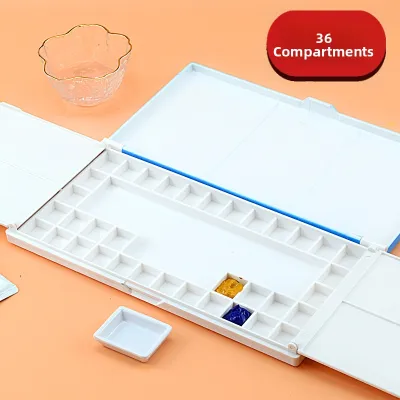
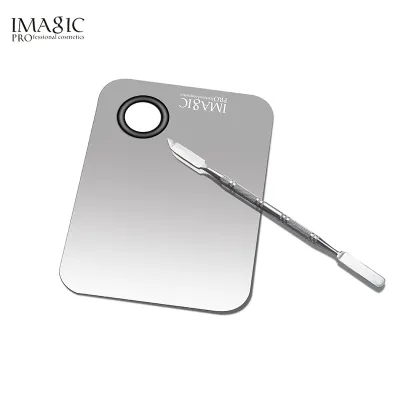
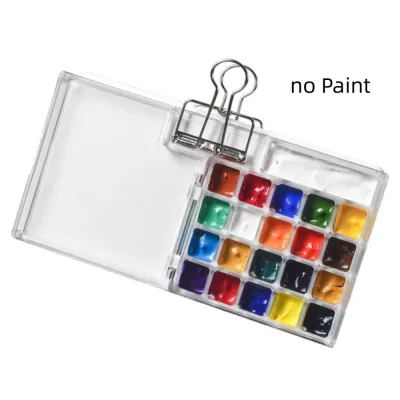
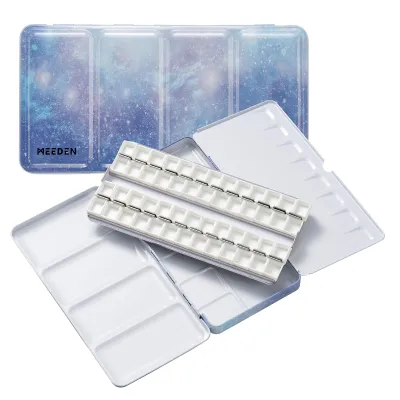
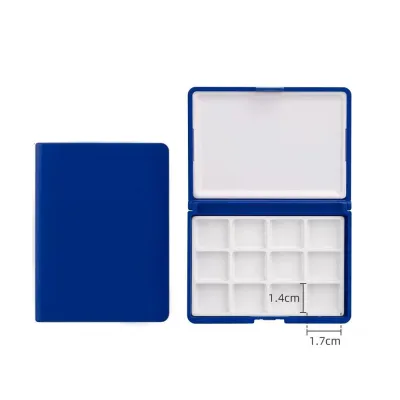
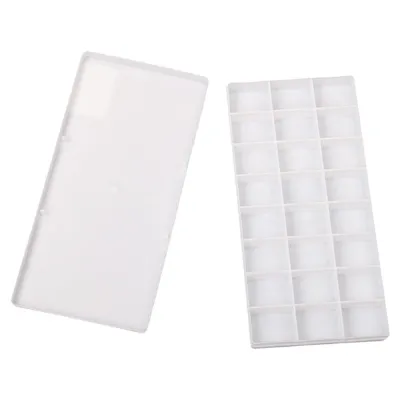
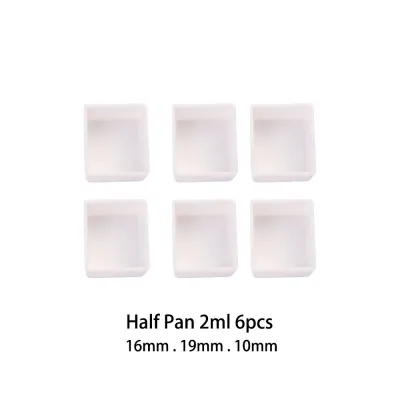
Prices are valid at publication and may change. Please refer to the product page for the latest price.
Finally, the physical properties of the material dictate where and how you can paint. Heavy, fragile materials provide excellent stability on a flat studio desk but are impractical for travel. Lightweight options are easy to hold for hours during outdoor sessions but may slide around on a table or wear down more quickly over time.
Plastic Palettes: Evaluating Portability and Surface Treatments
Plastic is the most widely available material for a water colour palette, favored by beginners, students, and outdoor painters alike. Its primary advantage is its lightweight construction, which makes it exceptionally easy to carry in a backpack or hold in one hand during a plein air painting session. Many plastic designs feature folding lids, thumbholes, and airtight seals, allowing you to transport wet paint without worrying about leaks or excessive weight.

However, untreated plastic has a high surface tension that causes water to bead up rather than spread out. When you mix a wash on a brand-new plastic surface, the paint often separates into small, isolated droplets, making it challenging to evaluate the color intensity or mix a consistent volume of wash. Over time, as the plastic is used and washed, microscopic abrasions naturally reduce this beading effect, but the initial experience can be frustrating.
To address this issue, some manufacturers apply specialized surface treatments to their plastic palettes. When shopping, check product labels and specifications for terms like “matte finish,” “etched surface,” or “treated plastic.” These finishes mimic the low surface tension of ceramic, allowing the paint to lay flat and mix smoothly from the very first use.
Ceramic Palettes: Assessing Studio Performance and Handling
For dedicated studio artists, ceramic palettes are often considered the ultimate mixing surface. The defining characteristic of ceramic is its heavy, non-porous, glazed surface. This glass-like glaze has incredibly low surface tension, meaning water and pigment spread out evenly without beading. You can easily see the exact dilution of your wash, and the colors remain true against the bright white ceramic background.
Ceramic is also highly resistant to staining. Even the most staining pigments can be wiped away completely with a damp cloth or sponge, leaving no residue behind. This ensures your mixing wells remain pristine and white over years of use. Additionally, the substantial weight of a ceramic palette is a major benefit in a studio setting; it sits securely on your desk and will not slide around when you wet your brush or mix large washes.
The trade-offs for this premium performance are weight and fragility. Ceramic palettes are heavy and prone to cracking or shattering if dropped on a hard floor, making them poorly suited for travel or outdoor use. Before purchasing, inspect the palette for glaze quality, ensuring there are no pinholes, cracks, or unglazed patches where paint could seep in and cause permanent staining.
Enamel Palettes: Weighing Durability Against Long-Term Wear
Enamel palettes, often constructed from a sheet-metal base coated with a fused layer of liquid glass, offer a traditional alternative that bridges the gap between plastic and ceramic. This construction provides a mixing surface that behaves similarly to ceramic—allowing paint to spread smoothly with minimal beading—while offering the structural durability of metal. Enamel palettes are a classic choice for artists who appreciate a vintage aesthetic and a robust build.
The mixing performance of high-quality enamel is excellent. It provides a smooth, white surface that allows for accurate color mixing and easy cleanup. While it is heavier than plastic, it is significantly lighter than solid ceramic, making some smaller enamel tins viable for travel or outdoor painting. The metal core ensures that if you drop the palette, it will not shatter into pieces.
However, enamel is not entirely indestructible. The glass-like coating can chip if the palette is dropped, subjected to impact, or bent. Once the enamel coating chips away, the underlying metal base is exposed to water, which can lead to rusting over time. When selecting an enamel palette, inspect the edges and corners for any manufacturing defects, uneven coating, or exposed metal.
Matching the Material to Your Painting Workflow
Selecting the right water colour palette requires looking at your typical painting environment and habits. If you primarily paint outdoors, travel frequently, or attend local art classes, a lightweight plastic palette is almost always the most practical choice. It minimizes the weight in your bag and eliminates the risk of expensive breakage during transit.
If your creative work is centered at a dedicated desk or studio space, a ceramic palette is highly recommended. The stationary nature of studio work removes the risk of dropping the palette, allowing you to enjoy the superior mixing properties, stain resistance, and stability of glazed clay. For those who want a durable, long-lasting option that can transition between the studio and occasional travel, a metal enamel palette offers a reliable compromise.
Budget is another practical consideration. Plastic palettes are generally the most affordable, making them excellent for beginners or those experimenting with different layouts. Ceramic and enamel options represent a higher initial investment but can last a lifetime if cared for properly. Many artists find that maintaining a dual setup—a large ceramic palette for the studio and a compact plastic or enamel tin for travel—provides the best of both worlds.
Cleaning and Care by Material Type
Proper maintenance preserves the surface quality and extends the lifespan of your water colour palette. For plastic palettes, avoid using abrasive scrubbing pads, harsh chemical solvents, or stiff brushes. These can scratch the soft plastic surface, creating deep grooves where pigment can settle and permanently stain the material. Instead, use a soft sponge or microfiber cloth with mild dish soap and warm water to gently wipe away dried paint.
Ceramic palettes are much easier to clean due to their durable glaze. Dried watercolour paint can be rehydrated simply by spraying it with water and letting it sit for a few minutes, after which it can be wiped clean with a cloth. While ceramic can withstand more vigorous cleaning, avoid using highly abrasive metal scourers that could scratch the protective glaze over time.
Enamel palettes require careful handling to prevent rust. Always dry your enamel palette thoroughly after cleaning, paying close attention to the hinges, rolled edges, and any areas where the enamel coating might be thin. If you notice a small chip in the enamel, keep that area dry to prevent rust from forming on the exposed metal.
Frequently Asked Questions (FAQ)
Can I use a regular ceramic dinner plate as a watercolour palette?
Yes, a regular white ceramic dinner plate makes an excellent, budget-friendly watercolour palette. The glazed surface of a household plate behaves exactly like a professional ceramic palette, allowing paint to spread smoothly without beading and resisting stains. However, a flat dinner plate lacks physical wells to separate individual colors, which can lead to paints running together if you use a lot of water. It is best suited for mixing large, loose washes rather than organizing a permanent layout of dry pigments.
How do I fix water beading on a new plastic palette?
Water beading on a new plastic palette is caused by a smooth, oily factory finish. You can gently prep the surface by washing it with a mild dish soap and a soft sponge to remove any manufacturing residues. If the beading persists, applying a tiny amount of non-gel toothpaste to a damp cloth and gently buffing the mixing wells can create microscopic texture that helps water lay flat. Always test this in a small corner first, and stop immediately if the manufacturer warns against using mild abrasives on the surface.
Are folding plastic palettes durable enough for daily use?
Folding plastic palettes are highly durable enough for daily use, provided you choose one with robust construction. When evaluating a folding palette, inspect the hinges and clasps, as these are the primary stress points that tend to wear out or crack over time. Look for designs with thick, high-quality plastic and reinforced joints rather than thin, flexible plastic hinges. With gentle handling and regular cleaning to prevent paint buildup in the hinges, a well-made folding plastic palette can last for years of daily painting.
Community discussion
Share your experience or ask a question. Comments are reviewed before publication.