
When selecting a magnetic whiteboard for educational activities with magnetic letters, the most critical factor is the underlying surface material and construction rather than a specific brand name. To ensure that plastic alphabet letters with small, integrated magnets stick securely without sliding, you must choose a steel-backed whiteboard rather than a glass one. While glass boards offer a sleek, modern aesthetic, the thickness of the glass creates too much distance between the magnet and the steel backing, rendering standard educational magnets ineffective. For classroom and home learning environments, a high-quality painted steel or porcelain-on-steel whiteboard provides the necessary magnetic pull and surface friction to keep letters firmly in place during interactive lessons.
What Magnetic Letters Require from a Whiteboard
Standard educational letters are typically made of lightweight molded plastic or foam with a small ceramic or flexible rubber magnet embedded into the back. Because these magnets are relatively weak and have a small surface area, they require a highly receptive steel surface to overcome gravity. If the board’s surface lacks sufficient magnetic attraction, the letters will slide, spin, or fall off entirely, disrupting the flow of a lesson.
Surface friction is another critical element. A surface that is too slick allows the letters to slide downward under their own weight, especially when subjected to the vibrations of a busy classroom. The whiteboard surface must offer a balance of smoothness for writing and enough micro-texture to prevent sliding. Additionally, the dry-erase ink must dry quickly on the surface to prevent smudging when children move letters across written words.
Products mentioned in this guide
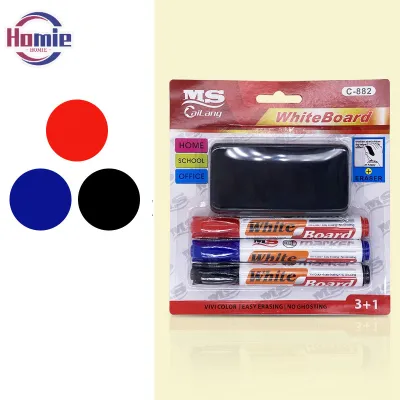
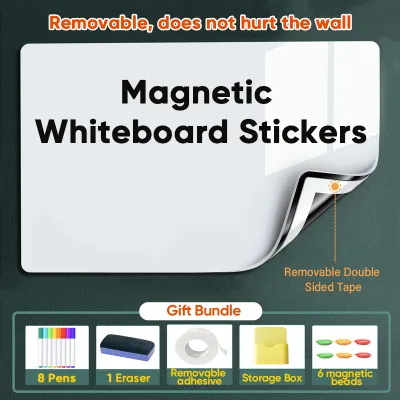
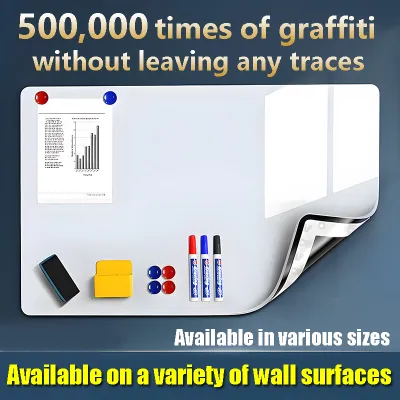
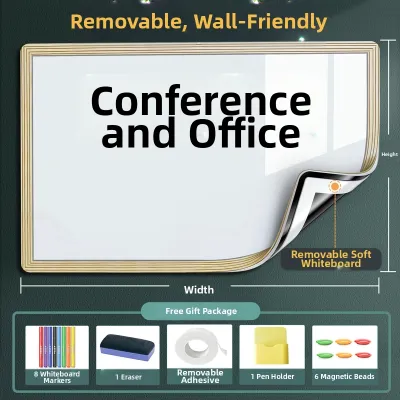
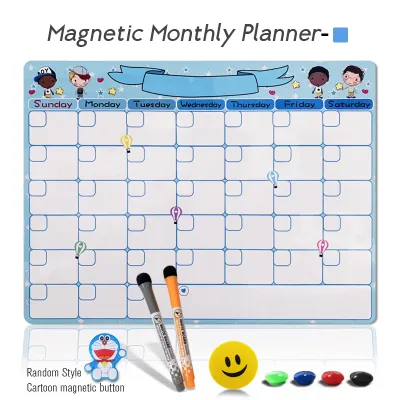
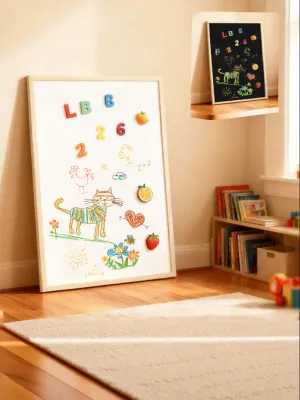
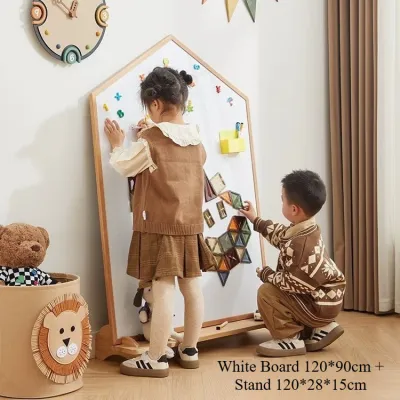
Prices are valid at publication and may change. Please refer to the product page for the latest price.
Visual clarity is equally important in an educational setting. In classrooms, which are often brightly lit with overhead fluorescent or LED lights, high-gloss whiteboards can create intense glare. This glare makes it difficult for students seated at different angles to read the letters or see the writing around them. Selecting a board with a semi-matte or low-glare finish ensures that the high-contrast letters remain visible from all angles.
Safety must also be considered when children are interacting with these tools. The board itself must have rounded corner caps or a smooth aluminum frame to prevent scratches during hands-on activities. Additionally, because magnetic letters are handled constantly, the board’s surface must be non-toxic and easy to sanitize without degrading the magnetic properties or the dry-erase coating.
Comparing Surface Materials for Durability and Eraseability
To make an informed decision, it is essential to understand the differences between the three primary whiteboard surface materials: painted steel, porcelain (or enamel) steel, and tempered glass.

Painted Steel: This is the most common and cost-effective option. It consists of a sheet of steel coated with a layer of white paint, which is then cured under heat. Painted steel boards offer excellent magnetic pull because the steel sheet sits directly beneath a very thin layer of paint. However, they are susceptible to scratching and “ghosting”—where marker residue permanently stains the surface over time. In humid climates, if the painted surface is scratched, moisture can penetrate the paint layer and cause the underlying steel to rust. Regular cleaning with specialized whiteboard solutions is necessary to maintain this surface.
Porcelain/Enamel Steel: Often considered the gold standard for educational institutions, porcelain boards feature a ceramic surface baked onto a steel backing at extremely high temperatures. This process creates an incredibly hard, scratch-resistant, and non-porous surface. Porcelain boards offer the same strong magnetic hold as painted steel but are virtually immune to ghosting and staining. They can withstand heavy daily use, frequent sanitization, and the constant sliding of plastic magnetic letters without showing wear. While they carry a higher initial cost, their longevity makes them a highly economical choice for long-term school use.
Glass Boards: Tempered glass whiteboards are highly durable and completely stain-resistant, making them popular in modern offices. However, they are generally unsuitable for standard educational magnetic letters. The thick layer of tempered glass acts as a barrier, drastically reducing the magnetic pull. Standard plastic letters will simply slide off a glass board. To use magnets on glass, you must purchase specialized, high-strength rare-earth magnets, which are expensive and present a severe safety hazard if ingested by children.
Assessing Magnetic Strength and Internal Construction
The magnetic performance of a whiteboard is determined by what lies beneath the writing surface. Not all magnetic boards are constructed equally, and understanding their internal anatomy helps prevent purchasing a board that cannot support your teaching materials.
The thickness of the steel sheet, often referred to as the gauge, directly dictates the magnetic pull force. Thicker steel provides a more robust path for magnetic flux, resulting in a stronger grip. Cheap, low-end whiteboards often use extremely thin steel foil laminated to cardboard, which provides a weak magnetic hold that causes letters to slide or spin. High-quality boards utilize structural steel sheets that maintain a flat, rigid surface and offer a reliable hold for various magnetic accessories, including heavy flashcards and plastic letters.
The backing material determines the board’s structural integrity and resistance to warping. Common backing materials include medium-density fibreboard (MDF), corrugated paper honeycomb, and high-density foam. MDF backing provides excellent rigidity and weight, ensuring the board remains perfectly flat when mounted. Honeycomb cores are favored for larger boards because they offer high structural strength while keeping the overall weight manageable for wall mounting. A warped board will not sit flush against the wall, which can cause magnetic letters to slide off due to the angled surface.
It is also crucial to distinguish between magnetic and magnetic receptive surfaces. A true magnetic whiteboard features a solid steel sheet. In contrast, some flexible or roll-up boards use a magnetic receptive vinyl layer, which contains iron dust suspended in plastic. While these receptive sheets are convenient for temporary setups, their magnetic attraction is significantly weaker than solid steel, making them less reliable for holding heavier or thicker educational letters.
Selecting the Right Size and Mounting for Classrooms
Choosing the correct physical dimensions and mounting style is vital to creating an effective and safe learning environment. The board must accommodate both the physical size of the magnetic letters and the reach of the students using them.
For spelling exercises, sentence building, and collaborative group work, a board measuring at least 90×120 cm is recommended. This size provides ample space to arrange letter sets horizontally without crowding, allowing multiple children to work side-by-side. Smaller boards are excellent for individual or small-group instruction but quickly become cluttered when teaching full sentences.
The choice between wall-mounted boards and mobile rolling easels depends on classroom flexibility. Wall-mounted boards offer a permanent, stable writing station that is completely safe from tipping. However, they must be installed at an appropriate height for the target age group; for early childhood classrooms, the bottom of the board should be positioned low enough for children to reach comfortably. Mobile rolling boards, mounted on a steel frame with wheels, allow educators to move the learning station around the room. When choosing a mobile board, ensure the frame features heavy-duty, locking casters to prevent the board from shifting or rolling when children press letters onto the surface.
Safety is paramount when installing heavy steel-backed boards in high-traffic school environments. Where classroom walls are typically constructed of solid concrete or brick, appropriate masonry wall plugs and heavy-duty brackets must be used. Ensure the mounting hardware is rated for the weight of the board and that the frame is secured at both the top and bottom to prevent the board from swinging or pulling away from the wall during active use.
How to Verify Brand Claims and Specifications
When shopping for a magnetic whiteboard online or in stationery stores, marketing terms can sometimes be misleading. Following a structured verification process ensures you select a board that meets educational standards.
First, examine the manufacturer’s warranty details. Reputable brands will offer distinct warranties for the surface and the frame. A lifetime or 25-year warranty on a porcelain surface indicates high resistance to scratching and ghosting, whereas a 1- to 5-year warranty is typical for painted steel. Be cautious of brands that claim magnetic capability without specifying the surface material; always look for explicit mentions of steel-backed, porcelain-on-steel, or lacquered steel.
Second, verify what is included in the package. High-quality boards should come with a complete mounting kit, including wall anchors, brackets, and a detachable marker tray. The marker tray is particularly useful in a classroom setting to keep dry-erase markers, erasers, and spare magnetic letters within arm’s reach.
Finally, read user reviews with a specific focus on educational use. Search the reviews for terms like magnetic letters, alphabet magnets, or classroom. If multiple buyers note that standard plastic letters slide down or that the surface stained after a few weeks of use, it is a clear sign of thin steel or a low-grade painted surface. Prioritize brands that have a proven track record of durability in high-use school environments.
Frequently Asked Questions (FAQ)
Can I use standard magnetic letters on a glass whiteboard?
No, standard magnetic letters will not stick to a glass whiteboard. The thickness of the tempered glass creates too much distance between the magnet and the steel backing plate, weakening the magnetic pull. To use magnets on glass, you would need powerful neodymium (rare-earth) magnets, which are not safe for young children due to ingestion risks. For educational letters, a steel-backed painted or porcelain whiteboard is required.
How do I remove marker ghosting without damaging the magnetic surface?
To safely remove ghosting and stubborn stains, spray the surface with a dedicated whiteboard cleaner or a 70% isopropyl alcohol solution, then wipe it clean with a soft microfiber cloth. Avoid using abrasive sponges, scouring pads, or harsh household solvents like acetone, as these will strip the protective dry-erase coating from painted steel boards, permanently ruining their erasability.
What is the best way to store magnetic letters when not in use?
The most effective way to store magnetic letters is in flat, compartmentalized plastic storage trays or clear, magnetic-backed pouches that can stick directly to the side of the whiteboard. Keeping them organized prevents the loss of specific letters and protects the magnets from physical damage. Avoid storing magnetic letters near extreme heat sources or strong electronic devices, as prolonged exposure can gradually weaken their magnetic properties.

Community discussion
Share your experience or ask a question. Comments are reviewed before publication.