
Quick Guide: Matching Journal Paper to Your Ink and Tools
Selecting the right journal requires understanding how wet inks interact with different paper fibers. When you write with a fountain pen or color with a marker, you are applying a highly liquid medium to a porous surface. Standard notebook paper often acts like a paper towel, pulling the ink outward and downward. This results in fuzzy, distorted lines known as feathering, or ink soaking completely through to the next page, which is known as bleed-through.
No single paper type is universally perfect for every writing instrument. The ideal choice depends entirely on your specific ink volume, nib size, and desired writing feel. A paper that allows a fine-nib fountain pen to glide effortlessly might cause an alcohol-based marker to pool and smear. Conversely, a thick sheet designed to handle heavy marker art might make a fine fountain pen feel scratchy and dry.
To prevent feathering, you must look for paper with proper sizing, which controls how liquid spreads. To prevent bleed-through, you need either high paper density or sufficient physical thickness. By matching these paper characteristics to your preferred tools, you can ensure a clean, enjoyable writing experience on every page.
Products mentioned in this guide
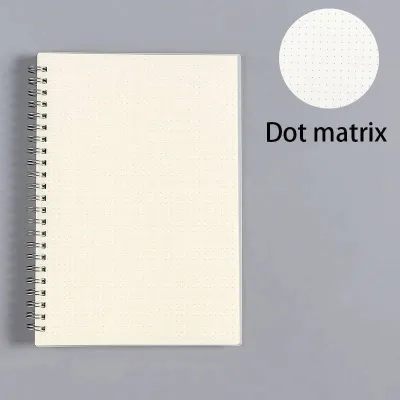
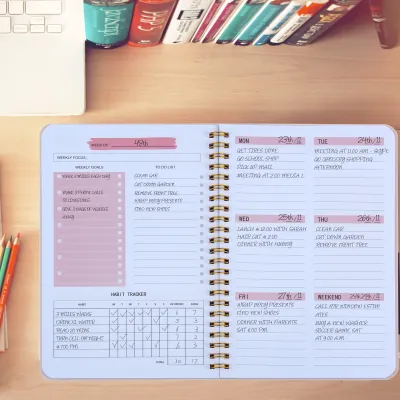
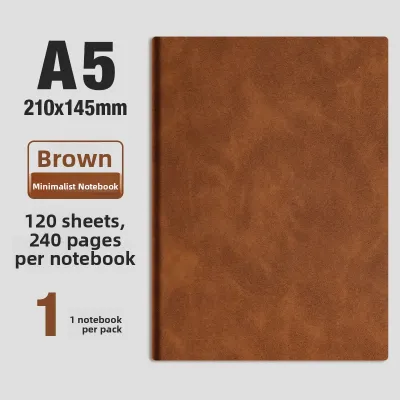
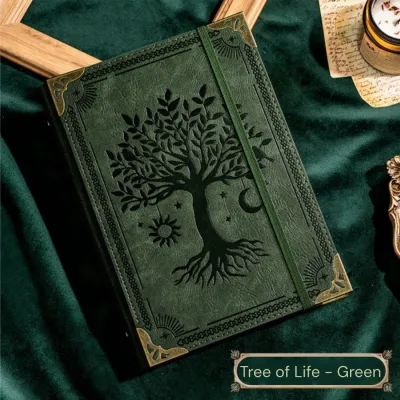
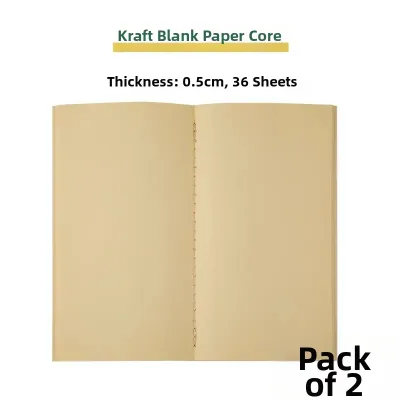
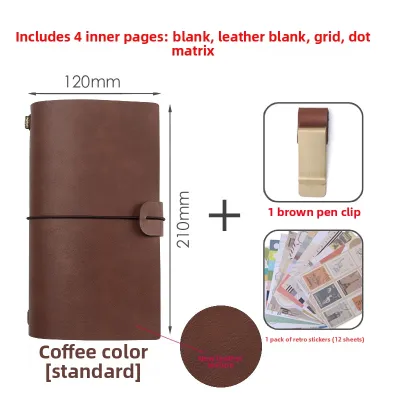
Prices are valid at publication and may change. Please refer to the product page for the latest price.
Key Paper Traits That Prevent Feathering and Bleed-Through
To make an informed choice when comparing journals, you need to understand the physical and chemical properties of paper. Manufacturers use specific processes to alter how paper behaves when it encounters moisture.

Sizing and Coating
Sizing is a chemical treatment applied during manufacturing to control water absorption. Internal sizing is mixed directly into the paper pulp, while surface sizing is applied to the finished sheet. This treatment creates a barrier that restricts how quickly the paper absorbs liquid. Without adequate sizing, capillary action draws the ink along the cellulose fibers, causing the edges of your letters to look fuzzy. Some premium papers also feature a clay or mineral coating, which keeps the ink sitting on top of the page for maximum crispness.
Paper Density vs. Thickness
It is a common misconception that thicker paper is always better at preventing ink from soaking through. Paper density, achieved through a process called calendering, is often far more important. Calendering presses the paper fibers under heavy, heated rollers to create a highly compressed sheet. A thin, highly calendered paper can block ink molecules from passing through because the fibers are packed so tightly. In contrast, a thick, fluffy, low-density paper has large gaps between its fibers, allowing wet inks to seep through to the back of the page with ease.
Surface Texture
The texture of a page, often referred to as its “tooth,” directly affects your writing experience. Highly smooth papers minimize friction, allowing delicate fountain pen nibs and marker tips to glide without snagging or collecting loose fibers. However, extremely smooth surfaces can cause wet ink to pool, which extends drying times. Textured papers offer more tactile feedback, which some writers prefer, but the uneven surface can cause ink to pool in microscopic valleys, leading to localized feathering.
Manufacturer Specifications
When shopping for a journal, reading the specifications carefully can save you from a frustrating purchase. Grams per square meter (GSM) measures the weight of the paper, but it does not guarantee ink compatibility. While a higher GSM generally indicates a thicker sheet, you must look for explicit indicators such as “fountain pen friendly” or “calendered.” Additionally, acid-free paper is essential for preventing yellowing and degradation over time, ensuring your writing remains legible for years.
How Different Journal Types Handle Wet Inks
The journal market is broadly divided into three distinct paper styles, each engineered for different writing and drawing preferences. Understanding these categories helps you narrow down your options based on your primary tools.
While these categories share general performance traits, individual results will always vary. The exact combination of your pen, the wetness of your ink, and local environmental factors will ultimately determine how the paper behaves.
Smooth and Sized Papers
These papers are highly finished and coated, designed to offer an ultra-smooth writing surface. They are typically found in premium office notebooks and high-end journals, with weights ranging from 80 GSM to 120 GSM.
Because the ink sits on top of the sizing rather than soaking into the page, lines remain incredibly sharp with zero feathering. This surface-level drying also allows specialized fountain pen inks to showcase their unique properties, such as shading and metallic sheen. However, in a humid tropical climate like Singapore, where ambient moisture is naturally higher, this surface-level drying can take significantly longer. This increases the risk of accidental smudging if you close the journal too quickly or brush your hand across the page.
For marker users, these papers handle water-based brush pens beautifully. However, alcohol-based markers may experience slow drying times and slight ghosting on the reverse side, as the ink cannot penetrate the surface sizing evenly.
Thin, High-Density Papers
Engineered specifically for fountain pen enthusiasts, these specialized papers are incredibly thin, often ranging from 52 GSM to 68 GSM. Despite their lightweight feel, they are densely milled to handle wet inks.
The highly compressed fibers in these papers resist ink penetration remarkably well. You can write with wet fountain pens and broad nibs with virtually no feathering and minimal bleed-through. This high density allows manufacturers to pack hundreds of pages into a lightweight, compact journal that is easy to carry daily. The paper also excels at displaying complex ink sheens and vibrant colors.
The primary trade-off is ghosting. Because the paper is so thin, you will easily see the shadow of your writing on the reverse side, even if the ink has not physically broken through the surface. Furthermore, alcohol-based markers are not suitable for this paper; the aggressive solvents in alcohol inks will easily bypass the thin physical barrier, causing immediate bleed-through.
Heavyweight and Uncoated Papers
These journals feature thick, robust sheets, often ranging from 140 GSM to 160 GSM or higher. They are designed for mixed-media art, heavy sketching, and bullet journaling with diverse mediums.
The sheer thickness of these pages provides an excellent physical barrier against ink penetration. You can apply multiple layers of water-based or alcohol-based markers without worrying about bleed-through. This makes them the preferred choice for artists who use brush pens, highlighters, and art markers to create colorful layouts.
However, because these papers are often uncoated and have minimal surface sizing, they absorb liquid rapidly. When used with fountain pens, the ink is drawn quickly into the page, which can cause noticeable feathering and make fine lines appear wider and flatter. The textured surface can also feel slightly scratchy when using extra-fine fountain pen nibs.
How to Test a Journal Before Committing
Before dedicating a new journal to your daily routine, performing a few simple tests on the back pages can save you from ruined layouts. Use your preferred pens, markers, and inks to evaluate how the paper handles your specific tools.
The Ink Swatch Test Draw a series of intersecting lines, grids, and solid blocks of ink using your wettest fountain pen. Observe the edges of the lines closely under a bright light. If the lines remain sharp and clean, the paper’s sizing is performing well. If you notice the ink spreading outward in tiny, hair-like branches, the paper is prone to feathering with that specific ink and nib combination.
The Reverse Side Check Turn the page over to inspect the back. Distinguish carefully between ghosting and bleed-through. If you can see the dark shape of your writing but the paper surface remains clean and dry, you are experiencing ghosting, which is common in thin journals. If you see distinct spots of ink that have physically soaked through to the back, the paper has bled, meaning you will not be able to write on both sides of the page.
The Dry Time Observation Write a sentence and run your finger across the ink at intervals of 5, 10, 15, and 30 seconds. Note how long it takes for the ink to set completely. This test is especially important for left-handed writers or those living in humid environments like Singapore, where high humidity can extend drying times on highly sized, smooth papers.
The Marker Saturation Test In an inconspicuous corner, apply a single stroke of your favorite marker. Next to it, apply a double stroke, and then a triple stroke, letting the ink layer build up. This test helps you identify the exact limit of the paper’s physical barrier, showing you how many layers of marker ink the page can handle before it begins to bleed through to the next sheet.
Which Journal Paper Should You Choose?
Your choice of journal paper should align with the tools you use most frequently. Use this conditional framework to guide your decision:
Choose smooth, sized paper if:
- Your primary writing tools are fine to medium fountain pens.
- You prioritize crisp, clean lines and want to showcase ink shading or sheen.
- You do not mind waiting a few extra seconds for your ink to dry, or you are willing to use blotting paper.
Choose thin, high-density paper if:
- You want a lightweight, high-capacity journal that can hold hundreds of pages without becoming bulky.
- You write almost exclusively with fountain pens and enjoy a smooth, gliding sensation.
- You are comfortable with moderate background ghosting on the reverse side of your pages.
Choose heavyweight, uncoated paper if:
- You primarily use alcohol-based markers, water-based brush pens, or heavy highlighters.
- You want absolute protection against bleed-through and plan to create heavily saturated artistic layouts.
- You rarely use fine-nib fountain pens and do not mind a slightly textured writing surface.
Verify first if:
- You use extremely wet inks, broad stub nibs, or plan to write on both sides of every page. In these cases, always check user reviews or perform a spot test on a back page before committing to a full journal.
Frequently Asked Questions (FAQ)
Does higher GSM always mean better paper for fountain pens?
No. GSM measures the weight and thickness of the paper, not its chemical treatment or density. A thick 120 GSM sketch paper with no surface sizing will absorb fountain pen ink like a sponge, resulting in severe feathering and a wider line width. Conversely, a highly sized, calendered 68 GSM paper will keep your lines perfectly crisp and prevent feathering entirely. Always look for paper density and sizing rather than relying solely on weight.
What is the difference between ghosting and bleed-through?
Ghosting, also known as show-through, occurs when the paper is thin enough that you can see the shadow of your writing from the other side, but the ink remains bound to the front surface. This does not damage the paper or transfer ink to the next page. Bleed-through occurs when the ink physically penetrates the paper fibers and leaks onto the reverse side, making it impossible to write on the back of the page and potentially staining the sheet underneath.
Community discussion
Share your experience or ask a question. Comments are reviewed before publication.