
When embarking on the traditional arts of Chinese seal carving or calligraphy, selecting your first cinnabar ink starter set is a pivotal decision that directly shapes your early practice. A proper starter set must balance functional tool quality with authentic materials, ensuring that your initial attempts at carving or writing are not frustrated by substandard equipment. By understanding what to look for and what to avoid, you can invest in a kit that supports your learning curve and delivers beautiful, lasting results.
Quick Guide: What Beginners Actually Need
Choosing a starter set requires a clear understanding of your artistic goals, as seal carving and calligraphy demand entirely different tools and mediums. While both crafts celebrate the vibrant, historic red of cinnabar, they utilize the pigment in completely different physical forms. A beginner should prioritize material authenticity and functional tool quality over elaborate, decorative packaging that often hides low-grade consumables.
An effective entry-level kit should provide the essential tools required to complete your first projects without unnecessary extras. For seal carving, this means a reliable carving knife, suitable stone blanks, and a dedicated stamping paste. For calligraphy, it requires a high-quality ink stick, a functional grinding stone, and compatible brushes. Focusing on these core components ensures your budget is spent on the items that directly affect your work.
Products mentioned in this guide
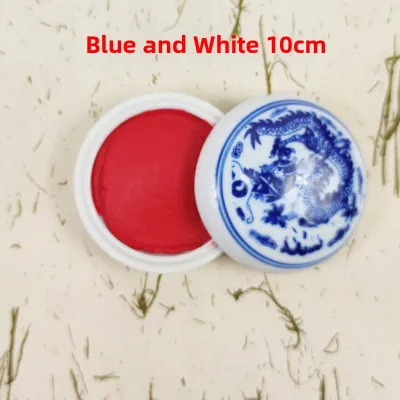
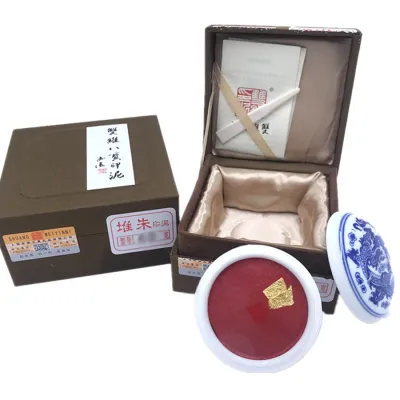
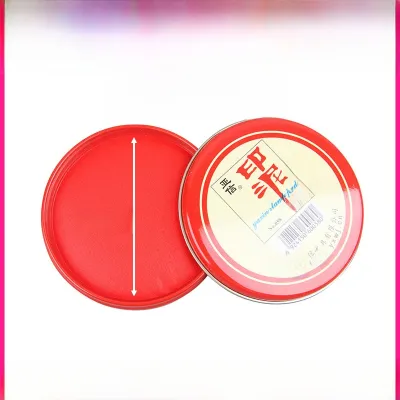
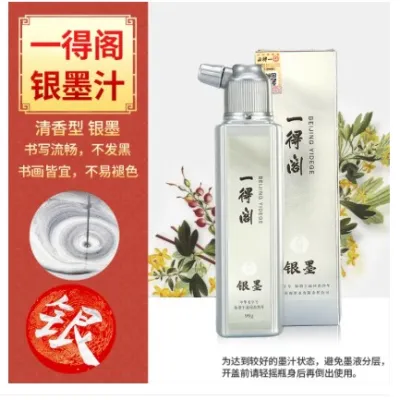
Prices are valid at publication and may change. Please refer to the product page for the latest price.
Clarifying "Cinnabar": Seal Paste vs. Ink Sticks
To make an informed purchase, you must first distinguish between the two primary forms of cinnabar used in traditional Chinese arts. Although product listings on online marketplaces often use the term “cinnabar ink” loosely, seal paste and calligraphy ink are chemically and physically distinct. Purchasing the wrong medium for your craft will result in unusable tools and ruined materials.

Cinnabar seal paste, traditionally known as yinni, is a thick, viscous compound designed specifically for transferring carved seal impressions onto paper. It is formulated by mixing pulverized mineral cinnabar pigment with refined castor oil and binding plant fibers, typically derived from mugwort leaves. The fibers act as a matrix that holds the heavy mineral pigment and oil together, creating a paste that clings to the stone seal and transfers a raised, textured, and permanent red mark to the paper.
In contrast, cinnabar ink sticks and liquid cinnabar inks are formulated for brush calligraphy and painting. These products combine the red pigment with water-soluble animal glue rather than oil. To use a traditional ink stick, you must grind it with water on an inkstone to create a fluid, opaque red ink that flows smoothly from a brush. Liquid versions come pre-mixed but follow a similar water-based formulation.
Attempting to use these mediums interchangeably will ruin your equipment. If you attempt to use thick, oil-based seal paste for brush calligraphy, the heavy oils and plant fibers will clog and permanently damage your brush bristles. Conversely, if you attempt to use watery calligraphy ink for stamping, the liquid will pool in the fine crevices of your carved seal, resulting in a blurred, bleeding, and illegible impression on the paper.
Essential Components of a Complete Beginner Kit
When evaluating starter sets, look closely at the individual components included in the package. A high-quality kit should focus on functional utility rather than sheer quantity of items.
For Seal Carving Sets
If your primary interest is seal carving, a complete and functional starter kit must include the following essential components:
- Cinnabar Seal Paste: The kit should include a small ceramic or porcelain pot containing at least 15 to 30 grams of paste. Ceramic containers are essential because they do not react chemically with the oil-based paste.
- Carving Stones: Look for kits that provide soft, fine-grained stone blanks, such as Qingtian stone or soapstone. Beginners should start with stones that are pre-cut into clean square blocks, typically measuring 2 cm by 2 cm, which are easier to handle.
- Carving Knives: A reliable starter knife should feature a double-beveled blade made of tungsten steel. This material is hard enough to carve stone without dulling rapidly, yet resilient enough to resist chipping under normal pressure.
- Seal Bed: This is a wooden clamping device used to hold the stone block securely in place during carving. A seal bed is a critical safety tool that prevents the stone from slipping, protecting your hands from accidental knife cuts.
For Calligraphy Sets
If you are focusing on red-ink calligraphy, your starter set should contain these fundamental items:
- Cinnabar Ink Stick: The stick should feel dense, smooth, and heavy for its size, indicating a high concentration of pigment and proper curing.
- Inkstone: Look for a stone with a fine, uniform grain that offers enough friction to grind the ink stick efficiently without scratching it. Synthetic or low-grade slate stones should be avoided.
- Calligraphy Brushes: The kit should include at least one or two brushes with resilient, springy hair, such as weasel hair or a stiff mixed-hair blend, which can handle the weight of mineral-based cinnabar ink.
- Practice Paper: Look for semi-sized or unsized Xuan paper, which is designed to absorb the ink correctly without excessive bleeding.
To judge whether a kit offers genuine value, evaluate the ratio of core tools to decorative accessories. Many low-quality kits include cheap filler items, such as plastic brush rests, decorative tassels, or low-grade paper, to make the set appear more comprehensive. Prioritize kits that allocate their manufacturing budget to the knife, the stone, and the paste or ink stick.
Red Flags: What to Avoid in Entry-Level Sets
Navigating the market for traditional art supplies can be challenging, as many low-cost starter sets prioritize visual appeal over functional quality. Recognizing common red flags will save you from purchasing frustrating, unusable tools.
First, be highly skeptical of sets that use synthetic dyes or chemical pigments masquerading as natural cinnabar. Genuine cinnabar is a natural mineral pigment that provides a deep, rich, matte red color with excellent lightfastness. Cheap imitation sets often use synthetic organic pigments, such as lithol red or azo dyes, which are frequently labeled as “cinnabar-colored” or “vermilion hue.” These synthetic alternatives lack the weight, texture, and historical permanence of the genuine mineral, and they tend to fade or change color when exposed to light over time.
Second, watch out for poorly formulated seal paste. High-quality paste should be supple, cohesive, and slightly stringy when pulled with a spatula. Avoid kits where the paste appears dry, crumbly, or excessively hard, as it will not adhere to your seal. Conversely, paste that is overly oily or runny will cause the oil to separate and bleed into the paper fibers, leaving an unsightly yellow or greasy halo around your stamped impression.
Third, inspect the quality of the carving tools and stones. Brittle carving stones with hidden cracks or hard quartz impurities can shatter or chip unpredictably during carving, ruining your design and risking injury. Avoid knives made of cheap carbon steel, as they dull almost immediately when used on stone, forcing you to apply excessive pressure that can lead to slips. Similarly, low-grade inkstones made of molded plastic or rough, unrefined slate will fail to grind the ink stick into a smooth, usable liquid, leaving you with a gritty, watery mess.
Finally, avoid sets that prioritize ornate packaging over the quality of the actual art supplies. A beautiful brocade-covered box or a carved wooden case often conceals low-grade, mass-produced tools. It is always wiser to purchase a plain, modestly packaged set that contains high-quality, functional consumables than a luxurious box filled with cheap plastic substitutes.
How to Build and Verify Your Shortlist
To finalize your purchasing decision, you should actively research and verify the specifications of the starter sets on your shortlist. This process involves analyzing product descriptions, reading user feedback, and evaluating seller credentials.
Start by carefully checking the product specifications for transparent material disclosures. Reputable manufacturers will explicitly state the materials used in their kits. Look for terms like “natural cinnabar pigment,” “refined castor oil,” “mugwort fiber,” and “tungsten steel knife.” If a product description uses vague terms like “red ink” or “carving tool” without specifying the exact materials, it is highly likely the set contains cheap synthetic alternatives.
Next, analyze user reviews on e-commerce platforms or dedicated art supply forums for practical, real-world feedback. Look for specific comments regarding the consistency of the seal paste, the grinding experience of the ink stick, and the durability of the carving knife. Pay close attention to reviews that mention whether the paste arrived dried out, if the knife chipped during the first use, or if the inkstone was too smooth to grind the ink stick effectively. Consistent complaints about these issues are a clear sign to avoid that particular set.
Finally, verify the reputation of the seller. Whenever possible, purchase your starter set from dedicated art supply stores, specialized stationery retailers, or established brand stores rather than general discount sellers. Reputable sellers should offer clear customer support channels and transparent return policies, which are crucial if your carving stones arrive cracked or your seal paste is damaged during transit. A basic, functional starter set of reliable quality typically ranges from S$30 to S$80, making it a reasonable investment for beginners who want to ensure a positive starting experience.
Frequently Asked Questions (FAQ)
Is natural cinnabar toxic to handle during seal carving or calligraphy?
Natural cinnabar is composed of mercuric sulfide, a heavy metal compound. While it is highly stable and insoluble in water, safety precautions are essential when handling it. You should always check the manufacturer’s Safety Data Sheet (SDS) and product labels for specific handling guidelines and hazard warnings.
To practice safely, establish standard hygiene habits. Always wash your hands thoroughly with soap and water after using cinnabar paste or ink, and avoid eating or drinking while working. When carving or sanding stone seals, wear a dust mask to prevent the inhalation of fine stone and pigment dust, and clean your workspace with a damp cloth rather than dry sweeping to keep dust out of the air.
How should I store cinnabar seal paste to prevent it from drying out?
To maintain the quality of your cinnabar seal paste, you should consult the manufacturer’s care instructions for precise temperature, humidity, and light exposure limits. In warm, humid climates like Singapore, storing the paste correctly is particularly important to prevent the castor oil from separating and rising to the surface.
Store the ceramic paste pot in a cool, dry place away from direct sunlight, and ensure the lid is tightly sealed after every use. If you notice the oil beginning to separate or the paste becoming slightly stiff, use a small plastic or bone spatula to stir the paste thoroughly in a circular motion. This helps reintegrate the oil and mugwort fibers. If the paste exhibits severe oil separation that cannot be stirred back in, or if it undergoes irreversible hardening, it should be replaced.
Community discussion
Share your experience or ask a question. Comments are reviewed before publication.