
Gifting a 1995 Singapore coin is a highly thoughtful way to commemorate a birth year, a marriage, a corporate milestone, or a significant anniversary connected to Singapore’s rich history. To choose the right coin, you must first decide between everyday circulation coins—which carry nostalgic, historical charm—and limited-edition commemorative issues that offer pristine finishes and precious metal options. By focusing on the coin’s condition, verifying its authenticity, and presenting it in archival-quality packaging, you can transform a simple piece of currency into a cherished, lifelong keepsake.
Whether your recipient is a seasoned numismatist or someone who simply appreciates a meaningful memento, selecting the perfect coin requires an understanding of what makes the year 1995 special in Singapore’s coining history. This guide details the categories of coins available from that year, how to evaluate their physical state, where to source them safely, and how to present them beautifully.
Understanding 1995 Singapore Coin Categories for Gifting
When exploring 1995 Singapore coins as gifts, it is essential to distinguish between standard circulation coins and special commemorative issues. Circulation coins are the pieces of currency that everyday people used in their daily transactions. In 1995, Singapore’s Second Series of coins, often referred to as the Floral Series, was in full circulation. These coins feature local floral motifs on the obverse side, symbolizing Singapore’s identity as a green garden city. Denominations in this series include the 1-cent, 5-cent, 10-cent, 20-cent, 50-cent, and S$1 coins, each showcasing a different plant or flower, such as the Vanda Miss Joaquim orchid on the S$1 coin.
Products mentioned in this guide
![[SG Stock] Singapore 1995 50th Anniversary United Nations 5 Dollars Bi-metal Coin](https://img.lazcdn.com/g/p/61438f6a76d098aa8a24ee0825739468.jpg_400x400q80.jpg_.webp)
Prices are valid at publication and may change. Please refer to the product page for the latest price.
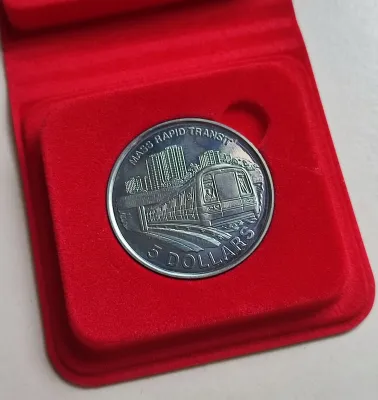
Commemorative coins, on the other hand, were minted in limited quantities to honor specific national milestones, historical events, or cultural themes. In 1995, the Monetary Authority of Singapore issued special coins to mark significant occasions, such as the 30th Anniversary of Singapore’s Independence (1965–1995). These commemorative issues were never meant for general circulation; instead, they were struck with meticulous care, often using precious metals like silver or gold, and sold directly to collectors in protective packaging.
Thematic designs and national milestones add immense sentimental value to a gift. A commemorative coin celebrating 30 years of independence carries a powerful message of resilience, growth, and national pride, making it an excellent gift for a patriotic citizen or a history enthusiast. Meanwhile, a standard circulation coin from 1995 offers a nostalgic connection to the daily life of that specific year, making it highly personal for someone born or married in 1995.
Availability and condition vary significantly between these two categories. Because circulation coins passed through thousands of hands, finding one from 1995 in pristine, unblemished condition can be challenging. They are typically sourced from official mint sets or carefully preserved collections. Commemorative coins are much easier to find in excellent condition because they have spent their entire existence inside protective capsules, though their limited mintage means they are harder to find on the secondary market.
Evaluating Condition and Authenticity Before You Buy
The physical state of a coin, known as its grade, directly determines its visual appeal and collectible value. For gifting purposes, understanding standard grading terms is crucial. “Uncirculated” (UNC) coins have never been used in daily commerce and retain their original mint luster, free from wear and tear. “Brilliant Uncirculated” (BU) coins are even higher quality, struck on polished blanks with extra care. “Proof” coins represent the pinnacle of the minting art; they are struck multiple times using specially polished dies, resulting in a mirror-like background and frosted, highly detailed raised designs.

When inspecting a 1995 coin, perform a series of visual checks to ensure it is suitable for presentation. Look closely at the flat fields of the coin for hairline scratches, scuffs, or dings along the outer rim. Tarnish, or patina, is natural for older copper and silver coins, but uneven, blotchy discoloration can detract from the coin’s beauty. Be especially wary of coins that look unnaturally bright or shiny; this is often a sign of improper cleaning. Cleaning a coin with harsh chemicals or abrasive cloths ruins its numismatic value and leaves microscopic scratches that permanent damage its surface.
Verifying authenticity is the most critical step when purchasing a collectible coin. For commemorative issues, always look for the original packaging provided by the Monetary Authority of Singapore or the Singapore Mint. These coins typically come in a velvet-lined clamshell case accompanied by an official Certificate of Authenticity (COA). The certificate should feature a unique serial number, the official seal of the issuing authority, and detailed specifications regarding the coin’s metal content, weight, and diameter. Ensure these specifications match the physical coin you are inspecting.
If you are purchasing a high-value precious metal coin, consider buying a coin that has been graded and certified by a reputable, independent third-party grading service. These coins are sealed in tamper-evident, hard plastic holders (often called “slabs”) that display the coin’s official grade and authenticity certification. This provides peace of mind for both you and the recipient, ensuring the gift is genuine and accurately graded.
Matching the Right 1995 Coin to Your Recipient
To make your gift truly memorable, match the specific coin to the recipient’s personal story, interests, and the occasion. For individuals who appreciate everyday history or nostalgia, a complete 1995 circulation coin set is an outstanding choice. These sets contain one of each denomination circulated that year, from the tiny 1-cent coin to the octagonal S$1 coin. This is a wonderful gift for someone celebrating a 30th birthday or a couple celebrating their 30th wedding anniversary, as it represents the exact currency that was used during the year of their milestone event.
For serious collectors, investors, or major milestone celebrations, precious metal commemorative coins are highly appropriate. A sterling silver or fine gold proof coin from 1995 is not just a beautiful piece of art; it is also a tangible asset. These coins are ideal for significant life events, such as a major career promotion, retirement, or a landmark anniversary. The mirror-like finish and exquisite detail of a proof coin make it a striking display piece that commands attention on any desk or shelf.
Consider the symbolic meaning of the designs on the coins. The Second Series circulation coins feature beautiful floral motifs that carry distinct cultural meanings. For example, the S$1 coin features the Vanda Miss Joaquim, Singapore’s national flower, which represents resilience, hardiness, and a vibrant spirit. The 50-cent coin features the yellow allamanda, symbolizing joy and prosperity, while the 20-cent coin features the powder puff plant, representing elegance. Choosing a denomination based on the symbolic meaning of its featured flower adds a layer of poetic thoughtfulness to your gift.
Additionally, the physical shape of the coin can carry cultural significance. The S$1 coin is famous for its distinct octagonal frame enclosing the round coin design. In local folklore, the eight-sided shape is associated with the bagua, a symbol of protection, balance, and good fortune. Gifting a 1995 S$1 coin can serve as a token of well-wishes, prosperity, and harmony for the recipient’s home or office.
Where to Source 1995 Coins Safely
Sourcing collectible coins requires caution, as the secondary market can be difficult to navigate for beginners. To ensure a safe transaction, always prioritize reputable, established channels. Physical numismatic shops, particularly those located in historic districts like Chinatown or central business areas, are excellent places to start. These shops are run by professional dealers who have spent decades in the trade. They can provide expert guidance, allow you to inspect the coins in person under proper lighting, and stand behind the authenticity of their inventory.
Another reliable option is attending recognized coin exhibitions or stamp and coin fairs. These events bring together multiple reputable dealers under one roof, allowing you to compare prices, inspect a wide variety of 1995 issues, and speak with experienced collectors. Authorized distributors of the Singapore Mint are also highly secure channels for sourcing past commemorative issues and official mint sets.
Be extremely cautious when browsing unverified listings on general online marketplaces or peer-to-peer e-commerce platforms. These platforms are flooded with uncertified coins, and listings often lack clear return policies, detailed grading descriptions, or authenticity guarantees. Sellers on these platforms may unknowingly misrepresent the condition of a coin, or worse, sell counterfeit pieces. If you do choose to buy online, stick to specialized numismatic auction sites or online storefronts of established physical coin dealers.
Before finalizing any purchase, especially online, request high-resolution, unedited photographs of the exact coin you will receive. Ask for clear images of the obverse, the reverse, and the edge of the coin, as the edge reeding can reveal a lot about a coin’s authenticity. Do not hesitate to ask the seller specific questions about the coin’s provenance, whether it has ever been cleaned, and if they offer a full refund if the coin is found to be counterfeit or improperly described by an independent expert.
Elevating the Gift with Proper Presentation
The presentation of a coin gift is just as important as the coin itself. Because coins are relatively small, presenting them in thoughtful, high-quality packaging elevates the entire gifting experience and emphasizes the value of the keepsake. Avoid gifting a coin loose or in a simple paper envelope. Instead, use archival-quality display cases, acrylic capsules, or velvet-lined presentation boxes. A clear, hard-plastic acrylic capsule protects the coin from dust and scratches while allowing the recipient to view both sides of the coin without opening it.
To add a deeply personal touch, include a beautifully written note or a small printed card alongside the coin. In this note, explain the historical significance of the 1995 issue, describe the floral or national motifs featured on the coin, and share why you chose this specific year for them. If the coin is a commemorative issue, place the Certificate of Authenticity neatly inside the presentation box so the recipient can appreciate its official origin and technical specifications.
Preserving the coin’s condition before it reaches the recipient is paramount. Never handle the coin directly with bare hands. The natural oils, sweat, and acids on human skin can leave permanent fingerprints on the metal surface, which can lead to localized oxidation and tarnish over time. This is especially true for proof coins, where a single fingerprint can permanently ruin the mirror finish.
Always wear clean, lint-free cotton gloves when handling unencapsulated coins. If gloves are not available, handle the coin strictly by its outer edges (the rim) using your fingertips, and never touch the flat fields or the raised design elements. Place the coin directly into its protective capsule as soon as possible, and ensure the capsule is securely sealed before placing it into the gift box. This careful handling ensures the coin remains in pristine condition, ready to be admired for generations.
Frequently Asked Questions (FAQ)
Is it legal to gift or resell Singapore coins?
Yes, it is entirely legal to gift, buy, and sell Singapore coins, including both standard circulation coins and commemorative issues. These coins are considered legal tender or historical collectibles, and a robust secondary market exists for them. However, under the Currency Act, it is strictly illegal to deface, mutilate, melt down, or destroy any Singapore currency. As long as you are keeping, gifting, or trading the coins in their original physical form, you are fully compliant with local laws.
How should I store the coin if the recipient wants to keep it long-term?
To preserve the coin’s condition and prevent tarnish, store it in a cool, dry place away from direct sunlight and extreme temperature fluctuations. Singapore’s high humidity can accelerate oxidation, so it is highly recommended to place silica gel packets inside the storage drawer or cabinet to absorb excess moisture. Keep the coin sealed inside an archival-safe, PVC-free plastic capsule or a specialized coin flip. Avoid cheap plastic holders containing polyvinyl chloride (PVC), as PVC degrades over time and releases acidic green chemicals that can permanently corrode the coin’s surface.

Community discussion
Share your experience or ask a question. Comments are reviewed before publication.