
Gifting a coin from a specific year offers a tangible connection to history, making it an exceptional souvenir for visitors or a meaningful keepsake for loved ones celebrating a milestone linked to 1987. In Singapore, coins from this era carry distinct designs that reflect the nation’s rapid modernization, cultural identity, and natural heritage. Whether you are looking for a simple token of remembrance or a highly polished collector’s piece, selecting the right 1987 coin requires a thoughtful approach to design, condition, and presentation. By understanding the options available, you can transform a piece of metal currency into a deeply personal and lasting gift.
Understanding the Types of 1987 Singapore Coins
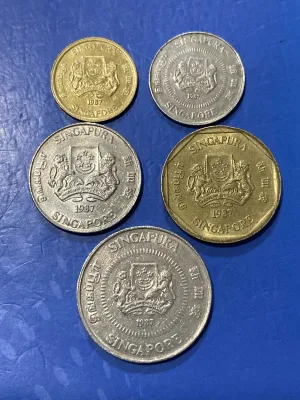
To choose the best gift, you must first distinguish between the two primary categories of coins minted in 1987: standard circulation coins and special commemorative issues. During this period, Singapore’s circulating currency was transitioning through its Second Series, often referred to as the Flora Series. Introduced in the mid-1980s, these everyday coins feature prominent local flowers, such as the Vanda Miss Joaquim on the S$1 coin, the jasmine on the fifty-cent coin, and other botanical symbols on smaller denominations. These pieces represent the daily life and economic transactions of Singaporeans during a decade of remarkable growth, making them highly nostalgic gifts for anyone who lived through or visited the country during the late 1980s.
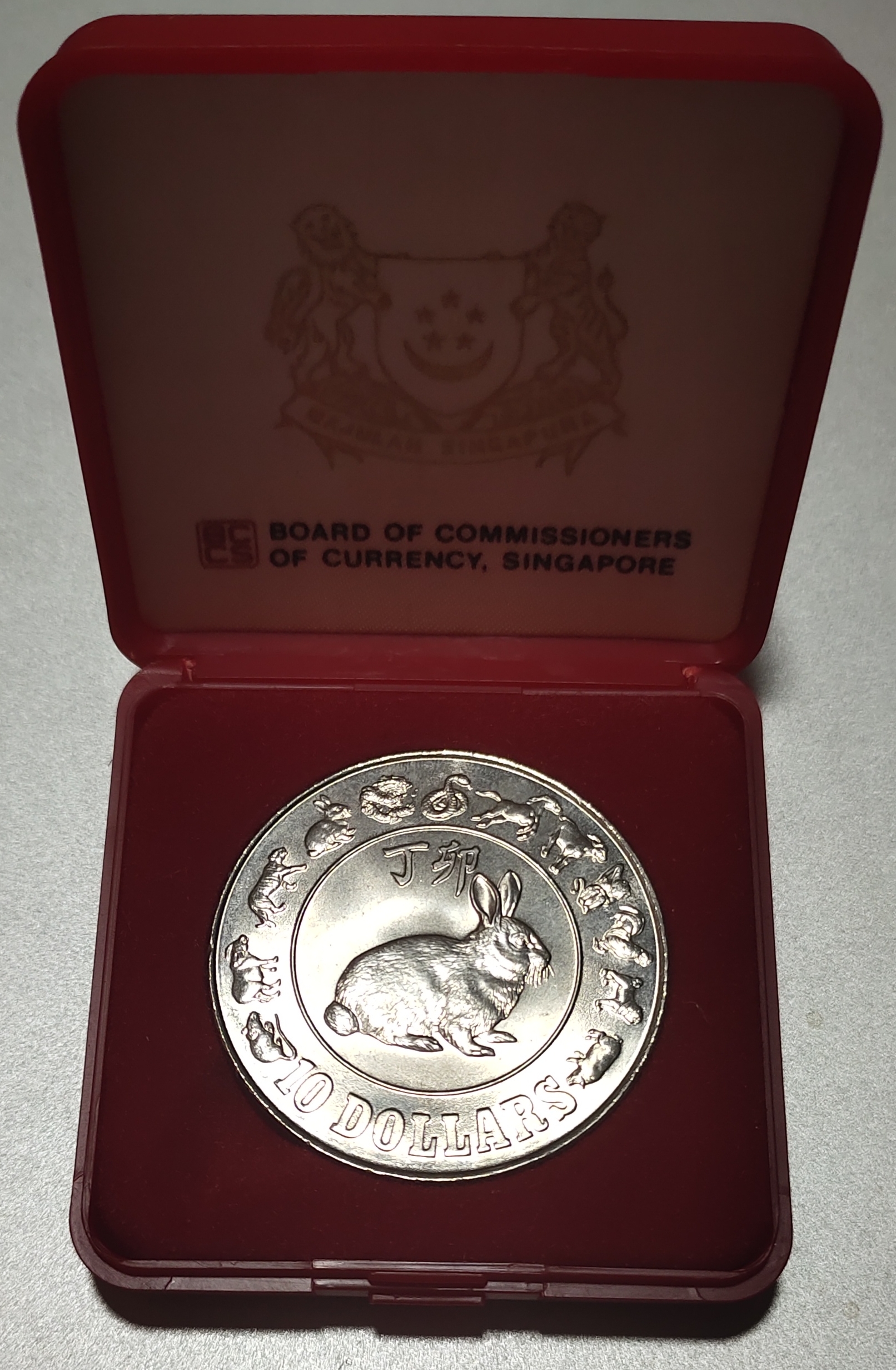
In contrast to everyday pocket change, the Monetary Authority of Singapore (MAS) and the Singapore Mint also released limited-edition commemorative and proof coins in 1987. These collector-oriented issues were minted in significantly lower quantities and were never intended for general circulation. Instead, they were produced to mark specific national milestones, historical events, or cultural celebrations. Commemorative coins often feature unique reverse designs, precious metal compositions like silver or gold, and highly polished finishes that highlight the intricate details of the engraving.
Products mentioned in this guide
Prices are valid at publication and may change. Please refer to the product page for the latest price.
The difference in mintage figures between these two types directly impacts their availability and visual appeal today. Standard circulation coins were produced by the millions, meaning they are relatively easy to find, though finding one in pristine, unblemished condition can be a challenge. Commemorative and proof issues, while scarcer, offer an immediate visual impact due to their mirror-like backgrounds and frosted details. When planning your gift, cross-referencing official historical catalogs from the Monetary Authority of Singapore or the Singapore Mint is highly recommended to identify the exact commemorative themes and denominations issued in 1987, as these designs vary widely depending on the specific event celebrated that year.
How to Choose the Right 1987 Coin for Your Recipient
Selecting the perfect 1987 coin depends heavily on the recipient’s background, interests, and relationship to Singapore. A casual tourist or a friend celebrating a 1987 birth year might appreciate the nostalgic charm of a well-preserved circulation coin, particularly the iconic S$1 coin with its distinct octagonal shape and floral motif. For history enthusiasts, a commemorative coin marking a specific national milestone provides a deeper narrative connection to Singapore’s journey. Serious numismatists, on the other hand, will prioritize rarity, metal content, and official grading, making a certified proof coin or a complete year set the most appropriate choice.

Understanding coin grading terminology is essential when evaluating potential gifts, as condition directly influences both visual presentation and market value. A coin described as “circulated” will show signs of wear, such as soft details, scratches, and a loss of original luster, which some recipients find charmingly authentic. “Uncirculated” coins have never been used in daily commerce and retain their original mint luster, presenting a clean and bright appearance. “Proof” coins represent the highest quality of minting, featuring highly polished, mirror-like fields and frosted, detailed designs. Opting for an uncirculated or proof coin ensures your gift looks brilliant and feels special, even to someone who does not collect coins regularly.
Beyond technical grades, consider how the aesthetic and thematic elements of the coin’s design align with Singapore’s cultural identity. The Flora Series coins, with their detailed depictions of local plants, celebrate Singapore’s vision of becoming a “Garden City.” The unique octagonal rim of the S$1 coin is also steeped in local folklore and architectural history, making it an excellent conversation starter. By choosing a design that carries a compelling story, you elevate the coin from a simple piece of metal into a narrative-rich souvenir that captures the spirit of Singapore.
Where to Buy and How to Verify Authenticity
Acquiring a genuine 1987 Singapore coin requires sourcing from reliable channels to avoid counterfeits, cleaned coins passed off as mint-state, or misrepresented items. Established local coin dealers in Singapore, particularly those with physical storefronts in historic districts or reputable shopping centers, offer a safe starting point where you can examine the coins in person. Recognized numismatic societies and official auctions are also excellent resources for high-value commemorative pieces. If you prefer online shopping, stick to verified secondary market platforms that offer robust buyer protection policies, and always review the seller’s ratings and return terms before committing to a purchase.
When inspecting a potential purchase, performing basic visual and physical checks can help you verify its authenticity. Genuine coins conform to strict official specifications regarding weight, diameter, thickness, and metallic composition. Using a digital pocket scale and a caliper to measure these dimensions against official Singapore Mint records is a reliable way to spot crude counterfeits. Additionally, examine the coin’s edge; standard Singapore coins feature precise reeding (the ridges along the edge) or specific lettering that is difficult for counterfeiters to replicate smoothly. Any signs of soft, blurry details on the coin’s face or unusual discoloration should serve as a warning sign.
For commemorative and proof issues, always prioritize items that come with their original presentation packaging and a Certificate of Authenticity (COA) issued by the Singapore Mint. The COA provides essential details, including the coin’s specifications, mintage limit, and serial number, which helps verify its legitimacy. While standard circulation coins do not come with individual certificates, buying them in original mint-sealed rolls or official annual coin sets ensures they remain in their authentic, untouched state, giving your recipient complete peace of mind.
Packaging and Presenting Your Coin Gift
The way you present a coin gift plays a crucial role in protecting its condition and elevating its perceived value. Raw, unprotected coins are highly susceptible to environmental damage, such as tarnish, scratches, and fingerprints. To prevent this, place the coin inside a hard, archival-quality acrylic capsule that fits its exact diameter. These capsules allow the recipient to view both sides of the coin clearly without exposing the metal to air or moisture. For a more formal presentation, you can house the encapsulated coin inside a velvet-lined presentation box or a small wooden display case, which instantly makes the gift feel prestigious.
To make the souvenir truly memorable, pair the coin with thoughtful stationery and contextual information. Consider writing a personalized message inside a high-quality greeting card, explaining why you chose a coin from 1987. You can also print or handwrite a small story card to place inside the gift box, detailing the history of the coin’s design, the significance of the flora depicted, or the historical context of Singapore in 1987. This addition transforms the coin into an educational and sentimental keepsake, helping the recipient appreciate the cultural value of their new souvenir.
Finally, practice and advise strict handling precautions to preserve the coin’s pristine surface. Skin oils, sweat, and moisture can cause permanent discoloration and fingerprint stains on polished metal surfaces, especially on proof and uncirculated coins. Always handle the coin by its outer edges rather than touching the flat faces. If you need to remove the coin from its protective holder, wear clean, lint-free cotton gloves and work over a soft, padded surface to prevent accidental drops. Sharing these care tips with your recipient ensures the coin remains a beautiful, untarnished reminder of Singapore for decades to come.
Frequently Asked Questions (FAQ)
Are 1987 Singapore circulation coins considered rare or valuable?
Standard circulation coins from 1987, such as the five-cent, ten-cent, twenty-cent, fifty-cent, and S$1 coins, are generally common and do not carry a high financial premium. Because millions of these coins were produced for daily transactions, they are easily obtainable in circulated condition. Their primary value as gifts lies in their historical, nostalgic, and sentimental appeal rather than their potential as financial investments. However, standard coins that remain in exceptional, flawless uncirculated condition can command a modest premium among collectors who appreciate pristine examples of everyday history.
How should I clean a 1987 coin before gifting it?
You should avoid cleaning a 1987 coin using abrasive polishes, household chemicals, or harsh rubbing, as these methods permanently damage the coin’s surface. Cleaning removes the original mint luster and creates microscopic scratches, which drastically reduces any collector or historical value the coin holds. If the coin has loose dirt or dust, a gentle, non-invasive dusting with a very soft-bristled brush is sufficient. If the coin suffers from severe corrosion, dark tarnish, or active chemical damage, it is best to leave it in its natural state or consult a professional numismatic conservator rather than attempting a DIY restoration.

Community discussion
Share your experience or ask a question. Comments are reviewed before publication.