
Cashmere yarn represents the pinnacle of luxury in the fiber arts, prized by knitters worldwide for its unmatched softness, lightweight warmth, and elegant drape. When planning a knitting project, choosing between cashmere, merino wool, and synthetic acrylic involves balancing comfort, durability, ease of care, and budget. Understanding the physical properties of these fibers ensures your hand-knit pieces perform beautifully over time and suit your specific lifestyle needs.
While cashmere offers unparalleled next-to-skin comfort, it may not always be the practical choice for every garment or household item. Merino wool provides excellent elasticity and resilience at a more accessible price point, while acrylic offers unmatched durability and machine-washable convenience. By evaluating how these fibers differ in structure, performance, and care, you can confidently select the ideal yarn for your next creative endeavor.
What Is Cashmere Yarn?
Cashmere yarn is crafted from the fine, downy undercoat of cashmere goats, which are adapted to survive extreme temperature fluctuations in mountainous regions. Unlike sheep’s wool, which is typically harvested through annual shearing, cashmere is collected by hand-combing the goats during their spring molting season. This labor-intensive harvesting process, combined with the limited yield of only a few hundred grams of usable fiber per goat each year, directly contributes to the premium status and higher cost of cashmere yarn.
Products mentioned in this guide
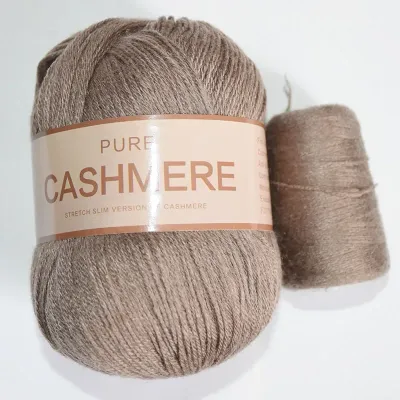
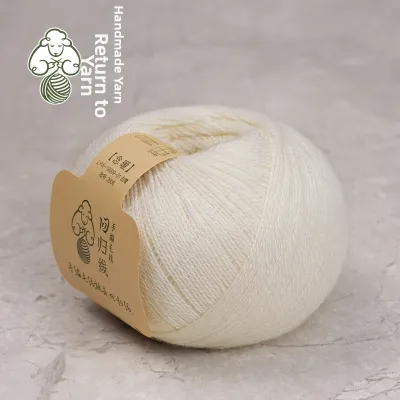
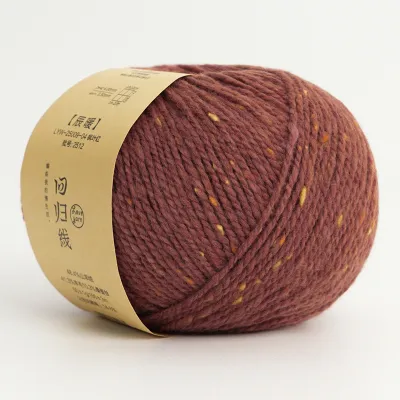
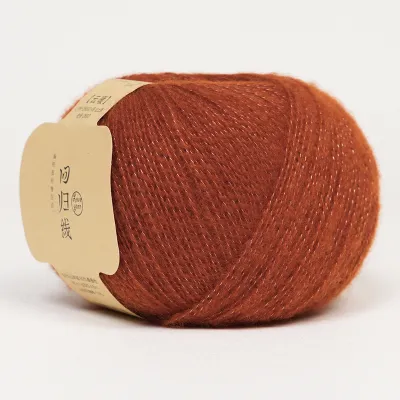
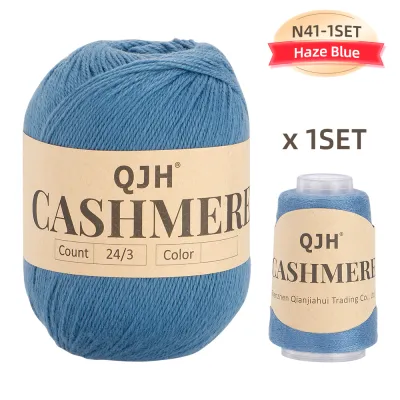
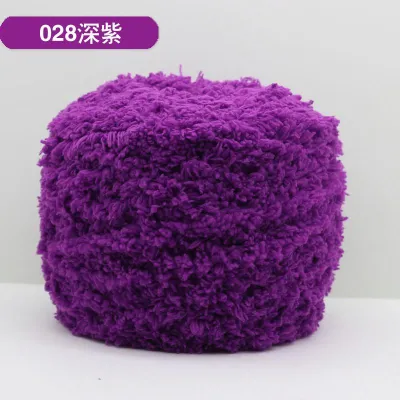
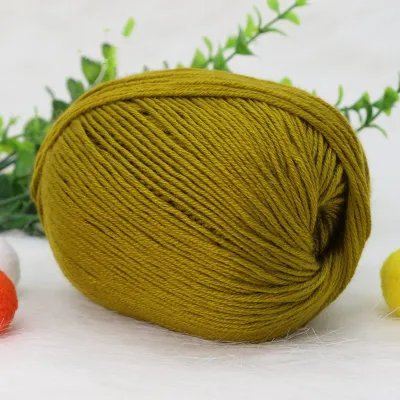
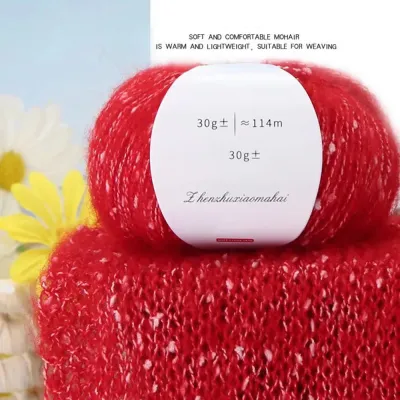
Prices are valid at publication and may change. Please refer to the product page for the latest price.
From a physical standpoint, cashmere fibers are exceptionally fine, typically measuring under 19 microns in diameter. This extreme fineness gives the yarn its signature loft and cloud-like softness, as the delicate fibers bend easily without irritating the skin. Because cashmere fibers have fewer and more relaxed scales than standard sheep’s wool, the resulting yarn has a smooth surface that drapes fluidly without the stiffness or scratchiness often associated with coarser wools. It provides exceptional thermal insulation while remaining remarkably lightweight, making it ideal for delicate, breathable layers.
When sourcing cashmere, reading the yarn label carefully is essential to verify the fiber content and quality. Pure cashmere will be labeled as 100% cashmere, but many manufacturers offer cashmere blends that combine the fiber with merino wool, silk, or nylon. These blends are designed to improve the yarn’s tensile strength, reduce pilling, and make the price more accessible. Always check the exact percentages on the label, as even a small addition of cashmere can significantly soften a wool blend, while a high synthetic percentage will alter how the finished fabric breathes and drapes.
Comparing Cashmere, Merino Wool, and Acrylic Yarn
Evaluating cashmere alongside merino wool and acrylic requires looking at several key performance dimensions, starting with softness and skin sensitivity. Cashmere is the softest of the three, making it the preferred choice for sensitive skin and next-to-skin wear. Merino wool is also highly soft, featuring fine fibers that bend easily, though some individuals may still experience mild sensitivity to it. Acrylic, a synthetic fiber made from petroleum-based polymers, has improved significantly in texture but can still feel slightly squeaky or plasticky compared to natural fibers, and it lacks the natural drape of animal yarns.

In terms of warmth and breathability, natural fibers outperform synthetics. Cashmere offers high warmth-to-weight insulation, keeping you warm without bulk, which is perfect for transitioning from humid outdoor environments to chilly, air-conditioned indoor spaces. Merino wool is highly breathable and naturally moisture-wicking, capable of absorbing up to 30% of its weight in moisture without feeling wet. Acrylic, being synthetic, lacks this natural breathability; it traps heat and moisture, which can lead to a clammy feeling in warm or humid climates.
Durability, pilling, and elasticity are areas where these fibers diverge significantly. Merino wool is the most resilient of the three, possessing excellent natural elasticity and “memory” that allows garments to spring back into shape after stretching. Cashmere has shorter fibers and lower elasticity, making it more prone to stretching out of shape over time and highly susceptible to pilling in high-friction areas. Acrylic is highly durable and resistant to abrasion, but low-quality acrylic yarns can also pill excessively and lack the natural recovery of wool, leading to permanent stretching if subjected to heavy wear.
Budget considerations often dictate the scale of a knitting project. Cashmere sits at the highest price tier, often costing upwards of S$30 to S$60 for a small 50-gram skein, making large garments like sweaters a significant financial investment. Merino wool occupies a mid-to-high tier, typically ranging from S$12 to S$30 per skein, offering a balance of luxury and affordability. Acrylic is highly budget-friendly, often costing under S$5 to S$10 for a large skein, making it the most accessible option for large-scale home decor or practice pieces.
Choosing the Right Yarn for Your Knitting Project
Matching your yarn selection to the specific requirements of your project ensures that your hard work results in a functional, long-lasting item. Cashmere is best reserved for small, luxury accessories that sit directly against sensitive skin, such as delicate cowls, scarves, fingerless gloves, or lightweight shawls. These items require minimal yarn, keeping the project cost manageable while maximizing the tactile benefits of the fiber. It is also excellent for lightweight cardigans designed for air-conditioned offices or travel.
Merino wool is the ultimate workhorse for everyday garments. Its natural elasticity makes it perfect for sweaters, cardigans, hats, and socks that need to hold their shape through repeated wear and stretching. Because it is soft and breathable, superwash merino (which has been chemically treated to prevent felting) is also a favorite for baby blankets and children’s clothing that require frequent washing.
Acrylic yarn is the ideal choice for beginners practicing new stitches, as it is inexpensive and can be unraveled and re-knitted multiple times without degrading. It is also the practical choice for high-wear, high-wash items like large afghans, throw blankets, pet accessories, and children’s toys where easy machine-washing is a priority. Additionally, acrylic is a reliable alternative for individuals with severe wool allergies.
Before purchasing any yarn, always verify the yarn weight (such as lace, fingering, DK, or worsted) and match it to your pattern’s requirements. Check the recommended needle size and gauge swatch guidelines printed on the label. Because cashmere and merino can bloom and expand significantly after washing, knitting and washing a gauge swatch is essential to ensure your finished garment fits correctly.
Care and Maintenance for Different Yarn Types
Proper care and maintenance are crucial to preserving the appearance and longevity of your hand-knit items. Cashmere and non-superwash merino wool require gentle hand washing in cool water (under 30°C) using a mild, pH-neutral wool wash. Hot water and agitation will cause these animal fibers to felt, shrink, and distort irreversibly. Acrylic yarn is highly resilient and can typically be machine-washed on a normal cycle, though using a mesh laundry bag can prevent snagging.
When drying your knits, never wring or twist cashmere or merino wool garments, as this stretches the wet fibers out of shape. Instead, roll the wet item in a clean towel to absorb excess water, then lay it flat on a drying rack away from direct sunlight. Acrylic can often be tumble-dried on low heat, but excessive heat can melt or permanently distort the synthetic fibers, so air-drying is still the safest method.
Storage and pest prevention are critical for natural animal fibers, which are susceptible to clothes moths and silverfish. In humid climates, storing cashmere and merino wool in airtight plastic bins with silica gel packs is crucial to prevent both pest damage and mildew. Avoid hanging knitted garments, as gravity will stretch them out of shape; instead, fold them neatly. Acrylic yarn is synthetic and does not attract pests, making it much easier to store in standard closets.
Always read the manufacturer’s care label on the yarn band before washing your finished piece. Even within the same fiber category, processing treatments (like superwash coatings) can completely change the required care routine. When in doubt, wash your gauge swatch first to test how the fiber reacts to your chosen cleaning method.
Frequently Asked Questions (FAQ)
Is cashmere yarn suitable for beginners?
While the softness of cashmere is tempting, it is generally not recommended for absolute beginners. The high cost of cashmere makes mistakes, dropped stitches, or the need to rip out rows stressful and potentially damaging to the delicate fibers. Additionally, cashmere’s halo (the fuzzy surface layer) can obscure stitch definition, making it harder to count stitches or identify errors. Beginners are better off starting with a smooth, budget-friendly acrylic or a sturdy merino wool to master tension and basic techniques before investing in luxury fibers.
Can I blend cashmere with acrylic or merino wool?
Yes, blending cashmere with other fibers is an excellent way to capture the benefits of multiple materials. A merino-cashmere blend combines the elasticity, durability, and lower cost of merino with the luxurious softness and drape of cashmere. Blending cashmere with acrylic or nylon adds significant tensile strength and washability, making the yarn more practical for everyday wear. When working with blends, always check the label for exact fiber percentages to understand how the finished fabric will behave during washing and wear.
Community discussion
Share your experience or ask a question. Comments are reviewed before publication.