
Choosing between cardboard and plastics for shipping protection depends entirely on the physical characteristics of your item and the specific hazards it will face during transit. While cardboard excels at structural reinforcement, edge protection, and immobilising heavy objects, plastic cushioning offers superior surface protection, moisture resistance, and high-frequency vibration dampening for delicate or irregularly shaped goods. Understanding how these materials behave under stress allows you to select the right protective barrier, ensuring your shipments arrive intact without incurring unnecessary dimensional weight charges.
Identify Your Item's Fragility and Transit Risks
Before selecting a cushioning material, you must evaluate the physical properties of the item you are shipping. Heavy, rigid objects like metal tools or thick books require materials that resist compression and prevent the item from shifting inside the box. Conversely, lightweight, highly fragile items such as glassware, ceramics, or delicate electronics demand soft, energy-absorbing barriers that cushion against sudden impacts and continuous vibrations. You should also inspect the item’s surface; polished metals, glass, and painted finishes are highly susceptible to micro-scratches caused by abrasive packaging materials.
Transit risks vary significantly depending on the shipping method and destination. Packages sent via standard courier networks undergo multiple sorting stages, where they are subject to sudden drops, conveyor belt impacts, and stacking pressures. Continuous road or air vibrations can also cause internal components to loosen or wear against the packaging. Furthermore, environmental factors like high humidity, tropical downpours, or temperature fluctuations during transit can compromise the structural integrity of certain packaging materials, making moisture resilience a critical factor to assess.
Products mentioned in this guide

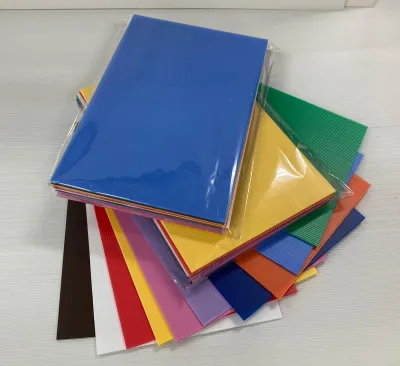
Prices are valid at publication and may change. Please refer to the product page for the latest price.
To determine the required cushioning thickness, you must measure the clearance between the item and the outer walls of the shipping box. A general rule of thumb is to maintain a consistent buffer zone on all six sides of the item, typically ranging from two to five centimetres depending on fragility. If the box is significantly larger than the item, you will need a high volume of void-fill material to prevent the product from sliding. Matching the box-to-item size ratio closely reduces the volume of cushioning required, saving on material costs and keeping the overall package dimensions manageable.
Evaluate Cardboard-Based Cushioning Options
Cardboard-based cushioning has evolved far beyond simple flat sheets, offering highly engineered structures designed for specific protective roles. Honeycomb paper, corrugated inserts, and molded pulp are the primary paper-based options available to shippers. Honeycomb paper features an expandable hexagonal cell structure that mimics natural beehives, providing exceptional vertical compression resistance and load-bearing capacity. Corrugated cardboard inserts are custom-cut or folded to create rigid cells, holding items firmly in place and preventing them from contacting the outer box walls.

These rigid cardboard options are highly effective for heavy, dense, or edge-sensitive items that require firm immobilization. For example, when shipping heavy stationery sets, framed art, or mechanical parts, cardboard inserts act as structural braces. They distribute the weight of the item evenly across a wider surface area, preventing the product from piercing the outer carton during a drop. Molded pulp trays, commonly used for electronics or bottles, hug the contours of the item, providing excellent structural support and preventing lateral movement.
However, cardboard-based cushioning has distinct limitations when exposed to challenging environmental conditions. In high-humidity environments, paper fibers absorb moisture from the air, which significantly reduces their structural rigidity and load-bearing strength. Once damp, cardboard loses its springiness and can collapse under pressure, leaving your items unprotected. Additionally, while cardboard is excellent at absorbing heavy, low-frequency impacts, it is less effective at dampening the high-frequency vibrations experienced on long-distance truck or air journeys, which can scratch delicate surfaces.
Evaluate Plastic-Based Cushioning Options
Plastic-based cushioning materials, including bubble wrap, air pillows, and polyethylene foam, offer versatile protection tailored to delicate and irregularly shaped items. Bubble wrap utilizes sealed air pockets to create a flexible, shock-absorbing blanket that wraps closely around objects of any shape. Polyethylene foam sheets and custom inserts provide dense, resilient cushioning that bounces back repeatedly after multiple impacts, making them ideal for protecting sensitive electronic components and polished surfaces from scratches and vibrations.
Air pillows serve as an exceptionally efficient void-fill solution, designed to occupy large empty spaces inside a shipping box without adding measurable weight. Because they consist mostly of air, they help shippers minimize dimensional weight surcharges, which is a crucial consideration for keeping shipping costs low. However, air pillows are intended primarily to prevent items from shifting; they do not provide the close-conforming surface protection or wrap-around cushioning required for highly intricate or fragile glassware.
The primary advantage of plastic cushioning lies in its complete moisture resistance and superior vibration dampening. Plastic does not absorb water, meaning its protective qualities remain entirely unaffected by rain, humidity, or spills during transit. This makes it the preferred choice for shipping items that are sensitive to moisture damage, such as electronic devices, metal components prone to rust, or fine paper goods. The elastic nature of plastic films allows them to absorb and dissipate high-frequency road vibrations, protecting delicate internal mechanisms from gradual wear.
Compare Cardboard and Plastic for Your Specific Needs
Choosing between cardboard and plastics requires a balanced assessment of your item’s physical profile, the shipping environment, and your operational priorities. A practical decision framework can help streamline this choice. You should generally choose cardboard-based cushioning if your item is heavy, rigid, has sharp edges, or requires structural immobilization within the box. On the other hand, you should opt for plastic-based cushioning if your item is lightweight, highly fragile, sensitive to moisture, or has a polished surface prone to scratching.
Beyond protective performance, you must consider the practical impact of each material on shipping logistics and waste management. Plastic air pillows and lightweight bubble wrap keep the overall package weight to a minimum, which can lower postage costs when shipping rates are calculated by weight. This is particularly important when managing shipping budgets, as keeping package weight low helps avoid high courier surcharges in S$. However, cardboard cushioning is often easier for the end recipient to dispose of, as it can be placed directly into standard paper recycling bins. Plastic cushioning often requires specialized recycling drop-off points, which may cause inconvenience for residential customers.
To help you select the most appropriate material for your specific shipping scenario, the following table compares the performance characteristics of common cardboard and plastic cushioning options:
| Cushioning Material | Primary Material Type | Ideal Item Profile | Key Protective Strength | Environmental Limit |
|---|---|---|---|---|
| Honeycomb Paper | Cardboard | Heavy, flat, or rigid items | High compression resistance | Weakens in high humidity |
| Corrugated Inserts | Cardboard | Edge-sensitive, heavy goods | Structural immobilization | Rigid; can scratch soft finishes |
| Molded Pulp | Cardboard | Contoured, medium-weight items | Form-fitting support | Susceptible to moisture collapse |
| Bubble Wrap | Plastic | Fragile, irregularly shaped items | Surface protection & dampening | Non-biodegradable; bulky to store |
| Air Pillows | Plastic | Lightweight items needing void fill | Minimizes package weight | Vulnerable to sharp punctures |
| Polyethylene Foam | Plastic | Electronics, polished surfaces | Vibration absorption & non-abrasive | Requires specialized recycling |
Verify Packaging Performance Before Dispatch
Once you have selected and applied your cushioning material, you must verify its effectiveness before handing the package over to the carrier. A simple and highly reliable method is the physical shake test. Gently seal the box flaps and shake the package back and forth; if you feel or hear the item shifting inside, the void fill is insufficient. You must add more cushioning material until the item is completely immobilized in the center of the box, ensuring it cannot migrate toward the outer walls during transit.
You should also verify that the cushioning material does not interact negatively with the item’s surface. Some plastic foams can trap moisture against metal parts, potentially leading to corrosion if shipped through humid climates, while rough cardboard fibers can leave fine scratches on acrylic or polished wood. Ensure that highly sensitive surfaces are wrapped in a soft, non-abrasive protective layer, such as acid-free tissue paper or specialized anti-static foam, before applying heavier structural cushioning like corrugated inserts.
Final carrier guidelines should always be reviewed before dispatch. Many logistics providers maintain specific requirements regarding minimum cushioning thickness and box strength, especially for fragile or high-value shipments. Failing to meet these standards can result in the denial of insurance claims if the item is damaged during transit. By aligning your packaging strategy with carrier specifications and performing basic physical checks, you can ship your items with confidence, knowing they are fully protected against the realities of the road.
Frequently Asked Questions (FAQ)
Can I combine cardboard and plastic cushioning in the same box?
Yes, combining cardboard and plastic cushioning is an excellent way to leverage the unique strengths of both materials. For example, you can wrap a delicate item in bubble wrap to protect its polished surface from scratches and absorb high-frequency vibrations, then place it inside a box secured with rigid corrugated cardboard inserts to prevent the item from shifting. This hybrid approach provides both surface-level softness and structural rigidity. However, keep in mind that mixing materials means the end recipient will need to separate the plastic from the cardboard before disposal to ensure proper recycling.
Does honeycomb paper provide the same shock absorption as bubble wrap?
Honeycomb paper and bubble wrap absorb shock differently due to their structural designs. Honeycomb paper relies on a rigid, expandable paper structure that excels at distributing heavy loads and resisting vertical compression, making it ideal for heavier, semi-fragile items. Bubble wrap relies on flexible, air-filled plastic pockets that provide soft, springy cushioning, making it superior for lightweight, highly fragile items like glassware that require gentle deceleration during an impact. Choose honeycomb paper for structural strength and bubble wrap for delicate, surface-sensitive cushioning.
How do I calculate the right amount of cushioning material for my box?
To determine the correct amount of cushioning, start by measuring the dimensions of your item and selecting a shipping box that allows for a minimum clearance of five centimeters on all sides. Multiply the length, width, and height of this clearance zone to estimate the volume of void fill required. For heavy items, choose dense, low-compressibility materials like corrugated inserts or thick foam to prevent the item from crushing the cushion under its own weight. For lighter items, you can use highly compressible materials like air pillows or crumpled paper, ensuring the box is filled completely without bulging.
Community discussion
Share your experience or ask a question. Comments are reviewed before publication.