
The primary difference between carbonless and carbon copy receipt books lies in how the duplicate image is transferred. Traditional carbon copy books use a separate, ink-coated sheet of carbon paper placed between pages, while carbonless (NCR) books use paper coated with microscopic chemical capsules that release dye under pressure. For most modern businesses, carbonless receipt books are often the most practical choice due to their speed, cleanliness, and ease of use. However, traditional carbon copy books still hold value in specific high-temperature or heavy-handling environments where chemical coatings might degrade. Choosing the right type depends on your daily transaction volume, your working environment, and your storage requirements.
Material and Technology Differences: Carbon Copy vs. Carbonless
To make an informed decision, it is essential to understand the physical and chemical mechanisms behind these two paper types. Traditional carbon copy paper relies on a physical transfer system. A separate sheet of paper coated with dark, waxy carbon pigment is placed between the original receipt and the duplicate sheet. Writing on the top sheet transfers this pigment to the page below, creating an exact replica. While highly reliable, this method requires manual setup for each transaction.
In contrast, carbonless paper, often called NCR (No Carbon Required) paper, utilizes a chemical transfer process. The sheets are treated with specialized coatings: the back of the top sheet features micro-encapsulated dye, while the front of the sheet below has a reactive clay coating. Writing on the top sheet breaks these microscopic capsules, releasing dye that reacts with the clay below to form a visible image.
Products mentioned in this guide
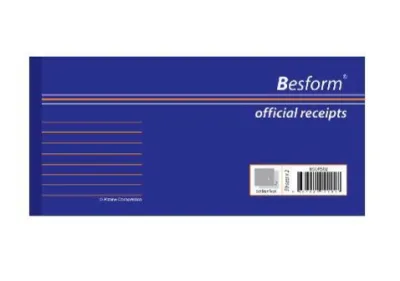
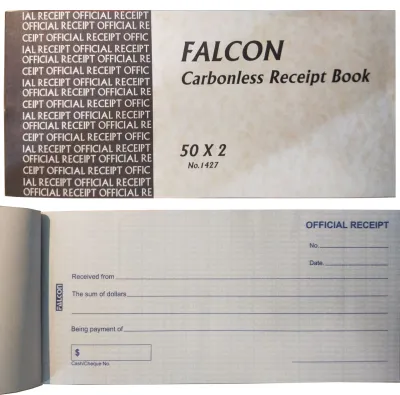
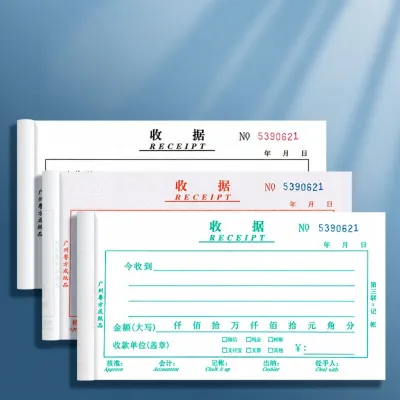
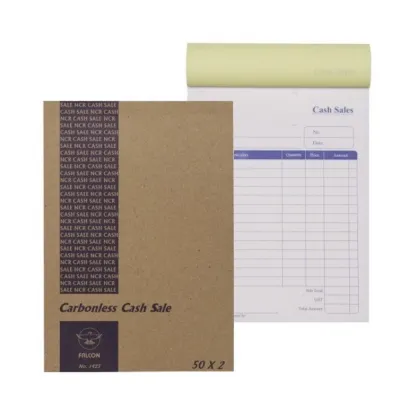
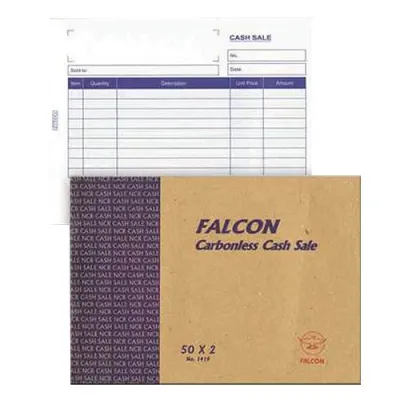
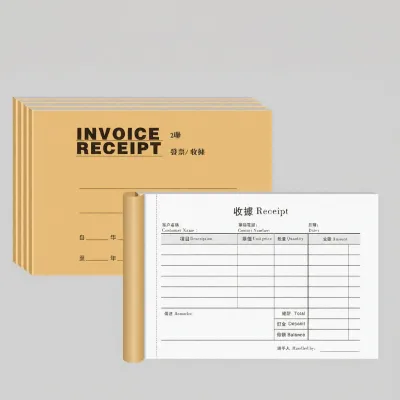
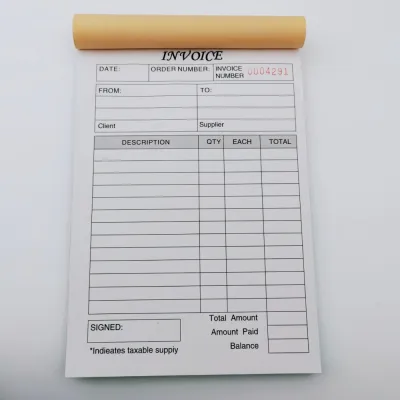
Prices are valid at publication and may change. Please refer to the product page for the latest price.
Despite this chemical process, carbonless paper still requires physical writing pressure to function. It is not a digital or thermal printing process. Without the mechanical pressure of a pen or an impact printer, the micro-capsules will not rupture, and no image will transfer to the duplicate sheets.
Operational Differences: Cleanliness, Clarity, and Handling
The underlying technology directly impacts daily business operations, employee efficiency, and customer experience. One of the most noticeable differences is cleanliness. Traditional carbon paper is notorious for smudging, as the waxy carbon coating easily transfers to fingers, clothing, and counter surfaces. Carbonless paper eliminates this issue entirely. Because the dye is locked inside microscopic capsules and only reacts when ruptured, the paper remains clean to the touch, preventing ink stains.

Copy clarity and writing pressure also differ. Carbonless paper requires firm, consistent pressure to ensure the chemical reaction occurs across all layers. Writing too lightly can result in faint duplicates, especially on triplicate or quadruplicate forms. Traditional carbon paper often yields darker, high-contrast copies with slightly less pressure because the physical pigment transfers readily. However, if the carbon sheet becomes worn or creased, it can leave blank spots or uneven lines.
The number of copies you can produce in a single stack is another factor. Carbonless paper is typically optimized for two-part (duplicate), three-part (triplicate), or four-part (quadruplicate) sets. Attempting to write through five or more carbonless layers often results in illegible bottom copies because pressure dissipates. Traditional carbon paper can sometimes handle thicker multi-ply sets, provided the writing instrument is hard enough and the user applies sufficient force.
Archival stability is vital for businesses retaining physical records for tax purposes. Carbonless copies are sensitive to environmental factors; because they rely on a chemical reaction, images can fade over time when exposed to direct sunlight, high temperatures, or plasticizers in folders. Traditional carbon copies, which use stable carbon pigments, are more resistant to chemical fading. For long-term storage, verify the manufacturer’s specifications regarding archival life.
How to Match the Paper Type to Your Business Needs
Selecting the right receipt book requires analyzing your operational environment, transaction volume, and budget. For high-volume retail, busy cafes, or fast-paced service environments, carbonless receipt books are the preferred choice. In these settings, speed and cleanliness are paramount. Employees do not have to manually reposition a loose sheet of carbon paper between transactions, and customers receive clean, smudge-free receipts, keeping checkout lines moving quickly.
Conversely, field services, logistics, and outdoor environments present different challenges. If your business involves delivery drivers, technicians, or warehouse staff working in extreme temperatures or high humidity, traditional carbon copy books might be worth considering. Carbonless paper can react prematurely or lose sensitivity if exposed to high heat (such as inside a hot delivery vehicle in Singapore’s tropical climate) or moisture. Always check the manufacturer’s environmental limits before deploying books in harsh conditions.
Budget and efficiency trade-offs are also central. Carbonless receipt books generally carry a higher upfront purchase price than traditional carbon copy books due to the chemical coating process. However, this initial cost is often offset by the time saved during daily operations. The labor cost of employees handling slow, messy carbon sheets can quickly surpass the minor price premium of carbonless books, offering an excellent return on investment.
To help guide your decision, consider this quick checklist:
- How many copies do you need per transaction? (If 2 to 4, carbonless is highly suitable; if more, verify legibility limits).
- Is a clean, smudge-free workspace critical for your brand image? (If yes, choose carbonless).
- What are the typical storage and working conditions? (If exposed to high heat or humidity, verify paper specifications).
- What is your transaction volume? (High-volume operations benefit significantly from the speed of carbonless).
Best Practices for Writing, Handling, and Storage
To ensure your receipt books perform reliably, follow several best practices. Pen selection is critical for both paper types. Standard ballpoint pens with medium or fine tips are highly effective writing instruments. The hard, rotating ball of a ballpoint pen concentrates physical pressure onto a tiny area, which is required to rupture the micro-capsules in carbonless paper or transfer the pigment from carbon paper. Avoid using soft felt-tip pens, fountain pens, or light gel pens, and always test a new pen on a spare page.
Proper storage conditions preserve the chemical and physical integrity of your receipt books. Carbonless books should be stored in a cool, dry, and dark environment. Exposure to direct sunlight, ultraviolet light, or high temperatures can cause the chemical coatings to degrade or react prematurely, leading to yellowing or faded copies. Traditional carbon copy books must also be kept away from extreme heat to prevent the waxy carbon layer from melting. Keep all books flat to prevent creasing.
Preventing accidental transfers is another common operational challenge. When writing on the top sheet of a receipt book, the pressure of your pen can easily transfer through to the sheets below, ruining subsequent blank forms. To prevent this, always use a thick cardboard backer or a plastic slip sheet. Most high-quality receipt books include a wrap-around cover or a loose cardboard insert designed specifically for this purpose. Place this divider directly beneath the current duplicate set before writing.
Frequently Asked Questions (FAQ)
Can I use a gel or rollerball pen with carbonless receipt books?
Standard ballpoint pens are highly recommended for carbonless receipt books because they provide the concentrated physical pressure required to rupture the micro-capsules. Gel pens and rollerball pens use liquid or water-based inks that flow easily with minimal pressure. While they may write smoothly on the top sheet, they often fail to transfer a clear, dark image to the duplicate sheets below. Additionally, wet gel inks can smudge on the coated surface of carbonless paper. For the best results, stick to standard ballpoint pens and perform a quick test on a spare page before starting daily operations.
Are carbonless receipt books considered environmentally friendly?
Carbonless receipt books contain specialized chemical coatings, including synthetic dyes and clay reactants, which can complicate standard paper recycling processes. While the paper base itself is recyclable, some local recycling facilities in Singapore may classify heavily coated carbonless paper as non-recyclable due to these chemical additives. To minimize your environmental impact, look for manufacturers that offer carbonless books made from FSC-certified (Forest Stewardship Council) paper and those labeled as BPA-free and BPS-free. Always check with your local recycling guidelines to determine how to properly dispose of used receipt book scraps.
Community discussion
Share your experience or ask a question. Comments are reviewed before publication.