
Quick Answer: Which Moving Wrap Should You Use?
Choosing the right moving wrap is the foundation of a successful, damage-free relocation. To make an immediate decision, match your items to these three primary materials based on their specific vulnerabilities:
- Bubble Wrap: Select this material if you are packing fragile, high-value, or shock-sensitive items like glassware, ceramics, electronics, and delicate artwork. The air-filled bubbles act as miniature shock absorbers against sudden impacts.
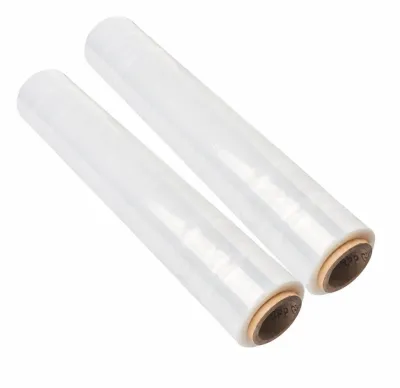
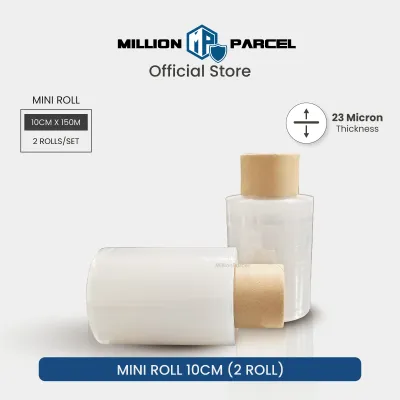
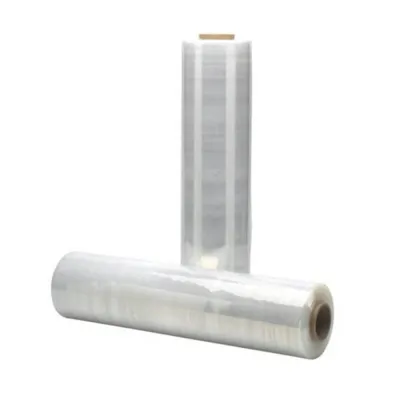
- Stretch Wrap: Choose this thin, elastic plastic film if you need to secure moving parts (like cabinet doors or dresser drawers), bundle loose items (such as broom handles or table legs), or protect belongings from dust, dirt, and light moisture.
- Furniture Wrap (Pads or Blankets): Opt for these thick, quilted fabric covers when moving large, heavy, or finished items like wooden tables, upholstered sofas, and metal bed frames. They provide a heavy-duty barrier against deep scratches, dents, and structural scuffs.
Before applying any plastic-based wrap, verify whether your items have sensitive finishes—such as oil-rubbed wood, antique lacquer, or genuine leather—that can react negatively to direct, prolonged plastic contact.
Material Breakdown: Bubble Wrap, Stretch Wrap, and Furniture Wrap
During a move, your belongings are subjected to constant physical stress, including engine vibrations, sudden braking, and shifting loads inside the moving vehicle. No single packaging material can address every type of transit hazard. Understanding the physical structure and protective mechanisms of bubble wrap, stretch wrap, and furniture wrap allows you to select the precise tool for each packing challenge.
Products mentioned in this guide
![[Hommly SG Instock] Shrink Wrap | Stretch Film | Cling Wrap | Pallet Furniture Wrap | Plastic Wrap | Plastic Film|Moving](https://img.lazcdn.com/g/p/e09c6c058a9d85d92a83a2dc21a98bbc.jpg_400x400q80.jpg_.webp)
![🏅[CHEAPEST] Stretch Film/ Shrink Wrap / Cling Wrap /Pallet wrapping /Moving Supplies/pallet Wrap/Pallet wrapping](https://img.lazcdn.com/g/p/c69357eb04f4e35ac9ee2d124f108fda.jpg_400x400q80.jpg_.webp)
Prices are valid at publication and may change. Please refer to the product page for the latest price.

Bubble Wrap: Air-Cushioned Shock Protection
Bubble wrap relies on sealed air pockets distributed evenly across a flexible polyethylene sheet to absorb and dissipate kinetic energy. When an external force impacts the wrapped item, the trapped air compresses, cushioning the object from the shock.
When purchasing bubble wrap, check the manufacturer specifications for bubble size. Small bubbles (typically around 10 millimeters in diameter) are designed for wrapping lightweight, delicate items like cups, figurines, and small electronics. Large bubbles (typically 25 millimeters or larger) provide a thicker cushion, making them ideal for lining boxes, wrapping heavy pottery, or filling empty voids inside shipping cartons. For sensitive electronic components, look for anti-static bubble wrap—usually tinted pink—which prevents electrostatic discharge from damaging internal circuitry.
Stretch Wrap: Tension-Based Securing and Moisture Barrier
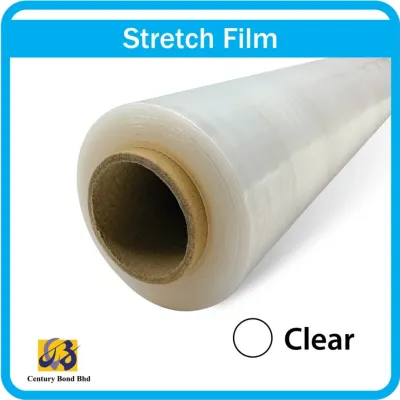
Stretch wrap, often made from linear low-density polyethylene (LLDPE), relies on elastic recovery rather than cushioning. When pulled tightly around an object, the film attempts to return to its original size, creating a constant, constrictive tension that binds items together. It clings to itself without leaving sticky adhesive residue behind.
This material is available in various thicknesses, or gauges. Thinner wraps are highly flexible and suitable for light bundling, while thicker, heavy-duty wraps resist punctures from sharp corners. For ease of application, you can choose between rolls with extended cardboard handles for manual wrapping or standard core rolls designed for use with reusable plastic dispensers. Always check the stretch limits indicated on the packaging; over-stretching the film beyond its rated capacity can cause it to snap unexpectedly during application.
Furniture Wrap: Thick Padding for Scratch and Dent Prevention
Furniture wrap, commonly referred to as moving blankets or quilted pads, consists of thick layers of woven or non-woven fabric—often a durable blend of cotton and polyester—stitched together in a quilted pattern. This dense structure is designed to absorb heavy abrasions and distribute localized pressure across a wider surface area, preventing deep dents and gouges.
These wraps are typically sold in standard dimensions, such as 1.8 meters by 2.0 meters, allowing them to drape completely over large appliances and furniture pieces. Because furniture blankets do not have built-in adhesives or cling properties, they require secondary securing methods. You will need to use heavy-duty packing tape, elastic moving bands, or stretch wrap to hold the padding firmly in place during transit.
Comparing Protection Levels for Specific Belongings
To optimize your packing strategy, you must match the physical vulnerabilities of your belongings with the specific strengths of each wrap. The table below outlines the recommended wrap types and primary benefits for common household item categories.
| Item Category | Recommended Wrap Type | Primary Benefit |
|---|---|---|
| Glassware & Ceramics | Bubble Wrap | Absorbs direct impact and prevents clinking |
| Drawers & Cabinet Doors | Stretch Wrap | Keeps moving parts closed without adhesive residue |
| Wooden Tables & Chairs | Furniture Wrap (Blanket) | Prevents deep scratches and structural dents |
| Upholstered Sofas | Stretch Wrap over Furniture Wrap | Blocks dust, dirt, and moisture while providing padding |
| Cables & Small Bundles | Stretch Wrap | Keeps loose items organized and tangle-free |
| Delicate Electronics | Anti-Static Bubble Wrap | Dissipates static electricity and cushions delicate screens |
While single-material wrapping works well for straightforward items, complex or highly valuable belongings often require strategic layering. For example, wrapping a delicate wooden dresser requires a base layer of breathable fabric or a furniture blanket to protect the wood finish, followed by an outer layer of stretch wrap to secure the blanket and keep the drawers shut.
Be highly cautious with items that should never come into direct contact with plastic wraps. In warm or humid environments, such as Singapore’s tropical climate, trapping moisture under non-breathable plastic can cause wood finishes to cloud, warp, or develop mold. Leather upholstery can also sweat and crack under direct plastic wrap. Always use a breathable fabric barrier, such as a cotton sheet or a dedicated furniture pad, as the first layer.
Cost, Efficiency, and Environmental Considerations
Evaluating the practical trade-offs of each material involves looking beyond the initial purchase price to consider reusability, storage, and environmental impact. Stretch wrap is highly cost-efficient for covering large surface areas and bundling loose items, but it is strictly a single-use plastic that must be discarded after the move.
In contrast, high-quality furniture pads represent a higher upfront investment but offer exceptional long-term value. These durable blankets can be washed, folded, and reused for future relocations, DIY projects, or as protective floor covers during home renovations. However, they require dedicated storage space and must be kept in a dry, well-ventilated area to prevent musty odors and mildew from developing in humid climates.
When disposing of moving wraps, check local recycling guidelines. In Singapore, clean plastic stretch wrap and bubble wrap made from low-density polyethylene (LDPE, recycling code 4) can often be recycled at designated plastic collection points or clean recycling bins, provided they are free from adhesive tape and dirt. Dirty, torn, or heavily taped plastics should be disposed of in the general waste to avoid contaminating recycling streams. For an eco-friendly alternative, consider paper-based bubble wraps or reusable quilted pads made from recycled textile fibers.
How to Combine Wraps for Maximum Protection
The key to professional-grade packing is understanding how different materials interact. The fundamental rule of multi-material packing is “cushion first, secure second.” This means any material designed to absorb shock or prevent surface scratches must be applied directly to the item before you apply securing films.
For instance, when packing a valuable framed painting, you should first wrap the frame in bubble wrap to cushion the glass and corners. Once the cushioning layer is complete, wrap the entire bundle in stretch wrap. The stretch wrap applies even tension, keeping the bubble wrap from shifting or sliding off without the need to apply adhesive tape directly to the frame.
When protecting large wooden furniture, drape a thick furniture pad over the top and sides of the piece. Next, wrap stretch film around the perimeter of the padded furniture. This technique holds the heavy blanket tightly against the wood, preventing it from slipping during transport, while ensuring no sticky tape touches the delicate wood finish.
However, you must avoid over-tightening stretch wrap when applying it over bubble wrap. Because stretch wrap exerts significant compressive force, pulling it too tight can pop the individual air bubbles. This flattens the cushioning layer and severely reduces its ability to absorb shocks during transit. Apply just enough tension to secure the layers without compressing the air pockets.
Step-by-Step Wrapping Techniques for Common Items
Applying moving wraps correctly requires a systematic approach to ensure maximum protection and safety. Before you begin wrapping any item, ensure its surfaces are completely clean and dry. Dust, grit, and moisture trapped beneath plastic or fabric wraps can act as abrasives, scratching polished surfaces as the item vibrates during transport.
Wrapping Fragile Dishware and Glassware
To wrap plates and bowls safely, place a roll of small-bubble wrap on a flat work surface. Lay a single plate near one corner of the sheet and fold the bubble wrap diagonally over the plate until it is fully covered. Place a second plate on top and repeat the process, creating a cushioned stack of no more than three or four plates.
Secure the entire bundle with a small piece of packing tape, ensuring the tape only adheres to the bubble wrap itself, never to the ceramic surface. For hollowware like wine glasses, fill the internal cavity with crumpled packing paper first to reinforce the structure, then wrap the exterior in two layers of bubble wrap. Perform a quick visual check to ensure there are no exposed edges or loose corners before placing the items vertically into a sturdy, padded moving box.
Securing Dressers, Cabinets, and Moving Parts
Before wrapping a dresser or cabinet, remove all loose items from the drawers and shelves. Close the drawers completely. Start applying stretch wrap at the bottom of the furniture piece, wrapping around the entire perimeter at least three times to establish a secure anchor.
Work your way upward, overlapping each layer of stretch wrap by about fifty percent to create a continuous, strong sleeve. Ensure the wrap covers all drawer fronts and cabinet doors, holding them firmly against the frame. Cut the film and press the loose end firmly against the wrapped body; the static cling will hold it in place. Once wrapped, gently press on the drawers and doors to verify they cannot slide open, and check that the tension is distributed evenly so it does not warp or bend delicate decorative trim.
Frequently Asked Questions (FAQ)
Can I use stretch wrap directly on wood furniture?
It is highly recommended to avoid applying stretch wrap directly to wood furniture, especially pieces with delicate varnish, lacquer, or oil finishes. In humid climates like Singapore’s, temperature fluctuations during a move can cause moisture to condense beneath the non-breathable plastic film. This trapped moisture can cause the wood to swell, warp, or develop cloudy white spots in the finish. Additionally, the plasticizers in some stretch films can chemically react with certain furniture finishes over time, leaving permanent marks. Always use a breathable barrier, such as a cotton sheet or a quilted furniture pad, as the first layer before securing it with stretch wrap.
Is bubble wrap or packing paper better for packing plates?
Both materials serve distinct purposes, and the best choice depends on the fragility and weight of your plates. Bubble wrap offers superior shock absorption, making it the ideal choice for heavy stoneware, valuable porcelain, or highly fragile glass plates that are susceptible to impact damage. Packing paper, on the other hand, is excellent for preventing micro-scratches on fine china and takes up significantly less space, allowing you to pack more plates per box. For the ultimate protection, use packing paper as an initial wrap to prevent scratches, and use bubble wrap to line the bottom and sides of the moving box to absorb external shocks.
Community discussion
Share your experience or ask a question. Comments are reviewed before publication.