
Selecting the right wrapping plastic is a critical decision that directly impacts whether your items arrive at their destination intact or damaged. The ideal choice depends entirely on the specific vulnerabilities of your items and the physical stresses they will face during transit. There is no single universal material; bubble wrap excels at absorbing shocks for fragile goods, stretch wrap is essential for securing loads and preventing shifting, and foam wrap provides excellent surface protection against scratches. Your choice should be driven by whether your primary need is impact cushioning, load stabilization, or surface preservation, often requiring a combination of materials for optimal results.
Understanding the Core Differences in Protective Plastics
To make an informed decision, it is essential to understand how these three packaging plastics function on a physical level. Each material is engineered with a distinct structure designed to address specific types of transit hazards, from sudden drops to continuous vibration.
Bubble wrap relies on sealed air pockets trapped between layers of thin polyethylene film. These pockets act as miniature air cushions that distribute external forces. When an external impact occurs, the air inside the bubbles compresses, absorbing and dispersing the kinetic energy before it can reach the wrapped item. This makes it highly effective for fragile items that cannot withstand sudden shocks.
Products mentioned in this guide
![🏅[CHEAPEST] Stretch Film/ Shrink Wrap / Cling Wrap /Pallet wrapping /Moving Supplies/pallet Wrap/Pallet wrapping](https://img.lazcdn.com/g/p/c69357eb04f4e35ac9ee2d124f108fda.jpg_400x400q80.jpg_.webp)
Prices are valid at publication and may change. Please refer to the product page for the latest price.
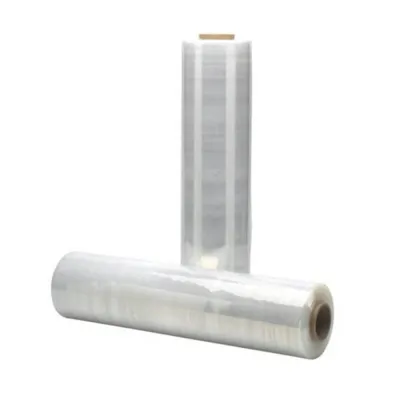
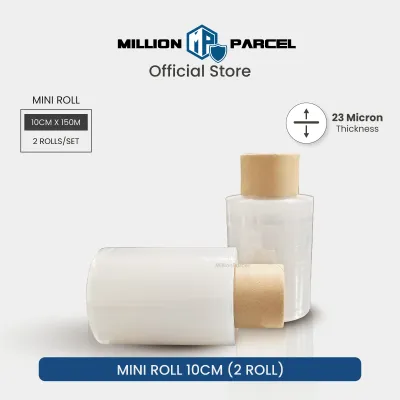
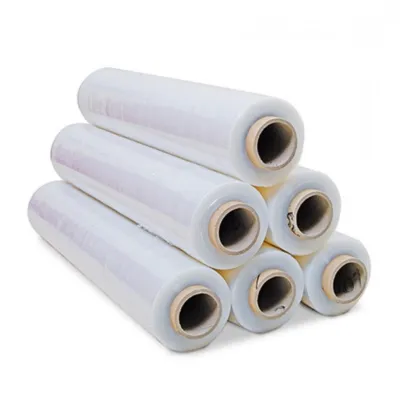
Stretch wrap, on the other hand, is a highly elastic plastic film typically made from linear low-density polyethylene (LLDPE). Unlike bubble wrap, it does not contain air pockets and offers no cushioning. Instead, it relies on elastic memory; when stretched tightly around items, it constantly tries to return to its original size. This continuous tension binds items together, providing load containment and preventing shifting during transport.
Foam wrap is made from expanded polyethylene (EPE) or similar closed-cell structures, consisting of millions of tiny, independent air cells. This cross-linked structure provides a smooth, non-abrasive surface that cushions against light impacts while preventing friction. It is highly flexible and conforms easily to complex shapes without adding the significant bulk associated with bubble wrap.
Key Decision Factors for Selecting Wrapping Plastic
Before purchasing wrapping plastic, evaluating the specific requirements of your items will help you avoid under-protecting fragile goods or over-packaging sturdy items. Consider these four primary dimensions when planning your packaging strategy.

First, assess the item’s fragility and impact resistance. Glassware, ceramics, and delicate electronics require high shock absorption to survive drops and vibrations. Sturdy goods like books, metal tools, or plastic containers do not need cushioning but may require containment to keep them organized and clean.
Second, identify surface sensitivity and friction risks. Polished wood, high-gloss plastics, and painted metals are highly susceptible to scuffs and scratches. Even the plastic of bubble wrap can leave circular marks on highly sensitive finishes under pressure, making smooth foam wrap a safer choice for direct contact with the item’s surface.
Third, determine the load stabilization requirements. If you are moving multiple boxes on a pallet, bundling loose items like pipes, or securing flat-packed furniture, you must prevent shifting. Shifting causes items to collide inside a vehicle, which is a primary cause of transit damage.
Fourth, consider storage space constraints and material thickness. Bubble wrap is bulky and requires significant storage space in your packing area. Foam wrap is flatter and easier to store in tight spaces, while stretch wrap rolls are highly compact and highly efficient for high-volume packing environments.
When to Use Bubble Wrap for Packaging
Bubble wrap is the industry standard for shock absorption, making it the ideal choice when physical impact is the primary threat to your shipment.
This material is highly suited for fragile, irregularly shaped, or heavy items such as glassware, pottery, delicate instruments, and electronic components. The air pockets conform to irregular shapes, filling voids inside outer boxes and preventing the item from moving within the carton.
However, bubble wrap has distinct limitations. It is not suitable for highly sensitive high-gloss surfaces, as the heat-sealed bubble patterns can transfer or leave temporary circular marks under pressure. It also adds substantial volume to your packaging, which can increase shipping costs if your carrier calculates rates based on dimensional weight.
When using bubble wrap, perform a few quick verification checks to ensure adequate protection:
- Bubble Size: Use small bubbles (typically around 6mm height) for lightweight items and close-fitting protection. Use large bubbles (typically 12mm to 25mm height) for heavy items and to fill large empty spaces inside cartons.
- Layering: Ensure you use at least two full layers of wrap for fragile items, with the bubbles facing inward toward the item for optimal cushioning.
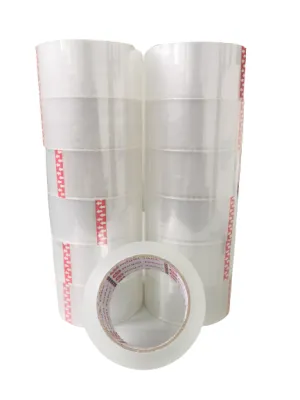
- Sealing: Secure all edges with high-tack packaging tape to prevent the wrap from sliding off during handling.
When to Use Stretch Wrap for Packaging
Stretch wrap is designed for containment and surface cleanliness rather than cushioning, making it indispensable for logistics and bundling.
This material is highly effective for bundling multiple boxes together, securing pallet loads, and protecting items from dust, dirt, and light moisture during storage or transit. It is also excellent for keeping drawers and doors closed on furniture during a move without leaving adhesive residue.
Its primary limitation is that it provides virtually no impact absorption. If a wrapped item is dropped, stretch wrap will keep the pieces together but will not prevent them from breaking. It should never be used as the sole protective layer for fragile items.
To apply stretch wrap effectively, verify the following specifications:
- Film Thickness: Thinner films (around 12 to 15 microns) are suitable for lightweight, uniform loads. Thicker films (20 microns and above) are necessary for heavy, irregular, or sharp-edged loads to prevent tearing.
- Stretch Capacity: Ensure the film is stretched to at least 50% of its original length during application to activate its elastic memory and secure the load tightly.
- Application Method: Determine if you need manual hand rolls with extended cores for easy gripping, or if the volume of packaging requires a mechanical turntable dispenser.
When to Use Foam Wrap for Packaging
Foam wrap is the premier choice for surface preservation, offering a gentle barrier against friction and light impacts.
This material is highly suited for protecting surface-sensitive items like polished metals, glass sheets, mirrors, and high-gloss plastics from scratches, scuffs, and minor abrasions. It is highly effective as an interleaving layer between stacked plates, frames, or tiles, preventing them from rubbing against each other.
However, foam wrap offers less heavy-impact resistance compared to thick bubble wrap. If a heavy item is dropped, thin foam wrap will compress completely, transferring the force directly to the item. It may require supplementary corner protectors or rigid outer packaging for heavy or highly fragile items.
Before wrapping, verify these material characteristics:
- Material Thickness: Thin foam (0.5mm to 1mm) is excellent for interleaving and light scratch protection. Thicker foam (2mm to 5mm) provides moderate cushioning for heavier items.
- Density: Ensure the foam density is sufficient to support the weight of the item without flattening completely under static load.
- Structural Support: Check if the foam needs to be combined with rigid cardboard dividers or outer cartons to maintain structural integrity during transit.
Comparison Matrix: Matching Materials to Packaging Needs
This comparison matrix helps you quickly match your specific packaging requirements to the most appropriate wrapping plastic.
| Material | Primary Function | Best Suited For | Impact Protection | Bulk & Storage Impact |
|---|---|---|---|---|
| Bubble Wrap | Shock absorption and void fill | Fragile, heavy, or irregular items | High | High (requires significant storage space) |
| Stretch Wrap | Load containment and bundling | Pallets, boxes, and dust protection | Negligible | Low (compact rolls) |
| Foam Wrap | Surface protection and interleaving | Polished surfaces, glass, and stacked items | Moderate | Medium (flat sheets or rolls) |
Use this simple decision framework to guide your packaging process:
- Choose bubble wrap if your primary goal is to protect fragile items from drops, vibrations, and heavy impacts.
- Choose stretch wrap if you need to bundle multiple items together, secure a pallet, or protect goods from dust and moisture.
- Choose foam wrap if you need to prevent scratches on polished, painted, or highly sensitive surfaces.
- Combine materials if your items require both surface protection and heavy impact cushioning, such as wrapping a polished wooden sculpture in foam wrap first, followed by a layer of bubble wrap.
Frequently Asked Questions (FAQ)
Can I combine different wrapping plastics for better protection?
Yes, combining materials often yields the best results for complex or highly valuable items. A common professional strategy is to wrap the item first in foam wrap to protect its sensitive surfaces from scratches and bubble marks. Next, apply a layer of bubble wrap over the foam to provide shock absorption against drops. Finally, use stretch wrap around the outer carton or bundle to secure the entire package and protect it from moisture and dust.
How do I determine the right thickness or bubble size for my items?
To determine the correct specifications, evaluate the weight and fragility of your item. Lightweight, delicate items like small glassware are best protected by small bubble wrap or thin foam wrap (1mm). Heavy, robust items requiring void fill inside a box need large bubble wrap (12mm to 25mm). For stretch wrap, heavy items with sharp corners require a higher thickness (at least 20 microns) to prevent the film from puncturing during transit.
Are these protective plastics recyclable in Singapore?
In Singapore, clean and dry plastic wraps, including bubble wrap, stretch wrap, and clean foam wrap, are generally made from low-density polyethylene (LDPE, Resin Code 4) or high-density polyethylene (HDPE, Resin Code 2). While these materials are technically recyclable, they should not be placed in the blue domestic recycling bins if they are contaminated with food or adhesive tape. You should check the resin identification code on the material and consult the National Environment Agency (NEA) guidelines or look for designated soft plastic recycling points at local supermarkets and community hubs.
Community discussion
Share your experience or ask a question. Comments are reviewed before publication.