
Choosing the right moving wrap is the difference between opening a box of intact memories and unpacking a heap of shattered glass or ruined finishes. While bubble wrap, stretch wrap, and foam wrap are all essential packaging materials, they serve entirely different protective roles. Using the wrong wrap can lead to surface scratches, trapped moisture, or structural damage during a move.
To ensure your belongings arrive safely at your new home, you must match each item’s physical vulnerabilities to the specific properties of these wrapping materials. This guide breaks down the core differences, offers an item-by-item packing strategy, and provides a clear decision framework to help you choose the best moving wrap for your needs.
Quick Guide: Matching Moving Wraps to Your Belongings
When packing for a move, a single type of wrap is rarely sufficient. Different materials must be paired to address distinct risks, such as impact shock, surface abrasion, and environmental exposure. The table below outlines the recommended primary and secondary wraps for common household categories.
Products mentioned in this guide
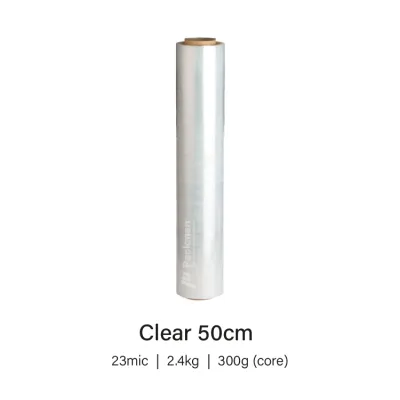
Prices are valid at publication and may change. Please refer to the product page for the latest price.
| Item Category | Primary Wrap | Secondary Wrap | Key Protection Goal |
|---|---|---|---|
| Fragiles (Glassware, Ceramics, Mirrors) | Foam Wrap | Bubble Wrap (Small/Large) | Shock absorption and scratch prevention |
| Furniture & Appliances (Wood, Leather) | Moving Blankets / Foam | Stretch Wrap (Outer only) | Moisture control and surface protection |
| Electronics & Screens | Anti-Static Foam | Bubble Wrap (Outer layer) | Static prevention and impact protection |
| Artwork & High-Gloss Surfaces | Glassine Paper / Foam | Bubble Wrap (Outer layer) | Impression prevention and cushioning |
| Bundled Goods (Cables, Loose Parts) | Stretch Wrap | None | Securing parts and dust prevention |
Achieving optimal protection often requires a layered approach. For example, placing a soft foam wrap directly against a delicate surface prevents scratches, while an outer layer of bubble wrap absorbs heavy physical impacts. This dual-layer method ensures that the item is protected from both friction and sudden drops.
It is important to remember that moving wrap is only one component of a safe packing system. Even the most thoroughly wrapped item can break if it is placed in an oversized box where it can shift freely. Proper box sizing, sturdy double-walled corrugated cardboard, and generous void fill—such as crumpled packing paper or packing peanuts—are equally critical to securing your belongings.
Understanding the Core Differences: Bubble, Stretch, and Foam Wraps
To build an effective packing strategy, you must first understand how each material behaves under tension, pressure, and environmental changes. Each wrap has a distinct structural design that dictates its strengths and limitations.

Bubble Wrap: Air-Cushioned Shock Absorption
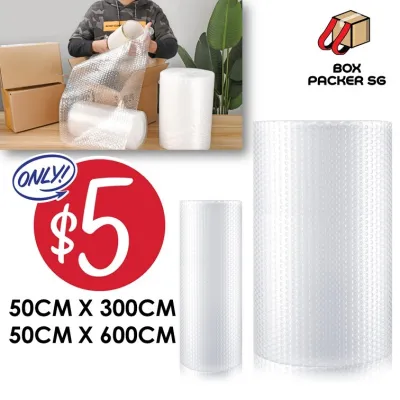
Bubble wrap relies on regularly spaced, air-filled hemispheres sealed between layers of polyethylene film. These trapped air pockets act as miniature shock absorbers, compressing under pressure to dissipate kinetic energy and distribute impact forces away from the enclosed item. This makes bubble wrap the premier choice for absorbing sudden drops, vibrations, and jolts during transit.
When sourcing bubble wrap, you must choose between different bubble sizes, which typically range from small (10mm diameter, 4mm height) to large (25mm diameter, 12mm height). Small bubbles are highly flexible and conform easily to the complex curves of delicate items like wine glasses or small figurines. Large bubbles are bulkier and less flexible, making them ideal for wrapping heavy, robust items or acting as a lightweight void fill to prevent items from shifting inside a box.
Despite its excellent cushioning, bubble wrap has notable limitations. It is highly bulky, meaning wrapped items require significantly more box space. Additionally, under heavy weight or high temperatures, the circular plastic bubbles can leave permanent, unsightly impressions on soft plastics, leather, or varnished wood surfaces. It also offers poor protection against fine surface scratches if dust or grit gets trapped between the hard plastic bubbles and a delicate finish.
Stretch Wrap: Surface Protection and Bundling
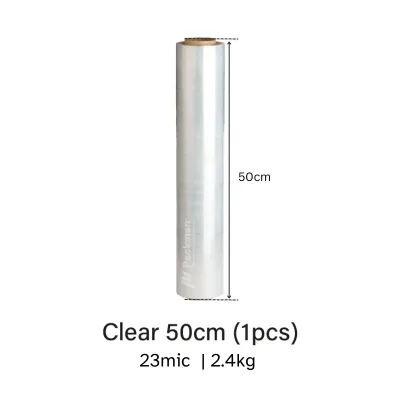
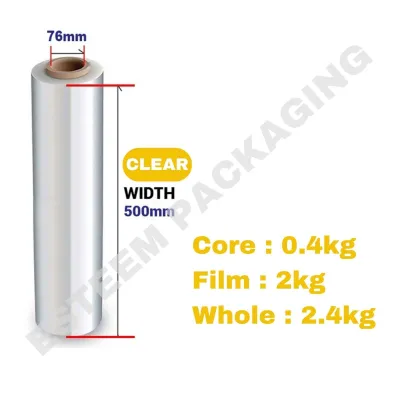
Stretch wrap, often referred to as tension or cling film, is a highly elastic plastic film typically made from linear low-density polyethylene (LLDPE). Unlike bubble wrap, stretch wrap provides zero shock absorption or impact cushioning. Its primary function is to cling tightly to itself when wrapped under tension, creating a secure, form-fitting barrier.
This material excels at bundling loose items together, keeping cabinet doors and dresser drawers firmly closed, and securing protective moving blankets around large furniture. It also provides an excellent shield against dust, dirt, and minor moisture, ensuring your items remain clean during the loading and unloading process.
Because stretch wrap is inexpensive and easy to apply, some packers mistakenly use it as a substitute for cushioning materials. Wrapping a fragile ceramic vase tightly in stretch wrap will only hold the broken pieces together if it is dropped; it will not prevent the shatter. Always restrict stretch wrap to bundling, securing, and surface-sealing duties.
Foam Wrap: Soft, Scratch-Free Cushioning
Foam wrap is manufactured from expanded polyethylene (EPE) into thin, lightweight, and highly pliable sheets. Unlike the rigid plastic film used in bubble wrap, EPE foam has a soft, velvety texture that is completely non-abrasive. This makes it the ultimate material for preventing surface scratches, scuffs, and micro-abrasions on highly sensitive finishes.
Foam wrap is ideal for protecting high-gloss lacquer, polished metals, glass table tops, and delicate wood veneers. Because it does not contain air bubbles that concentrate pressure on specific spots, it will not leave circular imprints or chemical residues on your items, even when packed tightly under pressure or exposed to elevated temperatures.
However, foam wrap has lower overall impact resistance compared to thick bubble wrap. Standard foam sheets range from 1mm to 3mm in thickness, which is insufficient for absorbing heavy shocks from drops. Consequently, foam wrap is best utilized as a primary contact layer directly against the item’s surface, with bubble wrap or sturdy cardboard added on top to handle the heavy impact protection.
Item-by-Item Packing Strategy: Protecting Specific Categories
Applying these material properties to specific packing scenarios ensures that your belongings are protected according to their unique vulnerabilities.
Fragile Items (Glassware, Ceramics, Mirrors)
Fragile household items are highly susceptible to both surface scratches and structural shattering. To pack these safely, start by wrapping each item individually in a layer of foam wrap or small-bubble wrap. When using bubble wrap, always face the bubbles outward; this keeps the flat, smooth side of the plastic against the item, reducing the risk of bubble impressions and providing a more uniform protective barrier.
Never allow glass-to-glass or ceramic-to-ceramic contact. If you are packing plates, place a sheet of foam wrap between each plate before stacking them vertically on their edges, as plates are stronger on their edges than when stacked flat. For mirrors and glass table tops, tape a large “X” across the glass surface with low-tack painter’s tape to help absorb vibrations, cover the surface with foam wrap, add rigid cardboard corner protectors, and wrap the entire assembly in large-bubble wrap.
Once wrapped, place these items into rigid, double-walled corrugated boxes. Fill all remaining empty spaces with crumpled packing paper or packing peanuts until there is absolutely no movement inside the box. Gently shake the closed box before sealing it; if you hear or feel any shifting, open it and add more void fill.
Furniture and Large Appliances
Large furniture and appliances require protection against cosmetic scratches, structural dents, and moving parts that can swing open during transit. Begin by securing all moving parts, such as cabinet doors, refrigerator doors, and dresser drawers, using stretch wrap. This keeps them tightly closed without leaving adhesive residue behind, which standard packing tape would do.
Before wrapping the entire piece, protect sharp corners, delicate legs, and polished surfaces. Place foam wrap or cardboard corner guards on all sharp edges, and wrap delicate wooden legs in foam wrap or heavy-duty moving blankets. If you apply stretch wrap directly over sharp corners under high tension, the plastic can easily cut through and damage the wood finish beneath.
In highly humid climates like Singapore, trapping moisture is a severe hazard for furniture. Wrapping solid wood or leather furniture directly in stretch wrap for extended periods creates a non-breathable seal. The trapped ambient humidity can cause wood to warp, cloud lacquer finishes, or promote rapid mold and mildew growth. To prevent this, always wrap wood and leather in breathable cotton moving blankets or foam wrap first, and only use stretch wrap on the outside to secure the blankets in place.
Electronics and Screens
Packing modern electronics requires careful management of static electricity, heat, and pressure-sensitive components. Standard plastic bubble wraps and stretch wraps easily generate static electricity through friction during transit. This electrostatic discharge can permanently damage sensitive internal circuit boards and microchips.
To protect your electronics, always use anti-static foam wrap (typically tinted pink or blue) as the primary wrapping layer. Anti-static foam is treated with chemical agents that prevent the buildup of static charges. If you do not have anti-static foam, utilize the original manufacturer packaging, which is custom-molded to protect the specific device from both static and physical shock.
Electronic screens, such as those on televisions and computer monitors, are highly sensitive to localized pressure. Pressing standard bubble wrap directly against an unprotected screen can cause the individual bubbles to exert uneven pressure, potentially damaging the liquid crystal layer or leaving permanent circular marks. Wrap the screen in a soft sheet of anti-static foam first, place a rigid piece of flat cardboard over the screen area to distribute external pressure, and then wrap the entire unit in bubble wrap for impact protection.
Artwork, Frames, and High-Gloss Surfaces
Artwork, oil paintings, and high-gloss varnished frames require specialized care because standard plastics can chemically react with paint and lacquer. Under the heat and pressure of a move, standard bubble wrap or stretch wrap can stick to, melt into, or peel away delicate oil paint, glossy photographic paper, or fresh varnishes, causing irreversible damage.
Never allow plastic wraps to come into direct contact with the face of a painting or a glossy photograph. Instead, use glassine paper or acid-free archival paper as the primary contact layer. Glassine is a smooth, translucent paper that is resistant to water, air, and grease, making it safe for delicate surfaces. Secure the glassine paper in place, and then wrap the item in soft foam wrap or bubble wrap to provide the necessary cushioning.
For high-value, antique, or irreplaceable artwork, consumer-grade wraps may not offer sufficient protection. In these cases, it is highly recommended to consult professional art handlers. They can construct custom wooden crates and utilize museum-grade, chemically inert packing materials to guarantee the safety of your collection.
Decision Framework: How to Choose the Right Wrap
To simplify your packing process, use this conditional decision framework to select the appropriate material based on your specific item and moving conditions:
- Choose Bubble Wrap if: You are packing highly breakable, non-surface-sensitive items (such as ceramic mugs, glass vases, or heavy non-polished items) that require maximum shock absorption during transit, and you have sufficient box space to accommodate the extra bulk.
- Choose Stretch Wrap if: You need to bundle loose objects together, secure moving blankets around large furniture, keep cabinet doors and drawers shut, or protect clean surfaces from dust and moisture, and you do not require any impact cushioning.
- Choose Foam Wrap if: You are packing items with delicate, easily scratched, or high-gloss finishes (such as polished wood tables, metal sculptures, or screens) where standard plastic wraps might leave impressions, trap static, or cause surface abrasion.
- Verify first if: You are packing high-value electronics, antiques, fine art, or items with specialized manufacturer care instructions. Always check the manufacturer's guidelines or consult a professional packing service before applying any adhesive or tight-fitting plastics.
Common Packing Mistakes and Safety Boundaries
One of the most damaging packing mistakes is trapping moisture under stretch wrap. This is particularly problematic in tropical environments where humidity levels are consistently high. Wrapping damp items, untreated wood, or genuine leather tightly in stretch wrap will trap moisture against the material, leading to wood warping, finish clouding, and mold growth within a matter of days. Always ensure your items are completely dry, and use breathable materials like cotton sheets or moving blankets as a base layer.
Another common hazard is heat-induced damage. When bubble wrap is exposed to high temperatures—such as inside a shipping container or a moving truck parked in the sun—the polyethylene plastic can soften. Under pressure, these softened bubbles can fuse or stick to varnished, painted, or lacquered surfaces, leaving a permanent textured pattern that is incredibly difficult to remove without refinishing the item.
Many packers also fall victim to the misconception that “more wrap equals more safety.” Over-wrapping items with excessive layers of bubble wrap makes them bulky and irregularly shaped. This often prevents them from fitting properly into standard moving boxes, forcing packers to squeeze them in. This structural pressure actually increases the risk of crushing when boxes are stacked on top of one another in the moving truck. Focus on targeted, efficient wrapping and proper box fit instead.
Finally, establish a clear safety boundary for your move. If you are handling items of high monetary, historical, or sentimental value—or if you are unsure of how a specific material or finish will react to plastic wraps—stop immediately. Do not attempt to pack these items with standard consumer-grade wraps. Consult a qualified professional packer or moving service to ensure they are packed using specialized, museum-grade techniques.
Frequently Asked Questions (FAQ)
Can I use stretch wrap directly on wooden furniture?
No, wrapping stretch wrap directly on wooden furniture is not recommended, especially in humid climates. Stretch wrap is non-breathable and traps ambient moisture against the wood. This can ruin the wood finish, cause cloudiness (blushing), or encourage mold growth. Always use a breathable layer, such as a cotton moving blanket or foam wrap, before securing it with stretch wrap.
Is bubble wrap safe for all electronic screens?
Standard bubble wrap is not safe for direct contact with electronic screens. The individual bubbles can concentrate pressure on specific spots of fragile LCD, LED, or OLED panels, and standard plastic can generate static electricity that damages internal components. Use anti-static foam wrap or a soft microfiber cloth as the first layer, followed by a rigid cardboard sheet to protect the screen.
How many layers of wrap do I need for fragile items?
As a general guideline, use 2 to 3 layers of small-bubble wrap for standard fragile items like glassware or ceramics. However, the exact number depends on the item’s weight and the box’s fit. The ultimate test of safety is ensuring the wrapped item fits snugly in the box with adequate void fill so it cannot shift when the box is gently shaken.
Community discussion
Share your experience or ask a question. Comments are reviewed before publication.