
When shipping fragile items, no single cushioning material is universally superior. The right choice depends entirely on the item’s shape, weight, and specific fragility points. Bubble wrap excels at conforming to curved surfaces, foam sheets provide rigid edge and corner defense, and packing peanuts are strictly for filling irregular voids. By matching the material’s physical structure to your item’s geometry and the box’s empty space, you can build a reliable shock-absorbing system without overpacking or risking transit damage.
Core Characteristics of Each Cushioning Material
Understanding the physical properties of your packaging options is the first step toward damage-free shipping. These materials differ fundamentally in how they manage external forces, shifting from air-filled pockets to dense compressible sheets and flowable loose fill.
Bubble Wrap: Flexible Surface Protection
Bubble wrap consists of regularly spaced, air-filled hemispheres anchored to a flexible plastic backing. This structure makes it highly conformable, allowing you to wrap tightly around irregular shapes, cylindrical objects, and delicate protrusions. The primary protective mechanism relies on the trapped air absorbing sudden impacts, acting as a miniature suspension system for the wrapped item’s surface.
Products mentioned in this guide
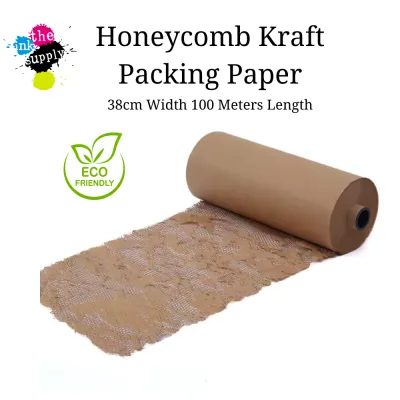
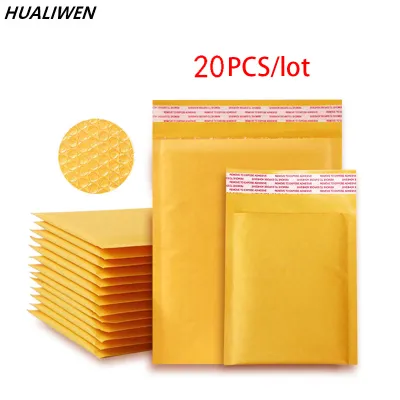
Prices are valid at publication and may change. Please refer to the product page for the latest price.
Additionally, bubble wrap is highly effective at preventing surface abrasions, scratches, and minor scuffs during handling. However, its protective capacity is limited by the structural integrity of the individual air pockets. Under extreme point loads or heavy weight, these bubbles can rupture, instantly neutralizing their cushioning ability. To mitigate this risk, heavier items require either multiple wraps of standard bubble wrap or a transition to larger bubble diameters, which distribute weight across a broader surface area. Before committing to a specific bubble size, check the manufacturer’s roll specifications to verify the bubble height and diameter match your item’s weight profile.
Foam Sheets: Rigid Edge and Corner Defense
Foam sheets are manufactured from expanded or extruded polymers, creating a dense, uniform matrix of tiny closed cells. Unlike bubble wrap, which relies on localized air pockets, foam sheets distribute pressure evenly across their entire surface area. This structural density makes them exceptionally well-suited for protecting sharp corners, straight edges, and flat surfaces that might otherwise pierce or deflate air-filled packaging.
These sheets are the industry standard for interleaving, a process where thin layers of foam are placed between flat items like ceramic plates, glass panes, or stacked electronic components to prevent friction-induced scratches. Because foam sheets do not pop, they maintain their thickness and protective qualities even under sustained compression. When selecting foam sheets, it is essential to inspect the product label for thickness and density specifications. Thinner sheets are excellent for scratch prevention, while thicker, high-density foam blocks are required to absorb heavy impacts and prevent heavy items from shifting against the outer walls of the shipping box.
Packing Peanuts: Void Fill and Lightweight Suspension
Packing peanuts, also known as loose fill, are small, interlocking pieces of expanded polystyrene or biodegradable starch designed to flow freely into empty spaces. Their primary function is void fill, which involves occupying the vacant air volume inside a shipping box to restrict the movement of the contents. When poured into a container, the peanuts settle around the item, creating a semi-fluid suspension layer that dampens external vibrations.
Because they flow easily, packing peanuts are highly efficient for packing irregularly shaped items that are difficult to wrap manually. However, they possess low compressive strength and are not designed to support heavy loads. Heavy items will gradually compress the peanuts over time or shift through them during transit, eventually settling to the bottom of the box where they are vulnerable to direct impact. Consequently, loose fill should be reserved for lightweight items, and packers must ensure the box is filled slightly past the brim to account for natural settling during transport.
Comparing Protection, Practicality, and Cost Factors
Evaluating these materials requires balancing protective performance against operational realities such as storage space, material costs, and environmental impact. The protection mechanism of each material dictates its physical placement inside the box. Bubble wrap conforms closely to protect delicate surfaces, foam sheets provide rigid blocking to maintain structural separation, and packing peanuts fill the remaining voids to eliminate shifting. A failure to match the material to its correct mechanical role often results in damaged goods, regardless of how much packaging is used.

Storage and handling present distinct challenges depending on your packing environment. Bubble wrap and foam sheets are typically supplied in large, bulky rolls that require dedicated dispensing stands and significant floor space. In contrast, packing peanuts are distributed in large, lightweight bags that can be suspended above a packing station for gravity-fed dispensing. If your storage space is limited, storing multiple large rolls of bubble wrap may prove impractical, making compact foam sheets or flat-packed alternative materials more appealing.
Cost evaluations should always be based on objective metrics rather than assumptions of which material is cheapest. Instead of comparing flat roll prices, calculate the cost per unit volume or cost per square meter using the dimensions provided on the supplier labels. While packing peanuts often appear highly economical by volume, the shipping costs of transporting large, low-density bags can sometimes offset these savings. Additionally, consider the labor time required to wrap individual items with bubble wrap versus the rapid pouring of loose fill, as assembly speed directly impacts overall operational costs.
Environmental considerations and cleanup are increasingly important factors for modern shippers. Standard polystyrene packing peanuts and plastic bubble wrap are notorious for generating static electricity, which can attract dust and damage sensitive electronic components. Furthermore, traditional plastics face strict disposal regulations; in Singapore, clean plastic packaging should be checked against local recycling guidelines to determine if it can be accepted in blue recycling bins. To address these concerns, many shippers opt for biodegradable starch-based peanuts, which dissolve quickly in water and eliminate static cling, though they must be kept completely dry during storage to prevent premature degradation.
Decision Framework: Which Material Should You Choose?
To streamline your packaging workflow, establish a clear decision framework based on the physical attributes of the item you are shipping. This systematic approach ensures that you select the most efficient material for the job, minimizing waste and maximizing protection.
You should choose bubble wrap when your item features curved, organic, or irregular surfaces that require a tight, conforming protective skin. It is the ideal choice for moderately fragile items such as glassware, small sculptures, and decorative home accessories. The flexible nature of the plastic backing allows you to secure the cushioning directly to the item using packaging tape, ensuring the protective barrier remains in place throughout the shipping journey.
Select foam sheets when your shipment consists of items with sharp edges, flat profiles, or delicate surfaces susceptible to scratching. Foam is highly recommended for interleaving flat items like ceramic tiles, glass panels, or picture frames. It also serves as an excellent corner protector for furniture, books, and electronic chassis, where the concentrated pressure of a sharp corner would easily pop standard bubble wrap.
Opt for packing peanuts when you are shipping lightweight, non-fragile, or oddly shaped items that leave irregular empty spaces inside the box. If your primary goal is simply to prevent a lightweight item from sliding around, loose fill provides a fast, cost-effective solution. It is particularly useful when packing multiple small, pre-packaged items within a single larger shipping container.
For highly fragile, heavy, or high-value items, do not rely on a single material. Instead, combine these options to create a multi-layered defense system. For example, wrap a delicate ceramic vase in bubble wrap to protect its curved surfaces, line the corners of the box with dense foam sheets to absorb structural impacts, and fill any remaining empty spaces with packing peanuts to lock the entire assembly securely in place.
Step-by-Step Packing Execution and Safety Checks
Executing a professional pack job requires a disciplined sequence of steps to ensure the cushioning materials perform as intended. The process begins with a logical layering sequence: always wrap the individual item first to establish a primary protective barrier. Next, apply rigid blocking materials, such as foam corner guards, to reinforce vulnerable areas. Finally, place the wrapped item into the box and fill all remaining voids with packing peanuts or crumpled paper, ensuring there are no empty pockets where the item could shift.
Before sealing the box, you must verify the structural integrity of your outer packaging. Check the manufacturer’s stamp on the bottom of the corrugated box to locate the Edge Crush Test (ECT) or burst strength rating. This label indicates the maximum weight the box can safely support without collapsing under the weight of other packages during transit. Ensure that the combined weight of your item and the cushioning materials does not exceed this certified limit, as a collapsed box will compromise even the best internal cushioning.
Once the box is taped shut using high-quality packaging tape, perform a physical shake test. Gently lift the box and shake it from side to side; if you feel or hear the contents shifting, the internal voids are not fully packed. Reopen the box and add more void fill until the contents remain completely stationary.
Finally, recognize when standard packaging materials are insufficient. If you are shipping high-precision scientific instruments, valuable antiques, or items with unknown structural limits, halt the packing process immediately. In these scenarios, consult the item manufacturer’s specific shipping guidelines or seek professional crating services, as specialized sensitive equipment often requires custom-molded foam inserts or shock-isolated transport cases.
Frequently Asked Questions (FAQ)
Can I reuse packing materials for fragile shipments?
Yes, but you must carefully inspect their physical condition before reuse. Examine bubble wrap to ensure the majority of the air pockets are still fully inflated; if a significant portion of the bubbles have popped, the wrap will not provide adequate shock absorption. Inspect foam sheets for permanent compression creases or tears that compromise their density. For packing peanuts, discard any pieces that are crushed, flattened, or showing signs of moisture degradation. Reusing compromised materials increases the risk of transit damage, so only reuse items that retain their original structural elasticity.
Do I need to use a double-boxing method for highly fragile items?
Double-boxing is highly recommended for extremely fragile, high-value, or heavy items that require maximum protection against severe transit shocks. This method involves wrapping your item and packing it securely inside an inner box, which is then placed inside a larger outer box. The space between the inner and outer boxes—typically at least five centimeters on all sides—is then filled completely with cushioning materials like dense foam or high-quality bubble wrap. This dual-layer system isolates the inner box from direct external impacts, providing an extra buffer that absorbs the forces of drops and rough handling.
Community discussion
Share your experience or ask a question. Comments are reviewed before publication.