
Selecting the right bubble wrap packaging is more than just grabbing the nearest roll from a stationery shop. If you are packing fragile items for transit, moving house, or running an e-commerce business, using incorrect specifications can lead to damaged goods and costly returns. Finding the perfect balance involves matching two distinct specifications—bubble diameter and plastic film thickness—to the weight, shape, and fragility of your items. By understanding how these variables interact, you can ensure your goods survive the bumps of local dispatch or international shipping.
Understanding Bubble Wrap Specs: Bubble Size vs. Film Thickness
When sourcing packaging materials, buyers frequently confuse bubble size with plastic thickness. These are two separate metrics that perform entirely different protective duties. To optimize your packaging strategy, you must evaluate them independently before choosing a combined specification.
Bubble size refers to the actual diameter and height of the individual air pockets. This dimension is typically measured in fractions of an inch, such as 3/16 inch (small), 5/16 inch (medium), or 1/2 inch (large). The bubble size determines the depth of the cushioning barrier and how the wrap conforms to the shape of an object. Larger bubbles provide a thicker physical buffer, while smaller bubbles offer more dense, localized points of contact.
Products mentioned in this guide
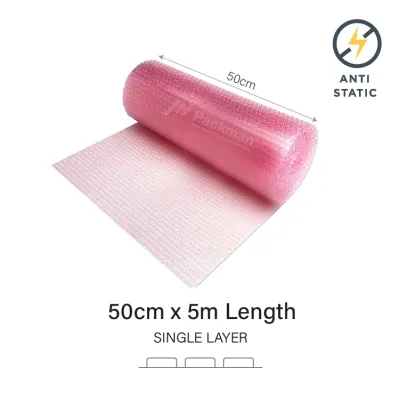
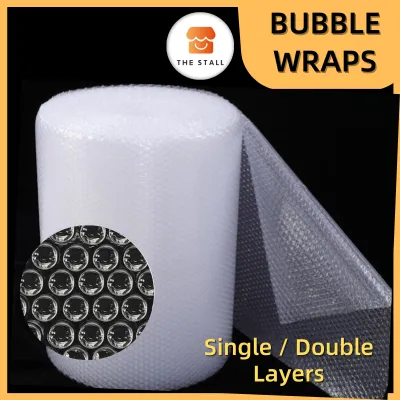
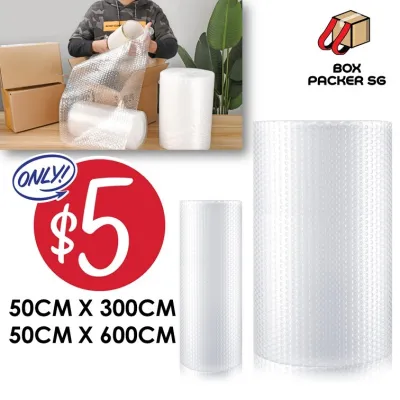
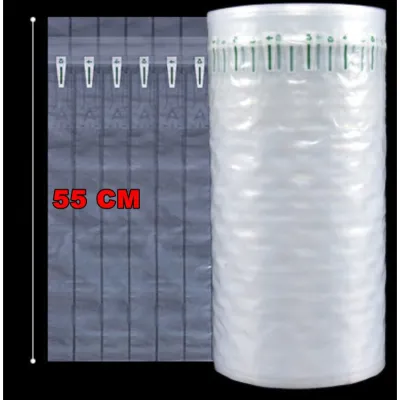
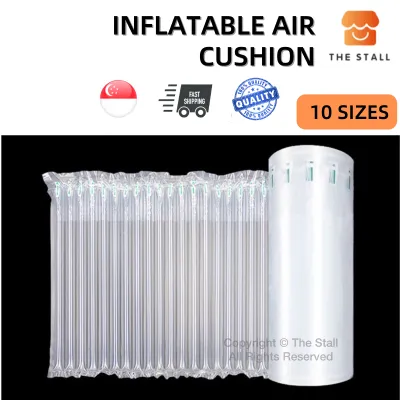
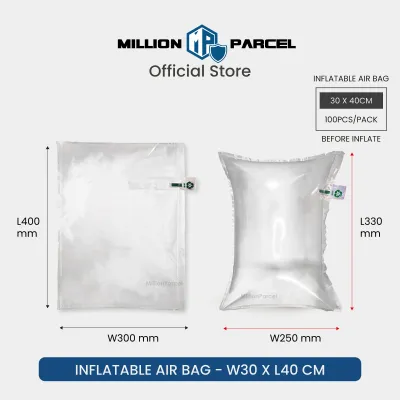
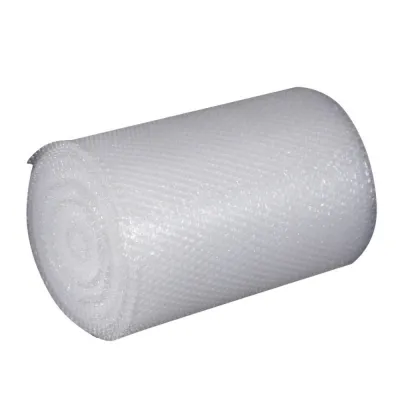
Prices are valid at publication and may change. Please refer to the product page for the latest price.
Film thickness represents the gauge or density of the plastic film itself, measured in “mils” (where 1 mil equals 1/1000 of an inch). This metric dictates the structural integrity of the bubble wrap, directly influencing its puncture resistance, tear strength, and weight capacity. A higher mil rating means the plastic is tougher and less likely to pop under heavy loads or when exposed to sharp edges.
It is a common misconception that a larger bubble size automatically guarantees a thicker, more durable plastic. In reality, you can find large-bubble wrap made from thin, lightweight plastic that pops easily under pressure, or small-bubble wrap made from heavy-duty, industrial-grade film. To secure your items effectively, you must analyze both dimensions side by side.
How to Choose the Right Bubble Size (Diameter)
The diameter of the bubble determines how well the packaging material absorbs shock and conforms to different geometries. Selecting the wrong size can either leave your item vulnerable to impact or make the package unnecessarily bulky.

Small Bubbles (3/16" to 1/4" Diameter)
Small-bubble wrap is the most versatile option for close-fitting surface protection. Because the air pockets are small and tightly packed, they provide a highly dense network of contact points. This distribution of support makes small bubbles ideal for lightweight, highly fragile, or surface-sensitive items.
If you are packaging delicate glassware, porcelain figurines, polished wooden items, or high-end stationery, small bubbles offer excellent protection without adding excessive volume. They are particularly effective at preventing surface abrasions, scratches, and scuffs. Furthermore, because the pressure is distributed across hundreds of tiny pockets, small bubbles prevent the localized indentation marks that larger bubbles can sometimes imprint on soft, delicate, or freshly finished surfaces under pressure.
Medium to Large Bubbles (5/16" to 1/2" and Above)
When you need to protect heavier items or fill empty spaces inside a shipping carton, medium and large bubbles are the appropriate choice. The deeper air pockets in 1/2-inch bubble wrap act as highly efficient shock absorbers, capable of cushioning heavy impacts during transit.
This size is ideal for larger household goods, electronics, small appliances, and framed artwork. Beyond wrapping individual items, large-bubble wrap serves as an excellent void-fill material, preventing items from shifting inside the box during transit. However, caution is required when using large bubbles on highly sensitive surfaces. If wrapped too tightly or subjected to heavy stacking in a warm warehouse, the concentrated pressure from large, isolated bubbles can leave circular marks on soft plastics, leather, or freshly painted surfaces.
How to Select the Correct Film Thickness (Mil)
While bubble size determines the cushioning depth, film thickness determines whether those bubbles will actually survive the journey. The plastic film must be robust enough to withstand the weight of the item and the friction of transit without popping or tearing.
The mil measurement system is the industry standard for plastic thickness. Understanding these grades allows you to choose a cost-effective option that matches your specific risk profile.
- 1 Mil to 1.5 Mil (Light Duty): This thin-gauge wrap is best suited for lightweight, smooth-edged items and short-distance transport. It works exceptionally well for basic scratch prevention, dust protection, and wrapping items that will be packed tightly together in a sturdy box, such as books or plastic kitchenware.
- 2 Mil (Standard Utility): Representing the standard for general e-commerce and retail shipping, 2 mil bubble wrap offers a reliable balance of cost-efficiency and physical durability. It provides sufficient puncture resistance for moderate-weight items and can handle the typical handling rigors of local courier networks.
- 3 Mil and Above (Heavy Duty): For industrial applications, heavy machinery parts, metal hardware, or items with sharp, protruding edges, heavy-duty wrap of 3 mil or thicker is necessary. This robust film prevents the air pockets from popping when rubbed against rough surfaces or subjected to high compression forces.
Additionally, thicker plastic films feature superior air-retention properties. Over long-distance transit or extended storage periods, thin plastic gradually allows air to diffuse through the membrane, causing the bubbles to deflate. Heavy-duty films retain their air pressure much longer, ensuring your items remain protected from the day they are packed until they reach their final destination.
Quick Reference: Matching Bubble Wrap Specs to Common Items
To simplify your packaging decisions, use the following matrix to match your specific items with the correct bubble size and film thickness.
| Item Category | Fragility & Weight Profile | Recommended Bubble Size | Recommended Thickness (Mil) | Key Consideration |
|---|---|---|---|---|
| Glassware & Ceramics | High fragility, moderate weight | 3/16" or 1/4" | 1.5 to 2 Mil | Use multiple layers; avoid large bubbles that concentrate pressure. |
| Electronics & Screens | High fragility, surface sensitive | 3/16" | 1 to 1.5 Mil | Ensure anti-static properties if applicable; bubbles must face the item. |
| Books & Heavy Stationery | Low fragility, high weight | 1/2" | 2 Mil | Focus on edge protection and preventing box tear. |
| Hardware & Tools | Low fragility, sharp edges | 1/2" | 3 Mil+ | Prioritize puncture resistance over cushioning density. |
Please note that these recommendations serve as general industry guidelines. For high-value, highly sensitive, or specialized commercial goods, always verify the specific manufacturer packaging and transport instructions to ensure compliance with product warranties and safety standards.
Essential Wrapping Techniques to Maximize Protection
Selecting the correct bubble wrap packaging specifications is only half the battle; applying the material correctly is equally vital. Improper wrapping techniques can easily compromise even the highest-quality protective materials.
Bubble Orientation: The bubbles should always face inward, directly resting against the surface of the item. This configuration allows the individual air pockets to cradle the object, absorbing and distributing impact forces directly at the point of contact. The smooth, flat outer side of the film should face outward, providing a clean surface for securing tape and preventing the bubbles from catching or popping on the interior walls of the shipping box.
Layering vs. Thickness: Do not confuse the number of wraps with the protective capability of the bubble size. For instance, wrapping an item four times with 1/4-inch bubble wrap does not offer the same heavy-impact protection as two layers of 1/2-inch bubble wrap. Calculate the total required cushioning depth based on the item’s weight and fragility, rather than simply adding random layers of thin wrap.
Securing the Wrap: Use high-quality packing tape to seal the seams of your bubble wrap. However, never apply adhesive tape directly to the surface of delicate, polished, or painted items, as the adhesive can leave residues or strip away finishes upon removal. Always tape the bubble wrap to itself to create a secure, independent protective sleeve.
Edge and Corner Protection: Sharp corners and vulnerable edges are highly susceptible to damage during transit, as they concentrate impact forces. Regardless of the bubble size you select for the main body of the item, consider adding extra layers of wrap or using dedicated cardboard edge protectors on these high-risk areas to prevent the plastic from puncturing.
Frequently Asked Questions (FAQ)
Should the bubbles face inward or outward when wrapping?
The bubbles should always face inward, directly touching the item you are packaging. This orientation allows the individual air pockets to conform to the object’s shape, maximizing shock absorption and cushioning. The flat, smooth side of the wrap should face outward, which makes it much easier to tape securely and prevents the bubbles from snagging or popping against the shipping box during transit.
Do I need anti-static bubble wrap for electronics?
Standard plastic bubble wrap can easily generate static electricity through friction, which poses a significant risk to bare electronic components such as circuit boards, internal hard drives, and processors. For these items, you should always use specialized anti-static bubble wrap, which is typically tinted pink or clearly labeled. However, for fully assembled consumer electronics housed in protective plastic or metal casings, such as laptops, tablets, or smartphones, standard bubble wrap packaging is generally safe and sufficient.
Community discussion
Share your experience or ask a question. Comments are reviewed before publication.