
To choose the right bubble wrap, you must match the bubble diameter to your item’s surface vulnerability and align the film thickness with the item’s weight and sharpness. Small bubbles protect delicate surfaces from scratches, while large bubbles absorb heavy impacts and fill empty box spaces. Thicker films prevent punctures from heavy or sharp objects. Balancing these specifications ensures your items survive transit without adding unnecessary bulk or shipping costs.
The Core Specifications: How Bubble Diameter and Film Thickness Protect Your Items
When evaluating bubble wrap, two primary specifications dictate its protective performance: bubble diameter and film thickness. Bubble diameter refers to the width of the individual air-filled pockets. This dimension determines the cushioning depth and the distance your item sits from the outer box wall. Larger bubbles provide a thicker barrier of air, which is essential for absorbing heavy impacts and filling empty spaces in a shipping container.
Film thickness refers to the gauge of the plastic film itself, commonly measured in mils (one-thousandth of an inch). While bubble size determines the volume of air, film thickness determines the structural integrity of that air pocket. A large bubble made of thin, low-mil plastic will easily pop under pressure, rendering the cushioning useless. Conversely, a small bubble made of high-mil plastic resists punctures and retains its air even under significant weight.
Products mentioned in this guide
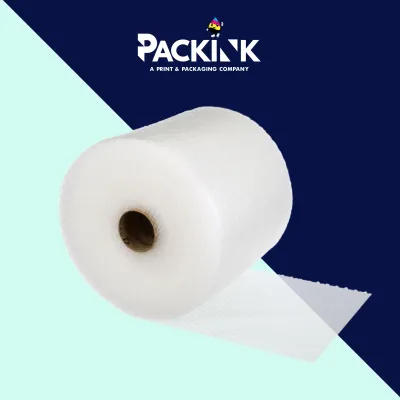
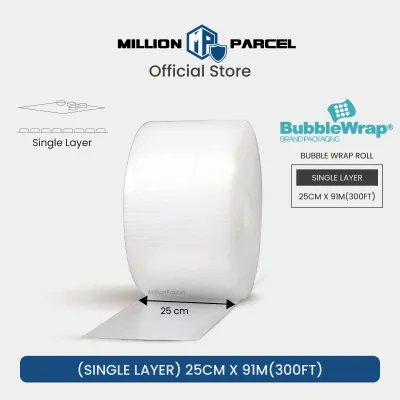
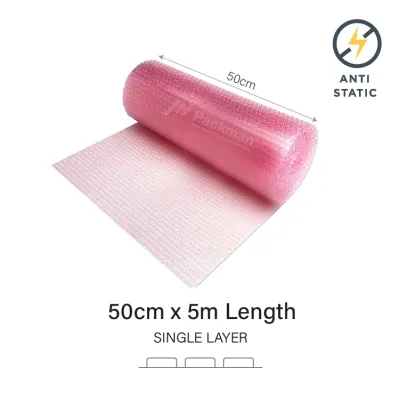
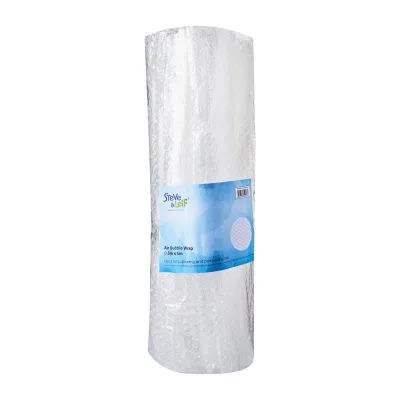
![91m/20m/10m BubbLest™ [FREE PENKNIFE] Bubble Packaging Material Direct Singapore Manufacturer | Clingwrap | Plasticwrap | Cling Wrap | Plastic Wrap | Bubble Roll |](https://img.lazcdn.com/g/p/118908581c7285d2410f3d4422311ca0.png_400x400q80.png_.webp)
Prices are valid at publication and may change. Please refer to the product page for the latest price.
The core decision-making rule is straightforward: small bubbles excel at surface protection and wrapping tight contours, while large bubbles are designed for shock absorption and void filling. Balancing these two specifications allows you to tailor your packaging to the exact vulnerabilities of the items you are shipping or moving.
Decoding Bubble Diameter: Choosing Between Small and Large Air Pockets
Small Bubbles for Surface Protection and Complex Shapes
Small bubble wrap, typically featuring bubbles with a 3/16-inch or 1/4-inch diameter, is the industry standard for surface protection. These tiny air pockets are highly flexible, allowing the wrap to conform tightly to complex, irregular shapes without leaving large gaps. This tight fit prevents items from sliding within their protective sleeve, which is crucial for preventing surface scratches, scuffs, and minor abrasions.

This size is ideal for lightweight, delicate items with polished or sensitive surfaces. If you are packing glassware, porcelain figurines, polished wooden items, or electronic screens, small bubbles provide a smooth, conforming shield. Because the bubbles are small and closely spaced, they distribute pressure evenly across the item’s surface, preventing any single point of contact from bearing too much weight.
Large Bubbles for Shock Absorption and Void Filling
Large bubble wrap, featuring bubbles with a 1/2-inch or 1-inch diameter, is designed specifically for shock absorption and impact protection. These larger air pockets create a substantial physical buffer between the item and the shipping box. When a package is dropped or bumped during transit, the large volume of air inside these bubbles compresses to absorb the kinetic energy, protecting the item inside from structural damage.
This specification is highly recommended for heavier items or those with a high risk of breakage from drops, such as large ceramics, heavy tools, automotive parts, and bulky electronics. Additionally, large bubble wrap serves as an excellent void fill. If you have empty space inside a shipping box, wrapping the item in large bubbles or placing sheets of large bubble wrap in the gaps prevents the item from shifting during transit.
The Misconception of "Bigger is Always Better"
A common packing mistake is assuming that larger bubbles always provide superior protection for every item. If you wrap a highly delicate, polished, or painted surface too tightly with large bubbles, the concentrated pressure on those large, circular contact points can actually leave permanent marks or cause structural stress. For fragile items with sensitive finishes, a dual-layer approach—using small bubbles or packing foam directly against the surface, followed by a layer of large bubbles—offers the best of both worlds.
Understanding Film Thickness: Mil Ratings and Ply Layers Explained
What is Mil Thickness?
In the packaging industry, film thickness is measured in mils, where one mil equals one-thousandth of an inch. The mil rating directly correlates with the plastic’s puncture resistance and durability. Standard, light-duty bubble wrap typically ranges from 1.0 to 1.2 mils, which is suitable for lightweight, non-abrasive items. Medium-duty wrap ranges from 1.5 to 1.8 mils, while heavy-duty options exceed 2.0 mils.
Choosing the correct mil rating is essential when packing items with sharp edges, corners, or heavy protrusions. A low-mil plastic will easily puncture when pressed against a sharp metal corner or a heavy tool, causing the bubbles to deflate and leaving the item unprotected. Opting for a higher mil rating ensures the plastic remains intact, keeping the air pockets fully inflated throughout the shipping journey.
Single-Ply vs. Multi-Ply Bubble Wrap
Bubble wrap is also classified by its layer construction, commonly referred to as ply. Single-ply bubble wrap consists of a single flat sheet of plastic bonded to a molded bubble sheet. This is the most common and cost-effective option, suitable for standard shipping and moving needs.
Multi-ply or double-ply bubble wrap features an additional flat layer of plastic laminated over the open side of the bubbles, effectively trapping the air between two flat sheets. This construction significantly increases the wrap’s burst strength and prevents air loss over long periods. Multi-ply wrap is highly recommended for long-distance shipping, heavy industrial parts, or items that will be stacked in storage for extended durations.
When to Upgrade to Heavy-Duty Specifications
You should upgrade to heavy-duty, high-mil, or multi-ply bubble wrap when shipping heavy items, products with sharp edges, or when utilizing courier services where packages are subjected to rough handling and compression. In Singapore’s humid climate, storing items in non-air-conditioned spaces can sometimes soften cardboard boxes, increasing the physical pressure on the items inside. Heavy-duty bubble wrap provides the structural integrity needed to withstand these environmental and physical pressures.
Matching Bubble Wrap Specifications to Your Specific Items
Fragile and Smooth Items
For items like glassware, mirrors, picture frames, and polished tableware, surface protection is just as important as shock absorption. Use small bubble wrap (3/16 inch) as the primary layer to prevent surface marking and circular pressure indentations. For larger fragile items like mirrors or glass tabletops, wrap the item first in small bubbles, secure the corners with cardboard edge protectors, and then wrap the entire bundle in a layer of large bubbles (1/2 inch) to absorb external impacts.
Electronics and Gadgets
When packing laptops, monitors, audio equipment, or computer components, you must protect against both physical shock and electrostatic discharge. First, consult the device manufacturer’s guidelines for any specific packaging requirements. For sensitive internal components like graphics cards, hard drives, or motherboards, always use anti-static bubble wrap, which is chemically treated to prevent static build-up. Use medium to large bubbles to cushion the outer chassis of the device against drops, ensuring the ports and screens are well-buffered.
Heavy or Oddly Shaped Items
Heavy tools, metal hardware, industrial parts, and large ceramic sculptures require heavy-duty packaging. Use large bubble wrap (1/2 inch or larger) paired with a high mil rating (at least 2.0 mils) to prevent the heavy weight of the item from popping the bubbles. If the item has sharp protrusions, wrap those specific areas in thick cardboard or heavy-duty packing paper first to prevent punctures, then wrap the entire item in multi-ply bubble wrap.
Books, Documents, and Non-Fragile Goods
For items that are not inherently fragile, such as hardcover books, durable plastic goods, or bound documents, heavy cushioning is unnecessary. A thin, single-ply, small-bubble wrap is usually sufficient. In this scenario, the bubble wrap primarily serves to protect the corners of the books from denting and to provide a basic moisture barrier. This moisture protection is particularly valuable in Singapore, where sudden tropical downpours can occur during delivery transit, potentially exposing packages to high humidity or water splashes.
Practical Packing Rules to Prevent Damage and Material Waste
Avoid Circular Marking on Delicate Surfaces
Never wrap large bubbles directly against highly polished wood, leather, or delicate painted surfaces. The concentrated pressure from the individual air pockets can leave permanent circular marks on the finish. To prevent this, wrap the item in a soft inner layer, such as acid-free tissue paper or packing foam, before applying the bubble wrap.
Prioritise Complete Void Fill
Bubble wrap is highly effective at protecting the surface of an item, but it cannot prevent damage if the item is free to slide around inside the shipping box. Ensure there is no empty space left in the box. Use crumpled packing paper, packing peanuts, or large-bubble wrap to fill any remaining gaps, ensuring the item remains suspended securely in the center of the box.
Apply Tape Correctly
Never apply adhesive packing tape directly to the surface of your item, as the adhesive can ruin finishes or leave a stubborn residue. Always secure the bubble wrap by taping the plastic to itself. Additionally, avoid wrapping the tape so tightly that it compresses and pops the bubbles, as this completely destroys the material’s cushioning ability.
Frequently Asked Questions (FAQ)
Does the bubble side face in or out when wrapping items?
The bubble side should always face inward, directly touching the item you are wrapping. This orientation allows the individual air pockets to conform closely to the item’s unique shape, providing direct cushioning and preventing the item from shifting. The flat side should face outward, which provides a smooth, continuous surface that is much easier to secure with packing tape and label for shipping.
Can I reuse popped or flattened bubble wrap for shipping?
Popped or significantly flattened bubble wrap has lost its air pressure, meaning it can no longer absorb shocks or protect fragile items from impacts. You should not reuse damaged bubble wrap for fragile goods. However, you can repurpose it as a basic scratch barrier for non-fragile items, or use it as light void fill to prevent lightweight items from shifting inside a box.
Is there a difference between standard and anti-static bubble wrap?
Yes, standard plastic bubble wrap can easily generate static electricity through friction during transit, which can permanently damage sensitive electronic circuits. Anti-static bubble wrap is treated with an antistatic agent—typically colored pink for easy identification—that prevents electrostatic discharge. This specialized wrap is essential when shipping bare circuit boards, computer components, or other static-sensitive electronics.
Community discussion
Share your experience or ask a question. Comments are reviewed before publication.