
To properly protect fragile items during shipping or moving, you must select bubble wrap based on two primary specifications: bubble diameter (size) and film thickness (typically measured in mils or microns). Using the wrong combination can lead to popped bubbles, torn plastic, or shattered valuables during transit.
For lightweight items prone to scratches, a small bubble size with a standard film thickness works best. Conversely, heavy or sharp items require large bubbles and heavy-duty film to withstand transit shocks and prevent the packaging from puncturing.
Understanding how these physical properties interact allows you to build a highly effective packaging strategy. This guide breaks down the technical specifications of protective packaging so you can safeguard everything from delicate porcelain to heavy electronics.
Products mentioned in this guide
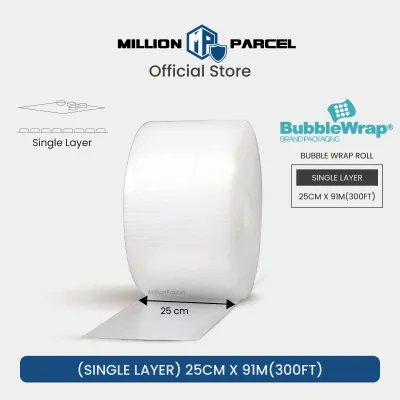
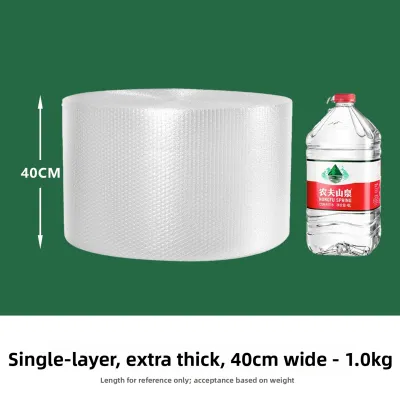
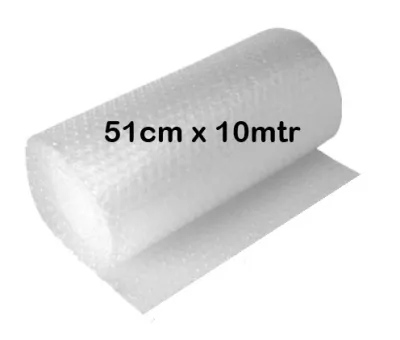
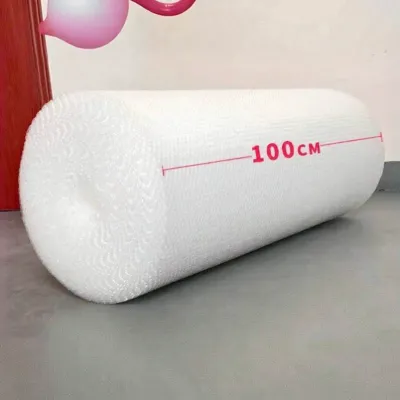
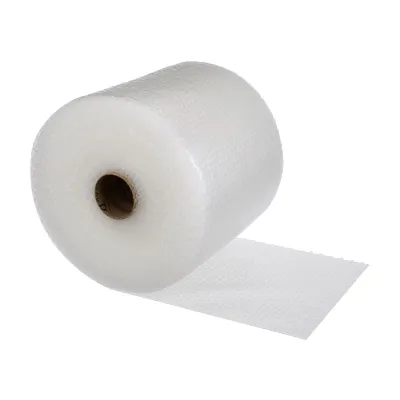
Prices are valid at publication and may change. Please refer to the product page for the latest price.
Decoding Bubble Wrap Specifications: Size vs. Thickness
When sourcing packaging materials, whether for an online business or a residential move, you will encounter various technical specifications. The two most critical metrics are bubble diameter and film thickness. Each serves a distinct protective function, and mistaking one for the other often results in damaged goods.
Bubble diameter, commonly referred to as bubble size, determines the depth of the cushioning layer. The air trapped within each pocket acts as a miniature shock absorber. When an external force impacts the shipping box, these pockets compress, slowing down the deceleration of the item inside and dispersing the kinetic energy safely away from your fragile goods.
Film thickness, measured in mils (one-thousandth of an inch) or microns, dictates the structural integrity of the plastic itself. A thicker film offers superior puncture resistance and tensile strength. This prevents the bubbles from popping prematurely under heavy loads or when pressed against sharp corners, ensuring the air pockets remain intact throughout the journey.
A common misconception among shippers is that larger bubbles automatically provide better overall protection. In reality, a large bubble made from thin, low-grade plastic will pop easily under pressure, leaving your item completely unprotected. True structural safety requires matching both the bubble size and the film thickness to the physical attributes of your item.
Matching Bubble Diameter to Your Fragile Items
Selecting the correct bubble diameter is the first step in customizing your packaging. Bubble wrap is generally categorized into small, medium, and large bubble profiles, each engineered for specific weight classes and surface vulnerabilities.

Small Bubbles (3/16-inch or 10mm) Small bubbles are the industry standard for surface protection and light cushioning. Because the air pockets are closely packed and low-profile, they conform tightly to complex shapes without adding excessive bulk. This makes them ideal for wrapping delicate, lightweight items such as cosmetics, ceramic figurines, small glassware, and premium stationery sets. They prevent items from rubbing against one another, eliminating the risk of surface abrasions, scratches, or scuffs during transit.
Large Bubbles (1/2-inch to 1-inch or 12.7mm to 25.4mm) Large bubbles provide a thick, heavy-duty cushion designed to absorb severe shocks and vibrations. Because they project further from the backing film, they are highly effective at filling empty spaces (void fill) inside shipping cartons, preventing items from shifting. Use large bubbles for bulky, heavy, or highly fragile items such as large porcelain vases, heavy kitchen appliances, and desktop computer towers. The generous air volume ensures that even if the box is dropped, the impact force is mitigated before reaching the item.
The Combined Hybrid Approach For high-value or exceptionally fragile items, a hybrid wrapping method offers the ultimate defense. Begin by wrapping the item tightly in a layer of small bubble wrap to protect its delicate surfaces from scratches and secure loose parts. Next, wrap the entire bundle in a secondary layer of large bubble wrap to establish a robust shock-absorbing barrier. This dual-layer system addresses both surface vulnerability and high-impact risks simultaneously.
Choosing the Right Film Thickness for Transit
While bubble size determines cushioning depth, film thickness determines whether those bubbles will survive the physical demands of transit. In humid climates like Singapore, cardboard boxes can lose some of their structural rigidity, making the internal plastic cushioning even more critical for load-bearing support.
Standard Thickness (1 to 1.5 mil / 25 to 38 microns) Standard-grade bubble wrap is lightweight, highly flexible, and cost-effective. It is perfectly suited for wrapping lightweight items, short-distance domestic deliveries, or as an inner layer within a sturdy outer box. If your items do not have sharp edges and are not heavy enough to crush standard plastic, this thickness provides excellent protection without adding unnecessary weight to your shipping costs.
Heavy-Duty Thickness (2 to 3 mil or higher / 50 to 75 microns) Heavy-duty bubble wrap is engineered for demanding shipping environments, including international transit and sea freight. The thicker plastic film resists punctures from sharp metal corners, wooden edges, or heavy glass bases. It is highly recommended for industrial components, heavy electronic hardware, and items with irregular profiles that put concentrated pressure on the packaging material.
The Trade-Off: Layering vs. Film Thickness It is tempting to simply wrap an item multiple times with cheap, thin bubble wrap instead of purchasing heavy-duty material. While multiple layers of standard wrap do increase cushioning depth, they cannot match the puncture resistance of a single layer of heavy-duty film. Furthermore, excessive layering creates bulky packages that require larger shipping boxes, ultimately increasing your dimensional weight shipping fees on local and international courier services.
Wrapping Techniques to Maximize Protection
Even the highest-specification bubble wrap will fail to protect your items if applied incorrectly. Mastering a few fundamental wrapping techniques ensures that the physical properties of the material are fully utilized during handling.
First, always wrap your items with the bubbles facing inward, directly against the object. The flat side of the film should face outward. Placing the bubbles against the item allows the individual air pockets to cradle the object’s unique contours, maximizing shock absorption and preventing the item from sliding within its protective sleeve.
Second, secure the wrap firmly with high-quality packaging tape, but exercise caution. Never apply adhesive tape directly to the surface of delicate or valuable items, as removing the tape can strip away paint, varnish, or fine finishes. Instead, wrap the item completely in a protective layer of tissue paper or clean newsprint first, or ensure the tape only adheres to the plastic backing of the bubble wrap itself.
Finally, implement the “two-inch rule” when boxing your wrapped items. Ensure there is at least two inches (approximately five centimeters) of cushioning space between the wrapped item and every inner wall of the shipping box. Fill any remaining empty spaces completely with crumpled paper, air pillows, or additional bubble wrap to eliminate movement. If you shake the sealed box gently and feel the item shifting inside, add more void fill immediately.
Frequently Asked Questions (FAQ)
When should I use anti-static bubble wrap?
Anti-static bubble wrap, which is typically tinted pink for easy identification, is treated with a special chemical agent to prevent the buildup of electrostatic discharge (ESD). You must use this specialized wrap when packaging sensitive electronic components, such as computer motherboards, graphics cards, RAM sticks, and internal hard drives. Standard plastic bubble wrap can generate static electricity through friction during transit, which can silently destroy delicate microcircuits. For non-electronic fragile items like glassware or ceramics, standard clear bubble wrap is completely sufficient and more economical.
Does the color of the bubble wrap affect its protection level?
No, the color of the bubble wrap does not influence its physical cushioning strength or durability. Color is used purely as a visual indicator of specific material formulations. For example, pink indicates anti-static properties, green often signifies that the wrap is made from recycled plastics, and clear is the standard general-purpose formulation. To evaluate the actual protection level of any bubble wrap, ignore the color and focus entirely on the physical specifications: the bubble diameter and the mil thickness of the film.
Community discussion
Share your experience or ask a question. Comments are reviewed before publication.