
Quick Answer: Which BTS Lightstick Version Should You Choose?
Choosing the right BTS lightstick—affectionately known as the Army Bomb—depends primarily on whether you plan to attend a live concert or display it as a collector’s item. For those attending live shows, the latest main version, such as the Special Edition (SE), is the standard choice because it supports Bluetooth central control and venue syncing. This feature allows the concert organizers to change the colors of your lightstick in unison with thousands of others in the stadium.
If your goal is purely collection, display, or casual home use, earlier versions (Version 1 to Version 3) offer a budget-friendly alternative, though they may lack the necessary wireless technology to sync at modern venues. Always verify the specific concert requirements and official tour guidelines before purchasing, as older versions are frequently phased out of central control systems during active tours.
Key Differences Across BTS Lightstick Versions
The evolution of the Army Bomb spans several generations, each introducing distinct physical and functional upgrades. Understanding these differences is essential for identifying which version you are looking at and ensuring it meets your expectations.
Products mentioned in this guide
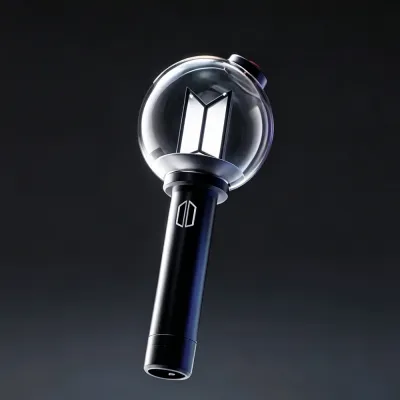
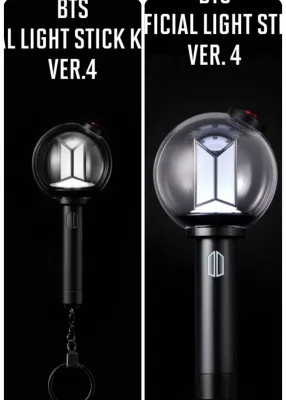
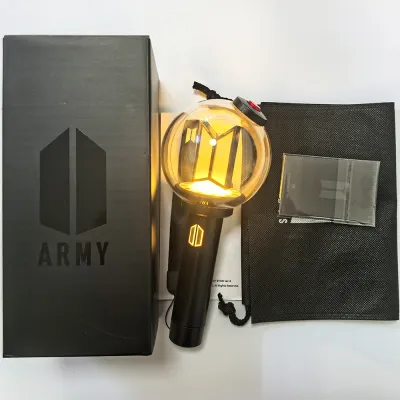
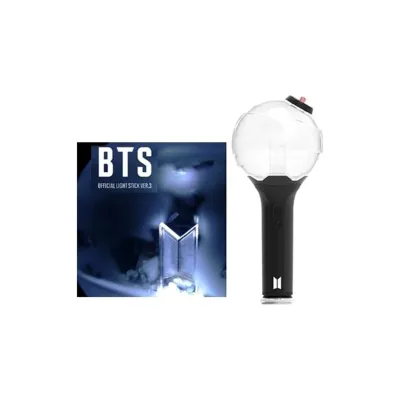
![[Best Price Guaranteed] Glowing Lightstick Lamp for BTS Concert Ver 4 Special Edition](https://img.lazcdn.com/g/p/af8fde2b6c4e991137237981be7bc965.jpg_400x400q80.jpg_.webp)
Prices are valid at publication and may change. Please refer to the product page for the latest price.

Design and Build Evolution The physical design of the lightstick has matured significantly since its debut. The earliest versions feature a translucent, slightly textured globe with a small red silicone fuse on top, mimicking a classic bomb design. The handle was a simple matte black plastic. As the design progressed to Version 3 and the Special Edition, the globe became smoother, clearer, and more refined. Inside the globe, the internal elements evolved from a simple light source to a detailed, suspended BTS and ARMY logo. The handle design also shifted, offering a more ergonomic grip, a sleek metallic or matte finish, and more integrated button placements. When inspecting these devices, look for clean plastic seams and a balanced weight; official models feel solid and well-constructed, whereas counterfeits often have rough edges or loose internal parts.
Connectivity and Features The technological capabilities of the Army Bomb are the main differentiator between generations. Early models (Version 1 and Version 2) rely entirely on manual controls. Users cycle through basic lighting modes—such as steady glow, slow blink, fast flash, and quick flicker—by pressing a physical button on the handle. Version 2 introduced a basic color-changing feature and a vibrating motor, but lacked wireless connectivity. Version 3 and the Special Edition introduced Bluetooth integration. This allows the lightstick to pair with a dedicated mobile application, enabling users to customize colors at home or connect to a venue’s central control system during a concert. Without Bluetooth, a lightstick cannot participate in the synchronized light shows that define the modern concert experience.
Power, Battery Compartments, and Accessories All standard versions of the Army Bomb are powered by three AAA batteries, housed in a removable plastic cartridge inside the handle. However, the battery compartment design has subtle differences across versions. Newer models feature more secure screw-on caps or robust latching mechanisms to prevent the battery cover from flying off during energetic waving. The accessories included in the box also vary. While early versions came with a simple fabric wrist strap and a non-woven dust bag, later versions include a premium box, a branded strap, a detailed user manual, and a set of official collectible photocards. When purchasing, always check the manufacturer’s label inside the battery compartment to verify the exact voltage and power specifications.
How to Choose the Right Version for Your Needs
Selecting the right lightstick requires balancing your budget, your intended use, and the specific features you value most.
For Concert Goers If you have secured tickets to an upcoming concert, your primary focus should be compatibility. Modern stadium shows rely heavily on Bluetooth venue syncing to create immersive visual displays. For these events, the Special Edition or the most recently announced official model is highly recommended. Before purchasing, visit the official tour website or check the event’s FAQ page to confirm which lightstick versions are supported for central control. Using an unsupported version means your lightstick will remain a single color while the rest of the crowd shines in unison, which can detract from the shared experience.
For Collectors and Display If you are purchasing a lightstick to display on a shelf, the historical significance and aesthetic appeal of the older versions make them excellent choices. Version 1 and Version 2 represent the early eras of the group’s journey and hold immense nostalgic value for long-time fans. These older models are often available at lower price points on secondary markets, making them budget-friendly options for filling out a display case. When displaying your lightstick, consider pairing it with an acrylic stand to keep it upright and secure.
For Gifting When buying an Army Bomb as a gift, the unboxing experience and authenticity are paramount. A brand-new, sealed Special Edition is generally the safest and most exciting option for a recipient. It comes in a sleek, premium box and includes the official photocard set, which is highly prized by fans. Ensure you purchase from a reputable source so the recipient receives a genuine product that will function correctly if they ever decide to attend a live event.
What to Verify Before Buying Your Lightstick
Because the Army Bomb is highly sought after, the market is flooded with counterfeit versions. Verifying the authenticity and condition of the product before finalizing your purchase is crucial, especially when buying from secondary markets or third-party sellers.
Authenticity Verification Genuine BTS lightsticks feature several security measures designed to deter counterfeiting. First, inspect the packaging for an official holographic sticker, which is typically issued by the official merchandise distributor. This sticker should reflect light in a distinct, multi-colored pattern and feature clear, sharp text. Second, look for a QR code on the box or inside the manual; scanning this code should direct you to the official app or registration page. Third, examine the print quality of the box and the manual. Counterfeit boxes often have blurry text, washed-out colors, or misaligned graphics. Finally, test the Bluetooth connectivity by attempting to pair the lightstick with the official mobile application. Genuine lightsticks will connect seamlessly and allow you to change the LED colors through the app interface, whereas fakes will fail to connect.
Condition and Completeness If you are purchasing a pre-owned lightstick, ask the seller for detailed photos or an unboxing video to verify its condition. Ensure that all essential components are present, including the battery holder cartridge, the battery cover, the wrist strap, and the original box. Inspect the battery compartment closely for any signs of corrosion, such as white powder or rust on the metal springs, which can occur if batteries are left inside the device for extended periods. In humid climates like Singapore, this corrosion can permanently damage the internal circuitry, rendering the lightstick unusable.
Retailer Selection To guarantee authenticity, always prioritize purchasing from official merchandise stores, authorized pop-up shops, or trusted local K-pop specialty retailers. While these sources may have limited stock or require pre-ordering, they offer peace of mind. If you must use online marketplaces or third-party resale platforms, only buy from sellers with high ratings, positive reviews, and clear return policies. Avoid listings that offer the lightstick at prices significantly below the standard retail rate (typically around S$60 to S$90), as exceptionally low prices are a strong indicator of a counterfeit product.
Frequently Asked Questions (FAQ)
Can I use an older BTS lightstick version at current concerts?
While older versions of the lightstick, such as Version 1 or Version 2, will still turn on and emit light manually, they generally cannot sync with the central lighting systems used at modern concerts. These older models lack the advanced Bluetooth technology required for venue-wide synchronization. If you want your lightstick to change colors in harmony with the crowd, you will need to use a supported Bluetooth-enabled version, such as the Special Edition. Always check the official tour guidelines before the event to confirm which models are compatible.
How do I properly store and maintain my BTS lightstick?
Proper maintenance is essential to preserve both the physical appearance and the electronic functionality of your lightstick. Always remove the AAA batteries immediately after use; leaving batteries inside the compartment can lead to acid leakage and corrosion, which can ruin the internal wiring. Store the lightstick in a cool, dry place away from direct sunlight to prevent the plastic globe from yellowing or warping. Using a dedicated protective case or keeping it in its original box with a silica gel packet is highly recommended, especially in humid environments, to keep moisture away from the electronic components.
Are special edition BTS lightsticks different from the standard versions?
Special edition lightsticks, such as the Map of the Soul Special Edition, feature unique design elements that set them apart from standard numbered versions. These differences typically include a redesigned handle, a clearer globe, and distinct branding details inside the sphere. Functionally, they retain the same advanced Bluetooth capabilities as the later standard versions, allowing them to sync at concerts and connect to the official mobile app. Always read the product description carefully to confirm the specific features of any special edition model before purchasing.
Community discussion
Share your experience or ask a question. Comments are reviewed before publication.