
Collecting K-pop merchandise is a highly rewarding hobby, but tracking down specific thematic items like BTS Arirang-themed memorabilia requires a keen eye and a solid strategy. In Singapore, where the K-pop community is incredibly active, collectors frequently seek out these unique items that celebrate traditional Korean culture and iconic broadcast performances. Whether you are looking for official broadcast collectibles, cultural campaign stationery, or beautifully designed fan-made artistic goods, understanding what is available and how to verify its authenticity is essential. This guide explores the diverse landscape of BTS Arirang merchandise, offering practical advice on sourcing, authenticating, and preserving these delicate paper treasures in Singapore’s tropical climate.
Identifying BTS Arirang Merchandise Categories
To build a cohesive collection, it is important to first understand the distinction between official collaborative merchandise and fan-made creations. Official BTS Arirang-themed items are typically tied to specific cultural events, national campaigns, or broadcast specials, such as performances of the traditional folk song “Arirang” on major television networks. These official releases are highly sought after and often include commemorative program books, official photo cards, postcards, and limited-edition stationery sets. Because these items are produced in limited quantities for specific events, they carry a high collectible status.
In contrast, fan-made or “fansite” merchandise is created by independent artists and fan communities to celebrate these historic performances. These goods range from custom-designed notebooks and decorative stickers to elaborate slogan banners and art prints. While they do not carry official licensing, they often feature stunning, high-quality designs that pay homage to the traditional Korean aesthetics of the Arirang performances, such as Hanbok-inspired patterns, elegant calligraphy, and traditional floral motifs.
Products mentioned in this guide
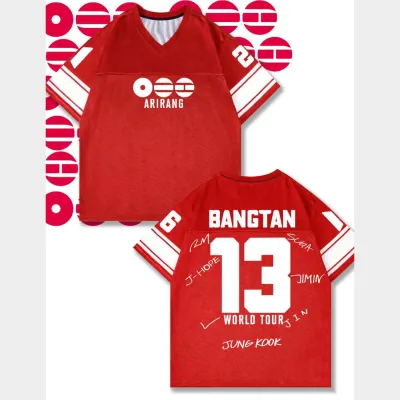
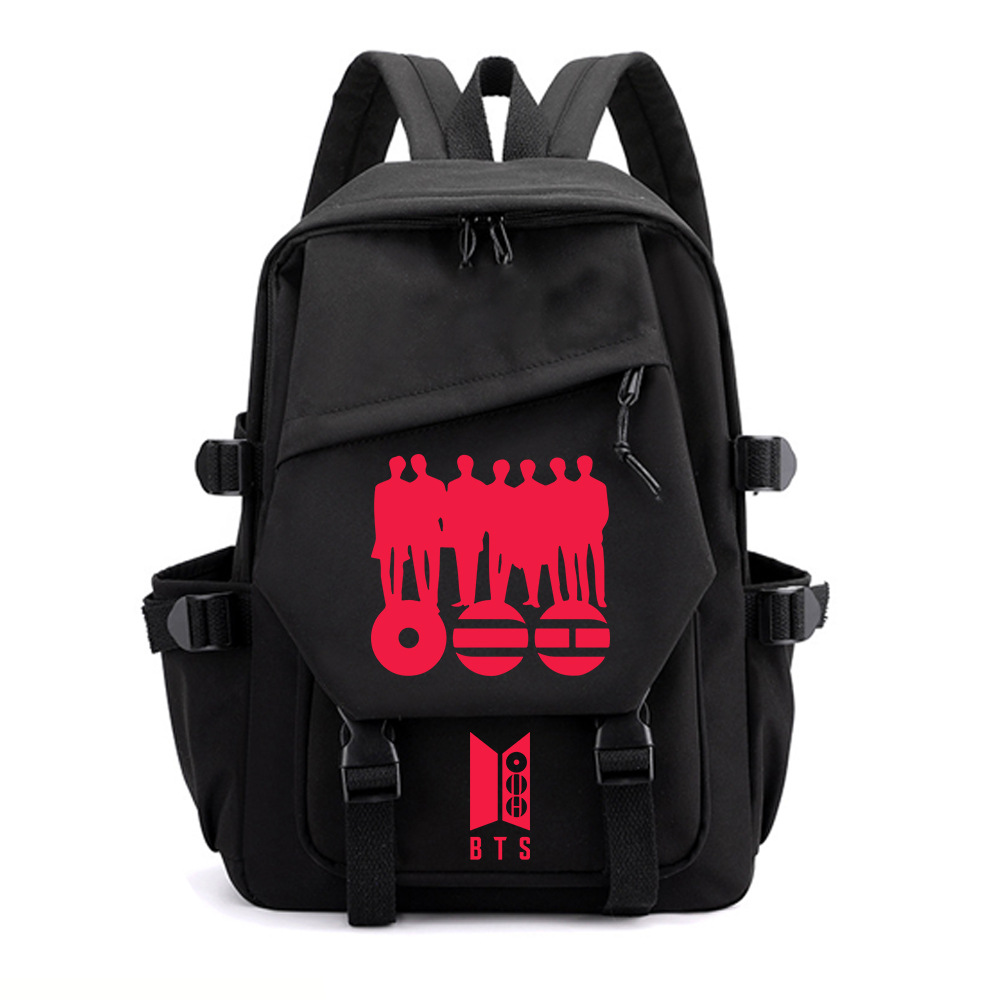
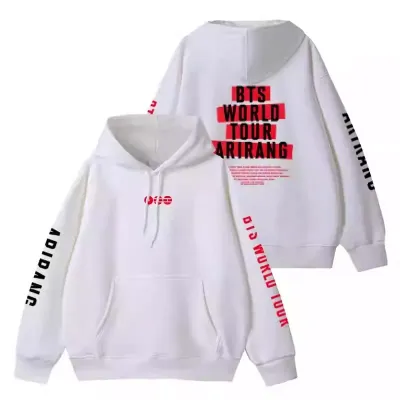
Prices are valid at publication and may change. Please refer to the product page for the latest price.
For stationery collectors, the most common formats include standard photo cards, postcards, and notebooks. Official photo cards generally adhere to the standard industry dimension of 54mm x 86mm, making them compatible with standard collector sleeves and binder pages. Postcards are typically larger, often measuring 100mm x 150mm, and feature high-resolution stage photography or promotional artwork. Notebooks and journals celebrating these themes often showcase traditional binding methods or cover designs that incorporate Hangul script and cultural symbols, appealing to those who appreciate both stationery craftsmanship and idol memorabilia.
When collecting notebooks or writing paper within this theme, it is also helpful to consider the writing experience. If you plan to use these notebooks for journaling with gel pens or fountain pens, you should perform a small ink test on a back page. The paper’s smoothness, bleed resistance, and drying speed depend heavily on the specific paper-and-ink combination, so verifying these factors beforehand ensures your writing remains clean and legible.
Evaluation Criteria for Authentic Collectibles
Verifying the authenticity of paper-based collectibles is a critical skill for any serious collector, especially when dealing with rare or older items. The first point of inspection should always be the physical material of the item. Official photo cards and postcards are printed on high-grade, heavy paper stock, typically ranging from 300 gsm to 350 gsm. When held, the card should feel rigid and substantial, not flimsy or easily bendable. The print quality must be exceptionally sharp, with vibrant color saturation and no visible pixelation or color bleeding. Official cards also feature a professional protective coating—either a smooth, high-gloss finish or a soft, velvety matte finish—that is applied evenly across the entire surface.

Another key indicator of authenticity is the cutting quality of the card edges. Official manufacturing processes involve large-scale sheet cutting, which often leaves tiny, barely visible “tabs” or rounded corner nubs on the edges of the card. Counterfeit or fan-printed cards, which are often cut individually or using lower-precision equipment, typically have perfectly smooth, laser-cut edges or slightly uneven corners. Additionally, collectors should inspect the back of the card for official copyright text, trademark logos (such as “© BIGHIT MUSIC” or “© HYBE”), and consistent font styles.
For packaged stationery items, look for official authentication stickers, such as the holographic KOMCA (Korea Music Copyright Association) sticker or proprietary brand holograms. These stickers should reflect a distinct, multi-layered pattern when tilted under a light source. When purchasing second-hand items from other collectors in Singapore, always request detailed, high-resolution photos or videos of the item under direct light. Check for common signs of wear and damage, such as surface scratches, bent corners, edge peeling, fading from light exposure, or rippling caused by moisture absorption.
Navigating Purchase Channels in Singapore
Sourcing authentic BTS merchandise in Singapore requires navigating a mix of physical retail spaces, online platforms, and community-driven secondary markets. For physical shopping, collectors can visit authorized lifestyle retailers and dedicated K-pop specialty shops located in major shopping hubs like Plaza Singapura, Bugis, or Orchard. These physical stores offer the advantage of immediate inspection, allowing you to verify the condition and authenticity of the packaging before making a purchase. Occasionally, official pop-up stores or experiential retail spaces open in Singapore, providing a direct and guaranteed source for official collaborative goods.
Online marketplaces and ecommerce platforms offer a wider selection of rare and older Arirang-themed items, but they require a higher level of caution. When shopping online, always prioritize sellers with high ratings and positive feedback. Look closely at the review section for photos uploaded by previous buyers, as these real-world images can help you verify if the seller is shipping genuine items or low-quality replicas. Be wary of listings with stock photos and unusually low prices, as authentic, out-of-print collectibles typically command a premium. Ensure the platform you use offers robust buyer protection and clear return policies in case the item arrives damaged or is found to be counterfeit.
The secondary fan market is another popular avenue, particularly for trading or purchasing specific photo cards. Local collectors often organize group orders through social media, managed by experienced group order managers who consolidate shipping costs from overseas sellers. When buying directly from other collectors via local classifieds or community forums, always practice safe trading habits. Request a “proof video” of the item, where the seller shows the card under a light while holding a handwritten note containing their username and the current date. For payments, use secure methods that offer buyer protection, or arrange for a face-to-face meetup at a public, well-lit transit station in Singapore to inspect the item in person before handing over any funds, which typically range from S$10 to S$50 depending on the rarity of the item.
Preserving Paper and Stationery Collectibles
Singapore’s tropical climate, characterized by high temperatures and relative humidity levels that frequently exceed 80%, presents a significant challenge for preserving paper-based collectibles. Without proper care, paper items can easily warp, develop mold, experience ink bleeding, or suffer from yellowing and fading. To protect your collection, investing in high-quality, archival-grade storage solutions is essential. Always use plastic sleeves that are explicitly labeled as acid-free and PVC-free (polypropylene or polyester materials). PVC (polyvinyl chloride) contains plasticizers that degrade over time, releasing harmful chemicals that can ruin the print and stick to the surface of your photo cards.
For maximum protection, place sleeved photo cards inside rigid plastic top loaders. These hard cases prevent bending and physical damage during handling. When organizing your collection in binders, choose binder pages that match the dimensions of your sleeved cards to prevent them from sliding out. A standard 9-pocket page is ideal for standard 54mm x 86mm cards, while larger postcards may require 2-pocket or 4-pocket configurations. Ensure the binder itself is kept closed and stored upright on a shelf, away from external walls that might trap moisture.
Environmental control is the most critical factor in preventing long-term damage. Store your collection in an air-conditioned room if possible, or use a dedicated dehumidifier to maintain a stable relative humidity level of around 40% to 50%. If a dehumidifier is not practical, place your binders and storage boxes inside sealed plastic containers along with several packets of silica gel desiccant to absorb excess moisture. Remember to replace or reactivate these silica packets regularly. Additionally, keep your collectibles away from direct sunlight and fluorescent lighting, as UV rays will rapidly fade the vibrant colors of the prints. Finally, establish a clean handling routine: always wash and dry your hands thoroughly before touching your collectibles, or wear lint-free cotton gloves to prevent natural skin oils and sweat from transferring onto the delicate paper surfaces.
Frequently Asked Questions (FAQ)
How can I tell if a BTS photo card is official or fan-made?
Differentiating between official and fan-made photo cards requires examining several physical characteristics. Official cards are printed on thick, rigid paper stock (usually 300-350 gsm) and feature a flawless, professionally applied matte or glossy coating. They often have tiny manufacturing tabs or slight imperfections on the rounded corners from the industrial cutting process. The print quality is incredibly sharp, with rich, accurate colors and no signs of pixelation. On the reverse side, official cards will feature crisp, clean copyright text and official logos with consistent fonts. Fan-made cards, on the other hand, are often printed on thinner paper, may have perfectly smooth laser-cut edges, and can exhibit slight color distortion, blurriness, or a sticky texture on the surface.
Are fan-made Arirang-themed items considered valuable for collectors?
From a financial perspective, fan-made items generally do not hold significant resale value in the secondary market compared to official, limited-edition collectibles. Because fan-made goods are not officially licensed and can be reproduced more easily, their market demand is primarily driven by personal aesthetic appeal rather than investment potential. However, within the fan community, high-quality fan art, custom stationery, and beautifully designed slogans hold immense sentimental and decorative value. Many collectors actively seek out these unique, artist-designed pieces to personalize their collection displays, decorate their journals, or use as aesthetic backdrops for their official merchandise.
Community discussion
Share your experience or ask a question. Comments are reviewed before publication.