
Selecting the right brush pen in Singapore involves understanding how different tool designs serve distinct creative goals. Calligraphers and illustrators require fundamentally different performance characteristics from their writing instruments. While a lettering artist seeks fluid line variation and responsive springiness to execute elegant swells, an illustrator often prioritizes precise tip control, waterproof ink for multi-medium layering, and long-term lightfastness. Rather than searching for a single, universally superior brand, finding the ideal brush pen requires matching a brand’s tip construction, ink formulation, and price tier to your specific skill level and project demands. This guide breaks down the core comparison dimensions to help you evaluate the popular brush pen options available in Singapore and build a toolkit that supports your artistic goals.
Understanding Your Project: Calligraphy vs. Illustration Demands
Before comparing specific brush pen brands, you must define the primary physical and chemical demands of your creative work. Calligraphy is fundamentally about the beauty of the stroke itself. To achieve the classic thick-to-thin transitions of brush lettering, you need a pen with high tip flexibility that can transition seamlessly from a delicate hairline to a broad downstroke. The ink must flow consistently to prevent dry patches during continuous, sweeping motions, and the tip must glide smoothly across the paper surface without catching or skipping.
Illustration, on the other hand, demands a different set of technical capabilities. Artists working on detailed drawings, character designs, or comic art require exceptional precision. A tip that is too soft or flexible can make it difficult to maintain a consistent line weight for fine details or cross-hatching. Furthermore, illustrators frequently layer their work, applying watercolors, alcohol markers, or secondary ink washes over their initial outlines. This necessitates a highly stable, pigment-based ink that, once dry, will not reactivate or bleed when subjected to wet media. Lightfastness is also critical for illustration work intended for display, ensuring the artwork does not fade under Singapore’s bright, ambient light.
Products mentioned in this guide
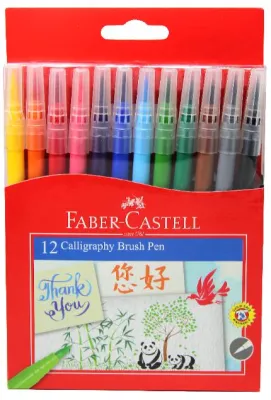
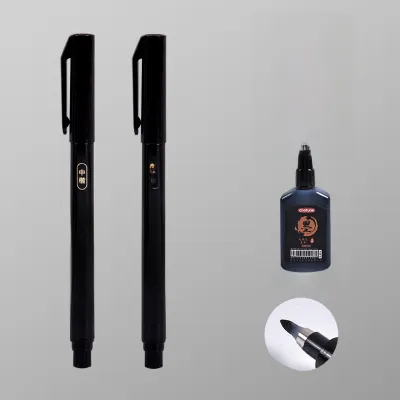
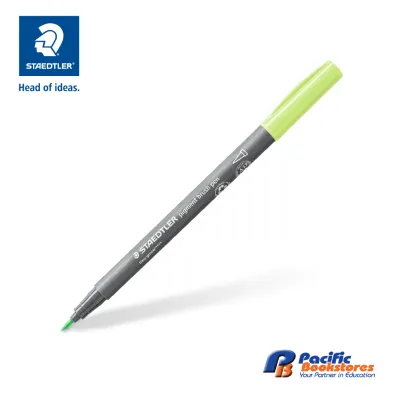
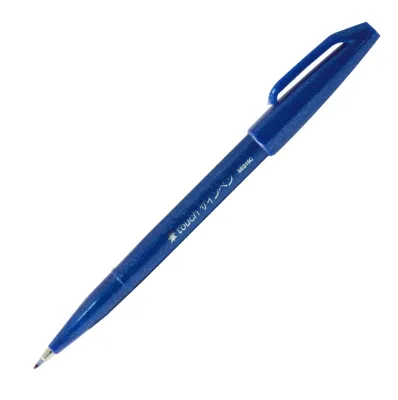
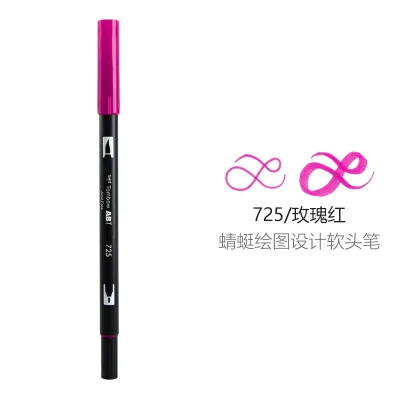
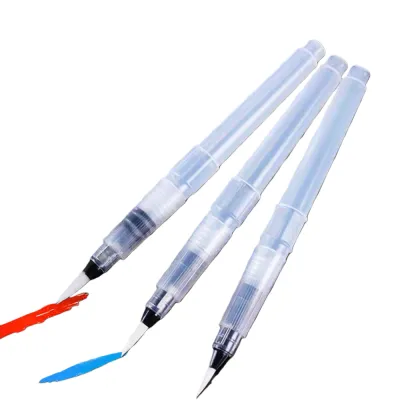
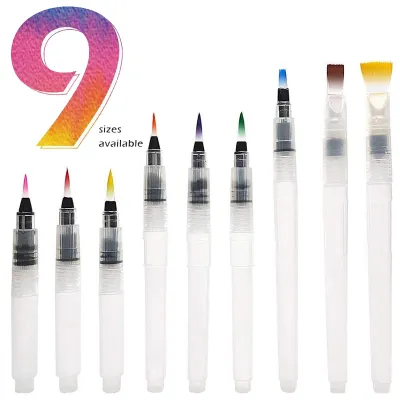
Prices are valid at publication and may change. Please refer to the product page for the latest price.
For hybrid projects that combine both lettering and drawing, balancing these competing demands is key. A single piece might require bold, expressive calligraphy alongside intricate background details. In these scenarios, artists often look for medium-firm tips that offer moderate line variation while retaining enough structural integrity for controlled sketching. Alternatively, maintaining a multi-pen workflow—using a flexible bristle pen for the lettering and a stiffer, pigment-based felt tip for the illustration elements—ensures that neither aspect of the project is compromised.
Core Comparison Dimensions for Brush Pens
To make an informed choice among the vast array of brush pens on the market, you should evaluate them using three objective, observable criteria: tip material, ink formulation, and physical ergonomics.

The material and construction of the tip dictate how the pen responds to hand pressure. Felt-tipped brush pens, often made of compressed nylon or polyurethane, are highly durable and offer excellent control. They provide a consistent, predictable line and are less prone to fraying on rough paper, making them highly forgiving for those still developing their hand control. However, they generally offer a more limited range of line variation. In contrast, synthetic bristle tips, constructed from individual nylon fibers, mimic the behavior of a traditional paint brush. They are incredibly flexible and responsive, allowing for dramatic, sweeping strokes, but they require a highly disciplined hand to control the ink flow and line thickness.
Ink formulation is the next critical dimension, dividing pens into water-based dye and pigment-based categories. Water-based dye inks are celebrated for their vibrant colors and exceptional blendability. They allow artists to create beautiful gradient effects and watercolor-like washes directly on the page. However, these inks are typically not water-resistant and can fade over time when exposed to light. Pigment-based inks, often labeled as archival or waterproof, use microscopic solid particles suspended in a liquid medium. Once dry, these inks form a permanent bond with the paper fibers, making them highly resistant to water, alcohol markers, and light. The trade-off is that pigment inks are generally less blendable and can dry out more quickly if the pen is left uncapped.
Finally, barrel design and ergonomics play a significant role in long-term comfort. A well-balanced pen body prevents hand fatigue during extended drawing or lettering sessions. Some brands feature slim, lightweight barrels that mimic standard pencils, while others offer thicker, rubberized grips for a more secure hold. Additionally, look for practical design elements such as transparent ink windows or cartridge-style refill indicators, which help you monitor your ink levels and avoid running dry in the middle of a critical project.
Matching Brush Pen Characteristics to Skill Levels
Your experience level should heavily influence the type of brush pen you select, as some tools are designed to be highly forgiving, while others require advanced technique to master.
For beginners, the primary goal is to build muscle memory and master basic stroke control. Stiff, felt-tipped brush pens are ideal for this stage. They provide a consistent level of resistance against the paper, helping you learn how to regulate pressure without the tip bending unpredictably. Disposable models with water-based dye inks are highly recommended for novices. They are cost-effective, allowing you to engage in high-volume practice without worrying about damaging an expensive tool. These entry-level pens help you focus on form, spacing, and rhythm before introducing the complexities of highly flexible tips.
Intermediate artists who have developed consistent hand control can begin transitioning to synthetic bristle tips. These pens offer a much wider range of line variation, allowing you to experiment with more expressive calligraphy styles and dynamic illustration techniques. At this stage, you might also explore refillable brush pens, which allow you to swap out ink cartridges or fill the reservoir with specialized inks, such as metallic or waterproof formulations. This phase is all about experimentation, learning how to manage the increased flexibility of the tip, and discovering your personal stylistic preferences.
Professional artists require tools that deliver uncompromising precision, durability, and archival quality. For final, client-ready artworks, professionals typically rely on premium brush pens loaded with lightfast, pigment-based inks. These pens often feature highly durable, replaceable synthetic or natural hair nibs that maintain their sharp points even after extensive use. The internal flow mechanisms in professional-grade pens are engineered to deliver a continuous, skip-free supply of ink, ensuring that every stroke is flawless and permanent.
Navigating Budget and Value Tiers
Brush pens are available across a wide range of price points in Singapore, and understanding how these tiers correlate with features and longevity will help you maximize your investment.
The entry-level tier, typically priced under S$5 per pen, consists primarily of disposable felt-tip models. These pens are highly accessible and perfect for daily sketching, bullet journaling, and casual lettering practice. While they offer excellent value for beginners, they are designed to be discarded once the ink runs out or the tip frays. The water-based dye inks used in this tier are vibrant but generally lack water resistance and lightfastness, making them less suitable for archival artwork.
The mid-range tier, spanning from S$5 to S$12 per pen, introduces more resilient tip materials and improved ink formulations. In this bracket, you will find high-quality felt-tip pens with superior springiness, as well as entry-level synthetic bristle pens. Many options in this tier feature water-resistant or pigment-based inks, making them suitable for mixed-media projects. Some mid-range brands also offer refillable cartridge systems, which can lower your long-term costs if you use the same pen frequently.
The premium tier, priced at S$12 and above per pen (or sold in high-end curated sets), is designed for serious hobbyists and professionals. These instruments feature top-tier synthetic or natural hair bristles, precision ink-feed systems, and fully refillable reservoirs. The inks are strictly professional-grade, offering exceptional opacity, water resistance, and archival permanence.
When evaluating long-term value, it is important to look beyond the initial purchase price. While a premium refillable brush pen requires a higher upfront investment, the ability to purchase inexpensive ink refills and replacement nibs often makes it more cost-effective over time than repeatedly buying disposable pens. For high-volume artists, investing in a durable, refillable body with modular parts is both economically and environmentally advantageous.
Sourcing and Verifying Brush Pens in Singapore
Finding authentic, high-quality brush pens in Singapore requires knowing where to shop and how to inspect the products before purchasing.
To guarantee you are getting genuine products with fresh ink, prioritize authorized stationery retailers, specialized local art supply stores, and official brand storefronts on major online marketplaces. Singapore has several dedicated art supply hubs, particularly around the Bras Basah area, where you can find specialized retailers stocking a wide variety of international brush pen brands. Shopping through official channels ensures that you avoid counterfeit goods, which often suffer from poor ink flow, fragile tips, and inaccurate color representation.
When purchasing brush pens in-store, always check the packaging for intact factory seals and look for any printed manufacturing or batch codes. In Singapore’s warm and humid climate, improperly sealed pens stored in non-air-conditioned warehouses can dry out prematurely. If you are buying individual open-stock pens, inspect the barrel and cap for any signs of leakage or dried ink residue, which indicates a compromised seal.
If the retailer provides tester pens, take advantage of them by performing a quick diagnostic test on a scrap piece of paper. First, check for tip fraying by drawing a series of fine, parallel lines; if the lines split or look fuzzy, the tip is worn out. Second, test for ink starvation by drawing a rapid, continuous spiral; the ink should flow smoothly without breaking or leaving dry, scratchy patches. Finally, pay attention to the tactile feedback—the pen should glide comfortably across the paper without feeling scratchy or catching on the fibers.
Decision Framework: Choosing Your Ideal Brush Pen Brand
To finalize your selection, use this structured decision framework to match your specific project requirements and working environment to the right brush pen characteristics.
If your primary focus is smooth, expressive calligraphy, vibrant color blending, and budget-friendly daily practice, choose water-based dye brands featuring firm felt tips. These pens provide the necessary resistance for learning stroke control and allow you to create beautiful gradient effects on smooth paper without a significant financial investment.
If your work involves detailed illustration, multi-medium layering, and creating archival pieces, choose pigment-based synthetic bristle brands. The waterproof nature of the pigment ink allows you to apply watercolor washes or alcohol markers over your linework without fear of smudging, while the flexible synthetic bristles offer the dynamic line variation needed for organic textures and fine details.
Before making your final purchase, always verify your paper compatibility. The performance of any brush pen is highly dependent on the surface it meets. For water-based dye inks, smooth, coated lettering papers or marker pads are essential to prevent feathering and bleeding. If you plan to use wet blending techniques, ensure you are working on heavy watercolor paper. Conversely, standard copy paper should be avoided for final pieces, as its highly absorbent fibers will quickly drain your pen’s ink and cause significant bleeding.
Frequently Asked Questions (FAQ)
How do I restore a dried-out brush pen?
For water-based dye brush pens, you can often revive a slightly dried tip by dipping it in warm water for a few seconds, capping it tightly, and letting it rest tip-down overnight. Always cap your pens immediately after use to prevent evaporation. If you are using a pigment-based pen that has completely dried, the solid particles have likely cured inside the feed mechanism; these pens generally cannot be restored and should be replaced. Avoid using harsh solvents or rubbing alcohol, as these can permanently degrade synthetic bristles and melt plastic barrels.
Can I use calligraphy brush pens for detailed illustration?
While it is possible, using highly flexible calligraphy brush pens for detailed illustration requires exceptional hand control. The soft bristles respond to the slightest change in pressure, making it difficult to maintain the consistent, ultra-fine lines needed for intricate details or cross-hatching. If you want to use a flexible pen for drawing, try using only the very tip with a light touch, or keep a dedicated stiff-tipped brush pen or fine-liner on hand specifically for your detailed outlines and fine work.
What paper types prevent brush pen ink from bleeding?
To prevent bleeding and feathering, use smooth, coated papers specifically designed for markers or brush lettering. These papers have a treated surface that keeps the ink on top of the page rather than absorbing it deep into the fibers. For techniques involving heavy water blending, opt for thick, cold-press or hot-press watercolor paper. Avoid standard copy paper or rough sketchbooks for final pieces, as their absorbent, textured surfaces will cause the ink to bleed and can quickly fray delicate felt tips.
Community discussion
Share your experience or ask a question. Comments are reviewed before publication.