
When choosing a label maker, the best brand for your stickers and labels depends entirely on where you plan to stick them, how long they need to last, and your budget. There is no single brand that excels in every scenario because the underlying printing technology and material composition vary wildly across manufacturers.
For heavy-duty, long-lasting applications in harsh environments, Brother is the industry standard due to its laminated tape technology. If your primary goal is rapid office administration, mailing, and file folder organization, Dymo offers highly efficient desktop and handheld systems. For those seeking affordable, highly customizable, and aesthetically pleasing stickers for home organization or small business packaging, Niimbot is the leading choice. Ultimately, the printer itself is only half of the equation; the specific label material you choose dictates how well the sticker will perform over time.
Key Factors When Comparing Label Makers and Stickers
Selecting the right labeling system requires looking past the physical design of the machine and evaluating the consumable ecosystem. The ongoing cost of refills, the printing technology used, and the physical properties of the tape are the most critical factors to consider before making a purchase.
Products mentioned in this guide
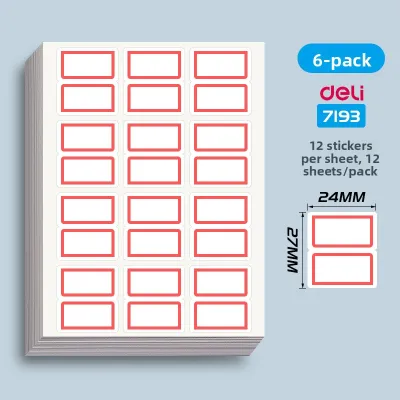
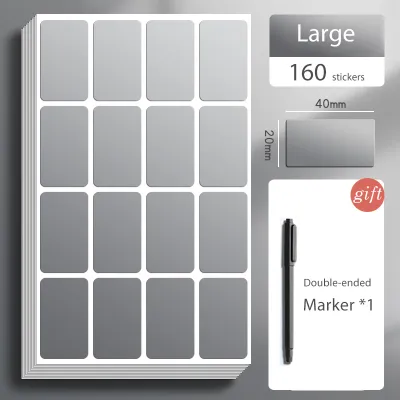
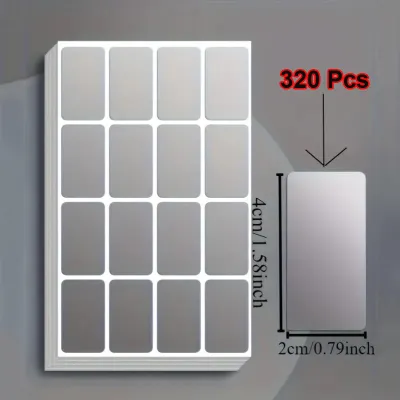
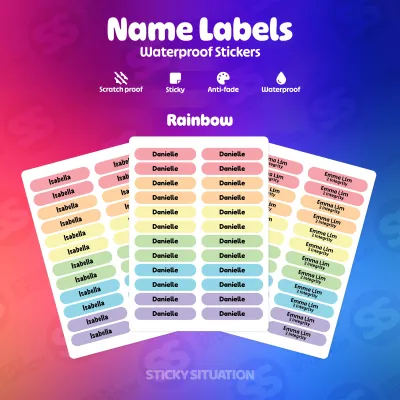
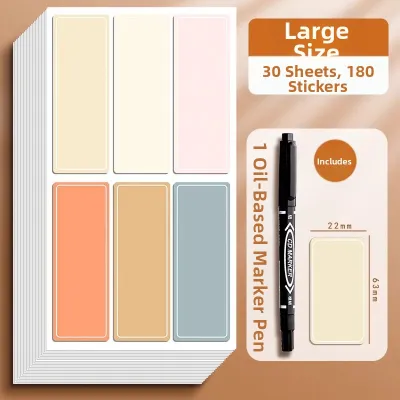
Prices are valid at publication and may change. Please refer to the product page for the latest price.
First, you must understand the difference between direct thermal printing and thermal transfer printing. Direct thermal printers use heat-sensitive paper or plastic that darkens when exposed to the printer’s heated elements. This method requires no ink, toner, or ribbon, making the machines compact and highly portable. However, because the paper itself is chemically active, these labels are highly sensitive to heat, friction, and ultraviolet (UV) light. Thermal transfer printing, on the other hand, uses a heated ribbon to melt ink onto the label medium. When combined with a protective laminate layer, as seen in Brother’s premium tape lines, these labels become virtually impervious to environmental degradation.
Adhesive strength is another vital dimension. Standard label makers typically come with general-purpose acrylic adhesive, which works well on flat, smooth, and clean surfaces. However, if you need to label curved cables, textured plastics, powder-coated metals, or fabrics, you will need to verify that the brand offers specialty tapes, such as flexible ID tape, extra-strength adhesive, or iron-on fabric tape. Applying a standard paper label to a highly textured or curved surface will almost certainly result in the edges lifting within days.
Connectivity options also dictate your daily user experience. Standalone label makers feature physical QWERTY keyboards and small liquid crystal displays (LCDs), allowing you to print labels instantly without external devices. Bluetooth-enabled models connect to smartphones or tablets, leveraging dedicated mobile apps to offer a wider array of fonts, icons, borders, and custom graphics. Desktop-connected models link via USB or Wi-Fi, providing robust software suites for bulk data import, serialization, and barcode generation.
Finally, calculate the long-term consumable costs. While a entry-level label maker might only cost S$30 to S$50 upfront, proprietary label cassettes can range from S$15 to S$40 per roll. Over the lifespan of the device, you will spend far more on tape refills than on the hardware itself. It is essential to check the price and availability of genuine refills in Singapore before committing to a specific brand ecosystem.
Brand-by-Brand Breakdown: Brother, Dymo, and Niimbot
Each of the three major brands has carved out a distinct niche in the stationery and organization market. Understanding their design philosophies, tape structures, and software capabilities will help you match the right brand to your specific organizational tasks.

Brother: Best for Durable and Heavy-Duty Labels
Brother is renowned for its P-touch line of label makers, which utilize proprietary TZe laminated tapes. The brilliance of the TZe system lies in its manufacturing process: the text is printed onto the underside of a protective laminate film using thermal transfer technology, sandwiching the ink between a clear polyester top layer and a colored adhesive base layer. This unique six-layer structure makes Brother labels exceptionally durable.
These laminated labels can withstand extreme temperatures, prolonged UV exposure, moisture, chemical spills, and heavy abrasion. They are ideal for challenging environments such as electrical panels, outdoor garden markers, warehouse racking, and kitchen containers that undergo repeated cycles in hot dishwashers. If you label a container with a Brother TZe tape, you can scrub it with soap and water without worrying about the text smearing or the edges peeling.
On the hardware side, Brother offers a massive range of options, from simple handheld units like the PT-H110 to advanced desktop models like the PT-P900W. Their professional-grade machines support a wide variety of tape widths, typically ranging from 3.5mm up to 36mm. This allows for highly versatile printing, from tiny cable wraps to large, highly visible warning signs.
The primary trade-offs with Brother are cost and design complexity. Genuine TZe tape cassettes are relatively expensive, often costing between S$20 and S$35 per roll in Singapore. The standalone physical keyboard models can also feel somewhat industrial and clunky to use, and their built-in font selections are often limited to basic, utilitarian typefaces. While their desktop software, P-touch Editor, is incredibly powerful for advanced design and database linking, it presents a steeper learning curve for casual users who just want to print quick, attractive stickers.
Dymo: Best for Fast Office Organization and Filing
Dymo has been a staple of office environments for decades, offering a highly reliable ecosystem optimized for administrative efficiency. The brand’s product lineup is split primarily between the portable LetraTag series for light home and school use, and the desktop LabelWriter series for heavy-duty shipping, mailing, and visitor management.
The Dymo LetraTag system uses simple, non-laminated plastic and paper cassettes. These are highly user-friendly, featuring a drop-in cartridge design that makes swapping colors or materials incredibly fast. LetraTag plastic labels are flexible and work beautifully for color-coding files, labeling binders, and organizing indoor shelving. Because they are non-laminated, they are thinner and conform well to slightly curved surfaces, though they lack the chemical and UV resistance of Brother’s laminated tapes.
For high-volume printing, the Dymo LabelWriter series is unmatched in office settings. Operating via direct thermal technology, these desktop machines print individual die-cut paper labels at rapid speeds. They integrate seamlessly with standard office software, including Microsoft Word, Excel, and popular shipping platforms. If you need to print fifty shipping address labels or file folder tabs in a matter of seconds, Dymo’s desktop software makes the process incredibly smooth.
However, Dymo systems have clear limitations outside the office. Standard LetraTag paper labels will quickly degrade, fade, or peel if exposed to water, oil, or direct sunlight. Furthermore, Dymo has increasingly moved toward highly proprietary consumable designs. Many of their newer LabelWriter models use automatic label recognition technology via embedded RFID chips in the paper rolls, which prevents the use of more affordable third-party paper refills. This locking mechanism can significantly increase ongoing operational costs.
Niimbot: Best for Budget-Friendly and Aesthetic Stickers
Niimbot has rapidly gained popularity by modernizing the label maker category for home organizers, crafters, and small retail businesses. Their devices, such as the D11, D110, and B21, are compact, battery-powered, and designed to be operated exclusively via a Bluetooth connection to a smartphone or tablet.
Niimbot relies entirely on direct thermal printing, which eliminates the need for expensive ink ribbons or laminated cassettes. This allows the hardware to remain incredibly affordable, with entry-level printers often priced under S$30. The real appeal of Niimbot, however, lies in its highly creative and aesthetic sticker options. Instead of boring, industrial continuous tape, Niimbot offers a vast array of pre-cut thermal labels in various shapes, colors, and patterns. You can purchase rolls of circular stickers, cable wraps, labels with floral borders, or completely transparent stickers.
The Niimbot mobile app is highly intuitive, offering a drag-and-drop interface with hundreds of fonts, icons, emojis, and pre-designed templates. This makes it incredibly easy to design beautiful, personalized stickers for kitchen pantry jars, homemade cosmetics, retail price tags, or children’s school supplies.
The major drawback of the Niimbot ecosystem is the inherent limitation of direct thermal paper. Because these stickers are sensitive to heat and UV light, they are not suitable for long-term outdoor use, hot environments, or items that require heavy washing. In Singapore’s hot and highly humid tropical climate, direct thermal labels stored in non-air-conditioned spaces can begin to fade or turn a dull grey within a year. Additionally, while the basic features of the Niimbot app are free, many of the more attractive fonts, icons, and cloud-storage features are locked behind a paid “VIP” subscription model, which can frustrate users who expect a fully unlocked design experience out of the box.
Label Quality, Materials, and Surface Compatibility
To get the best performance out of your chosen label maker, you must match the label material to the physical properties of the surface you are labeling. Applying the wrong tape chemistry to a surface will lead to premature failure, regardless of how expensive the printer was.
Direct thermal labels (used by Niimbot and standard Dymo LetraTag paper rolls) are made of paper or thin plastic coated with a heat-sensitive chemical layer. When the thermal printhead applies localized heat, a chemical reaction occurs to create the black text. Because this chemical layer remains active after printing, any subsequent exposure to high ambient heat, friction, or sunlight will re-trigger the reaction. If you place a direct thermal label on a water bottle and run it through a hot dishwasher, or leave a labeled container on a sunny windowsill in Singapore, the label will likely turn entirely black or fade to illegibility.
In contrast, laminated thermal transfer labels (such as Brother TZe tapes) print the text onto a thin film layer, which is then permanently bonded beneath a tough, transparent polyester laminate. This top layer acts as a physical shield against moisture, oils, solvents, and physical scraping. If you need a label to remain perfectly legible for five to ten years on an outdoor utility box or a frequently handled tool, laminated tape is the only viable option.
Before applying any sticker or label, proper surface preparation is essential to ensure long-term adhesion. Follow this simple checklist to guarantee the best possible bond:
- Clean the Surface: Wipe the target area with isopropyl alcohol to remove all traces of grease, dust, fingerprint oils, and cleaning chemical residues. Standard household multi-surface sprays often leave behind a thin silicone film that prevents adhesives from bonding properly.
- Dry Completely: Ensure the surface is entirely dry before application. Moisture trapped beneath the adhesive will prevent a secure bond and lead to immediate edge peeling.
- Evaluate Surface Texture: Standard adhesives require maximum surface contact. If you are labeling a highly textured plastic surface (such as a molded equipment case), you must use a specialty "strong adhesive" tape formulation. Standard tape will only touch the high points of the texture, reducing the effective bonding area by up to 80%.
- Perform an Observable Trial: If you are planning a large-scale labeling project on an unfamiliar material, print a single test label and apply it to a hidden, non-critical area of the item. Leave it in place for 24 hours under normal operating conditions. After 24 hours, inspect the edges for lifting, attempt to peel it back slightly to gauge adhesive resistance, and check for any adhesive residue. This simple trial will verify compatibility before you waste expensive label rolls.
Final Verdict: Choose Your Brand Based on Your Use Case
To make your final decision, evaluate your primary labeling goals against this structured framework:
- Choose Brother if you require maximum durability. If you are labeling outdoor equipment, kitchen storage that will be washed repeatedly, garage tools, cables, or industrial assets, Brother's laminated TZe tapes are unmatched. The upfront cost is higher, but the labels are designed to last for years under harsh environmental conditions.
- Choose Dymo if you are organizing a traditional office, handling high volumes of shipping and mailing, or need quick, reliable filing solutions. Dymo's desktop software and high-speed thermal printers are optimized for administrative efficiency, making bulk printing tasks incredibly fast and seamless.
- Choose Niimbot if you want an affordable, highly portable, and fun labeling system for home organization, crafting, or small-scale retail pricing. If you value creative freedom, aesthetic sticker designs, and a modern mobile app experience—and do not require long-term UV, heat, or chemical resistance—Niimbot offers the best value for money.
- Verify Specialized Requirements: If you are printing stickers for highly specialized environments, such as medical laboratories (which require resistance to liquid nitrogen or autoclaves), chemical hazard compliance labeling, or extreme temperature industrial piping, do not rely on standard consumer label lines. Always consult the manufacturer's technical data sheets and verify compliance with specific industry standards before purchasing equipment.
Frequently Asked Questions (FAQ)
Can I use third-party label rolls in Brother, Dymo, or Niimbot printers?
While third-party label rolls are widely available on online marketplaces and are significantly cheaper than original equipment manufacturer (OEM) consumables, using them comes with distinct trade-offs. Third-party cartridges often suffer from slight physical dimension variances, which can lead to frequent tape jams, poor print alignment, or sensor errors. Additionally, some modern printers, particularly newer Dymo models, feature RFID or optical sensors that actively block non-OEM refills. Before purchasing third-party consumables, check your machine’s manual and warranty terms, as damage caused by non-genuine tapes may void your manufacturer’s warranty coverage.
Do thermal stickers fade over time?
Yes, direct thermal stickers will naturally fade over time because they rely on heat-sensitive chemical coatings rather than traditional ink. Exposure to direct sunlight, ambient UV rays, high temperatures, and friction will accelerate this degradation process. In warm, humid environments, direct thermal labels can become unreadable within 12 to 18 months. If you need labels to remain legible for multiple years, or if the labeled items will be stored near windows, in hot vehicles, or outdoors, you should opt for thermal transfer or laminated labels instead.
Are label maker stickers waterproof?
Waterproof performance is determined entirely by the material composition of the label tape, not the brand of the printer. Standard paper thermal labels will absorb water, causing the paper fibers to swell, the ink to bleed, and the adhesive to fail completely. Plastic-based (polyester or vinyl) labels offer moderate water resistance and can handle occasional dampness. For true waterproof performance—such as items submerged in water or run through a dishwasher—you must use laminated tapes, such as Brother’s TZe series, which completely seal the printed ink beneath a protective plastic barrier. Always check the specific material specifications on the label packaging to verify its water-resistance rating before application.

Community discussion
Share your experience or ask a question. Comments are reviewed before publication.