
When organizing your home office, kitchen pantry, or commercial warehouse, choosing the right label maker is only half the battle. The real day-to-day experience—and the longevity of your organizational system—depends heavily on the sticker sheets and tape cartridges you feed into your device. Brother and Dymo stand as the two undisputed giants in the desktop and handheld label maker market, but their consumable sticker sheets operate on completely different technological and structural principles.
Selecting the better sticker sheet brand is not a matter of finding a universal winner, because the choice is largely dictated by the hardware you own or plan to purchase. Brother and Dymo utilize proprietary, non-cross-compatible cartridge systems, meaning a Brother tape will not physically fit into a Dymo printer, and vice versa. Your decision must align with your specific environment, durability requirements, and budget.
To make an informed choice, you must evaluate how these two ecosystems handle physical compatibility, print quality, long-term durability, and overall cost per meter. Choose Brother if you require extreme durability, chemical resistance, and weatherproof labels that can withstand harsh outdoor conditions or frequent washing. Choose Dymo if you prioritize quick, intuitive home organization, standard indoor office filing, and a highly accessible design interface.
Products mentioned in this guide
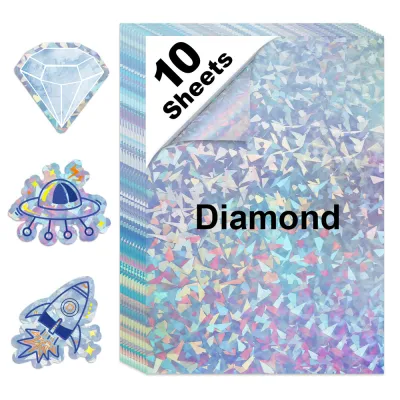
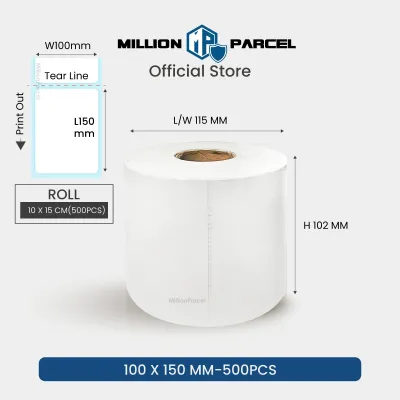
Prices are valid at publication and may change. Please refer to the product page for the latest price.
Device Compatibility: Matching Sticker Sheets to Your Hardware
Before purchasing any sticker sheets, you must understand the physical constraints of your label maker. Both brands have engineered their devices to accept only their proprietary cartridges, creating a closed ecosystem that prevents cross-brand sharing. Buying the wrong cartridge type results in a physical mismatch that can halt your labeling project entirely.
Brother P-touch TZe and TZ Tapes
Brother’s primary labeling line relies on a robust cassette-based system known as TZe tapes. The “e” in TZe stands for environmental, representing a design that uses less plastic and incorporates recycled materials in the cassette casing compared to the older, discontinued TZ standard. These cassettes are highly standardized across the Brother P-touch lineup, meaning a single tape cartridge can often be shared between a compact handheld device, a desktop model, and a wireless Bluetooth label printer.
These cassettes are available in a wide array of standardized widths, typically ranging from 3.5mm, 6mm, 9mm, and 12mm up to 18mm, 24mm, and 36mm. When purchasing Brother sticker sheets, you must verify the maximum tape width your specific hardware model can accept. While a high-end desktop printer can easily accommodate a narrow 6mm tape or a wide 24mm tape, entry-level handheld models are often physically limited to a maximum width of 12mm.
Dymo LabelManager and LetraTag Cartridges
Dymo categorizes its consumer label makers into distinct product families, each requiring its own specific style of sticker sheet cartridge. The most common line is the D1 series, designed for Dymo LabelManager and MobileLabeler devices. These cartridges are engineered for professional office and light industrial use, offering widths such as 6mm, 9mm, 12mm, 19mm, and 24mm.
For budget-friendly home organization, Dymo offers the LetraTag series, which uses a completely different cartridge shape. LetraTag sticker sheets are smaller, lower-profile, and only available in a single 12mm width. Because the physical spools and cartridge shells differ significantly, a LetraTag cartridge will not fit into a LabelManager device, and a D1 tape will not fit into a LetraTag machine. Additionally, Dymo’s industrial Rhino series uses specialized, heavy-duty D1 or specialized Rhino cartridges, while their high-volume LabelWriter series uses rolls of die-cut paper labels rather than continuous tape cartridges.
To avoid purchasing incompatible consumables, always check the exact model number printed on your label maker. Cross-reference this model with the manufacturer’s official compatibility charts before buying new sticker sheets, paying close attention to both the brand family and the maximum supported tape width.
Print Quality and Durability: Material and Adhesion Differences
The physical construction of the sticker sheet determines how well your labels will resist wear, moisture, fading, and temperature fluctuations. Brother and Dymo employ different manufacturing methods to apply text to their tape substrates, resulting in distinct performance profiles under challenging environmental conditions.

Brother’s Laminated TZe Technology
Brother’s standout feature is its patented laminated tape technology. A standard TZe sticker sheet is composed of six distinct layers of material. During the printing process, the thermal transfer print head applies the text or image to the underside of a clear polyester (PET) protective film. This printed film is then automatically sandwiched together with an adhesive layer and a clear laminate topcoat before exiting the machine.
Because the printed text is sealed beneath a thick, protective layer of laminate, Brother TZe labels are exceptionally durable. They offer high resistance to water, abrasion, extreme temperatures, ultraviolet radiation, and harsh chemical solvents like rubbing alcohol or industrial degreasers. In Singapore’s tropical climate, where high relative humidity (frequently exceeding 80%) and intense sunlight can cause standard paper adhesives to fail, Brother’s laminated construction ensures that labels remain legible and firmly attached, whether placed on outdoor electrical boxes or kitchen containers subjected to hot dishwashers.
Dymo’s D1 and LetraTag Materials
Dymo utilizes a direct thermal transfer printing process where the ink ribbon is pressed directly onto the top surface of the tape material. While Dymo’s plastic D1 tapes are highly durable, water-resistant, and feature strong adhesives, the printed text sits on the outer surface without a protective laminate layer. This makes the print more susceptible to scratching, scraping, or chemical degradation over time if subjected to heavy friction or exposure to oils and cleaning solvents.
Dymo LetraTag tapes are even simpler, offered in basic paper, plastic, and metallic finishes. The paper options are highly sensitive to moisture and physical wear, making them strictly suitable for dry, low-contact indoor environments. If you label a water bottle with a LetraTag paper sheet, the text will quickly smudge and the paper will disintegrate after a few washes.
To determine which material fits your environment, evaluate your project requirements using this practical checklist:
- Exposure to Moisture: Will the label be washed, exposed to rain, or placed in a high-humidity environment like a bathroom? If yes, prioritize Brother’s laminated TZe tapes.
- Physical Friction: Will the label be handled constantly, such as on a phone charger, a tool handle, or a key ring? If yes, Brother’s laminated design prevents the text from wearing off.
- Chemical Contact: Will the label come into contact with hand sanitizers, household cleaning sprays, or kitchen oils? If yes, Brother TZe is highly recommended.
- Standard Indoor Use: Is the label destined for a cardboard file folder, a plastic storage bin on a shelf, or a dry pantry jar? If yes, Dymo’s D1 or LetraTag plastic tapes will perform beautifully at a lower structural complexity.
Cost and Value: Calculating the True Price Per Label
While the initial purchase price of a label maker hardware unit is a one-time expense, the ongoing cost of replacement sticker sheets represents the true long-term investment. To find the best value, you must look beyond the shelf price of a single cartridge and calculate the cost per meter of usable tape.
Standard black-on-white sticker sheets from both brands serve as the baseline for cost comparisons. In Singapore, a standard Brother TZe-231 tape cartridge (12mm wide, 8 meters long) typically retails between S$18 and S$25 at local stationery suppliers and authorized distributors. In comparison, a standard Dymo D1 tape cartridge (12mm wide, 7 meters long) generally retails between S$15 and S$22. Handheld Dymo LetraTag cartridges (12mm wide, 4 meters long) are cheaper upfront, usually priced between S$8 and S$12.
To understand the actual value, you must calculate the cost per meter based on these standard retail prices:
- Brother TZe-231 (8 meters at S$20): approximately S$2.50 per meter.
- Dymo D1 (7 meters at S$18): approximately S$2.57 per meter.
- Dymo LetraTag (4 meters at S$10): approximately S$2.50 per meter.
This calculation reveals that while the Dymo LetraTag cartridge seems significantly cheaper on the store shelf, it contains only half the length of a Brother TZe tape, resulting in an identical cost per meter.
To lower your long-term consumable expenses, look for multipacks or high-yield cartridge options. Both brands offer multi-cartridge bundles (typically containing three or five tapes) that can reduce your cost per meter by 10% to 20% compared to buying individual packs.
Specialized materials carry a premium price tag in both lineups. If you require fabric iron-on tapes, extra-strength adhesives, flexible cable wraps, or metallic finishes, expect to pay between S$25 and S$35 per cartridge. When planning your budget, reserve these specialized tapes for specific tasks and use standard plastic or laminated tapes for general labeling to keep your overall costs manageable.
Design Software and Loading Ease
The ease of physically loading your sticker sheets and the flexibility of the accompanying design software play a major role in your daily workflow. A frustrating loading process or rigid software can turn a simple organizational task into a tedious chore.
Physical Loading Mechanisms
Brother cassettes feature a user-friendly, drop-in design. You open the rear compartment of the label maker, align the cassette with the guide pins, and press down until you hear a distinct click. The ink ribbon and label tape are completely integrated within the cassette shell, which prevents misalignment and keeps the tape tension correct. This self-contained structure minimizes the risk of the tape tangling or wrapping around the internal rollers.
Dymo cartridges are also designed for quick loading, but some models, particularly within the LetraTag and older LabelManager lines, require you to manually thread the leading edge of the tape through a narrow slot near the cutter blade. If the tape is not aligned perfectly or if the leading edge is bent, the tape can occasionally jam or wrap around the internal drive roller during printing.
Software and App Integration
For modern, connected label makers that pair with smartphones or computers, the software experience is a key differentiator:
- Brother P-touch Editor and Design&Print: Brother’s desktop software, P-touch Editor, is highly professional and feature-rich. It supports advanced database integration, allowing you to import Excel or CSV files to print large batches of serialized asset tags or address labels. The mobile app, Design&Print 2, offers clean templates but has a slightly steeper learning curve due to the sheer number of formatting options available.
- Dymo Connect: Dymo’s companion app and desktop software focus heavily on visual simplicity and user intuition. The interface is clean, modern, and highly visual, making it incredibly easy to drag and drop elements, insert emojis, or select pre-made templates. While it lacks some of the deep, enterprise-level database linking features found in Brother’s software, it is exceptionally fast and pleasant to use for standard home and office tasks.
If you plan to use a PC-connected label maker for complex business tasks, inventory management, or barcode generation, verify that the software is fully compatible with your operating system (Windows or macOS) and supports bulk data importing before choosing your hardware ecosystem.
Final Decision: Which Ecosystem Fits Your Workflow?
Because sticker sheets are tied to their respective hardware systems, your final choice comes down to matching the strengths of each brand’s tape technology to your primary labeling environment.
Use the following decision matrix to guide your purchase:
| Feature/Requirement | Choose Brother P-touch (TZe) | Choose Dymo (D1 / LetraTag) |
|---|---|---|
| Primary Environment | Outdoor, industrial, kitchen, or high-wear areas | Indoor offices, dry pantries, and home storage |
| Label Durability | Extremely high (laminated, chemical & UV resistant) | Moderate to high (unlaminated plastic or paper) |
| Software Needs | Complex, database-driven bulk printing & barcodes | Quick, intuitive, template-based designs |
| Tape Width Variety | Broad range (3.5mm up to 36mm) | Standard range (6mm up to 24mm) |
| Best Suited For | Long-term asset tracking, outdoor gear, heavy use | File folders, storage bins, crafting, school projects |
Verify First If Considering Third-Party Compatible Tapes
Many online marketplaces in Singapore offer generic, third-party compatible tape cartridges at a fraction of the cost of original equipment manufacturer (OEM) tapes. While these cheap alternatives are tempting, you must verify the potential risks before using them in your machine:
- Print Head Wear: Poorly manufactured third-party tapes can leave adhesive residue on the print head or cutter blade, leading to poor print quality or physical jams.
- Adhesive Reliability: Generic tapes often use inferior adhesives that may peel off prematurely or leave a sticky, difficult-to-clean residue when removed.
- Warranty Concerns: If a third-party cartridge physically damages your label maker, the manufacturer may void your hardware warranty.
If you choose to use third-party compatible sticker sheets to save money on high-volume, low-importance projects, test a single cartridge first to check for smooth feeding and clean printing before buying in bulk. For critical, long-term labeling where durability is non-negotiable, stick to original Brother or Dymo cartridges.
Frequently Asked Questions (FAQ)
Can I use third-party compatible sticker sheets in my Brother or Dymo printer?
Yes, physically compatible third-party tape cartridges are widely available for both Brother P-touch and Dymo LabelManager devices. However, using these generic alternatives carries some risks. Third-party tapes often suffer from inconsistent adhesive quality, meaning they may peel off surfaces too quickly or leave a stubborn, sticky residue behind when removed. There is also a higher risk of the tape jamming inside the machine, which can damage the internal print head or cutter mechanism. If physical damage occurs as a direct result of using non-original consumables, the manufacturer may void your device’s warranty. If you decide to use third-party tapes, test a single cartridge first to evaluate its performance before purchasing larger quantities.
Do Brother and Dymo sticker sheets expire?
While thermal transfer sticker sheets do not have a strict expiration date like liquid ink cartridges, their physical components can degrade over time. The adhesive backing on the tapes will gradually lose its strength and become brittle or overly sticky if stored incorrectly. To maximize the shelf life of your tape cartridges, store them in a cool, dry place away from direct sunlight, high humidity, and extreme temperature fluctuations. In Singapore’s humid environment, keeping unused cartridges sealed in their original plastic packaging or inside an airtight storage container with a silica gel pack will help preserve the integrity of both the adhesive and the thermal-sensitive print layers for several years.
Are fabric sticker sheets from Brother and Dymo washable?
Both Brother and Dymo offer specialized iron-on fabric tapes designed for labeling clothing, uniforms, and household linens. Once these fabric labels are printed and ironed onto a compatible garment according to the manufacturer’s exact temperature and time instructions, they are designed to withstand standard washing machine and tumble dryer cycles. However, standard plastic or paper sticker sheets from either brand are not washable and will quickly peel off or disintegrate if put through a laundry cycle. Always verify that you are using the specific fabric-designated cartridge (such as Brother TZe-FA3) for any textile applications, and follow the care instructions provided on the cartridge packaging to ensure the label remains permanently attached.

Community discussion
Share your experience or ask a question. Comments are reviewed before publication.