
Choosing the right label tape for your Brother P-touch label maker often comes down to a balance between upfront cost and long-term performance. While genuine Brother P-touch pink labels are highly regarded for their laminated durability and crisp print quality, third-party alternatives present an attractive, budget-friendly option for everyday organization. Deciding which tape to purchase requires a close look at how the labels are manufactured, how they perform under different environmental conditions, and how their actual costs compare over time.
In Singapore’s warm and humid climate, label durability is a practical concern. Labels applied to kitchen canisters, school lunchboxes, or office storage boxes must withstand moisture, temperature fluctuations, and frequent handling without peeling or fading. By understanding the structural differences between genuine and compatible tapes, you can make an informed decision that protects both your budget and your label maker.
Evaluating Build Quality and Print Clarity
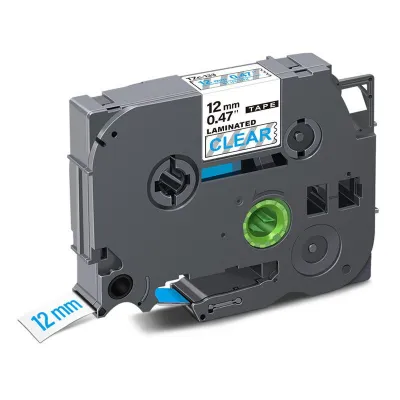
To understand why price differences exist, it is essential to examine the physical construction of the tape. Genuine Brother P-touch TZe tapes utilize a patented laminated design. This process prints the text onto the underside of a protective laminate film, sandwiching the ink between two layers of polyester. This structure shields the printed text from abrasion, moisture, chemicals, and UV exposure. When evaluating third-party pink labels, check the product specifications to confirm whether they are truly laminated or if they are simple thermal paper or non-laminated plastic tapes. Non-laminated options are significantly more vulnerable to scratches and ink wear.
Products mentioned in this guide
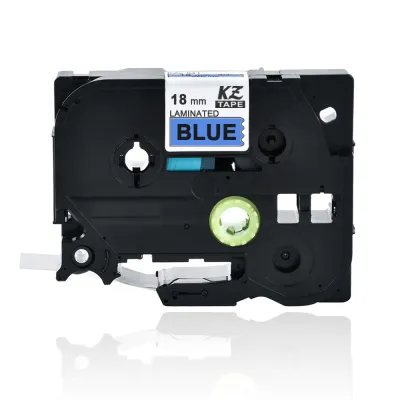
![Tze-314 Tze-324 Tze-334 Sticker Label Compatible Brother Sticker Label Tape for Brother P Touch Label Printer Maker [theinksupply]](https://img.lazcdn.com/g/p/e25a3d3c60bd88e1e4a345d0b99ad2db.jpg_400x400q80.jpg_.webp)
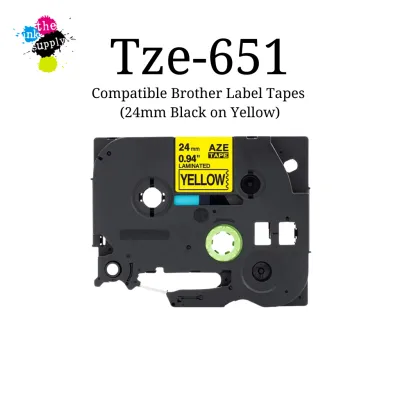
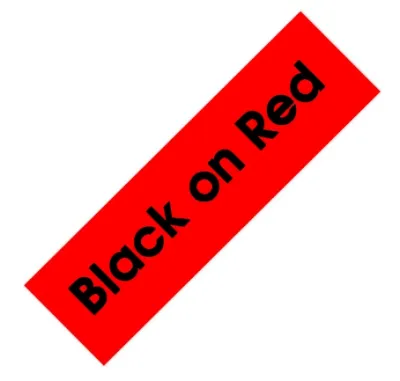
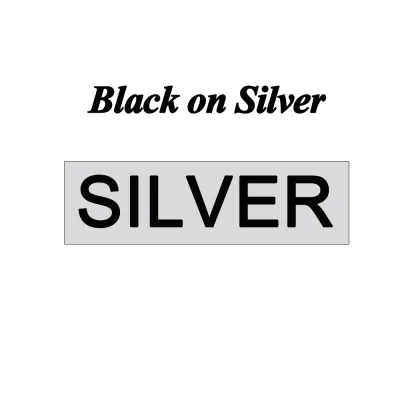
Prices are valid at publication and may change. Please refer to the product page for the latest price.
Adhesive performance is another critical factor. Genuine tapes typically use an acrylic adhesive designed to bond reliably to flat, smooth surfaces like plastic, glass, and metal, while leaving minimal residue when removed. Third-party manufacturers use various adhesive formulations. Some may use aggressive adhesives that hold well but leave a sticky, difficult-to-clean residue upon removal. Others might use weaker adhesives that lift at the corners, especially in high-humidity environments. Before applying any tape to a valuable item, perform a test application on an inconspicuous area to observe how the adhesive behaves over several days.
Color consistency and print contrast also play a major role in readability. Pink label tapes are available in several shades, including pastel pink, berry pink, and neon pink, usually paired with black text. Genuine cartridges maintain strict color control, ensuring that a pink tape purchased today matches one purchased a year from now. Third-party tapes can exhibit color variance between production batches, resulting in slightly different hues or uneven color saturation. Furthermore, check the print contrast; high-quality tapes ensure the black ink bonds sharply to the pink background without bleeding or smudging, which is vital for reading small fonts clearly.
Calculating True Cost and Value
When comparing prices, looking only at the retail price of a cartridge can be misleading. A more accurate metric is the cost per meter of usable tape. To calculate this, divide the retail price in S$ by the total length of the tape in meters, which is typically printed on the packaging (often 8 meters for genuine TZe tapes, though some specialty or third-party tapes may offer different lengths). This calculation reveals the true value of each option and helps you see past low upfront prices that might actually offer less tape per cartridge.

Bulk purchasing and bundle deals are common on online marketplaces and at local stationery suppliers. Third-party manufacturers frequently sell multi-packs of three, five, or ten cartridges at a steep discount per unit. While these bundles offer a very low cost per meter, they are only cost-effective if you plan to use that specific color and width extensively. If you only need a small amount of pink label tape for a specific project, buying a single genuine cartridge may be more practical than storing a large bundle of generic tapes that may degrade over years of storage.
Finally, consider the value of the manufacturer’s warranty and product support. Genuine Brother consumables are backed by the brand’s quality assurance, and using them ensures full compliance with your device’s warranty terms. If a genuine cartridge fails or exhibits a manufacturing defect, replacement options are usually straightforward. With third-party alternatives, customer support and return policies vary widely depending on the seller, meaning you may have to absorb the cost of a defective cartridge if the seller does not offer a reliable return policy.
Verifying Compatibility and Printer Safety
Before purchasing any label tape, you must verify that the physical dimensions and cartridge design are fully compatible with your specific P-touch model. Brother label makers use different tape series, such as TZe, M, or DK tapes, which are not interchangeable. Check your printer’s user manual or the label inside the cartridge compartment to identify the exact tape series and supported widths (such as 9mm, 12mm, 18mm, or 24mm). A cartridge that does not fit perfectly can cause feeding errors or damage the internal mechanism.
The mechanical construction of the cartridge itself is a key safety consideration for your printer. Genuine cartridges are engineered to precise tolerances, ensuring that the internal gears, spool tension, and tape guides align perfectly with the printer’s drive motor and printhead. Third-party cartridges can sometimes suffer from poor quality control. If the spool tension is too tight, it can strain the printer’s motor; if the tape guide is misaligned, the tape may wrap around the roller, leading to a severe jam. Before inserting a third-party cartridge, manually turn the exposed gear on the back of the cassette in the direction of the arrow to ensure the ribbon is taut and the mechanism spins smoothly.
Using non-genuine consumables can also have implications for your device’s warranty. While consumer protection laws generally prevent manufacturers from voiding a warranty simply because a third-party tape was used, any physical damage directly caused by a faulty third-party cartridge—such as a scratched printhead from abrasive tape materials or a motor burned out by a jammed spool—is typically excluded from warranty coverage. Weigh this risk against the cost savings, especially if you are using a high-end, expensive desktop label printer.
Decision Framework: Which Tape Fits Your Needs?
To choose the right pink label tape, match the tape’s characteristics to your specific application and environment. Genuine Brother P-touch pink labels are the ideal choice when durability and presentation are paramount. If you are labeling items for long-term outdoor use, organizing containers that will be washed frequently in hot water, or creating professional signage where maximum print clarity and color consistency are required, the investment in genuine laminated tape is highly justified. It is also the safest choice if you want to maintain strict compliance with your printer’s warranty guidelines.
Conversely, third-party pink label tapes are highly suitable for low-risk, high-volume, or temporary labeling projects. If you are organizing indoor storage boxes, labeling school notebooks, creating temporary event name tags, or working within a tight budget where minor printhead maintenance is acceptable, compatible tapes offer excellent cost efficiency. They allow you to color-code large volumes of items without a significant financial investment.
Before making your final purchase, verify the specific surface conditions and safety requirements of your project. If you need to apply labels to highly curved surfaces, textured plastics, or items exposed to extreme heat, look for specialized “flexible ID” or “extra strength adhesive” specifications, which may be easier to find in the genuine product lineup. Additionally, if the labels will be used in environments requiring specific safety certifications, such as food preparation areas or children’s toys, check the manufacturer’s documentation to ensure the materials comply with relevant safety standards.
Frequently Asked Questions (FAQ)
Do Third-Party Pink Labels Fade Faster?
The rate at which a pink label fades depends heavily on its exposure to ultraviolet (UV) light and the quality of the color pigments used in the tape. Genuine laminated tapes are engineered to resist UV degradation, keeping the pink background vibrant over years of indoor and moderate outdoor exposure. Third-party tapes vary; some use lower-grade pigments that may fade to a pale pink or white when exposed to direct sunlight. To assess fading risks, check the product packaging for UV resistance claims, or conduct a simple test by placing a small sample label on a sunny windowsill for a few weeks before starting a major labeling project.
Are Generic Tapes Compatible with Bluetooth P-Touch Models?
Many modern Bluetooth and smart P-touch label makers rely on physical sensors, microchips, or specific cartridge cutouts to automatically detect the tape width, tape color, and remaining length. While many third-party manufacturers design their cartridges to mimic these physical detection features, compatibility is not always guaranteed. Before buying generic pink tapes for a smart or Bluetooth model, read the product description carefully to ensure the cartridge is specifically rated for your model number, and check user feedback to confirm that the printer correctly recognizes the tape color and width.
How to Safely Remove Adhesive Residue from Cheaper Tapes?
If a third-party pink label leaves a sticky residue upon removal, you can clean the surface safely using mild, reversible methods. Start by applying a small amount of isopropyl alcohol or a specialized adhesive remover to a soft microfiber cloth. Gently rub the residue in a circular motion until it lifts. To prevent damage, always test the solvent on an inconspicuous area of the surface first, as some strong solvents can melt certain plastics or strip finishes from painted wood. Avoid using sharp metal blades, which can easily scratch the underlying material.
Community discussion
Share your experience or ask a question. Comments are reviewed before publication.