
Selecting the right yarn for a crochet bag is the single most important decision in determining whether your finished project becomes a functional, long-lasting accessory or a sagging, impractical pouch. Unlike garments, which require a soft drape and flexible elasticity to conform to the body, a durable everyday bag demands structural rigidity, high tensile strength, and excellent wear resistance. To ensure your bag can carry daily essentials like water bottles, umbrellas, and mobile devices without losing its shape, you must prioritize low-stretch fibers and dense yarn constructions.
By understanding how different fiber properties, yarn weights, and construction techniques interact, you can confidently choose materials that stand up to daily abrasion and heavy loads. This guide breaks down the essential physical characteristics of bag-friendly yarns, compares the best natural and synthetic fiber options, and provides practical strategies for reinforcing your crochet projects.
What Makes Yarn Suitable for Everyday Crochet Bags?
To evaluate whether a yarn is suitable for a load-bearing accessory, you must look closely at its physical structure rather than just its color or softness. The primary enemy of any crochet bag is gravity. When a bag is loaded with items, the weight pulls downward on the stitches, causing them to elongate. Yarns with high natural elasticity, such as wool or acrylic, will stretch under tension and fail to return to their original shape, resulting in a distorted, sagging bag. For a structured tote or backpack, you need a yarn with minimal stretch and high structural rigidity to keep the stitches locked firmly in place.
Products mentioned in this guide
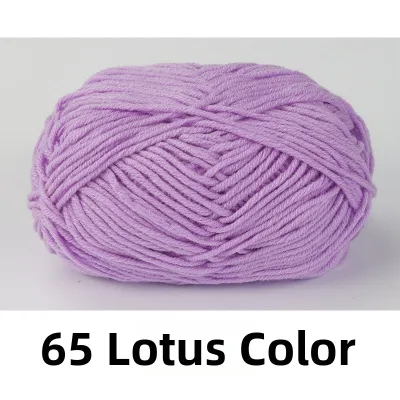
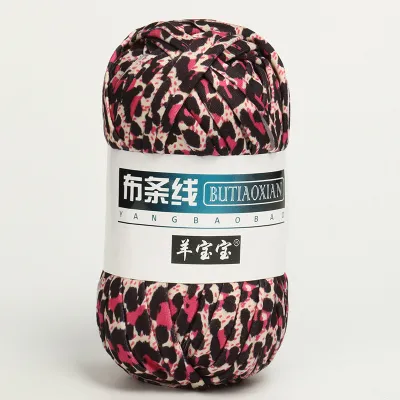
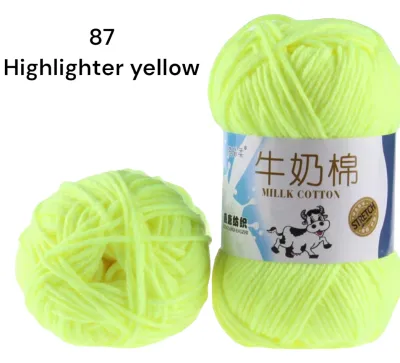
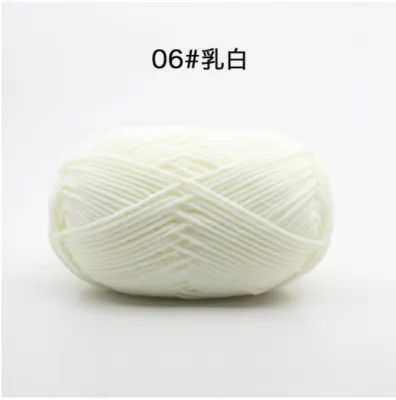
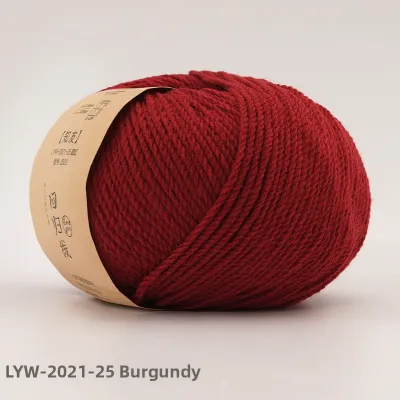
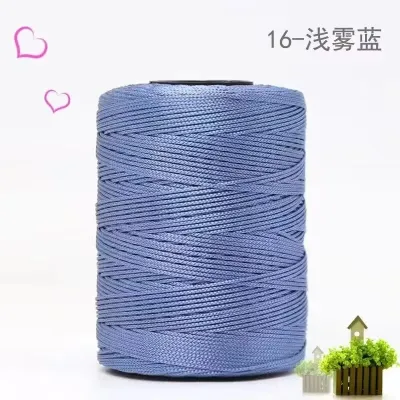
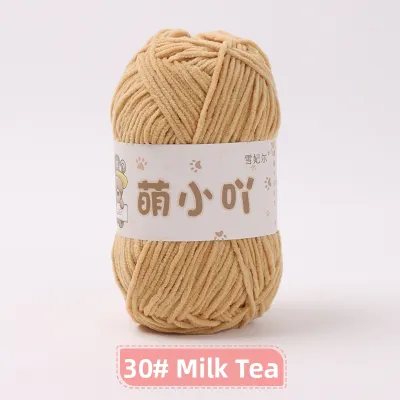
Prices are valid at publication and may change. Please refer to the product page for the latest price.
Another critical factor is the yarn’s twist and ply count. A ply refers to the individual strands spun together to form a single yarn. Single-ply yarns or loosely twisted plies are highly susceptible to splitting, pilling, and fraying when subjected to friction. For a durable bag, look for multi-ply yarns with a tight, firm twist, often referred to as a cable twist or a high-twist yarn. This tight construction binds the fibers closely together, significantly increasing the yarn’s tensile strength and preventing the individual plies from catching on your crochet hook or external objects during daily use.
Daily wear and tear also demands excellent abrasion resistance and colorfastness. Bags are constantly placed on rough surfaces, rubbed against clothing, and exposed to sunlight and occasional rain. A yarn that pills easily will quickly look worn and fuzzy, while a poorly dyed yarn may bleed color onto your clothes when damp. Opting for fibers known for their tough outer structures and verifying their colorfastness before starting your project will ensure the bag maintains its pristine appearance over years of active use.
Before committing to a specific yarn for your project, you can perform a simple stretch and recovery test on a skein. Unwind a section of yarn about thirty centimeters long and hold it firmly between your hands. Pull your hands apart to apply tension and observe how much the yarn elongates. A highly suitable bag yarn will resist stretching almost entirely, or feel incredibly firm. Next, release the tension and check if the yarn immediately snaps back to its original length without leaving any loose, wavy distortion. If the yarn stretches easily and remains elongated, it is best reserved for garments or blankets rather than structured bags.
Recommended Yarn Fiber Types for Bag Making
Different fiber categories offer distinct advantages when it comes to structural integrity and environmental resistance. Plant-based fibers are the traditional gold standard for bag making due to their natural inelasticity and toughness. These cellulosic fibers provide a crisp, clean stitch definition that highlights intricate crochet patterns while keeping the overall shape of the bag highly stable under load.

Synthetic fibers and specialty cords, on the other hand, excel in heavy-duty, high-moisture, or outdoor environments. These materials are engineered for maximum durability, offering superior resistance to water, mold, and intense abrasion. Conversely, high-elasticity animal fibers like wool, alpaca, or cashmere are generally unsuitable for functional bags unless they are heavily reinforced with a fabric lining, worked at an extremely tight gauge, or intentionally felted to lock the fibers into a solid, non-stretch sheet.
Plant-Based and Natural Cellulosic Fibers
Among plant-based options, mercerized cotton is highly recommended for everyday bags. Mercerization is a chemical treatment that swells the cotton fibers, straightening their structure and smoothing the surface. This process not only gives the yarn a beautiful, subtle luster and deep color saturation but also significantly increases its tensile strength and reduces its natural stretch. Mercerized cotton stitches slide smoothly against one another, resulting in a highly polished, uniform fabric that resists pilling and stands up exceptionally well to repeated washing.
For projects requiring maximum strength and a rustic, natural aesthetic, linen and hemp are outstanding choices. These fibers possess incredible tensile strength that actually increases when wet, making them highly durable options for market bags and beach totes. While linen and hemp can feel somewhat stiff and stiff to work with initially, they soften beautifully with use and washing without losing their structural integrity or stretching out of shape. Their natural resistance to rot and mildew makes them ideal for humid climates where bags may frequently encounter damp environments.
Jute and raffia represent the most rigid natural fibers available for crochet. Jute, commonly used to make burlap, offers a highly textured, rustic finish that is perfect for heavy-duty market shoppers. Raffia, made from the segments of the raffia palm leaf, is incredibly lightweight yet remarkably stiff, making it the premier choice for structured summer clutches, wide-brimmed hats, and beach bags. When working with jute or raffia, it is important to maintain a relaxed grip, as these fibers have zero give and can be tiring on the hands during long crochet sessions.
Synthetic Blends and Specialty Cord Yarns
When extreme durability or weather resistance is required, synthetic blends containing nylon or polyester offer unmatched performance. Nylon is celebrated for its exceptional strength and elasticity recovery, making it a common reinforcing fiber in high-wear items. When blended with cotton or acrylic, nylon adds a tough, resilient backbone to the yarn, preventing sagging while keeping the fabric lightweight. Polyester cords are highly resistant to ultraviolet light and moisture, ensuring that a bag used outdoors won’t degrade or fade quickly under the sun.
T-shirt yarn and jersey tubes have become incredibly popular for creating bulky, modern, and highly structured everyday shoppers. True t-shirt yarn is made from recycled textile remnants, resulting in a flat, stretchy ribbon of fabric, while jersey tubes feature a soft fiber filling encased in a seamless knit tube. These yarns work up incredibly fast using large crochet hooks and produce thick, cushioned walls that hold their shape exceptionally well. However, because t-shirt yarn can vary in thickness and weight, it is crucial to select high-quality, consistent product lines to avoid an uneven finish.
For the ultimate in structural rigidity and crisp stitch definition, macrame cords are an exceptional alternative to traditional knitting yarns. Typically made from braided or twisted cotton, polyester, or nylon, these cords are designed to hold tight knots and maintain their shape under extreme tension. Crocheting with a two-millimeter to four-millimeter macrame cord yields a dense, armor-like fabric that requires absolutely no internal lining to stay upright. This makes macrame cord perfect for structured backpacks, bucket bags, and utility totes that need to stand on their own base.
How to Choose Reliable Yarn Brands and Product Lines
Navigating the vast array of yarn brands at local craft specialty stores or online marketplaces requires a systematic approach to reading product labels and specifications. Always begin by checking the exact fiber percentages listed on the label. A label indicating a blend of eighty percent cotton and twenty percent polyester, for example, will offer a great balance of natural feel and synthetic durability. Pay close attention to the recommended care instructions as well; if you plan to use your bag for groceries or beach trips, ensure the fiber is machine washable to make maintenance straightforward.
Consistency is key when purchasing yarn for a large project like a bag. Always verify that all the skeins you purchase share the exact same dye lot number printed on the label. Even subtle variations in dye batches can create highly visible, distracting horizontal bands of color across the wide, flat panels of a crochet bag. Additionally, you can test a yarn’s colorfastness at home by cutting a small strand, soaking it in warm water, and pressing it firmly between two sheets of white paper towel. If any dye transfers to the paper, the yarn may bleed onto your clothing when exposed to sweat or rain.
When browsing online marketplaces or specialty shops, look for product lines specifically categorized under “home decor,” “craft cords,” or “rugged cottons” rather than those intended for baby garments or delicate shawls. Brands that specialize in macrame, weaving, or home accessories formulate their yarns to be much tougher, stiffer, and more resistant to splitting. These specialized lines are engineered to handle the high tension of tight crochet stitches without fraying or losing their structural twist.
Finally, check the manufacturer’s packaging or online specifications for any technical details regarding tensile strength, ply count, or load limits. While standard apparel yarns rarely list these metrics, high-quality craft cords and utility cottons often provide detailed specifications about their construction. A braided cord, for instance, will generally resist splitting much better than a twisted cord, making it a safer bet for beginners who tend to split their stitches during tight, high-tension crocheting.
Matching Yarn Weight to Bag Size and Lining Requirements
Selecting the appropriate yarn weight is directly tied to the intended size of your bag and the weight of the items you plan to carry. For small clutches, cross-body bags, or intricate vintage-style purses, a sport or worsted weight yarn (Category 2 to 4) is ideal, as it allows for detailed stitch work and keeps the bag lightweight. For larger market totes, backpacks, or structured bucket bags, bulky or super bulky weights (Category 5 to 6), including thick t-shirt yarns and heavy cotton cords, are preferred to build thick, self-supporting walls.
Regardless of the yarn weight you choose, a universal rule for crochet bags is to downsize your crochet hook. If a yarn label recommends a five-millimeter hook, consider using a three-point-five-millimeter or four-millimeter hook instead. This deliberate adjustment forces your stitches closer together, creating a dense, firm, and less porous fabric. A tight gauge prevents the stitches from stretching open under load and ensures that small items, such as pens, lip balms, or keys, cannot slip through the gaps in your crochet work.
| Yarn Weight Category | Recommended Bag Types | Ideal Hook Adjustment | Lining Recommended? |
|---|---|---|---|
| Sport / DK (Weight 2-3) | Clutches, delicate cross-body bags, vintage purses | Go down 0.5mm to 1.0mm from label | Yes, to protect delicate stitches |
| Worsted (Weight 4) | Everyday totes, market bags, shoulder bags | Go down 1.0mm to 1.5mm from label | Optional, highly recommended for heavy items |
| Bulky / Super Bulky (Weight 5-6) | Large shoppers, backpacks, structured bucket bags | Go down 1.5mm to 2.0mm from label | No, unless using highly open stitch patterns |
Deciding whether to add a fabric lining or interfacing is a crucial step in the planning process. If you are using a yarn with a higher drape, such as a standard cotton-acrylic blend, or if your pattern features open, lacy stitches, a fabric lining is essential. A lining acts as an internal skeleton, absorbing all the physical weight of the bag’s contents and completely preventing the outer crochet fabric from stretching downward. Lightweight cotton canvas, linen, or synthetic ripstop nylon are excellent lining materials that can be easily sewn into the interior of your completed bag.
Lastly, ensure that your chosen yarn weight is fully compatible with any external hardware you plan to use, such as pre-made leather bases, metal grommets, or wooden handles. Heavy, bulky yarns can be incredibly difficult to thread through the small pre-punched holes of a leather bag base, requiring you to transition to a thinner matching lace yarn for the attachment rows. Conversely, a delicate sport-weight yarn may look visually unbalanced and structurally weak when attached to heavy, solid metal rings or thick bamboo handles.
Care, Cleaning, and Maintenance for Yarn Bags
Proper maintenance is vital to preserving the shape, color, and cleanliness of your handmade crochet bag over time. For minor spills or daily dirt, spot cleaning is always the safest and most effective first line of defense. Dampen a clean, white microfiber cloth with cool water and a tiny drop of mild, pH-neutral detergent. Gently dab the soiled area without rubbing, as aggressive scrubbing can disrupt the yarn fibers, causing localized pilling or fuzziness that permanently alters the texture of the bag.
When a deep clean becomes necessary, hand washing is highly recommended for almost all fiber types. Fill a clean basin with cool water and submerge the bag, gently squeezing the soapy water through the stitches without twisting or wringing the fabric. Wringing a wet crochet bag puts immense, uneven tension on the stitches, which can permanently warp the bag’s shape. After rinsing thoroughly, lay the bag flat on a clean, dry towel, roll the towel up tightly to absorb the excess water, and then unroll it to let the bag air dry.
To restore the crisp, original shape of natural fiber bags made from cotton, linen, or hemp, utilize wet blocking. While the bag is still damp from washing, gently pat and stretch it into its correct geometric dimensions. You can insert a cardboard box wrapped in a plastic bag into the interior of the tote to help it dry in a perfectly upright, three-dimensional shape. For synthetic cords or t-shirt yarns, a light steaming with a garment steamer can quickly relax any stubborn creases or folds that developed during storage.
Proper storage is equally critical to preventing gravity-induced damage and environmental degradation. Never store your crochet bags by hanging them from a coat rack or doorknob when they are not in use, as the continuous downward pull will slowly stretch the handles and body over time. Instead, empty the bag completely, stuff it lightly with clean tissue paper to help it retain its shape, and store it flat on a shelf. In humid tropical climates, store your bags in a well-ventilated area or inside a breathable cotton dust bag with a small silica gel packet to prevent moisture buildup, musty odors, or mold growth.
Frequently Asked Questions (FAQ)
Can I use standard worsted weight acrylic yarn for a tote bag?
While you can technically use standard worsted weight acrylic yarn to crochet a tote bag, it is generally not recommended for everyday use due to its high elasticity. Acrylic fibers are highly synthetic and designed to mimic the warmth and bounce of wool, meaning they will stretch significantly under the weight of daily items and will not easily snap back into shape. Over time, a bag made from standard acrylic will become long, narrow, and distorted.
If acrylic is your only available option, you must implement specific reinforcement techniques to make the bag functional. Work your stitches at an extremely tight gauge by using a crochet hook that is at least one to one-point-five millimeters smaller than recommended on the yarn label. Additionally, you should line the entire interior of the bag with a sturdy, non-stretch fabric like cotton canvas, and sew a non-stretchy ribbon or fabric strip along the inside of the handles to absorb the physical tension when carried.
How do I prevent the bottom of my crochet bag from sagging?
Preventing the bottom of a crochet bag from sagging requires a combination of tight stitch selection and structural reinforcement. When crocheting the base of your bag, choose highly dense, low-stretch stitch patterns such as the single crochet thermal stitch, the knit-look waistcoat stitch, or a series of tight slip-stitch rows. These patterns create a thick, double-layered fabric that naturally resists stretching much better than standard double or treble crochet stitches.
For a completely flat, professional, and sag-free base, insert a rigid stabilizer into the bottom of the bag. You can cut a piece of lightweight plastic canvas, a thin acrylic sheet, or a sturdy cardboard base wrapped in waterproof vinyl to match the exact dimensions of your bag’s bottom. Place this rigid insert inside the bag before adding your fabric lining, or crochet a double-layered bottom panel and slip the plastic canvas securely between the two layers before seaming them closed.
Community discussion
Share your experience or ask a question. Comments are reviewed before publication.