
Selecting the right crochet yarn for a bag requires shifting your focus from softness and drape to structure, tensile strength, and durability. Unlike garments, which are designed to conform to the body, a functional crochet bag must resist gravity, hold its shape under the weight of daily essentials, and withstand constant friction. The ideal yarn prevents the bottom of your bag from sagging when you carry a water bottle, an umbrella, or a tablet during daily commutes. By understanding the mechanical properties of different fibers, you can choose a material that ensures your handmade bag remains practical and beautiful for years.
What Makes a Yarn Durable Enough for Bags?
Tensile strength is the foundation of any load-bearing crochet project. It refers to a fiber’s ability to withstand pulling forces without snapping. When a bag is loaded with items, the yarn is subjected to continuous downward tension. High tensile strength ensures the individual strands do not fray or break under this stress.
Low elasticity is equally critical. Fibers like wool or standard acrylic possess high elasticity, meaning they stretch easily and bounce back. While excellent for sweaters, elastic fibers cause unlined crochet bags to sag excessively under minimal weight. To maintain a crisp, functional shape, look for inelastic fibers that resist stretching when pulled taut.
Products mentioned in this guide
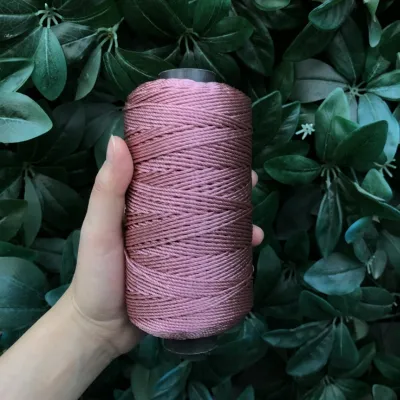
Prices are valid at publication and may change. Please refer to the product page for the latest price.
Abrasion resistance determines how well the bag handles daily wear and tear. Bags constantly rub against clothing, hips, car seats, and rough surfaces. Low-abrasion fibers will quickly pill, fuzz, or wear thin at high-contact points like the base and handles. Opting for tough, tightly spun fibers prevents the surface from degrading over time.
Moisture management is a vital factor, particularly in humid tropical climates like Singapore. High humidity levels mean that highly absorbent natural fibers, such as unmercerized cotton, can trap moisture from the air or from a damp umbrella. If a fiber holds onto water and dries slowly, it becomes heavy, loses structural integrity, and can develop musty odors or mildew. Choosing fibers that dry quickly or managing them with protective linings is essential.
The balance between drape and structure dictates the final silhouette of your project. Drape refers to how fluidly a fabric hangs, which is highly desirable for shawls but detrimental for bags. Bag-making favors rigid, stiff fibers that create a self-supporting fabric, allowing the bag to stand upright or keep its defined edges even when empty.
To verify suitability, always inspect the yarn label before purchasing. Look for a high ply count, which indicates multiple strands twisted together for added strength. Check the recommended hook size; using a hook one or two sizes smaller than recommended on the label is a practical way to create a tighter, less stretchy fabric. Finally, review the care instructions to ensure the material can handle washing, as bags inevitably collect dirt and stains.
Best Yarn Materials for Weight-Bearing Crochet Bags
Selecting the right fiber category is the most influential decision in your bag-making project. Different materials offer distinct trade-offs between structural rigidity, weight, comfort while working, and ease of maintenance.

Cotton and Mercerized Cotton
Standard cotton yarn is a classic choice for structured bags due to its natural inelasticity and exceptional stitch definition. Because cotton fibers do not stretch easily, stitches remain locked in place, providing a stable fabric that holds its shape well under moderate loads. This material is highly accessible, comes in a vast range of colors, and is comfortable to crochet with, making it a staple for market bags and casual totes.
Mercerized cotton undergoes a specialized chemical treatment that swells the natural cotton fibers, smoothing out their surface and giving them a lustrous, silk-like sheen. This process significantly increases the yarn’s tensile strength and dye affinity, resulting in vibrant colors that do not fade easily. Mercerized cotton is less prone to linting and pilling than standard cotton, making it perfect for polished, everyday handbags that require a refined, clean finish.
However, cotton has notable limitations. It is a relatively heavy fiber, meaning large projects can become quite weighty even before you place items inside. Cotton is also highly absorbent, readily soaking up moisture in humid environments, which can cause the fibers to temporarily expand and sag under heavy loads. To prevent a cotton bag from stretching out of shape permanently, adding a fabric lining is highly recommended for any design intended to carry more than lightweight items.
Jute, Hemp, and Bast Fibers
Bast fibers, which include jute, hemp, and linen, are derived from the inner bark of plants and are celebrated for their extreme rigidity and natural strength. Jute and hemp yarns are virtually stretch-free, making them the ultimate choices for heavy-duty beach bags, market shoppers, and rustic totes. These fibers create a highly structured, self-supporting fabric that easily withstands heavy, bulky items without losing its shape.
The primary drawback of working with raw bast fibers is the tactile experience. Jute and hemp can be rough, stiff, and abrasive on your hands during the crocheting process, sometimes causing skin irritation or finger fatigue. To protect your hands, it is highly beneficial to use ergonomic crochet hooks with padded grips, wear a tension ring, or wrap protective tape around your guiding fingers.
Care and environmental factors are also critical when utilizing natural plant fibers. In humid climates, jute and hemp can easily trap moisture and are highly susceptible to mildew if they remain damp for prolonged periods. If your bag gets wet from a sudden downpour or a trip to the beach, it must be dried thoroughly in a well-ventilated, sunny area to preserve the fiber’s structural integrity and prevent unpleasant odors.
Nylon and Polyester Blends
Synthetic fibers like nylon and polyester offer an exceptional strength-to-weight ratio, making them incredibly durable without adding unnecessary bulk. These materials are highly resistant to abrasion, tearing, mold, and mildew, which is a major advantage for bags used outdoors or in high-humidity regions. Synthetic cords, such as macrame cord or nylon thread, provide a modern, sleek aesthetic with a subtle sheen.
The main challenge with synthetic fibers is their inherent elasticity. Many polyester and nylon yarns are designed with a degree of stretch, which can cause a bag to sag significantly when loaded with heavy items. If the synthetic yarn has too much give, the weight of your belongings will pull the stitches apart, creating gaps where small items can slip through.
To mitigate this stretch, choose tightly plied, dense synthetic cords rather than soft, fluffy synthetic yarns. Working with a smaller crochet hook to create a very tight, compact gauge will significantly reduce the fabric’s ability to stretch. Additionally, blending synthetic fibers with inelastic natural fibers like cotton can combine the best of both worlds: the strength and mildew resistance of synthetics with the rigidity of natural cotton.
T-Shirt Yarn and Recycled Textiles
T-shirt yarn, typically made from upcycled cotton or cotton-polyester jersey fabric strips, is an excellent option for creating thick, highly structured bags. Because the yarn is bulky and wide, it produces incredibly dense, thick-walled projects that naturally hold their shape and stand upright on their own. This makes it ideal for structured clutches, vanity cases, and small, trendy hand-totes.
Despite its structural benefits, working with t-shirt yarn is physically demanding. The sheer thickness and lack of give in the fabric strips require significant physical effort to pull through stitches, which can quickly lead to hand, wrist, and shoulder fatigue. Using large, ergonomic hooks (typically 8mm to 12mm) and maintaining a relaxed grip are essential strategies to prevent strain during long crafting sessions.
Furthermore, the weight of the material itself is a major consideration. A medium-sized bag crocheted from t-shirt yarn can easily weigh over a kilogram when empty. Because of this built-in weight, t-shirt yarn is best reserved for smaller accessories, baskets, or structured clutches rather than large, high-capacity shoulder bags that need to be carried comfortably for long periods.
Beyond Material: How Yarn Twist and Ply Affect Bag Structure
The physical architecture of a yarn—specifically how its fibers are twisted, plied, and sized—plays a massive role in determining the final bag’s durability and shape retention. Even the strongest fiber can fail if the yarn’s construction is not suited for structural work. Understanding these physical properties allows you to select a yarn that naturally resists stretching and wear.
Yarn twist refers to the tightness of the spiral when fibers are spun together. High-twist yarns, often resembling ropes, are tightly wound, which locks the fibers together and creates a firm, dense strand. High-twist yarns offer excellent stitch definition, resist pilling, and are highly resistant to splitting or fraying under friction. For bag straps, bases, and handles—areas that experience the highest amount of stress—high-twist yarns are absolutely essential. In contrast, low-twist or single-ply roving yarns are soft and fluffy, making them highly prone to pulling apart, pilling, and stretching under the slightest load.
Ply count refers to the number of individual strands twisted together to form a single yarn. Multi-plied yarns, such as 4-ply, 8-ply, or specialized cabled cords, distribute weight and tension much more evenly across the fibers than single-ply options. This structural distribution prevents individual strands from snapping when the bag is fully loaded. When evaluating yarn, look for multi-ply constructions that feel round and firm to the touch, as these will provide the most stable foundation for weight-bearing stitches.
Yarn weight and thickness introduce distinct trade-offs between pattern complexity and structural rigidity. Medium weights, such as Worsted or Aran (Category 4), are highly versatile and allow for intricate stitch patterns, but they require very tight tension or a fabric lining to prevent sagging under heavy loads. Bulky and Super Bulky weights (Categories 5 and 6) create stiff, self-supporting walls very quickly, but they limit your ability to execute detailed designs and result in a much heavier finished product.
Before committing to a full project, it is highly recommended to perform an easy, observable “pull test” on a small crochet swatch. Crochet a 10cm by 10cm square using your chosen yarn and hook size. Hang a moderate weight (such as a full water bottle) from the bottom of the swatch and measure how much it stretches vertically. This simple trial provides clear, practical evidence of how the yarn and stitch combination will behave under real-world conditions, allowing you to adjust your hook size or plan for a lining before spending hours on the final bag.
Reinforcing Your Bag: When Yarn Alone Is Not Enough
Even the most rigid yarn has physical limits, and over time, gravity will inevitably take its toll on a heavily used crochet bag. To ensure your bag maintains its shape and structural integrity over years of use, implementing reinforcement techniques is highly effective. These structural additions support the yarn, distributing weight away from the crochet stitches and onto more stable materials.
Fabric linings are the single most effective way to prevent a crochet bag from stretching out of shape. By sewing a lining made of stable, non-stretch woven fabric—such as cotton canvas, linen, or heavy muslin—inside your bag, you create an inner support system. The fabric lining bears the physical weight of your belongings, preventing items from poking through the crochet stitches and completely eliminating vertical sagging.
Base stiffeners are essential for maintaining a clean, flat bottom on structured bags like totes and bucket bags. Without a stiffener, the center of the bag’s base will sag downward, creating an awkward, bulging shape. Inserting a piece of plastic canvas, a thin acrylic sheet, or heavy-duty sew-in interfacing into the bottom of the bag provides a rigid foundation. For a polished look, you can crochet a double-layered bottom and slip the stiffener between the layers, or sew a fabric sleeve to hold it in place.
Strap reinforcement is critical because handles are the primary failure point for weight-bearing bags. To eliminate stretch in crochet straps, you can crochet your stitches over a non-stretch core, such as a thick cotton piping cord or a nylon rope. Alternatively, hand-sewing a strip of non-stretch grosgrain ribbon or cotton webbing to the underside of the finished strap completely halts vertical stretching while keeping the crochet aesthetic on the outside.
Finally, your choice of crochet stitches plays a major role in fabric density. Opt for dense, compact stitches that limit the space between loops, such as single crochet, waistcoat stitch, thermal stitch, or dense slip stitch patterns. Avoid open, lacy stitches like double crochet, mesh, or granny stitch patterns for weight-bearing sections, as these designs naturally expand and sag when pulled.
Quick Comparison: Yarn Materials for Bag Crochet
| Material | Structure Retention | Weight Capacity | Best For | Key Consideration |
|---|---|---|---|---|
| Cotton | Moderate to High | Moderate | Everyday totes, market bags | Absorbent; requires lining for heavy loads. |
| Mercerized Cotton | High | Moderate to High | Polished handbags, structured clutches | Sleek finish; slightly heavy. |
| Jute & Hemp | Very High | High | Beach bags, rustic market totes | Rough on hands; susceptible to mold if kept damp. |
| Nylon & Polyester | Moderate | High | Durable outdoor bags, utility pouches | Elastic; requires tight tension or cord construction. |
| T-Shirt Yarn | Very High | High (for small sizes) | Small structured clutches, baskets | Heavy; physically demanding to crochet. |
Frequently Asked Questions (FAQ)
Is acrylic yarn suitable for making durable bags?
Standard acrylic yarn is generally not recommended for unlined, weight-bearing bags because it is highly elastic and prone to pilling under friction. If you choose to use acrylic, it must be heavily reinforced with a non-stretch fabric lining and crocheted at an exceptionally tight gauge using a smaller hook. It is best reserved for lightweight, decorative clutches or bags that will not carry heavy items.
How do I prevent my crochet bag handles from stretching?
To prevent handles from stretching, you can crochet your stitches directly over a non-stretch core like cotton cord or nylon rope. Another highly effective method is to sew a strip of non-stretch grosgrain ribbon or cotton webbing to the underside of the finished crochet strap. Alternatively, you can bypass crochet handles entirely and attach pre-made leather, faux-leather, or metal hardware handles to your bag.

Community discussion
Share your experience or ask a question. Comments are reviewed before publication.