
Choosing the right crochet yarn for a bag requires looking beyond color and softness. The ideal material must balance rigidity, tensile strength, and the weight of the items you plan to carry. While a soft, elastic yarn is perfect for garments, a functional bag demands a fiber that resists stretching under load.
To achieve a structured bag that retains its shape over months of daily use, you must evaluate both the raw fiber and the yarn’s physical construction. A tightly spun, multi-ply yarn often provides far more structural integrity than a loosely twisted single-ply alternative, even when made from the same material. By understanding how different fibers behave under tension and environmental conditions, you can select a yarn that prevents your finished project from sagging or losing its form.
Key Fiber Properties for Structured Crochet Bags
When selecting a crochet yarn for a bag, tensile strength and elasticity are the primary physical properties to evaluate. Tensile strength refers to a fiber’s ability to withstand pulling forces without breaking, while elasticity determines how much the fiber stretches under tension and whether it returns to its original length. For load-bearing items like tote bags or market bags, low-stretch fibers are essential. High-elasticity fibers will inevitably sag when loaded with heavy items like water bottles, books, or umbrellas, permanently distorting the bag’s silhouette.
Products mentioned in this guide
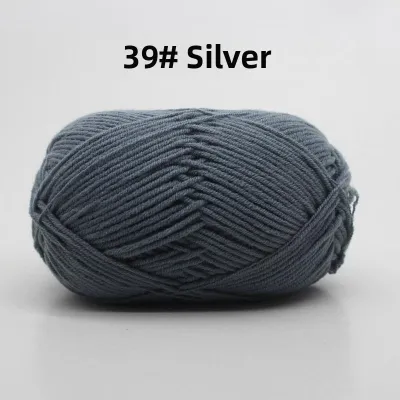
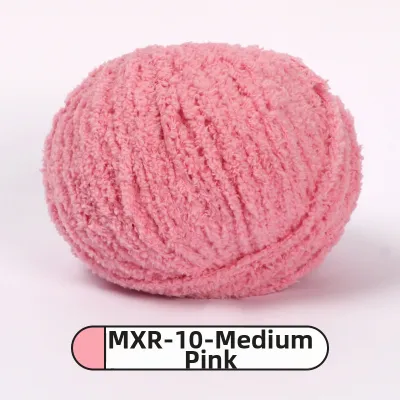
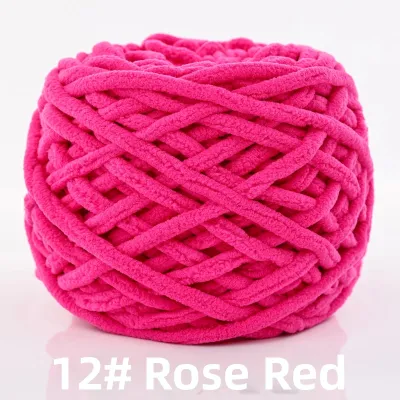
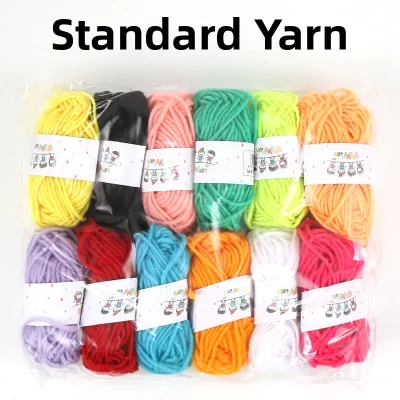
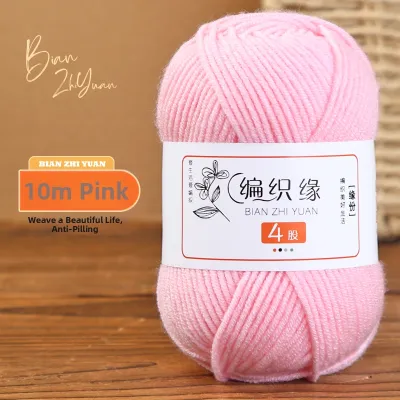
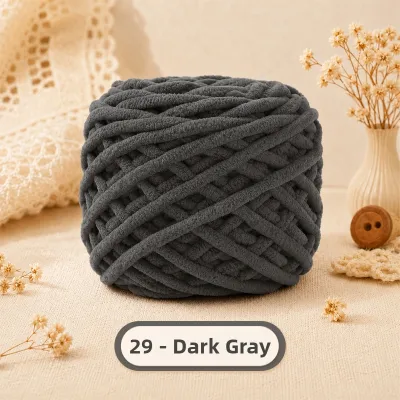
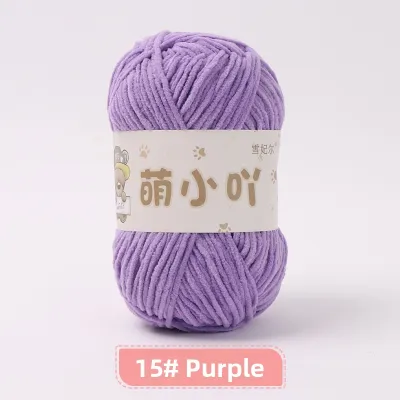
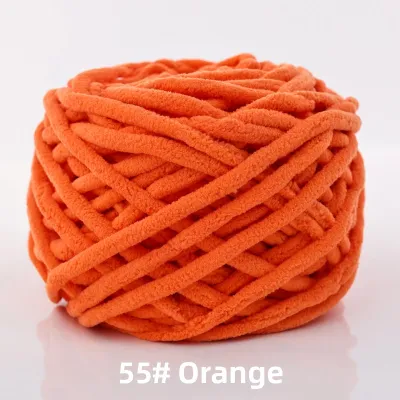
Prices are valid at publication and may change. Please refer to the product page for the latest price.
The structural longevity of your bag also depends heavily on yarn twist and ply. Plied yarns, which consist of multiple strands twisted together, offer significantly higher resistance to pilling, fraying, and structural breakdown than single-ply yarns. A tight twist binds the individual fibers closely, reducing the friction that causes wear during daily use. This tight construction not only enhances durability but also ensures that your stitches remain crisp and defined, preventing the fabric from loosening over time.
Environmental factors, particularly moisture absorption, play a critical role in how a bag maintains its shape. In humid tropical climates like Singapore’s, natural fibers can absorb significant moisture from the air. This absorbed water adds unexpected weight to the bag even before you place any items inside, which can alter the fiber’s tension and accelerate sagging. Understanding how a fiber interacts with ambient humidity helps you anticipate how your bag will behave during outdoor use or daily commutes.
Comparing Common Yarn Materials for Bag Making
Selecting the right fiber category involves balancing structural rigidity, weight, washability, and tactile comfort. Different materials offer distinct trade-offs that make them suitable for specific bag styles, from structured beach totes to flexible market shoppers.

Plant-Based and Cellulosic Fibers (Cotton, Raffia, Jute)
Plant-based fibers are highly favored for bag making due to their natural rigidity and minimal stretch compared to animal fibers like wool. Cotton is one of the most popular choices, offering excellent durability and machine washability. However, standard cotton has a natural tendency to stretch and sag under heavy loads over time. To mitigate this, look for mercerized cotton, which undergoes a treatment process that increases fiber strength, reduces elasticity, and adds a subtle sheen, or choose tightly spun cotton cords.
Raffia and paper yarns provide exceptional stiffness and lightweight structure, making them ideal for summer totes, clutches, and wide-brimmed hats. These materials excel at holding complex shapes without requiring internal support. The primary trade-offs are limited washability and lower abrasion resistance. Exposure to heavy rain or frequent friction can weaken the paper fibers, meaning these bags require gentle spot cleaning and careful handling.
Jute and hemp represent the most robust plant-based options, offering superior rigidity and a rustic, organic aesthetic. Their high tensile strength makes them virtually stretch-proof, which is excellent for heavy-duty market bags. However, these fibers are notoriously coarse and abrasive to work with, often causing hand fatigue during crocheting. The finished fabric can also feel rough against delicate clothing, making them less suitable for everyday shoulder bags.
Synthetic and Blended Fibers (Nylon, Acrylic, Polyester)
Synthetic fibers offer engineered solutions to the common limitations of natural materials, particularly regarding strength, weight, and moisture resistance. Nylon stands out for its exceptional tensile strength and outstanding abrasion resistance. It is highly resilient, making it the premier choice for heavy-duty market bags that need to carry substantial weight without tearing or stretching permanently. Nylon also resists moisture absorption, ensuring the bag remains lightweight even on humid days.
Acrylic yarn is widely available, lightweight, and easy to care for, but it generally lacks the structural memory required for load-bearing bags. Under the weight of daily essentials, standard acrylic stitches will stretch out and fail to spring back into shape, leading to a droopy appearance. If you choose to use acrylic, it must be reinforced with a fabric lining or worked in dense, tight stitch patterns to compensate for its lack of inherent structure.
Fiber blends offer a practical compromise by combining the best attributes of natural and synthetic materials. A cotton-acrylic or cotton-nylon blend, for example, pairs the natural rigidity and matte texture of cotton with the durability, stretch recovery, and lightweight properties of synthetics. These blends are often easier on the hands while crocheting and produce a balanced fabric that resists both sagging and pilling over extended use.
Yarn Construction and Weight Considerations
Beyond the raw fiber content, the physical architecture of the yarn determines how well your crochet stitches will support weight. Yarn weight categories play a decisive role in fabric density. Thicker yarns, such as bulky, super bulky, or t-shirt yarns, naturally create thicker, more self-supporting fabrics. T-shirt yarn, made from strips of knit fabric, offers excellent structure for large baskets and sturdy tote bags, though it can make the finished bag quite heavy even when empty.
For projects where you want structure without excessive weight, core-spun and tubular yarns are excellent alternatives. Tubular yarns consist of a woven outer sheath, often made of cotton or nylon, filled with a lightweight polyester core. This specialized construction provides built-in volume and structural stability, allowing you to crochet thick, sturdy walls that do not collapse, while keeping the overall weight of the bag manageable.
Regardless of the yarn you select, your hook size pairing is critical to achieving a stable fabric. To ensure your bag holds its shape, always use a crochet hook that is one to two sizes smaller than the manufacturer’s recommendation on the yarn label. This deliberate down-sizing forces you to work tight, compact stitches with minimal gaps. A dense stitch pattern, such as single crochet or waistcoat stitch, prevents the fabric from stretching diagonally and ensures that small items cannot slip through the stitches.
How to Test and Verify Yarn Suitability Before Crocheting
Before committing hours of labor to a full bag project, it is highly recommended to physically validate your chosen yarn’s performance through simple, observable tests. The stretch and recovery test is a quick way to assess a yarn’s elasticity. Cut a small length of yarn, measure it, and pull it firmly from both ends. Note how far it stretches and, more importantly, whether it snaps back to its original length immediately upon release or remains permanently elongated.
To evaluate how the yarn behaves under a realistic load, perform a swatch weight test. Crochet a small square swatch (approximately 10 by 10 centimeters) using your planned stitch pattern and hook size. Suspend the swatch from a hanger or rod, attach a representative weight—such as a small water bottle or a set of keys—to the bottom of the swatch, and leave it for a few hours. Measure the vertical stretch of the stitches before and after to observe how much sagging and stitch distortion occurs under tension.
Finally, always conduct a thorough label verification before purchasing your yarn from a local shop or online marketplace. Examine the manufacturer’s specifications for exact fiber percentages, as even a small percentage of nylon or polyester can significantly improve a cotton yarn’s durability. Check the recommended care instructions to ensure they align with how you plan to use the bag, and look for any structural warnings regarding colorfastness or stretching to avoid surprises after your project is complete.
Frequently Asked Questions (FAQ)
Do I need to add a lining to a crochet bag for it to hold its shape?
Adding a fabric lining is not always strictly necessary, but it is highly beneficial depending on your yarn choice and the bag’s intended use. If you are using highly elastic yarns like standard acrylic or loose cotton, or if you plan to carry heavy daily loads, a woven fabric lining (such as cotton canvas) is essential to absorb the weight and prevent the crochet fabric from stretching out. For bags made from highly rigid materials like raffia, jute, or tightly crocheted nylon cord, a lining may be omitted if the stitch pattern is dense enough to keep small items secure.
Can I use standard worsted weight acrylic yarn for a heavy-duty market bag?
Using standard worsted weight acrylic yarn for a heavy-duty market bag carries a high risk of severe stretching, handle failure, and structural distortion under load. Acrylic fibers lack the tensile strength and recovery needed to support heavy groceries or books. If you must use worsted weight acrylic, you can modify your approach by holding two strands of yarn together to increase thickness, using a much smaller hook to create an ultra-dense fabric, or reinforcing the handles with a non-stretch cotton tape or fabric lining to absorb the tension.

Community discussion
Share your experience or ask a question. Comments are reviewed before publication.