
Selecting the perfect yarn for a scarf requires balancing immediate next-to-skin comfort with long-term structural durability. Because a scarf is worn directly against the sensitive skin of the neck, choosing a yarn that is too scratchy will result in an uncomfortable accessory, while choosing a yarn that is too delicate will lead to rapid pilling, stretching, and wear. To find the ideal balance, knitters must evaluate yarn based on its fiber composition, ply construction, and twist style. By understanding these core material properties, you can confidently navigate any brand’s catalog to select a yarn that remains soft, beautiful, and intact for years to come.
Key Criteria for Evaluating Scarf Yarn Brands
When browsing different yarn brands, the fiber composition listed on the label is your first and most reliable indicator of how the finished scarf will perform. Natural fibers, synthetics, and blended yarns each bring distinct physical properties to a project. Natural animal fibers like wool and alpaca offer exceptional warmth and breathability, but they require gentle handling to prevent felting. Synthetic fibers like acrylic and nylon provide high tensile strength and easy machine-washability, but they lack the natural temperature regulation of animal fibers. Blended yarns seek to capture the best of both worlds, combining the luxurious feel of natural fibers with the rugged utility of synthetics.
Beyond fiber content, the physical construction of the yarn plays a critical role in its durability and resistance to pilling. Yarn is created by spinning loose fibers into single strands, which are then often twisted together to form plies. Single-ply yarns are incredibly soft and lofty because the individual fibers are relatively loose, but this lack of twist makes them highly susceptible to friction, causing them to pill and wear thin quickly. Multi-ply yarns, which consist of two or more strands twisted together, distribute friction more evenly across the structure. This twisting action locks the fibers in place, significantly reducing pilling and helping the scarf retain its shape over multiple seasons of wear.
Products mentioned in this guide
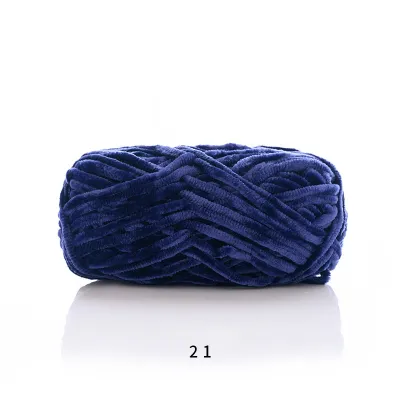
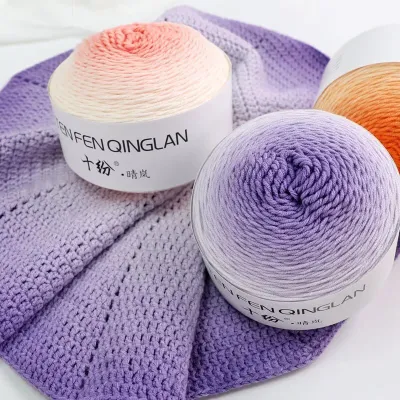
![[SG instock] 4-ply milk cotton high quality yarn crochet knitting wool 67 colours xuefeier mengwawa 雪妃尔萌娃娃4股毛线](https://img.lazcdn.com/g/ff/kf/S27181de28d384245aa0fa497708f982ci.jpg_400x400q80.jpg_.webp)
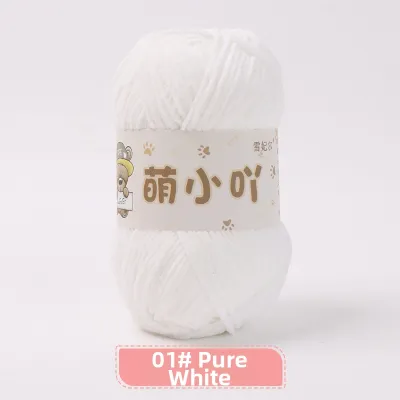
![[STOCK CLEARANCE] 20mm wide T-shirt yarn / Fabric yarn for crochet knitting macrame](https://img.lazcdn.com/g/p/6035654e4f7acb3ad66c3a768b61b8df.jpg_400x400q80.jpg_.webp)
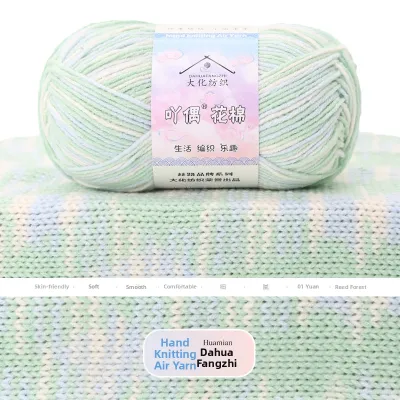
Prices are valid at publication and may change. Please refer to the product page for the latest price.
Reading the yarn label accurately is an essential skill for identifying quality across different brands. A comprehensive label provides the fiber percentages, weight classification, recommended knitting needle sizes, and care instructions. Some premium brands also specify the micron count of their wool, which measures the average diameter of the individual fiber shafts. A lower micron count, typically under 21 microns, indicates exceptionally fine fibers that feel smooth and non-irritating against the skin. Additionally, checking the country of origin and manufacturing details on the label can give you insight into the quality control standards used during the spinning and dyeing processes.
Best Fiber Blends for Softness and Durability
For maximum next-to-skin comfort, merino wool and alpaca are highly favored by knitters worldwide. Merino wool fibers are naturally fine, crimped, and springy, allowing them to trap air for warmth while remaining incredibly soft to the touch. Alpaca fiber is hollow, making it exceptionally lightweight and warm, with a luxurious, silky drape. However, both fibers have a natural tendency to pill when subjected to the constant friction of being worn around the neck and rubbed against outerwear. To mitigate this, look for brands that offer these luxury fibers blended with a small percentage of reinforcing materials, or opt for high-twist varieties that keep the loose fibers secure.

In warmer tropical climates or for transitional seasonal wear, cotton, bamboo, and linen blends offer an excellent alternative to heavy animal fibers. In places like Singapore, where heavy winter wools are impractical for daily use, lightweight plant-based fibers provide the perfect balance of breathability and style. Bamboo yarn features a natural, silk-like sheen and a cool, fluid drape that feels incredibly soothing against the skin. While pure cotton or linen can sometimes feel stiff or inelastic to knit with, blending them with softer companion fibers like acrylic, silk, or fine wool creates a fabric that is both structurally stable and comfortable to wear.
Strategic additions of acrylic and nylon are highly effective at enhancing the structural integrity and ease of maintenance of a scarf. A blend containing 15% to 25% nylon, often listed as polyamide on yarn labels, dramatically increases the tensile strength of the yarn. Nylon acts as a durable core that binds the softer fibers together, preventing them from breaking or shedding. Acrylic additions help the yarn resist stretching and sagging over time, ensuring that a long, heavy scarf maintains its original dimensions even after repeated wear and washing.
Matching Yarn Weight and Texture to Your Scarf Design
Choosing the right yarn weight from a brand’s collection is crucial for achieving the desired warmth, drape, and knitting experience. Worsted and Aran weight yarns are classic choices for traditional, cozy winter scarves. These medium-to-thick yarns knit up quickly on larger needles, making them highly satisfying for beginners and experienced knitters alike. They provide excellent stitch definition, which makes them ideal for showcasing intricate textured patterns such as cables, ribbing, and seed stitch. The inherent thickness of worsted yarn also provides a reassuring structure that keeps cold winds at bay.
For lighter, more elegant wraps and scarves that flow gracefully, DK and Sport weight yarns are highly versatile options. These lighter weights produce a thinner, more flexible fabric that can be wrapped multiple times around the neck without creating excessive bulk. This makes them perfect for indoor wear in air-conditioned environments or for styling as a fashionable accessory rather than purely functional cold-weather gear. The drape of a DK weight scarf allows the fabric to fall in soft, flattering folds, enhancing the overall aesthetic of the finished piece.
Texture and twist tightness also heavily influence how soft a yarn feels against the skin. A tightly twisted yarn, often referred to as a high-twist or crepe-twist yarn, creates a round, smooth strand that minimizes the fuzzy “halo” on the surface of the fabric. While this tight twist makes the yarn highly durable and resistant to snagging, it can sometimes result in a slightly firmer fabric. Conversely, a loosely twisted yarn maximizes the natural loft and softness of the fibers, creating a cozy, brushed texture. However, this loose structure is more prone to catching on jewelry and pilling, requiring a careful trade-off based on your lifestyle and wear habits.
Building Your Shortlist: What to Look for in Brand Descriptions
When searching online craft stores or local specialty shops, look for specific terminology in brand descriptions to identify high-quality options. One key term to look for is “superwash” wool. Superwash yarns have undergone a specialized treatment process that either removes or smooths down the microscopic scales on the wool fibers, preventing them from interlocking and felting when exposed to moisture and agitation. This treatment makes the finished scarf much easier to care for, often allowing for machine washing on a gentle cycle, though hand-washing remains the safest method for preserving the scarf’s texture.
Community reviews and knitter forums are invaluable resources for evaluating how a specific yarn brand performs over time. Look for feedback regarding colorfastness, especially for deeply saturated or multi-colored hand-dyed yarns, to ensure the colors will not bleed onto your clothing during wear or washing. Pay attention to comments about dye lot consistency; reputable brands label their skeins with specific dye lot numbers, and purchasing skeins from the same lot is essential to avoid subtle, visible color shifts in the middle of your scarf. Reviews will also quickly highlight if a yarn is prone to splitting during knitting, which can frustrate your progress.
To calculate the true value of a yarn, compare the yardage per gram rather than focusing solely on the upfront price in S$. A skein of yarn that appears inexpensive may contain very little yardage, requiring you to purchase multiple skeins to complete a standard scarf. Conversely, a premium skein with a higher price tag might offer generous yardage, meaning you only need one or two skeins for the entire project. By dividing the total price by the usable yardage, you can make an objective financial comparison between different brands and product lines.
Practical Tips for Testing and Caring for Your Chosen Yarn
Before committing hours of labor to knitting a full scarf, it is highly recommended to knit and wash a small gauge swatch. A swatch, typically measuring at least 10 by 10 centimeters, acts as a trial run for your chosen yarn and needle combination. Once knitted, wash and block the swatch exactly as you plan to care for the finished scarf. This process reveals how the fibers react to water; some yarns may bloom and become significantly softer, while others might stretch out of shape or shrink. Measuring the swatch before and after washing allows you to adjust your needle size or stitch count to achieve the perfect dimensions.
Once your swatch is fully dry, use it to conduct a simple skin-sensitivity test. Tuck the blocked swatch inside your collar and wear it against your neck for a few hours as you go about your day. Because the neck is far more sensitive than your hands, a yarn that felt perfectly soft in the skein might begin to tickle or irritate after prolonged contact. This test ensures that you will actually enjoy wearing the finished scarf rather than relegating it to the back of your closet due to minor skin irritation.
To maximize the lifespan of your hand-knitted scarf, always follow the specific care instructions provided on the yarn label. Even superwash and synthetic blends benefit from gentle hand-washing in cool water with a mild, pH-neutral wool wash. Avoid wringing or twisting the wet scarf, as this can stretch and distort the stitches; instead, gently press out excess water using a clean towel. Lay the scarf flat on a dry towel, shaping it gently to its correct dimensions, and allow it to air-dry away from direct sunlight and heat sources. Store your dry scarf folded flat in a breathable drawer rather than hanging it, which can cause the fabric to stretch out over time.
Frequently Asked Questions (FAQ)
Is acrylic yarn a good choice for a soft scarf?
Acrylic yarn can be an excellent, budget-friendly choice for a soft scarf, especially for those with sensitive skin or wool allergies. Modern manufacturing techniques have allowed brands to produce premium acrylics that mimic the loft and softness of natural fibers without the scratchiness sometimes associated with lower-grade wools. Acrylic is highly durable, resistant to moths, and generally machine-washable, making it incredibly easy to maintain. However, acrylic lacks the natural breathability of wool or cotton, meaning it can trap heat and moisture, which may feel uncomfortable or sweaty in humid climates or during active wear.
How many skeins of yarn do I typically need for a standard scarf?
For a standard adult scarf measuring approximately 15 to 20 centimeters wide and 150 to 180 centimeters long, you will generally need between 180 and 300 meters of yarn. The exact number of skeins required depends heavily on the yarn weight and the yardage of each individual skein. For example, a project using worsted weight yarn typically requires two to three standard 100-gram skeins, whereas a lightweight scarf using fingering or sport weight yarn might only require one or two skeins. Always check your specific pattern requirements and compare the total yardage listed on the yarn labels before making your purchase.

Community discussion
Share your experience or ask a question. Comments are reviewed before publication.