
To find the best wrapping papers in Singapore, you must balance paper weight (measured in GSM), design variety, and the specific gifting occasion. For premium, artistic designs, brands like Rifle Paper Co. and Cavallini & Co.—available at local specialty boutiques and stationery shops—offer heavy-duty, luxurious sheets with rich textures. For high-volume everyday gifting, accessible options from Muji, IKEA, and local stationery chains provide excellent value. Selecting the right brand requires looking beyond the surface pattern to evaluate the physical characteristics of the paper, ensuring it folds cleanly without tearing or resisting tape.
This guide outlines how to judge wrapping paper quality, highlights top premium and budget-friendly brands available in Singapore, explores eco-friendly alternatives, and compares physical retail with online shopping channels to help you make the perfect choice.
How to Judge Wrapping Paper Quality Before You Buy
Evaluating wrapping paper quality before purchasing prevents the frustration of tears, visible gift shapes, and failed tape adhesion during the wrapping process. The physical properties of the paper dictate how easily it folds and how polished the final presentation looks.
Products mentioned in this guide
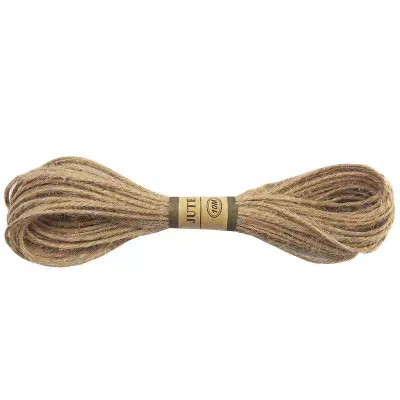
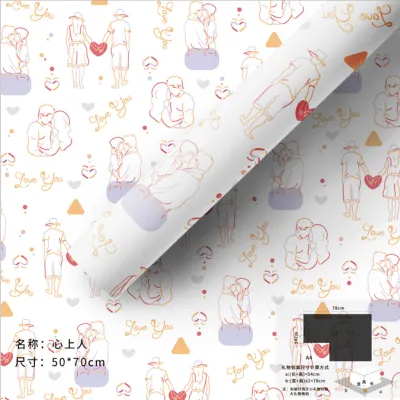
![[Best Seller] Clearance sale! Cute Unicorn/Flamingos/Panda/Space/Cartoon/Childrens favorite style DIY Gift Wrapping Paper](https://img.lazcdn.com/g/p/23fd53f34e81efc7800377f72ba9ea74.jpg_400x400q80.jpg_.webp)
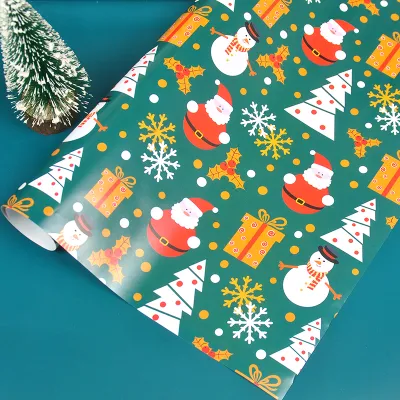
![[SG] Cartoon Animal gift wrapping paper Fast Shipping DIY packaging paper Birthday package Gift wrapper packing paper Christmas Childrens day](https://img.lazcdn.com/g/p/67618f503ad85b0eacf0b40e1929a55e.jpg_400x400q80.jpg_.webp)
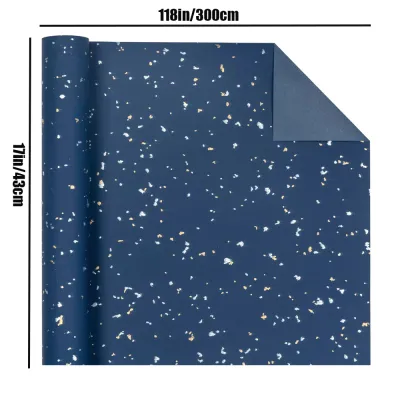
Prices are valid at publication and may change. Please refer to the product page for the latest price.
Paper Weight and Thickness (GSM)
Grammage, or Grams per Square Meter (GSM), is the standard metric used to measure paper thickness. Wrapping paper typically ranges from 50 GSM to 120 GSM, and selecting the correct weight is crucial for a smooth wrapping experience.
- 50 to 65 GSM (Thin): Often found in budget-friendly bulk rolls. This paper is highly prone to tearing at sharp corners and is frequently translucent, meaning the recipient might see the product packaging or box design right through the paper. It requires careful handling and is best reserved for soft, rounded items wrapped in tissue paper first.
- 70 to 90 GSM (Standard/Medium): The ideal sweet spot for general gift wrapping. It is thick enough to remain completely opaque and resist tearing, yet pliable enough to form crisp, clean folds along box edges without requiring excessive pressure.
- 100 to 120 GSM (Heavy/Premium): Typically used for luxury or designer wrapping papers. This weight feels incredibly substantial and premium to the touch. However, it requires deliberate folding techniques—often aided by a bone folder—because the stiffness can cause the paper to spring back, putting extra strain on your adhesive tape.
Surface Textures and Coatings
How a paper is finished affects both its tactile appeal and its compatibility with different types of adhesive tape. Understanding these surface treatments helps you match the paper to the right wrapping tools.
- Glossy Finishes: Highly vibrant and reflective, glossy papers make colorful patterns pop. However, they show fingerprints easily and can resist standard cellulose sticky tape. For glossy papers, a high-tack double-sided tape or specialized gift-wrapping tape is recommended to prevent the seams from popping open.
- Matte and Uncoated Finishes: These papers offer a modern, sophisticated look and excellent tape adhesion. Uncoated papers, such as natural kraft paper, absorb ink deeply, resulting in softer, more muted color palettes. They are highly forgiving to work with and hold creases exceptionally well.
- Soft-Touch and Embossed Textures: Premium papers may feature a velvety soft-touch coating or physical embossing. These tactile surfaces feel luxurious but have very low surface energy, meaning standard tapes will struggle to adhere. You will often need to secure these wraps with decorative ribbons, twine, or heavy-duty double-sided tape.
Print Quality and Ink Stability
High-quality wrapping paper features precise print registration and stable inks that do not degrade during the folding process. You can verify print quality through a few simple visual and physical checks.
First, examine the alignment of repeating patterns. On lower-quality prints, you may notice color overlapping or thin white gaps where the ink layers failed to align properly. Next, perform a quick scratch test by gently rubbing a clean fingernail over a printed area; high-quality inks will not flake, smudge, or transfer to your skin.
Finally, test the ink’s flexibility by folding a small corner of the paper tightly. Poor-quality inks will crack along the crease line, exposing the white paper fibers underneath and leaving unsightly white lines along your gift’s edges. Premium papers use flexible inks that bend with the paper fibers to maintain a seamless color gradient.
Roll Edges, Core Sturdiness, and Flat Sheets
When buying rolls, inspect the ends to ensure they are not dented, frayed, or crushed. Damaged roll edges result in wasted paper, as you will have to trim off the ruined margins before wrapping.
Press the center of the roll gently to check the sturdiness of the inner cardboard core. A flimsy core allows the roll to bend during transport and storage, creating permanent diagonal creases across the entire length of the paper. If you are purchasing flat sheets, verify that they are cut precisely at 90-degree angles; crooked sheets make it incredibly difficult to align patterns and achieve symmetrical folds.
Premium and Designer Brands for Special Occasions
Milestone events such as weddings, corporate gifting, significant birthdays, and luxury product packaging call for premium wrapping papers. These papers elevate the act of gifting into an sensory experience, showcasing beautiful craftsmanship and sophisticated aesthetics.

Material Characteristics of Premium Gift Wraps
Premium wrapping papers are distinguished by their heavy-weight stock, often utilizing acid-free archival paper or cotton-blend fibers. They frequently incorporate specialized printing techniques that add physical dimension and visual depth:
- Foil Stamping: Metallic foils in gold, silver, bronze, or rose gold are pressed into the paper, catching the light beautifully and adding a reflective contrast to matte backgrounds.
- Embossing and Debossing: Raised or recessed patterns create a physical texture that can be felt, adding a tactile layer of luxury.
- Art-Grade Printing: High-fidelity lithographic or screen printing ensures rich, saturated colors that do not fade or rub off on your fingers.
Signature Aesthetics and Where to Find Them in Singapore
Several internationally acclaimed and local designer brands are widely available in Singapore’s premium stationery boutiques, offering distinct design aesthetics to suit diverse tastes.
- Rifle Paper Co.: Famous for its whimsical, hand-painted botanical illustrations, lush floral patterns, and signature metallic gold accents. Their papers are printed on high-quality, forest-friendly FSC-certified paper. You can find their curated sheets and rolls at specialty stationery stores like PaperMarket (located at Great World) and NBC Stationery & Gifts (with outlets in Takashimaya and Bugis Junction).
- Cavallini & Co.: Renowned for vintage-inspired designs, including archival botanical charts, vintage world maps, anatomical drawings, and classic travel posters. Printed on heavy Italian luxury paper, these flat sheets are so high in quality that many recipients frame them as wall art. They are regularly stocked at Hands (formerly Tokyu Hands, located at Orchard Central and Great World) and independent boutique gift shops.
- Kikki.K: Offering a clean, Scandinavian-inspired aesthetic, this brand features minimalist geometric patterns, soft pastel color palettes, and elegant gold-foil details. Their wrapping supplies are available at their physical boutique outlets and official online storefronts in Singapore.
Elevating Premium Papers with Accessories
To complement the beauty of designer wrapping paper, avoid cheap plastic ribbons. Instead, pair these heavy-weight papers with high-quality embellishments:
- Natural Fiber Ribbons: Use double-faced satin, herringbone cotton, or pure silk ribbons to add a soft, elegant contrast to the crisp paper edges.
- Wax Seals: Secure the folds or attach a gift tag using a traditional wax seal. Choose metallic wax colors that match the foil accents on the paper.
- Botanical Accents: Tuck a sprig of dried lavender, eucalyptus, or a single pressed flower under the ribbon for a natural, organic touch.
- Thick Cardstock Tags: Use heavy, textured gift tags with hand-written calligraphy to complete the bespoke presentation.
Everyday and Budget-Friendly Brands for High-Volume Gifting
For high-volume gifting scenarios—such as children’s birthday parties, mass festive wrapping during Christmas or Chinese New Year, and casual hostess gifts—premium designer paper is rarely practical. Instead, look for reliable, budget-friendly brands that offer great design variety without compromising on basic usability.
Material Traits of Budget-Friendly Wrapping Paper
Everyday wrapping papers typically feature a standard weight of 70 to 80 GSM. To maximize value, look for specific packaging formats:
- Jumbo Rolls: Often extending from 5 to 10 meters in length, these rolls provide the lowest cost per square meter, making them ideal for wrapping large items or numerous gifts.
- Double-Sided Prints: These clever rolls feature coordinating patterns on either side of the paper. This not only offers excellent design variety from a single purchase but also allows you to fold back the edges to create a contrasting decorative border.
- Pre-Cut Flat Sheet Packs: Often sold in coordinated books or multi-packs, these are excellent for wrapping small to medium-sized items quickly without having to manage a large, unrolling cylinder.
Overcoming the Limitations of Thinner Papers
Thinner, budget-friendly papers can be slightly translucent and tear easily when stretched over sharp box corners. You can easily mitigate these issues using a few practical wrapping techniques:
If your wrapping paper is thin enough that the product box’s branding shows through, wrap the gift in a single layer of plain white tissue paper or clean white butcher paper first. This creates a solid, neutral background that preserves the vibrant colors of your outer wrapping paper.
To prevent tears on sharp corners, apply a small piece of clear tape directly over the sharpest points of the inner box before wrapping. This reinforces the stress points. When folding, avoid pulling the paper too tightly; instead, guide the paper gently into place and secure it with double-sided tape to distribute the tension evenly.
Where to Buy Reliable Budget Wrapping Supplies in Singapore
Singapore has several excellent retail chains known for stocking diverse, affordable wrapping options:
- IKEA: Known for its minimalist, modern Swedish designs and festive seasonal collections. IKEA offers thick, durable rolls at highly competitive prices, often featuring playful geometric patterns and eco-conscious paper stocks.
- Daiso: A staple for budget shopping, offering an extensive range of character-themed papers, holographic foils, traditional Japanese patterns, and convenient pre-cut sheets. Their flat price point makes it easy to stock up on a wide variety of styles.
- Spotlight: This mega-store stocks massive rolls of wrapping paper, particularly during major festive seasons. It is an excellent destination for buying bulk rolls, solid-color kraft papers, and matching ribbons in large quantities.
- Popular Bookstore: Located in almost every neighborhood across Singapore, Popular stores stock a reliable selection of everyday wrapping papers, gift bags, and basic adhesive tapes, making last-minute gift preparation incredibly convenient.
Smart Storage Tips for Large Rolls
To prevent your everyday rolls from becoming creased, dusty, or unraveled between gifting events, store them properly in Singapore’s humid climate:
- Vertical Storage: Place your rolls upright in a tall, dry laundry basket, a clean rubbish bin, or a dedicated vertical wrapping paper organizer. This prevents the rolls from being flattened or crushed under other items.
- Secure the Loose Edges: Avoid using sticky tape to hold a roll closed, as peeling it off later will tear the outer layer of paper. Instead, slide an empty toilet paper roll (cut vertically down one side) over the wrapping paper roll to act as a gentle, removable collar. Alternatively, use soft elastic bands or fabric ribbons.
- Moisture Protection: Store your paper in a dry cupboard away from direct sunlight and high humidity, which can cause the paper fibers to warp or become limp over time.
Eco-Friendly and Sustainable Wrapping Paper Choices
Traditional wrapping papers with glossy plastic laminations, metallic foils, or heavy glitter cannot be recycled and contribute significantly to landfill waste. Choosing sustainable wrapping materials allows you to create beautiful presentations while minimizing your environmental footprint.
Key Features of Sustainable Wrapping Papers
When searching for genuinely eco-friendly wrapping options, look for materials that prioritize renewable sourcing and clean manufacturing processes:
- 100% Recycled Content: Paper made entirely from post-consumer waste reduces the demand for virgin wood pulp and saves water and energy during production.
- FSC-Certified Kraft Paper: The Forest Stewardship Council (FSC) logo guarantees that the wood fibers were harvested from responsibly managed forests that support biodiversity and local communities.
- Plastic-Free and Uncoated: Avoid papers with shiny plastic film coatings. Uncoated papers are fully biodegradable and can be easily processed by standard recycling facilities.
- Water-Based or Vegetable Inks: Traditional petroleum-based inks release volatile organic compounds (VOCs) and contaminate the recycling process. Look for brands that use soy, vegetable, or water-based inks.
The Aesthetic Appeal of Eco-Friendly Gift Wrap
Sustainable wrapping does not mean sacrificing style; indeed, it offers a highly sought-after rustic, organic, and minimalist aesthetic. The natural, warm brown tone of unbleached kraft paper serves as a beautiful canvas for creative embellishments.
Instead of synthetic plastic ribbons, decorate your eco-friendly gifts with natural jute twine, cotton string, or raffia. You can tuck fresh or dried botanical elements under the twine—such as dried orange slices, cinnamon sticks, rosemary sprigs, or pressed leaves—to add visual interest and a subtle, natural fragrance. For custom patterns, use a hand-carved wooden stamp with non-toxic, water-based ink to print personalized designs directly onto plain kraft paper.
Spotting Greenwashing on Product Labels
Be cautious of products labeled with vague terms like “natural,” “green,” or “eco-friendly” without any supporting certifications. True sustainability can be verified by looking for specific, regulated labels:
Look for the official FSC Mix or FSC Recycled logos printed on the packaging or the inner core of the roll. Check for a clear statement indicating that the paper is “100% recyclable” and “printed with soy-based inks.” If a paper is highly glossy but claims to be recyclable, verify whether it specifies a water-based coating rather than a plastic laminate.
Eco-Conscious Stationery Brands and Stores in Singapore
Singapore offers several excellent avenues for sourcing verified sustainable wrapping materials:
- Muji: Renowned for its minimalist Japanese philosophy, Muji stocks excellent rolls of unbleached, recycled kraft paper and simple, sturdy paper bags. Their plain designs are perfect for customizing with stamps or natural twine.
- The Social Space & Neis Haus: These local zero-waste lifestyle stores and eco-boutiques stock curated selections of sustainable wrapping papers, FSC-certified gift tags, and natural cotton ribbons.
- IKEA: A leader in accessible sustainability, IKEA's seasonal paper wraps are increasingly made from FSC-certified or recycled sources, clearly labeled on the product packaging.
Understanding the End-of-Life Cycle
To ensure your wrapping paper actually gets recycled or composted, it must be disposed of correctly. Uncoated, non-laminated kraft papers printed with vegetable inks can be placed directly into Singapore’s blue recycling bins or added to home compost bins, where they will break down naturally.
Conversely, any paper decorated with plastic laminates, metallic foil stamping, or micro-glitter must be disposed of in the general waste, as these synthetic materials contaminate paper recycling batches and do not biodegrade.
Where to Buy Wrapping Papers in Singapore: Retail vs. Online
Choosing whether to buy your wrapping paper from a physical retail store or an online marketplace depends on your timeline, your budget, and how critical tactile verification is to your gifting presentation.
The Advantages of In-Store Shopping
Shopping at brick-and-mortar stationery hubs, department stores, and independent boutiques across Singapore offers several distinct benefits that online shopping cannot replicate:
- Tactile Verification: You can physically touch the paper to assess its weight, stiffness, and surface texture, ensuring it meets your specific standards for folding and durability.
- True Color Accuracy: Retail lighting allows you to see the exact shades and metallic foil reflections of the paper, eliminating the risk of color discrepancies caused by calibrated phone or computer screens.
- Immediate Availability: If you have a last-minute gifting emergency, physical stores allow you to purchase and use the paper immediately without waiting for shipping.
Excellent physical shopping destinations in Singapore include NBC Stationery & Gifts (Takashimaya, Bugis Junction) for premium Japanese and international brands, Hands (Orchard Central, Great World) for unique flat sheets and creative packaging tools, and PaperMarket (Great World) for designer collections and matching embellishments.
A Strategic Guide to Online Shopping
When buying wrapping paper on e-commerce platforms or official brand websites, you gain access to an unparalleled variety of designs and competitive bulk pricing. To ensure a successful purchase, follow these strategic steps:
First, analyze customer reviews thoroughly. Look specifically for uploaded buyer photos to verify how the colors look in real-world lighting. Read the text of the reviews to check for common complaints, such as the paper being “too thin,” “tearing easily,” or “having a strong chemical smell.”
Second, pay close attention to the product specifications. Verify the dimensions (length and width) and the GSM rating. Many online listings use mock-up images that make rolls look much larger than they actually are; always rely on the written measurements rather than the promotional photos.
Crucial Delivery Precautions
One of the biggest risks of buying wrapping paper online is damage during transit. If a seller ships paper rolls in soft plastic mailers or thin bubble wrap, the rolls will almost certainly arrive dented, crushed, or creased, making them highly frustrating to wrap with.
Before placing an order, check the product description or message the seller to confirm that they ship rolls inside a hard cardboard mailing tube or a sturdy box. For flat sheets, ensure they are shipped flat between thick cardboard sheets rather than folded, as folded sheets will have permanent creases that ruin the clean lines of your wrapped gifts.
Maximizing Value Online
To get the best value when shopping online, look for multi-roll value packs or curated theme sets that bundle coordinating papers, ribbons, and gift tags together. This often reduces the cost per item significantly. Additionally, combine your wrapping paper purchase with other essential stationery items—such as double-sided tape, scissors, or greeting cards—to easily meet the minimum spend required for free local shipping in Singapore.
Frequently Asked Questions (FAQ)
How much wrapping paper do I need for a standard gift box?
To ensure you cut the perfect amount of paper without wasting material, use this simple measurement formula:
- Length of Paper: Wrap the paper around the box once. The paper should overlap by about 5 to 10 centimeters to allow for a clean seam. (Formula: 2 x Box Height + 2 x Box Width + 8cm overlap).
- Width of Paper: The paper extending past each open end of the box should be slightly more than half the depth of the box. This ensures that when you fold the flaps inward, they meet in the center and cover the box completely without leaving gaps. (Formula: Box Length + 2 x Box Height).
A quick visual check is to place your gift box in the center of the cut paper. Fold the paper up the sides; the sheets should easily meet and overlap at the top, and the side flaps should extend past the halfway point of the box’s side panels.
Can glossy or metallic wrapping paper be recycled in Singapore?
Generally, wrapping papers that feature high-gloss plastic laminations, metallic foil stamping, heavy glitter, or wax coatings cannot be recycled in Singapore’s blue recycling bins. These synthetic additives cannot be separated from the paper fibers during the pulping process, leading to contaminated batches.
To determine if your wrapping paper is recyclable, perform the scrunch test:
Crumple a piece of the wrapping paper tightly into a ball in your hand, then release your grip. If the paper remains scrunched in a tight ball, it is made of pure paper fibers and can be safely recycled. If the paper immediately bounces back, unfolds itself, or feels plasticky, it contains synthetic laminates or foils and must be disposed of in the general waste bin.
What are the best reusable alternatives to traditional wrapping paper?
If you want to bypass single-use paper entirely, several beautiful and highly sustainable alternatives are readily available:
- Furoshiki: This traditional Japanese method uses beautiful square pieces of fabric—such as cotton, linen, or silk—to wrap gifts using elegant knotting techniques. The fabric itself becomes a secondary, reusable gift that the recipient can use for wrapping, as a scarf, or as a bag.
- Reusable Canvas or Cotton Gift Bags: High-quality drawstring bags made from natural canvas, cotton, or burlap can be reused indefinitely. They are particularly excellent for wrapping oddly shaped items that are difficult to wrap with paper.
- Upcycled Paper Materials: Give a second life to materials you already have at home. Vintage newspapers, old maps, sheet music, or colorful pages from high-end fashion magazines make incredibly stylish, retro-inspired wrapping options that can be recycled normally after use.

Community discussion
Share your experience or ask a question. Comments are reviewed before publication.