
Shipping fragile glass bottles through modern logistics networks requires a specialized packaging strategy. Whether you are a local collector moving houses, an e-commerce merchant distributing artisanal vintages to customers across Singapore, or someone mailing a celebratory gift, understanding the nuances of protective packaging is essential. The primary category of protective packaging, commonly referred to as wine bubble wrap, represents a diverse range of materials engineered specifically to absorb kinetic energy, resist punctures, and prevent catastrophic breakage. Selecting the right option involves evaluating your shipping volume, the specific dimensions of your bottles, and the level of impact resistance required to survive transit.
To secure your bottles effectively, you must balance the physical requirements of the glass with the operational realities of your packing process. A standard bottle of wine is heavy, rigid, and highly vulnerable to shock at specific structural points, such as the neck and the base. By choosing a packaging material with the correct bubble profile, thickness, and design, you can ensure your bottles arrive intact, regardless of how many times they are handled during sorting and delivery.
Quick Guide: How to Choose the Right Wine Bottle Bubble Wrap
Preventing glass breakage during transit requires packaging that can mitigate three distinct physical threats: impact, compression, and vibration. When a parcel is dropped or stacked under heavier items, the glass experiences sudden forces that can easily exceed its structural limits. The primary goal of wine bubble wrap is to decelerate the impact, distributing the force across a cushioned surface area rather than allowing it to concentrate on a single point of the glass.
Products mentioned in this guide
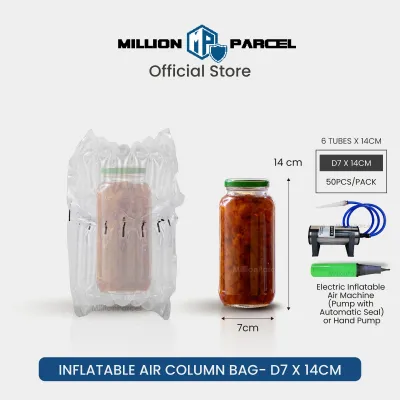
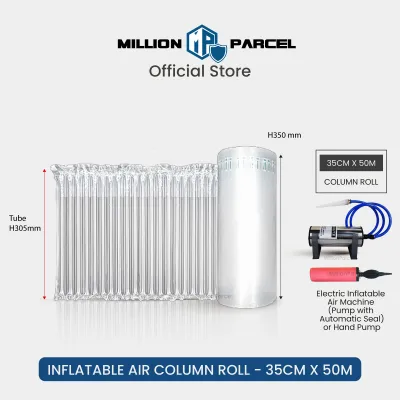
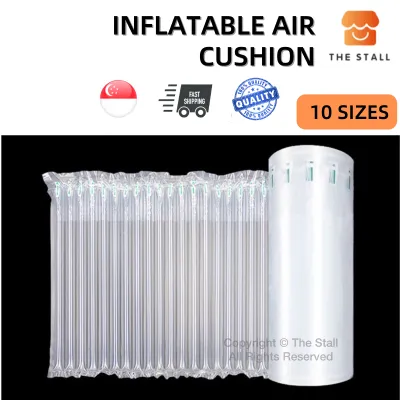
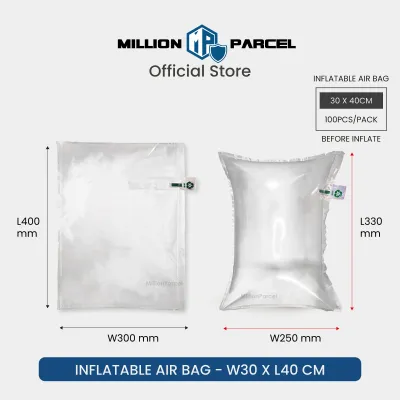
Prices are valid at publication and may change. Please refer to the product page for the latest price.
To choose the correct protective packaging, you must evaluate three primary decision dimensions:
- Bottle Size and Shape Compatibility: Standard 750ml bottles are not uniform. High-shouldered Bordeaux bottles, wide-bottomed Burgundy bottles, slender Alsace flutes, and thick-glassed Champagne bottles all have different physical profiles. Your chosen wrap must conform tightly to these distinct shapes without leaving unprotected gaps.
- Material Thickness: Measured in microns (or mils), the thickness of the plastic film determines its resistance to popping under pressure. Heavy glass bottles require thick, multi-layered films that can support substantial weight without deflating.
- Packaging Format: You must decide between continuous rolls, pre-made sleeves, or inflatable air columns. This choice directly impacts your preparation speed and storage requirements.
Ultimately, the best option depends on your specific shipping volume and frequency. Occasional shippers sending a single gift or packing up a personal collection for a domestic move will find versatile bubble rolls or simple sleeves highly cost-effective. Conversely, commercial operations or frequent shippers who handle dozens of bottles weekly will benefit significantly from specialized, high-protection inflatable air columns that streamline the packing workflow and offer superior drop protection.
Types of Bubble Wrap and Protective Packaging for Wine
Understanding the distinct formats of protective packaging allows you to match the material to your operational scale, storage constraints, and budget. While all these options utilize air cushioning, their structural designs and levels of protection vary significantly.

Traditional Bubble Wrap Rolls
Traditional bubble wrap rolls are the most familiar and versatile packaging medium. Available in various lengths and bubble sizes, these rolls allow you to custom-cut the exact amount of material needed for any object. For wine bottles, this versatility is a major advantage, as a single roll can protect an assortment of bottle shapes, from slender dessert wines to oversized magnum bottles.
However, traditional rolls demand a high level of manual labor. You must manually measure, cut, wrap, and tape the material around each bottle, which introduces human error and inconsistency in packaging quality. Additionally, storing large, uninflated rolls of bubble wrap requires significant physical space, which can be a major constraint in compact Singaporean apartments or small commercial offices.
Pre-Made Bubble Wrap Bags and Sleeves
Pre-made bubble wrap bags and sleeves are manufactured specifically to fit standard 750ml bottles. These sleeves feature open tops, and many include a self-sealing adhesive lip or a fold-over flap. To use them, you simply slide the wine bottle into the sleeve and seal the opening, eliminating the need for separate cutting and taping.
This format dramatically reduces packing time, making it highly efficient for moderate-volume shippers. The protection is uniform across every bottle, ensuring consistent results. The primary limitation of pre-made sleeves is their lack of dimensional flexibility; they are typically optimized for standard Bordeaux or Burgundy shapes and may not accommodate wider sparkling wine bottles or larger spirit carafes.
Air Column Bags (Inflatable Wine Shippers)
Though technically distinct from traditional bubble wrap, inflatable air column bags represent the modern industry standard for high-security wine shipping. These bags consist of multiple independent, vertical air chambers made from co-extruded plastic films. They are shipped completely flat and are inflated on demand using a simple hand pump, foot pump, or a small electric air compressor.
Once inflated, the air columns form a rigid, 360-degree protective shield around the bottle. Because the chambers are independent, a puncture in one column will not cause the rest of the bag to deflate. This format offers the highest level of impact absorption available. Furthermore, because they are stored flat prior to use, they require a fraction of the storage space needed for traditional bubble wrap rolls.
| Packaging Type | Storage Space Required | Preparation Time per Bottle | Relative Impact Protection | Best Suited For |
|---|---|---|---|---|
| Traditional Rolls | High | High (Manual cutting/taping) | Moderate | Diverse bottle sizes, low volume |
| Pre-Made Sleeves | Moderate | Low (Slide-in and seal) | Moderate to High | Standard 750ml bottles, medium volume |
| Air Column Bags | Extremely Low (Stored flat) | Low (Inflate on demand) | Very High | High-value bottles, commercial shipping |
Key Specifications to Check Before Buying
To ensure your selected packaging can withstand the physical demands of transporting heavy, fragile glass, you must look past generic product descriptions and verify specific technical specifications. Paying attention to these details prevents the common mistake of buying light-duty wrap that fails under load.
Bubble Size and Geometry
Bubble wrap is generally categorized by bubble diameter and height. Small bubbles (typically 10mm in diameter and 4mm in height) are excellent for preventing surface scratches and wrapping tight curves, but they offer limited depth of cushioning. For heavy glass bottles, large bubbles (typically 25mm or more in diameter and 10mm to 12mm in height) are highly recommended. The larger air volume provides a greater deceleration distance, allowing the packaging to absorb much heavier impacts before the force reaches the glass.
Material Thickness and Layers
Standard, economical bubble wrap is often made from a single layer of low-density polyethylene (LDPE) laminated to a flat backing sheet. This construction is highly susceptible to “bubble popping” under the concentrated weight of a 1.2kg to 1.5kg wine bottle. For reliable protection, look for multi-layer, co-extruded films. These films incorporate a nylon barrier layer sandwiched between layers of polyethylene. The nylon barrier prevents air from slowly diffusing through the plastic, ensuring the bubbles remain fully inflated even when subjected to prolonged compression during shipping or long-term storage.
Thickness is typically specified in microns (µm). For wine shipping, aim for a minimum thickness of 75 microns for traditional bubble wrap, while high-quality air column bags should ideally feature a thickness of 60 to 100 microns per film layer to guarantee puncture and burst resistance.
Perforation and Tear Resistance
If you choose traditional rolls, check whether the material is perforated. Perforations (typically spaced every 30cm) allow you to tear off sheets cleanly without scissors, speeding up your packing process. However, ensure the perforations do not compromise the tear resistance of the wrap when stretched tightly over the sharp shoulders of a bottle. High-quality wrap utilizes linear low-density polyethylene (LLDPE) blends to enhance tensile strength and prevent accidental tearing during handling.
Eco-Friendly Options
For environmentally conscious buyers, many manufacturers now offer bubble wrap made from recycled plastics or oxo-biodegradable additives. When evaluating these options, it is vital to verify that they do not sacrifice structural integrity. Some low-grade recycled wraps can be more brittle and prone to popping than virgin plastic equivalents. Look for reputable suppliers who certify that their green alternatives meet the same impact-absorption and tensile strength standards as standard industrial packaging.
Where to Source Wine Packaging in Singapore
Sourcing packaging materials in Singapore is highly convenient, with options ranging from instant retail purchases to wholesale commercial accounts. Understanding where to look helps you secure the right balance of price, quality, and delivery speed.
Online Marketplaces
For most individual buyers and small businesses, general online marketplaces are the most accessible starting point. When searching these platforms, use precise terms such as “wine air column bag,” “heavy-duty bubble wrap roll,” or “inflatable bottle protector” to filter out generic, thin bubble wraps.
When buying online, prioritize local Singapore-based sellers to ensure fast domestic delivery (usually within 1 to 3 business days) and to minimize transit damage to the packaging material itself. Always read customer reviews to verify the actual thickness of the plastic, and check ratings specifically regarding the reliability of the air valves on inflatable bags, as cheap imports often suffer from slow air leaks.
Local Packaging and Industrial Suppliers
If you operate an e-commerce business, a boutique wine retail shop, or are planning a large-scale commercial shipment, sourcing directly from specialized packaging distributors in Singapore is highly recommended. These suppliers are typically located in industrial hubs such as Ubi, Toh Guan, Woodlands, or Kallang.
Buying from industrial suppliers offers several distinct advantages:
- Wholesale Pricing: Significantly lower unit costs when purchasing in bulk or by the carton.
- Technical Data Sheets: Access to official specifications, including exact micron thickness and material compositions.
- Consistent Supply Chains: Reliable access to the same product specifications over time, ensuring your shipping processes remain standardized.
- Customization: Many local suppliers can source custom-sized sleeves or print your branding directly onto the outer packaging.
Stationery and Office Supply Stores
For urgent, last-minute packaging needs, traditional stationery and office supply stores located in suburban malls and commercial districts across Singapore are highly useful. These retailers stock standard rolls of bubble wrap and basic packing tapes that you can purchase instantly.
While convenient, these retail outlets generally charge a premium per meter, and they rarely stock specialized wine-specific packaging such as pre-made sleeves or inflatable air columns. Use these stores primarily for low-volume, immediate needs rather than long-term sourcing.
Before committing to a supplier, always clarify their minimum order quantities (MOQ), domestic delivery fees, and return policies for defective items. Testing a small sample batch before placing a large wholesale order is an excellent way to verify that the material meets your quality standards.
Step-by-Step Packing Tips for Maximum Protection
Even the highest-quality bubble wrap cannot protect a bottle if it is applied incorrectly. Following a disciplined, step-by-step packing methodology ensures your protective materials perform exactly as engineered.
Wrapping Technique
If you are using traditional bubble wrap rolls, follow this precise wrapping sequence:
- Orient the Bubbles: Lay the bubble wrap sheet flat on a clean surface with the bubbles facing upward. Wrapping with the bubbles facing inward (against the glass) allows the air pockets to grip the bottle, preventing the wrap from sliding during transit.
- Roll the Bottle: Place the wine bottle at one end of the sheet and roll it tightly until you have achieved a minimum of two to three complete layers of wrap. This thickness is necessary to provide adequate deceleration distance during an impact.
- Protect the Base and Neck: Ensure you leave several inches of excess bubble wrap extending beyond the top of the neck and the bottom of the base. Fold these excess sections over tightly to create thick, multi-layered cushions at both ends of the bottle.
Securing the Wrap
Secure the wrapped bundle using high-tack acrylic or hot-melt packaging tape. Apply tape around the center of the bottle, as well as around the folded top and bottom sections to prevent them from unfurling.
Safety Warning: Never apply adhesive tape directly onto the bottle’s paper label or bare glass. The adhesive can tear or stain the label, which can severely diminish the value and presentation of collectible or high-end wines. Always ensure the bottle is completely encased in bubble wrap before applying any tape.
Box Selection and Void Fill
Bubble wrap is only the first line of defense; it must be paired with an appropriate outer shipping container. Always use a sturdy, double-walled corrugated cardboard box. Single-walled boxes can soften and collapse, especially in Singapore’s high-humidity environment, which weakens the paper fibers over time.
Once the wrapped bottle is placed inside the box, you must eliminate all internal movement. Fill any empty spaces (voids) completely using high-density packing peanuts, crumpled kraft paper, or additional bubble wrap.
To verify your packing job, perform a gentle shake test before sealing the box. Close the top flaps and gently shake the carton; if you feel or hear the bottle shifting inside, open the box and add more void fill until the contents are completely stationary.
Orientation Advice
Clearly mark the exterior of the shipping box with highly visible “Fragile” and “This Side Up” labels. While wine bottles in long-term cellar storage are laid flat to keep the corks moist, during active transit, keeping bottles oriented upright is generally preferred. This vertical orientation ensures that any drop impacts are directed through the heavily padded base of the bottle rather than laterally against the thinner glass walls of the bottle’s body.
Frequently Asked Questions (FAQ)
Can I use standard bubble wrap for heavy magnum wine bottles?
Standard, light-duty bubble wrap is generally unsuitable for heavy magnum (1.5L) bottles, which can weigh over 2.5kg when filled. The extreme weight of a magnum bottle will easily pop standard 10mm bubbles upon impact, leaving the glass unprotected. If you are shipping magnum bottles, you must use heavy-duty, large-bubble wrap with a minimum thickness of 100 microns, wrapped in four to five layers. Alternatively, source specialized extra-large inflatable air column bags designed specifically to accommodate the wider diameter and increased height of magnum formats.
Is it safe to ship wine in hot weather using just bubble wrap?
No, standard bubble wrap is engineered solely for mechanical shock absorption and provides virtually no thermal insulation. Singapore’s tropical climate, where outdoor temperatures regularly exceed 30°C, poses a significant risk to wine. Prolonged exposure to heat can cause the liquid inside the bottle to expand, potentially pushing the cork out, breaking the wax seal, or rapidly oxidizing and ruining the wine’s flavor profile. For shipping temperature-sensitive wines in warm climates, you must pair your bubble wrap with insulated thermal box liners, foil bubble bags, or ice packs, or opt for a specialized temperature-controlled courier service.
How do I dispose of or recycle wine bubble wrap in Singapore?
In Singapore, clean bubble wrap and inflatable air column bags made from low-density polyethylene (LDPE, designated by recycling resin code 4) are recyclable. Before recycling, ensure you completely deflate and puncture all air chambers in inflatable bags to save space in collection bins. Remove any heavy adhesive shipping labels or excessive packing tape, as these contaminants can interfere with the recycling process. Once cleaned and prepped, place the soft plastics into the blue recycling bins located throughout HDB estates, private condominiums, and landed properties, or drop them off at designated soft-plastic recycling collection points at participating supermarkets.
Community discussion
Share your experience or ask a question. Comments are reviewed before publication.