
Selecting the right storage box moving setup is one of the most critical decisions when planning a house move in Singapore. The ideal choice depends heavily on the weight, fragility, and value of your belongings, balanced against the unique challenges of the local environment. A successful move typically requires a strategic combination of double-wall corrugated cardboard boxes for heavy items, single-wall cardboard boxes for bulky, lightweight goods, and heavy-duty plastic totes to protect moisture-sensitive valuables. By matching the structural design of your boxes to the specific demands of your household items, you can prevent box collapse, avoid damage to your possessions, and make the loading and unloading process significantly more efficient.
How to Evaluate Moving Box Strength and Design
To select the most reliable boxes, you must first understand the engineering behind modern packaging materials. Corrugated cardboard is a structural sandwich consisting of a wavy inner medium—known as the fluting—bonded between flat outer liners. The fluting provides the box with its compressive strength and cushioning ability. Flute profiles are categorized by letters: “A” flutes offer the greatest thickness and cushioning, “B” flutes provide excellent puncture resistance for smaller items, and “C” flutes serve as the standard for general shipping. When these flutes are combined into multiple layers, they form single-wall (one wavy layer) or double-wall (two wavy layers, often combining B and C fluting) configurations. Understanding these profiles allows you to determine the weight capacity of a box before you pack a single item.
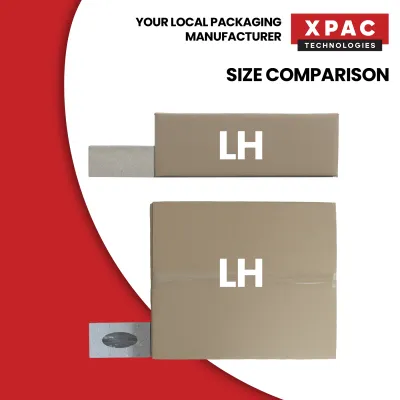
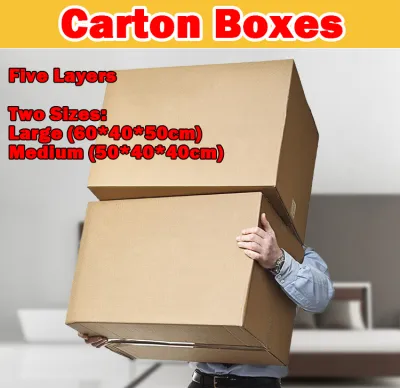
Beyond material composition, box dimensions play a pivotal role in the logistics of a Singapore move. Standard moving boxes are typically classified into small, medium, large, and extra-large sizes. While it might be tempting to buy the largest boxes available to minimize trips, oversized boxes present significant handling challenges. They are difficult to maneuver through narrow HDB corridors, tight apartment entryways, and standard passenger lifts. Large boxes packed with heavy items are prone to structural failure and can cause physical strain or injury. Standardizing your box sizes ensures they can be stacked tightly and securely inside a moving truck, maximizing vertical space without leaving dangerous gaps that could cause the load to shift during transit.
Products mentioned in this guide
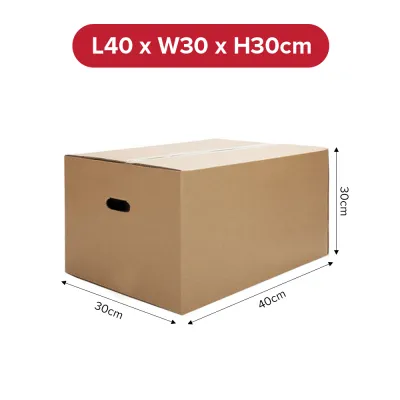
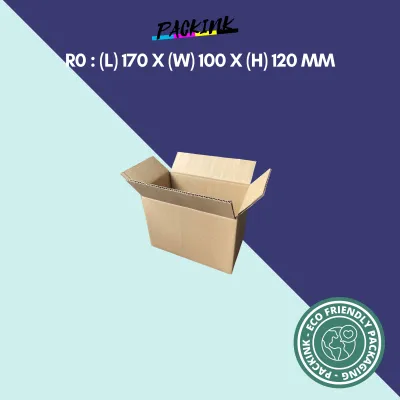
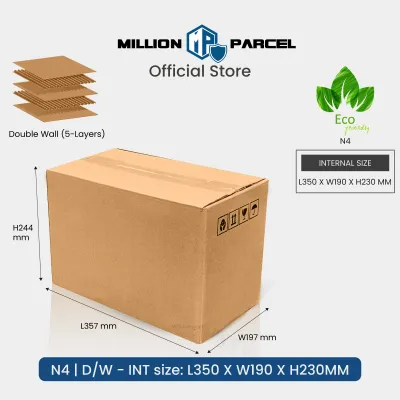
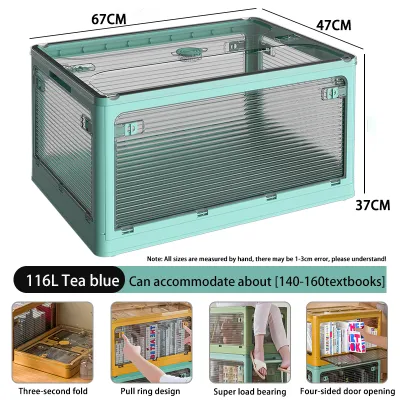
Prices are valid at publication and may change. Please refer to the product page for the latest price.
When evaluating boxes, look for essential design features that indicate high manufacturing standards. High-quality moving boxes often feature reinforced, pre-cut handles (hand holes) that make lifting and carrying significantly more comfortable. Look for boxes with interlocking flaps that align perfectly without warping, as uneven flaps can weaken the overall structure of the box when stacked. Additionally, reputable manufacturers print a circular Box Maker’s Certificate (BMC) on the bottom flaps. This stamp provides critical specifications, including the Edge Crush Test (ECT) rating or the bursting test limit, which tells you exactly how much weight the box can safely support. Checking these labels ensures you do not inadvertently overload a box beyond its engineered capacity.
Before purchasing any packaging materials, always measure your largest non-demountable furniture pieces, appliances, and the narrowest doorways or elevator openings in both your current and new homes. This step is especially crucial in Singapore, where older HDB estates may have narrower lift doors or structural pillars that restrict movement. Knowing these dimensions beforehand prevents the frustration of purchasing oversized specialty cartons that cannot physically fit through your doorways or into the lift, saving you time, money, and unnecessary physical effort on moving day.
Standard Corrugated Cardboard: Best for Everyday Household Items
Standard corrugated cardboard remains the undisputed backbone of the moving industry for general household items. It is highly versatile, lightweight, cost-effective, and easy to store flat before assembly, making it the practical choice for packing up the vast majority of a home. Cardboard’s natural flexibility allows it to absorb minor impacts during transit, shielding your everyday belongings from scratches and minor bumps.

However, cardboard has a major vulnerability that is particularly relevant in Singapore: its high sensitivity to moisture. Singapore’s tropical climate, characterized by high relative humidity (often exceeding 80%) and sudden, heavy monsoonal downpours, can rapidly degrade the structural integrity of cardboard. When cardboard fibers absorb moisture from the air or are exposed to rain, their compressive strength drops dramatically, turning a sturdy box into a soft, sagging hazard. To mitigate this risk, always plan your transit path to minimize outdoor exposure, use waterproof tarps or plastic stretch wrap to seal boxes during rainy spells, and avoid placing cardboard boxes directly on damp ground.
Understanding when to use single-wall versus double-wall cardboard boxes is key to maximizing safety while managing your packaging budget.
Single-Wall Boxes for Lightweight and Bulky Goods
Single-wall corrugated boxes consist of a single layer of fluting sandwiched between two flat linerboards. This construction makes them lightweight, highly flexible, and extremely economical. Because they are less material-intensive to manufacture, they are the most budget-friendly option for packing large volumes of items that do not exert significant downward pressure or outward force on the box walls.
The ideal use cases for single-wall boxes are bulky, lightweight, and non-fragile goods. These include bed linens, pillows, blankets, winter clothing (which many Singaporeans store for overseas travel), plush toys, cushions, and lightweight plastic decorative items. These belongings fill the volume of the box completely, providing internal support that helps the box maintain its shape when stacked, without adding dangerous amounts of weight.
You must strictly avoid using single-wall boxes for dense, heavy, or highly fragile items. Packing books, files, heavy kitchen appliances, canned goods, or ceramic tableware into a single-wall box is a recipe for disaster. The thin walls do not offer sufficient puncture resistance, and the bottom flaps are highly likely to sag, tear, or completely blow out when the box is lifted. To ensure safety, always check the manufacturer’s recommended maximum weight limit printed on the box flap or the circular certificate stamp. For most standard single-wall boxes, it is wise to keep the total packed weight well below 10 to 12 kilograms.
Double-Wall Boxes for Medium-Weight and Dense Items
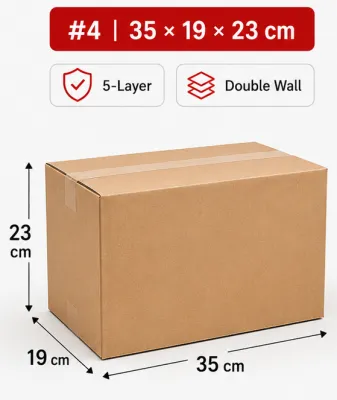
Double-wall corrugated boxes are constructed with two layers of fluting and three flat linerboards, providing a massive upgrade in rigidity, puncture resistance, and stacking strength. This dual-layered structure acts as a heavy-duty shield, absorbing significant external impacts and resisting the bending forces that occur when boxes are stacked high in a moving truck.
These boxes are highly recommended for medium-weight and dense household items that require robust structural support. Excellent candidates for double-wall boxes include books, office files, kitchenware, small home appliances (such as air fryers, blenders, and rice cookers), canned food items, and children’s toys. The added thickness of the double-wall cardboard prevents the sides of the box from bulging outward under the pressure of dense items, which is critical for maintaining a stable stack.
Even when using high-strength double-wall boxes, proper internal weight distribution is essential. Always place the heaviest items at the very bottom of the box to establish a low center of gravity, and place lighter items on top. Fill any empty spaces or voids completely with crumpled packing paper, bubble wrap, or clean towels to prevent the contents from shifting during transport. Unfilled voids allow the box walls to compress inward under vertical loads, which can lead to the collapse of the entire stack.
Specialty Cartons for Fragile, Heavy, and Awkward Items
Standard rectangular boxes are highly efficient for uniform items, but they often fail when confronted with awkwardly shaped, highly fragile, or exceptionally heavy belongings. Forcing an oddly shaped item into a standard box usually leaves large, irregular voids that are difficult to fill, or creates localized pressure points that can easily puncture the cardboard.
To address these challenges, the packaging industry has developed specialty cartons designed for specific categories of household goods. These purpose-built containers often feature unique physical dimensions, integrated internal support structures, or extra-thick walls that isolate delicate items from external forces, ensuring they survive the journey intact.
Wardrobe and Partition Boxes
Wardrobe boxes are tall, heavy-duty cartons equipped with a built-in metal or heavy-duty plastic hanging rod spanning the top. They are designed to allow you to transfer clothing directly from your closet hangers straight into the box without folding, rolling, or removing the hangers. This design saves hours of packing and unpacking time and ensures that delicate garments, formal wear, and suits remain wrinkle-free and ready to wear immediately after your move.
Due to their height and high center of gravity, wardrobe boxes require careful handling. They must be packed tightly so that hanging clothes do not slide excessively along the rod, which could destabilize the box. When loading the moving truck, these tall cartons must be placed flat against the truck walls and secured with straps to prevent them from tipping over during sudden stops or sharp turns on Singapore’s expressways.
Partition boxes, also known as cell packs, feature pre-assembled internal cardboard dividers that create individual compartments for separate items. These are incredibly useful for packing fragile glassware, wine bottles, ceramic mugs, and delicate porcelain figurines. The dividers prevent the items from coming into direct contact or knocking against one another during transit, which is the primary cause of chipping and cracking. Using partition boxes eliminates the need to wrap every single glass in excessive layers of bubble wrap, saving space and reducing plastic waste.
Telescoping and Heavy-Duty Dish Packs
Telescoping boxes consist of two separate pieces—an inner sleeve and an outer sleeve—that slide over one another. This adjustable design allows you to customize the length of the box to fit long, flat, and awkwardly shaped items perfectly. They are the industry standard for transporting large mirrors, framed artwork, flat-screen televisions, and tabletop glass. By sliding the two halves together until they snugly grip the item, you eliminate internal movement and provide rigid, double-layered protection along the edges.
Dish packs are extra-thick boxes, often made of triple-wall or premium heavy-duty double-wall corrugated cardboard. They are engineered specifically to handle the extreme weight and fragile nature of kitchen ceramics, fine china, and heavy serving platters. The dense cardboard walls provide superior puncture resistance and can withstand immense vertical pressure, protecting your most valuable kitchenware from being crushed by other boxes stacked on top.
Regardless of how strong a specialty carton is, it cannot replace the need for proper internal cushioning. When packing dish packs or telescoping boxes, you must wrap every item individually in clean packing paper or foam sheets. Lay a thick layer of crumpled paper or bubble wrap at the bottom of the box to act as a shock absorber, pack the items tightly, and fill all remaining gaps with cushioning material. A simple way to test your packing is to gently shake the sealed box; if you hear or feel any movement inside, open the box and add more packing material until the contents are completely immobilized.
Heavy-Duty Plastic Totes: When to Choose Reusable Options
While corrugated cardboard is the traditional choice, heavy-duty plastic storage totes have become increasingly popular for residential moves in Singapore. These reusable plastic containers offer a range of distinct physical advantages that cardboard simply cannot match, making them an excellent investment or rental option for specific moving scenarios.
The primary advantage of plastic totes is their complete resistance to water and moisture. In Singapore’s humid climate, where sudden tropical downpours can occur without warning, plastic totes provide absolute peace of mind. They are completely waterproof, ensuring that your belongings remain dry even if the boxes are temporarily exposed to rain during loading or unloading. Furthermore, plastic totes possess extreme structural rigidity. They do not bend, sag, or soften under load, and their tough plastic walls offer superior protection against sharp impacts and punctures. Because they are highly durable, they can be reused hundreds of times, making them an environmentally friendly alternative to single-use cardboard.
Plastic totes are the ideal choice for packing highly sensitive, valuable, or moisture-vulnerable items. Important physical documents (such as birth certificates, marriage certificates, property deeds, and financial records), sensitive electronics (such as routers, gaming consoles, laptops, and hard drives), and expensive clothing or leather goods should always be packed in plastic to protect them from humidity and pests. Additionally, if you plan to store some of your belongings long-term in a self-storage facility or your home’s bomb shelter (a common feature in many Singaporean apartments), plastic totes are far superior to cardboard, as they prevent mold growth and keep out common household pests like silverfish and cockroaches.
However, plastic totes do have notable limitations. They carry a much higher upfront purchase cost compared to cardboard boxes, though this can be mitigated by renting them from specialized local moving supply companies. Unlike cardboard boxes, empty plastic totes cannot be folded flat. They must be nested inside one another, which still occupies a significant amount of floor space in a compact Singapore apartment before and after the move. Furthermore, because plastic surfaces can be slick, stacking them too high in a moving truck can create a slipping hazard if the totes do not feature specialized interlocking lids that prevent lateral movement.
When selecting plastic totes, prioritize models with secure, heavy-duty latching lids or snap-lock handles rather than simple friction-fit or snap-on covers. Friction-fit lids can easily pop off if the sides of the tote flex under heavy loads or when being lifted, exposing your valuables to damage. Latching handles lock the lid firmly to the base, ensuring the container remains securely sealed even if it is accidentally tipped or bumped during the move.
Packing and Stacking Rules to Prevent Box Failure
Choosing the right boxes is only half the battle; how you pack, seal, and stack them ultimately determines whether they survive the move intact. Implementing a few professional packing techniques can dramatically increase the structural integrity of your boxes and prevent costly accidents.
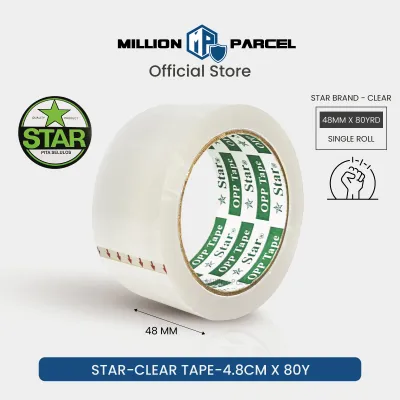
Proper taping is the foundation of box strength. Never rely on the “interlocking flap” method (folding the flaps over each other in a pinwheel pattern) to close the bottom of a cardboard box. This method provides zero structural support and will fail immediately when the box is lifted. Instead, always use high-quality packaging tape and apply the H-tape method. Seal the center seam of the box, and then apply tape along the two side seams where the flaps meet the box edges, forming a clear “H” shape. Repeat this process on both the bottom and top of the box. This technique reinforces the corners and seams, distributing the weight evenly and preventing the bottom from splitting open.
H-TAPE METHOD:
1. Fold the two smaller inner flaps down first, followed by the two larger outer flaps.
2. Apply a long strip of packaging tape down the center seam, extending at least 7-10 cm down the sides.
3. Apply tape along the exposed side seams on both left and right edges to seal the box completely.
Another fundamental rule is to distribute weight logically across different box sizes. A common mistake is packing heavy items, like books or heavy tools, into large boxes. This makes the box incredibly heavy, difficult to lift, and highly prone to bottom blowout. The professional standard is to pack heavy items in small boxes, and light, bulky items in large boxes. This keeps the weight of each individual box manageable (ideally under 15 to 20 kilograms) and ensures that the box can be carried safely by a single person or a mover.
When stacking boxes in a moving truck or storage unit, always place the heaviest, most rigid boxes (such as double-wall cardboard or plastic totes) at the bottom of the stack to establish a stable foundation. Place lighter, single-wall boxes on top. Align the corners of the boxes directly over one another, as the vertical corners of a cardboard box carry the vast majority of its compressive strength. Avoid “brick-layer” stacking or offsetting the corners, as this puts pressure on the weaker center of the box lids below, leading to crushing. Keep in mind that Singapore’s high humidity can temporarily reduce cardboard’s compressive strength by up to 30%, so stack conservatively and avoid building excessively tall columns of cardboard boxes.
Finally, clear and systematic labeling is crucial for an organized move. Use a bold, waterproof permanent marker to label at least two adjacent sides of every box, rather than just the top. This ensures the labels remain visible even when the boxes are stacked on top of one another. Write the destination room (e.g., “KITCHEN,” “MASTER BEDROOM”) in large letters, followed by a brief list of the contents. Mark fragile boxes clearly with “FRAGILE” or “GLASSWARE” on multiple sides, and use “THIS SIDE UP” arrows to guide the handlers. This simple step ensures that your delicate items are handled with appropriate care and placed in the correct rooms immediately, streamlining the unpacking process.
Frequently Asked Questions (FAQ)
Where can I buy or source moving boxes in Singapore?
You can purchase high-quality moving boxes from specialized packaging and shipping suppliers, local carton box manufacturers, or directly from professional moving companies in Singapore. Many of these suppliers offer convenient online ordering with home delivery, allowing you to buy in bulk bundles at discounted rates. Additionally, major online marketplaces and ecommerce platforms host numerous local stationery and packaging merchants who sell both standard and heavy-duty boxes. If you are on a tight budget, you can source clean, used cardboard boxes from local recycling centers, community recycling bins, or neighborhood resident groups on social media. However, before using secondhand boxes, inspect them thoroughly for any signs of structural damage, soft spots from moisture, mold, or pests such as cockroaches or silverfish to ensure they are safe to bring into your home.
How do I estimate the number of boxes needed for my move?
Estimating the number of boxes depends on the size of your home and your lifestyle. As a general guideline, a standard 3-room HDB flat typically requires approximately 20 to 30 medium boxes and 10 to 15 large boxes. A larger 4-room or 5-room HDB flat may require between 40 to 60 medium boxes and 20 to 30 large boxes. If you are an avid collector, have extensive book collections, or possess a highly furnished home, you should increase these estimates by 20% to 30%. It is always best to purchase a small buffer of extra boxes (about 10% to 15% more than your estimate) and keep them flat and unassembled. Unassembled boxes can easily be returned to some suppliers, sold online, or stored compactly for future use. Having extra boxes on hand prevents the dangerous temptation to overstuff your existing boxes, which leads to box failure and damaged belongings.
Community discussion
Share your experience or ask a question. Comments are reviewed before publication.