
Expressing gratitude is a timeless gesture, but the physical medium you choose to deliver your message carries significant weight. In Singapore, where personal milestones, corporate networking, and festive celebrations frequently call for handwritten notes, finding the right thank you card with an envelope is essential. The tactile sensation of premium cardstock, the smooth glide of a pen, and the snug fit of a matching envelope all contribute to how your message is received. Selecting the ideal card set requires balancing aesthetic appeal with practical considerations like paper weight, ink compatibility, and local environmental factors such as humidity. This guide provides a comprehensive framework to help you evaluate, select, and source the finest thank you cards and envelopes for any occasion.
Key Features to Evaluate Before Buying
When shopping for thank you cards, the physical characteristics of the paper and envelope determine both the writing experience and the final presentation. Understanding these technical details helps you avoid common pitfalls like ink bleeding, smudging, or flimsy presentation.
Paper weight is measured in grams per square meter (GSM). For a greeting card that feels substantial and stands upright without bowing, look for cardstock between 250 GSM and 350 GSM. Anything lighter than 200 GSM may feel flimsy, resembling heavy printer paper rather than a premium card. The texture, or finish, of the paper dictates how it interacts with different writing instruments. Matte finishes are highly versatile, offering a smooth, non-reflective surface that absorbs ink quickly, making them ideal for gel pens, ballpoints, and fountain pens alike. Glossy finishes make printed designs and photographs pop with vibrant colors, but they are highly prone to smudging and require permanent markers or specialized quick-drying pens. Textured papers, such as linen, felt, or cotton-blend cardstock, provide a luxurious, tactile feel. However, their uneven surfaces can cause fountain pen nibs to catch or feather, so they are best paired with fine-point gel pens or high-quality ballpoints.
Products mentioned in this guide
![[SG SELLER] [FREE SHIPPING] 6 Pcs Mini Thank you Cards With Envelope Greeting Card Teachers Mothers Fathers Day](https://img.lazcdn.com/g/p/792c35e6451343d08def635b50debf98.jpg_400x400q80.jpg_.webp)
![[SG] [FREE SHIP] 6 Sets Mini Thank You Cards (Assortment F) Envelope Sticker Greeting Card Mothers Fathers Teachers Day](https://img.lazcdn.com/g/p/1ab3746aba390c5fd7c337f79679dd04.jpg_400x400q80.jpg_.webp)
![[SG-FREE SHIP] 6 Sets Assortment Mini Thank You Cards Envelope Sticker Greeting Card Mothers Fathers Teachers Day](https://img.lazcdn.com/g/ff/kf/Sb5f67376153a49b999a9f9822f74684c2.jpg_400x400q80.jpg_.webp)
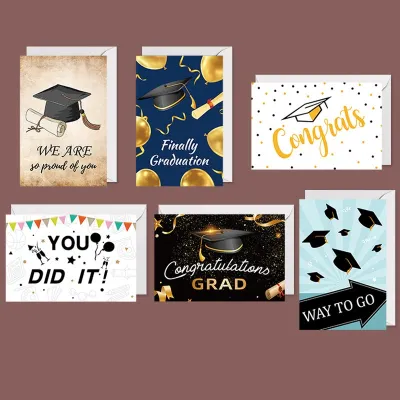
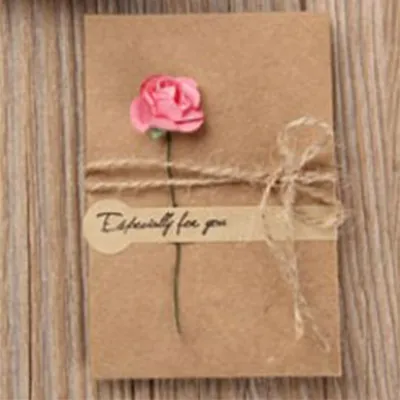
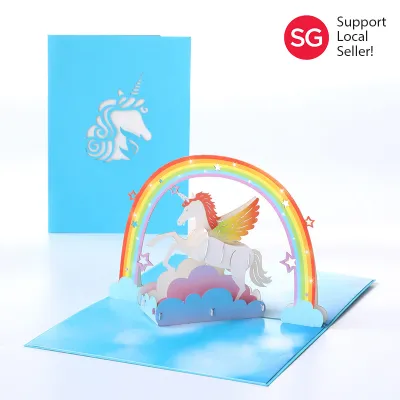
Prices are valid at publication and may change. Please refer to the product page for the latest price.
An envelope is more than just protective packaging; it is the recipient’s first physical contact with your message. Evaluate the paper opacity to ensure that the card’s interior message or design does not bleed through the envelope walls. Premium envelopes often feature a weight of 100 GSM to 120 GSM, providing a sturdy structure that resists tearing during transit. Decorative linings, such as foil or patterned paper inserts, add an extra layer of elegance and opacity. The sealing mechanism is another critical factor. Gummed envelopes require moisture to activate the adhesive, which can sometimes be sensitive to Singapore’s humid climate, occasionally causing the flaps to stick prematurely if stored in non-air-conditioned spaces. Self-seal or peel-and-stick envelopes offer a convenient, mess-free alternative with a longer shelf life, ensuring a secure closure without the need for moisture.
High-quality printing should feature crisp lines, accurate color registration, and smudge-resistant inks. Look for cards printed with soy-based or water-based inks, which are more environmentally friendly and less prone to leaving oily residues. Environmental certifications, such as the Forest Stewardship Council (FSC) label, verify that the paper is sourced from responsibly managed forests. If you plan to archive your cards or want them to last for years without yellowing, check for acid-free or archival-grade paper specifications.
Recommended Styles for Different Appreciation Needs
Matching the visual design and physical format of a thank you card to the specific recipient ensures your gesture feels appropriate and sincere. Different occasions demand distinct aesthetic choices, material weights, and envelope styles to convey the right tone.

Professional and Corporate Thanks
In a professional setting, your stationery is an extension of your personal or corporate brand. Opt for minimalist layouts, neutral color palettes (such as navy, slate gray, cream, or classic white), and subtle, elegant typography. Avoid overly ornate decorations, glitter, or casual slang. The material should be a heavy, smooth matte cardstock of at least 300 GSM. This ensures that when you write with a fountain pen or a high-quality gel pen, the ink dries quickly without feathering or bleeding through to the back of the card. The envelope should match the card’s paper stock exactly in color and texture. Unlined or subtly lined envelopes with clean, straight flaps are preferred for business correspondence. For bulk corporate mailings, self-seal envelopes are highly recommended to save time and maintain a clean, professional presentation without the need for wetting adhesives.
Personal and Heartfelt Messages
For intimate occasions like weddings, baby showers, birthdays, or expressing deep personal gratitude, the design should reflect warmth and care. Floral patterns, soft watercolor illustrations, and elegant gold foil accents are popular choices that convey a sense of celebration. These cards should feature ample blank interior space, allowing you to write a detailed, personalized message without feeling cramped. Textured papers, such as cotton-blend or linen-finished cardstock, are excellent for personal notes because they elevate the tactile experience of opening the card. These fibrous papers absorb ink beautifully, giving handwriting a rich, organic appearance. Pair these cards with colored envelopes that complement the card’s design accents. For an extra touch of sophistication, look for envelopes with decorative inner linings or consider sealing them with a traditional wax seal or a custom sticker.
Kids and Creative Crafting
Thank you cards designed for children or casual, creative projects should prioritize durability and fun. Look for playful graphics, bright colors, or completely blank card faces that allow children to draw, color, or add stickers. The paper must be thick, uncoated cardstock (around 250 GSM) to withstand heavy-handed writing, markers, crayons, colored pencils, and even light watercolor paint without warping or bleeding through. Avoid glossy finishes, as markers and crayons will slide off the surface and smudge instantly. The matching envelopes should be made from durable, heavy-duty paper that can survive enthusiastic handling, stamping, and hand-drawn decorations on the exterior. Brightly colored envelopes or kraft paper envelopes are excellent choices for kids, adding a cheerful element to the mailing process.
Where to Find Quality Card Sets in Singapore
Finding the perfect thank you card set in Singapore involves exploring a mix of physical retail stores and online platforms, each offering unique advantages depending on your timeline and customization needs.
Visiting physical stationery shops and major bookstores across Singapore allows you to physically inspect the paper quality before purchasing. You can run your fingers over the cardstock to assess its texture, test the stiffness of the card, and verify that the envelope paper is sufficiently opaque. Physical stores are ideal when you need cards immediately for an upcoming event and cannot wait for shipping. Many larger retail bookstores carry a reliable selection of boxed thank you card sets, ranging from classic, understated designs to festive, seasonal options.
For those seeking unique, artisanal, or locally designed card sets, independent craft and design boutiques are excellent resources. These shops often collaborate with local Singaporean illustrators and printmakers, offering distinctive designs that stand out from mass-produced options. You are more likely to find specialty materials here, such as hand-pressed cotton paper, letterpress-printed cards, and unique envelope colors. Purchasing from these boutiques supports the local creative community and ensures your thank you notes carry a highly personalized, artistic touch.
If you require a large volume of cards or are looking for highly specific designs, ecommerce platforms and online marketplaces offer an unparalleled variety. When shopping online, it is crucial to read the product specifications carefully. Look for listings that explicitly state the paper weight (in GSM), card dimensions, and envelope details. Check customer reviews for real-world feedback on ink bleeding, paper stiffness, and print quality. Pay close attention to shipping times, especially if you are ordering for a scheduled event like a wedding or corporate seminar, and verify the seller’s return policy in case the physical product does not match the online description.
How to Match Envelopes and Inserts Perfectly
A well-coordinated presentation shows the recipient that you paid attention to every detail of your gesture. Ensuring that your card, envelope, and any additional inserts fit together seamlessly prevents damage and elevates the overall aesthetic.
Always verify the standard dimensions of both the card and the envelope before purchasing. Common stationery standards include A2 (approx 111mm x 146mm), A6 (approx 105mm x 148mm), and A7 (approx 127mm x 178mm). The envelope must always be slightly larger than the folded card—typically by 3mm to 6mm on all sides—to allow the card to slide in and out smoothly without catching or bending the corners. If you are adding thick inserts, such as photographs, gift cards, or multiple sheets of paper, you will need an envelope with a slightly wider clearance or a higher paper weight to accommodate the extra bulk without tearing.
Visual harmony between the card and the envelope creates a cohesive first impression. If your thank you card features a minimalist design with a specific accent color—such as gold foil lettering or a sage green border—try to match the envelope to that accent color. Alternatively, pairing a neutral cream or white card with a contrasting, richly colored envelope (like navy blue, forest green, or burgundy) adds an element of surprise and sophistication. Ensure that the ink color you use to write the recipient’s address on the envelope is highly legible against the envelope’s paper color; dark envelopes may require a white, silver, or gold gel pen.
If you plan to include additional items inside the envelope, verify their compatibility beforehand. Delicate inserts like tissue paper overlays can protect printed designs from scratching, but they add thickness. If you use sticker seals or wax seals, ensure the envelope paper is sturdy enough to support the weight and adhesive without tearing when the recipient opens it. Address labels should adhere smoothly to the envelope surface without peeling off due to paper texture or moisture-resistant coatings.
Frequently Asked Questions (FAQ)
What is the standard size for a thank you card with an envelope?
The most common standard sizes for thank you cards are A2, A6, and A7. An A2 card measures approximately 111mm by 146mm and is paired with a matching A2 envelope; this size is highly popular for short, casual notes of appreciation. An A6 card measures approximately 105mm by 148mm, offering a slightly more elongated canvas that is ideal for standard personal correspondence. An A7 card, measuring approximately 127mm by 178mm, is a larger format often used for formal invitations, wedding thank you notes, or detailed letters where more writing space is required. When measuring your cards, always measure the folded dimensions, and ensure the envelope’s inner dimensions are at least 3mm to 6mm larger in both width and height to prevent the card from jamming or bending during insertion.
Can I print my own thank you cards on standard home printers?
Yes, you can print custom thank you cards at home, but success depends on your printer’s specifications and the paper weight. Most standard inkjet and laser home printers can comfortably feed paper weights up to 200 GSM or 220 GSM through their standard paper trays. Attempting to print on heavier cardstock (such as 300 GSM) can cause paper jams, misfeeds, or roller slippage. To print on thick cardstock, use a printer with a manual feed slot or a rear-feed paper path, which keeps the paper relatively flat during the printing process rather than bending it around tight internal rollers. Additionally, ensure you purchase pre-scored cardstock designed for printing; pre-scored lines allow you to fold the printed cards cleanly without cracking the paper fibers or damaging the printed ink along the fold line.
Community discussion
Share your experience or ask a question. Comments are reviewed before publication.