
Selecting the perfect Thailand fridge magnet as a gift for friends, family, or colleagues in Singapore requires balancing cultural charm with practical quality. These compact souvenirs serve as delightful, nostalgic reminders of bustling Bangkok markets, serene Chiang Mai temples, and pristine southern beaches. Because modern Singaporean kitchens often feature sleek, high-end appliances, a well-chosen magnet must not only look appealing but also function flawlessly without damaging delicate surfaces. By matching the design theme to your recipient’s personality, verifying the physical craftsmanship, and presenting it in thoughtful packaging, you can transform a simple travel keepsake into a highly cherished token of appreciation.
When choosing these gifts, it is easy to get overwhelmed by the sheer variety of designs available. However, taking a structured approach ensures your gesture feels intentional rather than like an afterthought. A successful gift reflects both the unique spirit of Thailand and the personal tastes of the recipient, making it a welcome addition to their home decor. Whether you are sourcing these items during a trip or looking for authentic options locally, focusing on material durability and aesthetic relevance will help you select a standout piece that endures.
Match Magnet Themes to Your Recipients' Interests
Aligning the visual theme of a fridge magnet with the specific interests of your recipient is the first step in selecting a meaningful gift. For older relatives, mentors, or history enthusiasts, intricate cultural and architectural motifs are highly appropriate. Magnets depicting detailed replicas of iconic temples like Wat Arun, historical landmarks, or traditional Thai pavilions convey a sense of respect and appreciation for deep-rooted heritage. These designs often feature classic gold accents, elegant symmetry, and sophisticated textures that appeal to those who appreciate traditional craftsmanship and historical storytelling.
Products mentioned in this guide
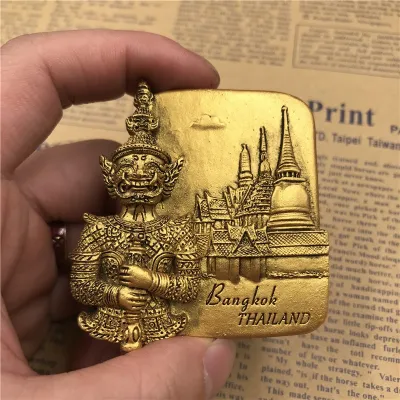
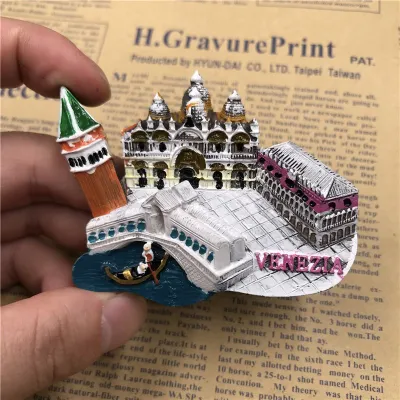
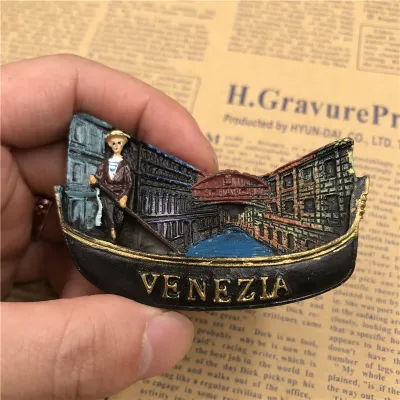
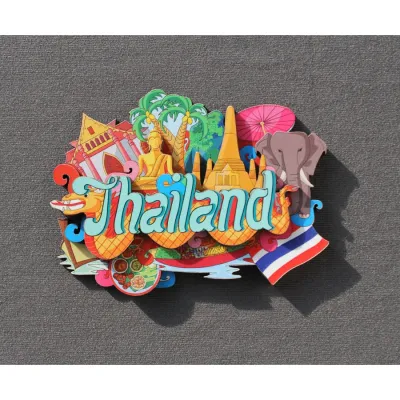

Prices are valid at publication and may change. Please refer to the product page for the latest price.
For friends, younger colleagues, and casual acquaintances, vibrant street food icons and playful contemporary elements make excellent choices. Miniature representations of beloved Thai dishes—such as a tiny clay bowl of Tom Yum Goong, a detailed plate of Pad Thai, or a colorful mango sticky rice arrangement—instantly spark joy and fond travel memories. Similarly, miniature three-wheeled tuk-tuks or whimsical pop-culture illustrations capture the energetic, bustling spirit of Thailand’s urban life. These playful designs serve as excellent conversation starters and add a cheerful, relaxed touch to any modern kitchen space.
When selecting gifts for family members or formal professional contacts, opting for traditional crafts, auspicious symbols, or delicate floral patterns is a safe and highly elegant approach. The elephant, or Chang, holds a revered place in Thai culture, symbolizing strength, wisdom, and good fortune, making it a universally appreciated motif. Alternatively, magnets featuring delicate representations of the Ratchaphruek (the national flower of Thailand) or traditional Benjarong ceramic patterns offer a refined, artistic aesthetic. These choices demonstrate thoughtfulness and cultural appreciation without feeling overly casual or informal.
It is wise to exercise caution when gifting to coworkers or professional supervisors, avoiding overly niche, humorous, or politically themed designs unless you are entirely certain of their personal tastes. A design that seems amusing in a casual market setting might not translate well to a professional context or a colleague’s home environment. Sticking to high-quality, universally appealing cultural representations ensures your gift remains tasteful, respectful, and suitable for display in any household. By carefully considering the relationship and the recipient’s personal style, you can select a theme that truly resonates.
Evaluate Materials and Craftsmanship for Gift Quality
To ensure your gift is well-received and long-lasting, it is essential to physically inspect and verify the materials and craftsmanship of each magnet. Fridge magnets are available in several common base materials, each offering distinct tactile and visual qualities. Resin is highly popular because it allows for incredibly intricate, three-dimensional details and vibrant, hand-painted finishes, though it can be brittle if dropped on hard kitchen tiles. Metal magnets, often made of zinc alloy or pewter, offer a sleek, modern weight and exceptional durability, making them highly resistant to wear. Ceramic magnets provide a classic, polished elegance with a smooth glaze, while carved wood offers a warm, rustic, and lightweight appeal that highlights traditional hand-carving techniques.

Beyond the front design, the quality of the magnet backing is a critical factor, especially for modern Singaporean homes equipped with premium stainless steel or glass-fronted refrigerators. Ensure the magnet features a protective backing, such as a soft rubber casing, a felt pad, or a recessed magnet design. This prevents the hard, abrasive magnetic material from directly contacting and scratching delicate appliance surfaces when the magnet is moved or adjusted. A fully integrated or recessed magnet is also much less likely to detach from the decorative front over time, ensuring the item remains functional for years to come.
A close inspection of the physical finish will quickly reveal the overall quality of the craftsmanship. Examine the edges of the magnet for any sharp burrs, uneven cuts, or chipped corners that could cause injury or look untidy. Paint consistency is another reliable indicator of care; look for clean lines, even color distribution, and the absence of smudges or visible glue residue. High-quality souvenirs often feature a protective clear coat or lacquer that seals the paint, preventing it from fading, peeling, or transferring onto hands and surfaces in Singapore’s humid climate.
Finally, verify the physical dimensions and weight of the magnet to ensure it is practical for daily use. A gift-quality magnet should not only look beautiful but also perform its primary function of holding papers, receipts, or photos on a magnetic surface. If a heavy resin or ceramic magnet is paired with a weak, undersized magnetic backing, it will inevitably slide down the refrigerator door, risking damage to both the magnet and the appliance. Test the magnet’s hold strength if possible, ensuring it can easily secure a standard piece of paper without slipping, which guarantees its utility in a busy household.
Source Authentic Thai Magnets in Singapore
If you are sourcing these gifts within Singapore, knowing where and how to shop can help you find authentic, high-quality items that rival those bought directly in Thailand. For those who prefer a tactile shopping experience, visiting physical specialty gift stores, Asian cultural grocers, or dedicated Thai supermarkets is highly recommended. Shopping in person allows you to physically handle the magnets, assess their weight, inspect the paint finish, and verify the strength of the backing before making a purchase. These local brick-and-mortar retailers often establish direct supply chains with regional Thai artisans, providing access to unique, handcrafted designs that are rarely found on mass-market shelves.
When navigating online marketplaces and e-commerce platforms, a strategic approach is necessary to filter out low-quality imitations. Look for official brand storefronts or highly rated specialty sellers that focus specifically on authentic regional crafts. Prioritize listings that feature detailed, high-resolution product photography from multiple angles, including clear shots of the back of the magnet. Avoid listings that rely solely on generic stock images or lack detailed descriptions of the materials used, as these are often indicators of mass-produced, lower-grade items.
Verifying the authenticity of a Thai magnet involves looking for specific markers rather than relying entirely on product titles or search keywords. Genuine artisan pieces often feature “Made in Thailand” origin labels, regional artisan signatures, or official tourism board tags that certify their provenance. These small details confirm that the item was crafted using traditional methods and supports local communities in Thailand. If a product listing or packaging lacks any mention of origin or manufacturing standards, it may be a generic reproduction.
Reading recent buyer reviews is an invaluable step when shopping online, as they provide real-world feedback on the actual quality of the items received. Look specifically for reviews that mention the packaging quality during transit, whether the physical colors match the online photos, and if the magnetic backing is strong enough for daily use. Feedback from other buyers in Singapore can also give you a clear idea of delivery timelines and whether the seller packages fragile items securely to prevent chipping during local delivery.
Elevate the Gifting Experience with Smart Packaging
The presentation of your gift plays a significant role in how it is received, transforming a simple souvenir into a thoughtful, premium gesture. Because fridge magnets are relatively small and can be fragile, securing them on a rigid backing card or placing them inside a small, snug gift box is highly recommended. A sturdy backing card keeps the magnet flat and prevents it from shifting or rubbing against other items, while a dedicated gift box offers excellent impact protection. This structural support ensures the magnet arrives in pristine condition, ready to be displayed.
To add a deeply personal touch, include a small, neatly written note that explains the cultural significance or story behind the magnet’s design. For instance, if you chose a magnet depicting a traditional Thai elephant or a specific regional landmark, a brief sentence explaining its symbolism or history adds immense value to the gift. This context helps the recipient appreciate the cultural depth of the item, turning a decorative piece into a meaningful story they can share with visitors to their home.
Using lightweight, eco-friendly wrapping materials is an excellent way to align your gift with modern, sustainable presentation trends. Consider wrapping the gift box in recycled kraft paper, securing it with natural jute twine, or placing the magnet inside a small, reusable cotton or linen pouch. These materials provide a rustic, artisanal aesthetic that complements the handcrafted nature of the souvenir while avoiding unnecessary plastic waste or bulky packaging that is difficult to dispose of.
Finally, ensure the packaging is designed for easy opening and immediate visual appeal. The recipient should be able to view and appreciate the design of the magnet as soon as they open the outer wrap, without having to struggle with excessive layers of adhesive tape, plastic shrink-wrap, or stubborn clamshell packaging. A clean, accessible presentation allows the beauty of the craftsmanship to take center stage immediately, maximizing the positive impact of your thoughtful gesture.
Frequently Asked Questions (FAQ)
Can I bring fridge magnets on a flight back to Singapore?
Yes, you can safely bring souvenir fridge magnets on a flight back to Singapore. According to international aviation safety guidelines, the magnetic field produced by standard household or decorative magnets is extremely weak and does not pose any risk of interference with aircraft navigation or communication systems. These items are generally exempt from the strict regulations that govern industrial-strength magnetic materials. You can pack them in either your carry-on baggage or checked luggage; however, wrapping them securely in soft clothing or bubble wrap within your checked bag is highly recommended to protect them from physical impact during transit. Always remember to check your personal customs duty-free allowances for general souvenirs upon arrival.
How do I clean and maintain decorative fridge magnets?
To keep your decorative Thai magnets looking vibrant and clean over time, follow a few simple maintenance practices. Use a soft, dry microfiber cloth to gently dust the surface of the magnet, avoiding the use of water, liquid sprays, or harsh chemical cleaners which can degrade hand-painted details, porous resin, or natural wood finishes. For magnets with intricate, three-dimensional carvings or deep crevices, a clean, soft-bristled makeup brush or dry toothbrush can safely dislodge accumulated dust. Additionally, periodically check the condition of the magnetic backing and its adhesive; if Singapore’s humid climate causes the glue to soften or degrade over time, a tiny drop of multi-surface epoxy or high-strength craft glue can easily re-secure the magnet to its decorative front.

Community discussion
Share your experience or ask a question. Comments are reviewed before publication.