
In Singapore, Teachers’ Day is a highly anticipated event on the academic calendar, traditionally celebrated on the first Friday of September. While students and parents often prepare practical gifts like pens, mugs, or flowers, a well-crafted greeting card remains the most meaningful way to convey genuine appreciation. A card serves as a lasting keepsake that educators often store in their desk drawers for years, pulling them out on challenging days for a boost of motivation. Selecting a card from a reputable brand ensures that this physical token of gratitude endures, preserving your handwritten words in pristine condition.
Choosing a card from an established stationery label ensures superior construction and material quality. Mass-produced, low-grade cards often warp, yellow, or split along the fold line within a few months due to humidity. In contrast, premium cards utilize sturdy, archival-quality paper and robust binding techniques that resist environmental wear. Presenting a beautifully made card demonstrates that you view the teacher’s dedication as something worthy of high-quality recognition, elevating the entire gifting experience.
How to Spot High-Quality Greeting Cards and Reputable Brands
To find the best Teachers’ Day cards in Singapore, you must know how to evaluate paper and print quality. Here is a practical framework to help you assess the physical integrity and craftsmanship of a card before making a purchase.
Products mentioned in this guide
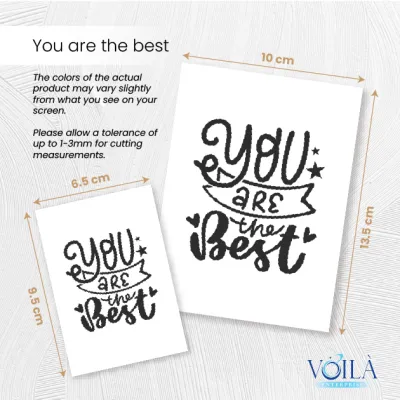
Prices are valid at publication and may change. Please refer to the product page for the latest price.
Paper Weight and Texture
The thickness and feel of a card are determined by its paper weight, which is measured in grams per square meter (GSM). While standard printer paper is about 80 GSM and basic postcards are around 200 GSM, a premium greeting card should range between 250 GSM and 350 GSM. Heavy cardstock feels substantial, stands upright on a desk without bowing, and resists ink bleed-through. The paper’s texture also plays a significant role in its quality; look for felt-marked, linen, or cotton-blend papers, which offer a tactile depth that instantly elevates the sensory experience.
Printing and Finishes
Reputable brands use high-resolution printing processes that deliver sharp lines, rich color saturation, and perfect alignment. When inspecting a card, look closely at the edges of the illustrations and text to ensure there is no pixelation, color bleeding, or misaligned print layers. Premium cards often feature specialty embellishments such as hot foil stamping (metallic gold, silver, or rose gold accents), embossing (raised paper patterns), or spot UV (a glossy varnish applied to specific design elements). These finishes should be crisp and securely adhered, without any flaking, peeling, or uneven varnish lines.
Envelope Construction
A premium card is only complete with a matching, well-made envelope. The envelope should be constructed from thick, opaque paper—ideally between 100 GSM and 120 GSM—so the card’s design does not show through. Examine the seams and the gummed flap to ensure the adhesive is evenly applied and the edges are cleanly cut. A loose, flimsy envelope that tears easily or fails to seal securely cheapens the overall presentation of your gift.
Brand Indicators and Sustainability
Look at the back of the card for the publisher’s mark or brand logo. Established stationery labels take pride in their craftsmanship and will often print their brand name alongside environmental certifications, such as the Forest Stewardship Council (FSC) logo. FSC certification ensures the paper is sourced from responsibly managed forests, adding an ethical value to your purchase. Additionally, premium brands often package their cards in protective, biodegradable sleeves to prevent scuffing or moisture damage during transit.
Exploring Greeting Card Styles and Brand Categories in Singapore
Singapore’s retail landscape offers a diverse array of greeting card brands, ranging from household global names to boutique local illustrators. Understanding these categories helps you match the card’s aesthetic to your teacher’s personality and preferences.

International Stationery and Card Giants
Brands like Hallmark and Papyrus are widely available across Singapore and excel in classic, universally appealing designs. These global giants offer standardized sizing (such as standard C6 or 5×7 inches), reliable paper quality, and highly structured layouts. If you are buying cards for multiple teachers, these brands often provide excellent value multi-packs alongside their single premium offerings, ensuring you have consistent quality across all your gifts.
Local Independent Designers and Illustrators
For a more personal and culturally resonant touch, Singapore boasts a vibrant community of local stationery brands and independent illustrators. Brands like The Paper Stone and various local artists featured in independent design shops offer cards with unique, hand-drawn illustrations. These often incorporate local cultural motifs, Singlish humor, or relatable classroom scenarios unique to the Singapore education system. Gifting a locally designed card adds a warm, homegrown charm that stands out from generic imports.
Premium and Boutique Paper Brands
If you want to make an exceptionally sophisticated statement—perhaps for a principal, a long-time mentor, or a retiring teacher—premium boutique brands are the ideal choice. Brands like Rifle Paper Co. utilize luxury materials such as heavy cotton paper, hand-painted gouache illustrations, and traditional letterpress printing. These cards lean toward minimalist, artistic, or highly elegant layouts, making them double as miniature pieces of art that a teacher might frame and display.
Where to Find the Best Greeting Card Brands in Singapore
Finding the perfect card involves choosing the right shopping channel. Depending on whether you prefer to touch the paper before buying or enjoy the convenience of browsing hundreds of designs from home, Singapore has several excellent retail options.
Physical Stationery and Bookstore Chains
Visiting brick-and-mortar stores remains the most reliable way to inspect physical quality. Major bookstore chains like Kinokuniya, Popular Bookstore, and Times Bookstores carry extensive ranges of greeting cards. Kinokuniya, in particular, is renowned for importing high-quality Japanese and Western stationery brands, offering exquisite paper textures and unique pop-up designs. Popular Bookstore is highly accessible across suburban malls, making it a convenient stop for reliable, classic card brands.
Specialty Gift and Lifestyle Boutiques
For curated collections of indie and premium brands, head to specialty lifestyle boutiques located in shopping districts like Orchard Road, Millenia Walk, or historic neighborhoods like Tiong Bahru. Multi-label design boutiques curate unique cards from local and international artists. These venues are perfect if you are looking for a distinctive, artistic card that cannot be found in mainstream supermarkets.
E-commerce Platforms and Official Brand Storefronts
Online shopping offers unparalleled variety but requires extra diligence. When purchasing from online marketplaces or official brand websites, always read the product specifications carefully to confirm the paper weight (GSM) and dimensions. Look at customer review sections for real-life photos to verify the actual colors and finishes.
Most importantly, factor in local delivery times. Standard postal delivery in Singapore typically takes 3 to 5 working days, but peak periods leading up to Teachers’ Day can cause delays. Order your cards at least two weeks before the school’s celebration date to ensure they arrive with plenty of time for writing.
Writing a Meaningful Message Without Ruining the Card
Once you have selected a premium card, the final step is adding your personal message. Writing on high-quality paper requires some care to avoid smudges, ink bleeds, or messy handwriting.
Pen and Paper Compatibility
The smoothness of your writing, the drying speed of the ink, and the card’s resistance to bleeding depend entirely on the unique combination of your pen’s ink and the card’s paper fibers. Uncoated or matte cardstock is highly absorbent and works beautifully with gel pens, rollerballs, and fountain pens, allowing the ink to dry quickly without feathering. However, if the card has a glossy or coated finish, water-based inks will pool on the surface and smudge easily. For glossy cards, opt for a quick-drying ballpoint pen or a permanent fine-liner.
Always perform a quick trial run: write a few words with your chosen pen on an inconspicuous corner of the card (such as the very bottom of the back cover) or on a scrap piece of similar paper to check the drying speed and bleed resistance. If young primary or preschool children are helping to decorate or glue embellishments onto the card, ensure you use non-toxic, child-safe, acid-free adhesives to prevent paper warping and protect sensitive skin.
Crafting the Message
A beautiful card deserves a thoughtful message. Move away from generic, pre-printed quotes and focus on personal sincerity. Share a specific memory from the school year, highlight a particular concept or skill the teacher helped you master, or express how their patience made a difference during a challenging week. If a young child is giving the card, encourage them to write a simple sentence in their own handwriting or draw a small picture inside; teachers deeply cherish these authentic, personal efforts.
Frequently Asked Questions (FAQ)
How far in advance should I order greeting cards online?
We recommend ordering your cards online at least two weeks before Teachers’ Day, which is celebrated on the first Friday of September in Singapore. This buffer accounts for standard e-commerce processing times, local shipping durations (which usually take 3 to 5 business days), and any unexpected transit delays. It also gives you ample time to carefully write your messages without rushing.
What type of pen is best for writing on premium greeting cards?
The ideal pen depends entirely on the card’s paper surface. For matte, textured, or uncoated cardstock, gel pens and rollerball pens with a tip size of 0.5mm to 0.7mm provide a smooth, dark line that absorbs cleanly into the fibers. For glossy, coated, or metallic-foiled surfaces, use a standard ballpoint pen or a permanent fine-liner to prevent the ink from smearing. Always do a quick smudge test on a scrap piece of paper or a hidden corner of the card before writing the final message.

Community discussion
Share your experience or ask a question. Comments are reviewed before publication.