
Finding a sewing thread strong enough to withstand the tension of beginner errors while delivering neat, durable stitches is a common challenge for those starting their needlework journey. When learning the ropes, acquiring a high-quality strong sewing thread is essential to prevent frequent snapping, uneven tension, and the frustration of unravelling seams. The right thread acts as the structural foundation of your projects, ensuring that your hard work survives both the sewing process and daily wear.
In Singapore’s tropical climate, environmental factors like high humidity and heat can also play a role in how sewing materials behave over time. Choosing a reliable, durable brand helps mitigate these issues, providing consistent performance whether you are hand-sewing a canvas tote or operating a home sewing machine for the first time. By understanding what makes a thread resilient and identifying the best brands available locally, you can set yourself up for a successful and frustration-free crafting experience.
How to Choose Strong Sewing Thread for Beginner Needlework
Selecting a strong sewing thread requires a basic understanding of fiber types and how they respond to tension. The three most common thread materials you will encounter in local craft shops are polyester, cotton, and nylon. Polyester is highly regarded for its exceptional tensile strength, resistance to UV degradation, and elasticity, which allows it to stretch slightly under tension without snapping. Cotton thread offers a beautiful matte finish and is excellent for quilting, but it lacks elasticity and is more prone to snapping under sudden pressure. Nylon is incredibly strong and commonly used for heavy-duty upholstery, but its slippery texture and high stretch can make it difficult for beginners to control.
Products mentioned in this guide
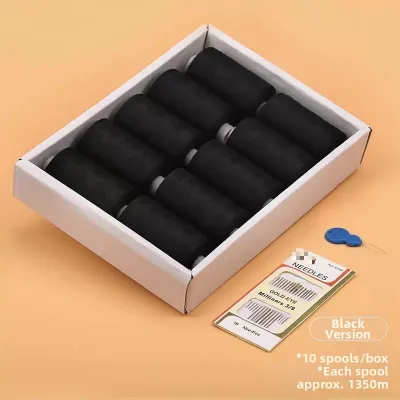
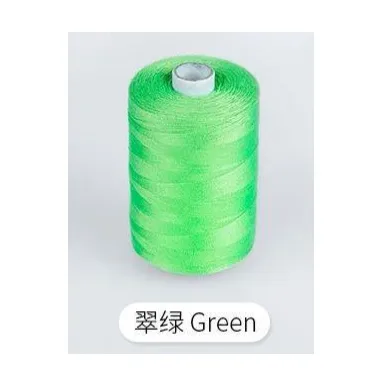
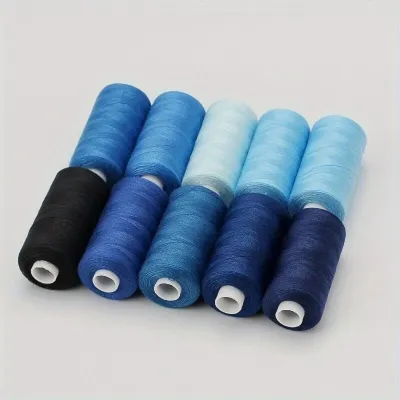
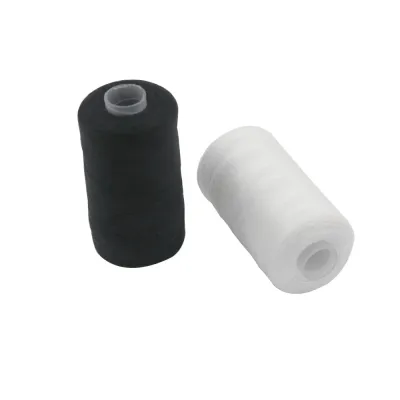
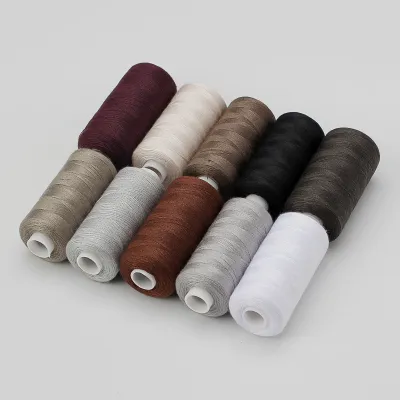
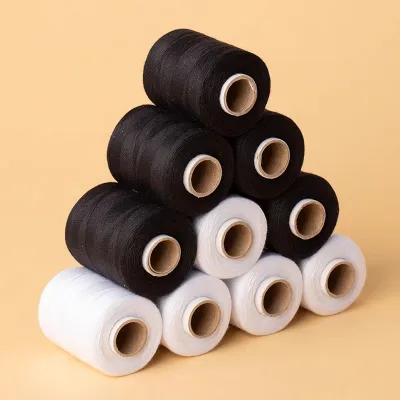
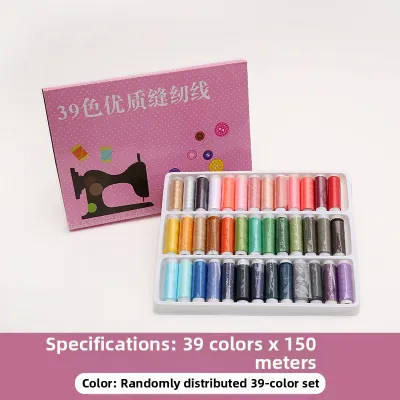
Prices are valid at publication and may change. Please refer to the product page for the latest price.
For most novice needleworkers, core-spun polyester represents the most forgiving and durable choice. This material features a high-strength polyester filament core wrapped in soft polyester or cotton fibers. The inner core provides superb break resistance, while the outer wrapping gives the thread a traditional, easy-to-handle texture that grips fabric layers securely. This hybrid construction minimizes the risk of thread breakage during high-speed machine sewing or vigorous hand-stitching, making it highly versatile for a wide range of starter projects.
To identify heavy-duty options on store shelves, you must learn to read thread weight and thickness indicators on spool labels. The two most common systems are the Tex system and the Weight (wt) system. The Tex system is direct: a higher Tex number (such as Tex 40 or Tex 60) indicates a thicker, stronger thread. Conversely, the Weight system is inverse: a lower number (such as 30 wt) represents a thicker, heavier thread, while a higher number (such as 50 wt) represents a finer thread. Beginners looking for maximum durability should search for spools explicitly marked with lower weight numbers or higher Tex ratings, often accompanied by labels like “Heavy Duty” or “Extra Strong.”
A truly beginner-friendly strong thread must also possess specific physical characteristics that prevent common sewing machine malfunctions. Low lint production is critical, as excessive loose fibers can quickly accumulate in your machine’s bobbin case, leading to skipped stitches and tension jams. A smooth, uniform finish allows the thread to glide effortlessly through tension discs and needle eyes without catching. Finally, high resistance to fraying and tangling ensures that even if your machine’s tension settings are not perfectly calibrated, the thread will maintain its structural integrity throughout the stitching process.
Top Strong Sewing Thread Brands for Beginners
Navigating the sewing aisle can be overwhelming with dozens of brands competing for your attention. Opting for established, reputable brands guarantees a level of manufacturing consistency that budget, unbranded threads simply cannot match. High-quality brands ensure uniform thickness throughout the spool, eliminating the weak spots, knots, and slubs that cause sudden thread breakage. Below are the top strong sewing thread brands available in Singapore that offer the perfect balance of strength, ease of use, and accessibility for beginners.

Coats & Clark
Coats & Clark is a household name in the sewing community, famous for producing reliable, highly accessible threads that cater to all skill levels. Their premier line for general heavy-duty work is the Dual Duty XP series, which utilizes a unique core-spun polyester construction. This thread is specifically designed to provide high tensile strength with a smooth finish, making it an excellent match for robust beginner projects such as canvas tote bags, denim alterations, and home decor items like throw cushions.
One of the greatest advantages of Coats & Clark for beginners is its exceptional tension forgiveness. Home sewing machines can sometimes experience slight tension fluctuations, especially when transitioning over thick fabric seams; Dual Duty XP is engineered to stretch and recover, absorbing these sudden stresses without snapping. Additionally, the brand is widely distributed across Singapore, offering an extensive color palette that makes matching your thread to your fabric a simple task.
However, this heavy-duty thread does come with a few limitations that beginners should keep in mind. Because of its thickness and strength, it is not suitable for delicate, sheer fabrics like chiffon or silk, where it can cause unsightly seam puckering. Furthermore, polyester fibers can melt under extreme heat, so you should avoid direct, high-temperature ironing on the stitched seams without using a protective press cloth. Always check the care instructions of your fabric and adjust your iron to a synthetic-safe heat setting.
Before making a purchase, always perform a quick pre-purchase check on the spool. Verify that the label explicitly states “Heavy Duty” or “Extra Strong,” as Coats & Clark also manufactures standard lightweight embroidery and hand-quilting threads that look remarkably similar on the shelf. Ensuring you have the correct heavy-duty variant will save you from accidental thread breaks during your project.
Gütermann
Gütermann is a premium German brand highly favored by experienced sewists and professionals for its uncompromising quality, consistent tension, and high tensile strength. The secret behind Gütermann’s reputation is its proprietary Micro Core Technology, a specialized manufacturing process that creates a completely uniform, continuous-filament polyester thread. This technology results in a thread that is virtually lint-free, exceptionally smooth, and incredibly strong.
For beginners, the low-lint nature of Gütermann thread is a major benefit. It significantly reduces the accumulation of fiber dust in the bobbin area, minimizing the risk of thread shredding and machine jamming—two of the most common frustrations when learning to sew. Gütermann threads also boast excellent colorfastness and resistance to wear, ensuring that items subjected to frequent washing, such as garments or reusable grocery bags, maintain their structural integrity and vibrant color over years of use.
The primary limitation of Gütermann is its premium price point. A single spool can cost significantly more than budget alternatives in Singapore, making it less economical for raw practice, machine testing, or stitching together scrap fabric. Beginners may prefer to reserve their Gütermann spools for final assembly and use more affordable options for initial practice runs.
When shopping for Gütermann, look specifically for their “Extra Strong” variant (often designated as M 782) rather than their standard “Sew-All” thread. While the Sew-All line is incredibly versatile and strong enough for everyday garments, the Extra Strong line is specifically engineered to handle heavy canvas, leather, denim, and highly stressed structural seams.
Mettler
Mettler is another European brand renowned for producing professional-grade threads that offer exceptional break resistance and smooth glide. Their flagship polyester line, Seralon, is highly regarded for its high tensile strength and balanced elasticity. This elasticity is particularly valuable for beginners working with modern fabrics, as it allows the seams to stretch in tandem with the material, preventing popped stitches on tight seams or activewear.
Seralon’s smooth surface finish ensures that the thread passes through the complex tension paths of your sewing machine with minimal friction. This smooth glide helps maintain consistent stitch length and prevents the thread from bunching up before it reaches the fabric. For long-term projects where durability and resistance to environmental degradation are paramount, Mettler’s high-quality synthetic fibers offer excellent peace of mind.
Novices should be aware that Mettler threads can occasionally present a minor learning curve regarding machine tension adjustments. Because the thread is highly elastic, setting your machine’s tension dial too tight can cause the thread to stretch during stitching, leading to puckered seams once the fabric is released from the machine. Testing your stitches on a scrap piece of the same fabric first is an excellent way to observe the thread behavior and adjust your settings accordingly.
When purchasing Mettler thread, always check the spool end for the specific weight designation. Matching the thread weight to both your fabric thickness and your sewing machine needle size is crucial for achieving clean, professional-looking stitches without damaging your machine.
Fujix
Fujix is a highly respected Japanese brand that is widely distributed across Asian markets, making it incredibly easy to find in Singapore’s local craft stores. Known for producing high-quality threads at a more accessible price point than its European competitors, Fujix is the ideal choice for beginners who want to engage in high-volume practice. Their heavy-duty polyester lines, such as King Star, offer impressive strength and durability without breaking the bank.
Using Fujix allows beginners to practice complex decorative stitches, heavy-duty seam construction, and machine tension calibration on multiple scrap projects without worrying about the cost of wasted materials. The thread offers a reliable level of strength that can easily handle daily wear and tear, making it suitable for practical items like school bags, pencil cases, and simple home repairs.
While Fujix maintains excellent manufacturing standards, budget-friendly lines can occasionally exhibit minor variations in quality control compared to ultra-premium brands. You may occasionally encounter slight lint accumulation or minor variations in thread diameter on very long spools, though these instances are rare and seldom affect basic home sewing projects.
To ensure you get the best performance, conduct a quick physical inspection of the Fujix spool before purchasing. Check that the thread is wound evenly around the spool without any loose loops, look for any signs of excessive surface fuzz, and gently tug a small section of the thread to verify that the fibers are pliable and strong rather than brittle.
Quick Comparison of Beginner-Friendly Strong Threads
To help you quickly identify the best thread for your specific project and budget, the table below summarizes the key characteristics, best use cases, and limitations of the recommended brands.
| Brand | Material Composition | Best Beginner Use Case | Thread Thickness Indicator | Key Limitation |
|---|---|---|---|---|
| Coats & Clark | Core-spun polyester | Canvas bags, denim repairs, home decor | Labeled "Heavy Duty" or "Extra Strong" | Melt risk under high heat; not for sheer fabrics |
| Gütermann | 100% Polyester (Micro Core) | Garments, high-wear items, final projects | Labeled "Extra Strong" (e.g., M 782) | Higher price point per spool |
| Mettler | 100% Polyester (Seralon) | Stretchy fabrics, structural seams, activewear | Labeled by weight (e.g., 30 wt to 50 wt) | Requires careful machine tension adjustment |
| Fujix | 100% Polyester | High-volume practice, budget projects, crafts | Labeled by size/weight specifications | Occasional quality variance on budget spools |
Where to Source Reliable Sewing Threads in Singapore
Finding authentic, high-quality sewing threads in Singapore is straightforward if you know where to look. Large craft megastores, such as Spotlight (located in Plaza Singapura and Westgate), carry extensive selections of premium brands like Gütermann and Coats & Clark. For a more traditional and cost-effective shopping experience, neighborhood haberdasheries located in Chinatown (particularly within People’s Park Centre and People’s Park Complex) offer a treasure trove of sewing supplies, including brands like Fujix and Mettler, often accompanied by helpful advice from experienced shop owners.
When purchasing threads from physical retail shops in Singapore, it is vital to inspect the display conditions. Singapore’s tropical climate means that high humidity and heat are constant factors. Avoid buying spools that have been displayed in direct sunlight or positioned near hot shop windows for long periods. Prolonged UV exposure and heat can degrade both polyester and cotton fibers, making them brittle and significantly reducing their tensile strength before you even take them home.
If you prefer the convenience of online shopping, authorized brand flagship stores and highly rated craft sellers on local ecommerce platforms are excellent options. To avoid counterfeit threads that snap easily under minimal tension, always verify the seller’s ratings and read recent customer reviews. Look for listings that show clear photos of the physical spool labels and packaging, ensuring you are purchasing genuine, fresh stock that has been stored in a climate-controlled environment.
Frequently Asked Questions (FAQ)
What thread weight is best for heavy-duty beginner projects?
For heavy-duty beginner projects involving dense fabrics like canvas, denim, or thick upholstery, a thread with a Tex rating of 40 to 60 (or a weight rating of 30 wt to 40 wt) is highly recommended. These thicker threads provide the necessary tensile strength to hold heavy seams together under stress. However, you must avoid using these heavy-duty threads on lightweight or delicate fabrics. Using a thick thread on thin material will cause severe seam puckering, uneven tension, and can even damage your fabric by leaving large, permanent needle holes.
Can I use strong polyester thread in a standard home sewing machine?
Yes, standard home sewing machines are fully capable of running strong polyester threads, but you must make a few critical adjustments to ensure smooth operation. The most important step is upgrading your sewing machine needle to match the thicker thread. Standard needles (such as size 70/10 or 80/12) have eyes that are too small for heavy-duty thread, which will cause the thread to rub, shred, and eventually snap. When using strong, thick polyester thread, upgrade to a heavy-duty needle size, such as 90/14 or 100/16, which features a larger eye and a deeper groove to accommodate the thread. Always consult your specific sewing machine’s instruction manual to verify its maximum thread thickness limits and recommended tension dial adjustments before starting.
Community discussion
Share your experience or ask a question. Comments are reviewed before publication.