
Selecting the right packaging tapes and labels for your business depends on matching your daily shipping volume, the specific surface materials of your cartons, and Singapore’s humid tropical climate. For fast-paced e-commerce fulfillment, direct thermal labels paired with high-tack hot melt or acrylic tapes ensure waybills remain legible and boxes stay sealed during transit. Retail brands benefit from aesthetic, eco-friendly water-activated kraft paper tapes and custom synthetic labels that resist moisture. Meanwhile, high-volume warehouses require heavy-duty, machine-grade strapping and filament tapes alongside durable thermal transfer labels to withstand automated handling and long-term storage in non-climate-controlled environments.
How to Match Packaging Supplies to Your Operational Needs
Your packaging selection directly influences your daily operational efficiency, shipping security, and overall material costs. Before purchasing any adhesive tapes or labels, you must evaluate three primary decision dimensions: your daily packaging volume, the surface characteristics of your shipping containers, and the environmental conditions of your storage and transit chain.
Operational volume determines whether your business should prioritize hand-grade or machine-grade supplies. Low-to-medium volume operations, typically processing fewer than 100 packages per day, rely on manual packing setups with hand dispensers. High-volume operations, such as centralized fulfillment centers or large warehouses, benefit from automated carton sealing machines and high-speed label applicators. These machines require larger roll capacities and higher tensile strengths to prevent tearing under mechanical tension.
Products mentioned in this guide
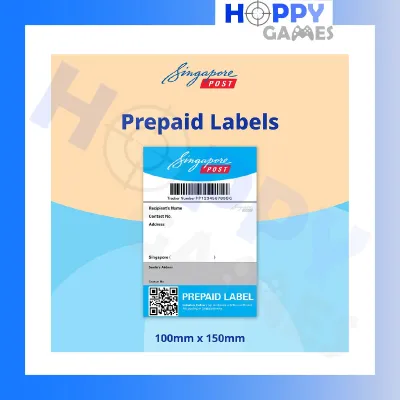
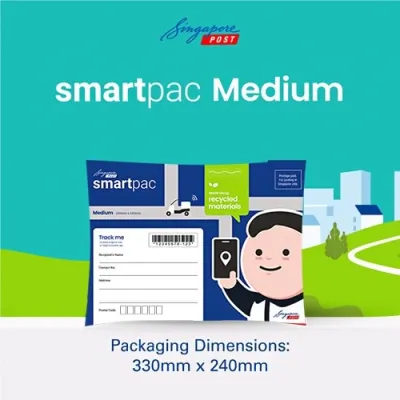
![[SINGPOST] MEDIUM smartpac - A postage-paid packaging for local delivery. Trackable via the SingPost mobile app.](https://img.lazcdn.com/g/p/3360d819ebee92c4900de5d10f98c2e8.png_400x400q80.png_.webp)
Prices are valid at publication and may change. Please refer to the product page for the latest price.
Packaging surface materials play a critical role in adhesive performance. Standard shipping boxes made from virgin kraft corrugated cardboard feature long, clean fibers that easily bond with most standard adhesives. However, modern sustainable packaging often utilizes recycled corrugated cardboard. Recycled fibers are shorter, more tightly compressed, and frequently carry microscopic surface dust that can interfere with adhesive contact. Choosing an incorrect tape for recycled cartons can lead to flagging, where the tape edges peel away during transit.
Environmental factors, particularly Singapore’s high relative humidity and ambient temperatures, heavily impact adhesive stability. High humidity can soften water-based adhesives, while elevated temperatures in non-air-conditioned warehouses can cause certain adhesives to bleed or lose their shear strength. Understanding how different adhesive formulations react to these tropical conditions is essential to preventing package failures.
Two primary adhesive types dominate the packaging tape market:
- Acrylic Adhesives: Typically water-based or solvent-based, acrylic adhesives offer excellent long-term holding power, superior UV resistance, and reliable performance across a broad temperature range. They are highly resistant to yellowing and aging, making them the ideal choice for boxes stored in warehouses for months. However, they require firm pressure during application to achieve a complete bond, as they are pressure-sensitive.
- Hot Melt Adhesives: Made from synthetic rubber, hot melt adhesives provide an exceptionally fast initial bond, known as "quick grab." This aggressive tack allows the tape to adhere instantly to various surfaces, including dusty or recycled cardboard. While hot melt tape speeds up manual packing lines, it is more sensitive to extreme heat and prolonged UV exposure, which can cause the adhesive to degrade and dry out over time.
Selecting the right label technology is equally important for maintaining clear tracking and barcode readability throughout the delivery cycle:
- Direct Thermal (DT) Printing: This technology uses heat-sensitive paper that darkens when it passes under the thermal printhead. It requires no ink, toner, or ribbon, making it a highly cost-effective and low-maintenance option for short-term applications. Direct thermal labels are perfect for shipping waybills that only need to remain legible for a few days or weeks during transit.
- Thermal Transfer (TT) Printing: This method uses a heated thermal ribbon to melt and transfer ink onto paper or synthetic label materials. Thermal transfer printing produces highly durable, crisp images that resist smudging, moisture, chemicals, and UV exposure. It is the industry standard for long-term inventory tracking, product identification, and warehouse shelf labeling.
SmartPAC Tape and Label Picks for E-Commerce Fulfillment
E-commerce businesses operate in a fast-paced environment where speed, accuracy, and package security are paramount. Your shipping materials must withstand the physical rigors of courier handling, sorting facilities, and last-mile delivery. Choosing the correct combination of clear packing tapes, thermal shipping labels, and handling instructions ensures your products arrive safely at your customers’ doorsteps.

Standard clear acrylic or hot melt packing tapes are the most reliable choices for sealing standard corrugated shipping boxes. When selecting clear tape, you must verify its thickness, which is measured in microns. Standard-duty tapes around 40 to 45 microns are suitable for lightweight boxes weighing under 5 kg. For heavier shipments or overstuffed boxes, select a heavy-duty tape with a thickness of 50 to 60 microns to prevent splitting along the box seams. Ensure the tape width is at least 48mm (approximately 2 inches) to provide adequate surface contact on both sides of the box flap.
For printing courier waybills, standard 4×6 inch (101mm x 152mm) direct thermal shipping labels are highly recommended. These labels are available in rolls for desktop thermal printers or fanfold stacks, which sit behind the printer and feed through a rear slot. Before purchasing, verify that the label dimensions and roll core sizes are fully compatible with your specific printer model. High-quality direct thermal labels feature a protective topcoat that resists light moisture, scratches, and smudges, ensuring that delivery drivers and automated sorting scanners can read the barcodes without delay.
To minimize transit damage and communicate special handling instructions to logistics partners, incorporate pre-printed warning and handling labels into your packaging workflow. Labels with bold, high-contrast text such as “Fragile,” “Handle with Care,” or “This Way Up” should be placed prominently near the shipping waybill. These labels utilize aggressive adhesives to ensure they remain firmly attached to cardboard boxes, plastic mailers, or stretch wrap under all shipping conditions.
If your e-commerce business handles customer returns, pay close attention to the adhesive characteristics of your shipping labels. Standard permanent adhesives can leave a sticky, unsightly residue on reusable packaging or product boxes if a customer attempts to peel them off. If you utilize reusable shipping bags or boxes, verify that the label adhesive is formulated to peel cleanly or that the return instructions encourage customers to paste the new return label directly over the original waybill to maintain a professional appearance.
SmartPAC Solutions for Retail Packaging and Branding
For retail businesses, packaging is an extension of the brand identity. It provides the first physical touchpoint for customers opening their orders. Balancing security with unboxing aesthetics is crucial for establishing brand loyalty, especially for premium retail goods, cosmetics, and specialty items.
Kraft paper tape is an excellent alternative to plastic tape for brands prioritizing an eco-friendly, natural aesthetic. Standard self-adhesive kraft tape is easy to apply and can be recycled directly along with the cardboard box. For maximum security and a premium finish, consider water-activated tape (WAT), also known as gummed paper tape. Water-activated tape features a starch-based adhesive that remains dry until moistened by a tape dispenser. Once applied, the adhesive penetrates the cardboard fibers, creating a permanent, tamper-evident molecular bond. Any attempt to peel the tape tears the box surface, making theft or tampering immediately visible.
Product identification, pricing, and barcode tagging require high-quality branding and pricing labels. For standard retail shelf items, paper label sheets or rolls are cost-effective and easy to print. However, if your products will be exposed to moisture, oils, or frequent handling—such as cosmetics, bath products, or chilled items—opt for synthetic label materials like polypropylene (BOPP). Synthetic labels resist tearing and water damage, ensuring your product information and branding remain clean and legible throughout the product’s lifespan.
High-value retail items, including electronics, luxury goods, and designer cosmetics, require enhanced security during transit to prevent internal pilferage. Tamper-evident security tapes are designed specifically for this purpose. When these tapes are peeled or removed, they leave behind a highly visible, irreversible message on the box surface, such as “VOID” or “OPENED.” This visual indicator deters opportunistic theft within the logistics chain and reassures customers that their high-value purchases have arrived untampered.
To ensure your branded packaging meets your aesthetic and functional standards, always perform a small-batch test before purchasing custom tapes or labels in bulk. Apply your chosen kraft or branded tapes to your actual retail boxes and let them sit for 24 hours. Check the adhesive bond strength and observe how the materials look under different lighting conditions. This simple trial prevents costly material waste and ensures your customers enjoy a flawless unboxing experience.
Heavy-Duty SmartPAC Products for Warehouse Logistics
High-volume warehouse operations and industrial logistics hubs demand rugged, highly durable packaging materials. Supplies used in these environments must withstand automated machinery, heavy pallet loads, dusty storage conditions, and long-term storage in non-climate-controlled facilities.
Automated carton sealing machines require high-tack, machine-grade packing tape. These rolls are significantly longer than standard hand rolls—typically measuring 900 to 1,500 meters—to minimize the downtime associated with frequent roll changes. When sourcing machine-grade tape, verify that the roll’s core size matches your machine’s mandrel (usually 3 inches) and that the tape features high tensile strength. High tensile strength ensures the tape can withstand the rapid, mechanical pulling and cutting actions of automated dispensers without snapping or jamming the machine.
For bundling heavy metal pipes, securing wood pallets, or reinforcing heavy-duty triple-wall corrugated boxes, standard packing tape lacks the necessary structural strength. Heavy-duty strapping tapes and fiberglass-reinforced filament tapes are engineered for these demanding tasks. Filament tape features continuous fiberglass filaments running along the length of the tape, providing extreme tensile strength and resistance to nicks, tears, and splitting. It is highly effective for unitizing pallet loads, bundling industrial components, and securing heavy machinery parts during transport.
Warehouse inventory management relies on clear, long-lasting identification. Large-format barcode and location labels applied to warehouse racking systems must remain readable for years. Because warehouses are often dusty, humid, and subject to physical impacts from forklifts and pallets, standard paper labels will quickly degrade and peel off. For these applications, select synthetic thermal transfer labels (such as polyester or polypropylene) paired with aggressive, permanent acrylic adhesives. These materials bond securely to powder-coated metal racks, plastic storage bins, and wooden shelves, resisting dust, abrasion, and temperature fluctuations.
Before placing bulk orders for machine-grade tape or specialized warehouse labels, warehouse managers must consult their equipment manuals. Verify the exact tolerances for maximum roll outer diameter, tape width, core size, and label backing width. Using supplies that fall outside these technical specifications can lead to frequent equipment jams, adhesive buildup on mechanical parts, and costly operational delays.
Essential Specifications to Verify Before Purchasing
To prevent equipment compatibility issues, adhesive failures, and unnecessary material waste, always use this pre-purchase checklist to verify your technical specifications before ordering packaging tapes and labels:
- Equipment Compatibility: Verify the core size and maximum roll diameter of your tape. Most manual hand dispensers are designed for standard 3-inch (76mm) cores and tape widths of 2 inches (48mm) or 3 inches (72mm). Automated carton sealers have strict limits on the maximum outer roll diameter they can accommodate. Purchasing a roll that is too large or has an incompatible core size will render it unusable in your existing equipment.
- Printer and Media Matching: Confirm whether your barcode and waybill printers utilize direct thermal or thermal transfer technology. Direct thermal printers require heat-sensitive paper labels and do not use ribbons. Thermal transfer printers require a compatible ink ribbon (wax, wax-resin, or full resin) to transfer the image onto paper or synthetic labels. Attempting to run direct thermal labels through a thermal transfer printer without a ribbon can cause friction that damages the delicate printhead, leading to expensive repairs.
- Adhesive and Surface Testing: Adhesive performance is highly dependent on the contact surface. Recycled cardboard boxes, which contain short fibers and high surface dust, require aggressive hot melt adhesives or water-activated tapes to establish a secure bond. Standard acrylic tapes may struggle to adhere to these surfaces without sufficient pressure. Conduct a manual peel test on your actual packaging material: apply a strip of tape, press it down firmly, wait 10 to 15 minutes, and peel it off at a 90-degree angle. If the tape tears the cardboard fibers (fiber tear), the adhesive is suitable. If it slides off cleanly, you need a more aggressive adhesive formulation.
- Storage and Climate Considerations: Singapore's tropical climate—characterized by high ambient temperatures and relative humidity levels often exceeding 80%—can rapidly degrade packaging materials. Store all tape and label rolls in their original protective packaging within a cool, dry, climate-controlled space away from direct sunlight. Prolonged exposure to high heat and humidity can cause tape adhesives to soften, turn gooey, or lose their tack. For direct thermal labels, excessive heat can trigger the chemical coating prematurely, causing the entire roll to turn gray or black before printing.
Frequently Asked Questions (FAQ)
Can direct thermal shipping labels be used with any barcode printer?
Direct thermal shipping labels are coated with a specialized heat-sensitive chemical layer and are designed exclusively for use with direct thermal printers or thermal transfer printers configured to run in direct thermal mode (with the ribbon removed). They cannot be used in standard office laser or inkjet printers. Laser printers utilize high-heat fuser units that will turn the entire heat-sensitive thermal label completely black, while inkjet printers use liquid ink that will smudge and fail to bind to the slick, non-porous surface of thermal paper. Additionally, running direct thermal labels through a thermal transfer printer without a ribbon can cause direct, abrasive contact between the paper and the printhead, leading to premature printhead wear.
How should I store packaging tape and labels in a humid climate?
To preserve the quality and adhesive properties of your packaging supplies in a humid climate like Singapore, store them in a cool, dry, climate-controlled room with a stable temperature between 18°C and 24°C. Keep all rolls in their original plastic wrapping and cardboard boxes until they are ready for use to shield them from airborne moisture. High humidity can cause the paper backing liners of labels to absorb moisture and curl, which leads to frequent feeding jams in your printers. For packaging tapes, prolonged exposure to humidity can degrade the adhesive backing, causing the tape to lose its stickiness, release unevenly from the roll, or leave adhesive residue on your dispensers.
What is the difference between acrylic and hot melt adhesive tapes?
The primary differences between acrylic and hot melt adhesive tapes lie in their chemical composition, initial bond speed, and environmental resistance. Acrylic tape uses a water- or solvent-based acrylic adhesive that offers excellent long-term holding power, high UV resistance, and stable performance over a wide temperature range, making it the best choice for boxes stored in warehouses for extended periods. However, it requires firm pressure to activate the bond. Hot melt tape is made from synthetic rubber and features an extremely high initial tack that bonds instantly to surfaces, making it highly effective for fast-paced packing lines and recycled corrugated cartons with dusty surfaces. The trade-off is that hot melt tape can degrade and lose its adhesion faster when exposed to heat and UV light over time.
Community discussion
Share your experience or ask a question. Comments are reviewed before publication.