
Using genuine silk ribbon for gift wrapping elevates a simple package into a memorable, tactile experience. The soft luster, fluid drape, and delicate texture of real silk offer an understated luxury that synthetic alternatives cannot replicate. Whether you are preparing corporate gifts, wedding favors, or holiday presents, selecting the right ribbon requires a balance of material knowledge, aesthetic alignment, and practical preparation.
In Singapore, the market offers a wide array of ribbons labeled as silk, but their quality, origin, and composition vary significantly. To ensure your gift presentation looks flawless and holds its shape in our tropical climate, you must know how to distinguish authentic silk from synthetic blends, choose the correct weave for your wrapping style, and source your materials from reliable vendors. This guide provides the practical steps and verification criteria needed to select and use premium silk ribbon for any gifting occasion.
How to Evaluate Silk Ribbon Quality for Gift Wrapping
When shopping for silk ribbon, the first challenge is verifying the authenticity of the material. Many products on the market are labeled with ambiguous terms like “silky satin” or “silk-like,” which are almost always made from polyester, nylon, or rayon. Genuine silk is a natural protein fiber harvested from silkworm cocoons, offering a distinct breathability, a subtle non-static drape, and a characteristic soft glow rather than a harsh, plastic-like shine.
Products mentioned in this guide
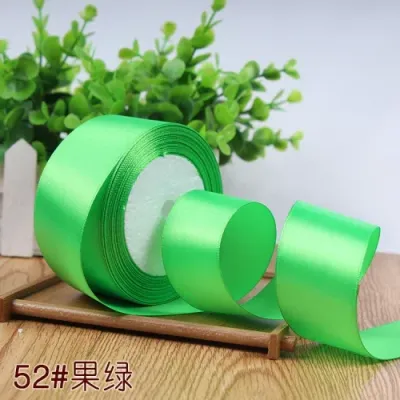
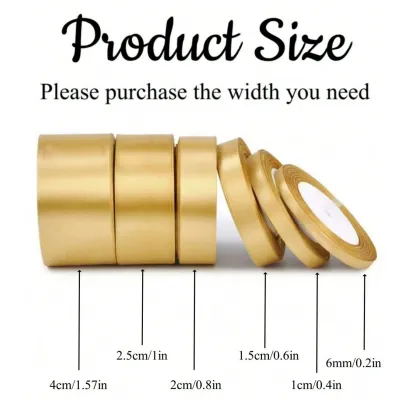
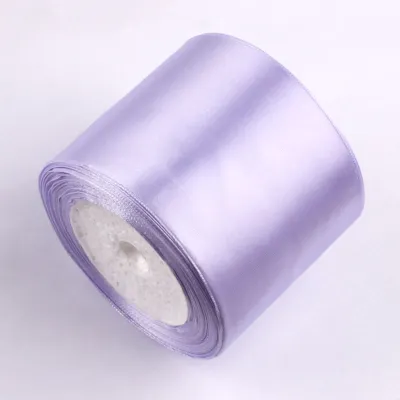
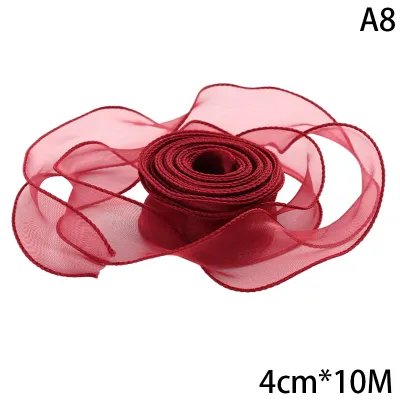
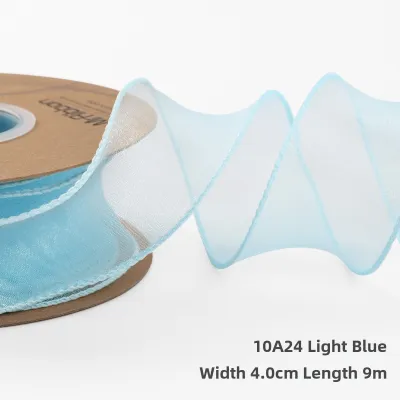
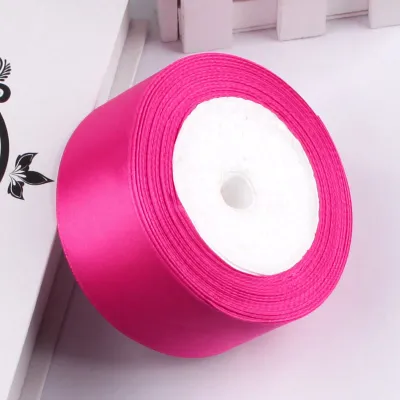
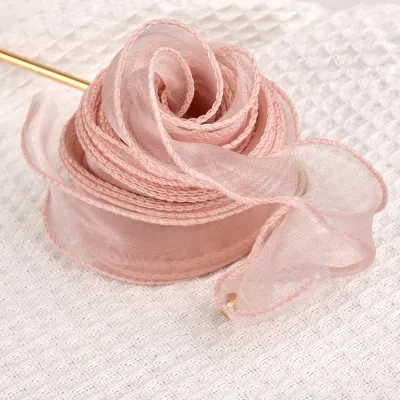
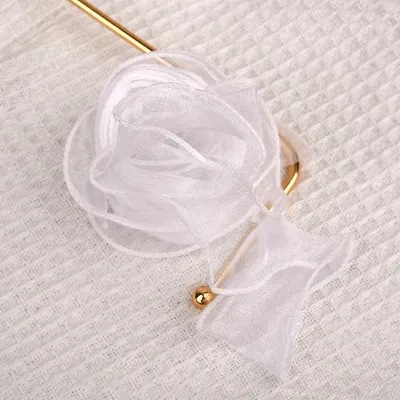
Prices are valid at publication and may change. Please refer to the product page for the latest price.
To verify the material composition, always check the technical specifications or product labels for “100% pure silk” or specific silk types such as mulberry, habotai, chiffon, or crepe de chine. If you are purchasing from a specialty textile merchant and are permitted to test a small sample, a simple burn test can confirm authenticity. Pure silk burns slowly, smells like burning hair, and leaves a dark, easily crushable ash. Synthetic fibers, by contrast, melt quickly, smell chemically sweet, and leave a hard, uncrushable plastic bead.
Beyond material composition, inspect the edge finishing and weave density of the ribbon. Silk ribbons generally fall into two categories: woven-edge (selvedge) and raw-edge (hand-torn). Woven-edge ribbons have finished, sealed sides that prevent fraying, making them ideal for clean, formal, and traditional presentations. Raw-edge ribbons are hand-torn along the grain, creating a soft, feathered fringe that is highly popular for rustic, bohemian, or artisanal gift wrapping. For raw-edge ribbons, ensure the weave is dense enough that the ribbon does not pull apart or shed excessively when tied into a tight knot.
Finally, evaluate the dye consistency and colorfastness of the ribbon. Artisanal silk ribbons are often hand-dyed using botanical or low-impact acid dyes, which can result in beautiful, organic color variations and subtle gradients. However, these natural dyes can sometimes bleed if they encounter moisture. Given Singapore’s high humidity, colorfastness is a critical consideration. Check the manufacturer’s specifications for colorfastness ratings. If this information is unavailable, you can perform a quick rub test by gently wiping a damp white cloth over a small, inconspicuous section of the ribbon to ensure no dye transfers to your wrapping paper.
Choosing the Right Silk Ribbon by Wrapping Scenario
Different gift wrapping projects demand different ribbon characteristics. Matching the ribbon’s width, weight, and drape to your specific scenario ensures that the bow holds its shape and complements the overall presentation.

Luxury and Formal Gift Presentations
For high-end corporate gifts, milestone celebrations, or formal wedding presents, the ribbon should convey structure, symmetry, and substance. For these scenarios, wider ribbons measuring 38mm to 50mm (or even wider for large boxes) are highly suitable. A wide ribbon commands attention and allows you to tie substantial, voluminous bows that serve as the centerpiece of the package.
For a polished look, prefer double-faced silk ribbon, which features a smooth, lustrous finish on both sides. This ensures that no matter how you twist or tie the bow, the shiny, premium side is always visible. Single-faced ribbons have a dull underside, requiring meticulous twisting techniques during the wrapping process to keep the matte side hidden.
Additionally, check the product description for the ribbon’s stiffness and body. If you want a crisp, upright bow with loops that stand proud, look for silk taffeta, silk organza, or silk-blend ribbons that offer a bit of structural support. Pure silk satin has a heavy, fluid drape that tends to lay flat, which is beautiful for a cascading, relaxed look but less ideal for structured, geometric bows.
Delicate Crafts and Everyday Wrapping
For smaller parcels, jewelry boxes, perfume bottles, or delicate floral accents, a heavy, wide ribbon can easily overwhelm the package. Instead, opt for narrower widths ranging from 15mm to 25mm. These smaller dimensions allow for subtle, elegant accents and intricate knotting techniques without cluttering the design.
If you are wrapping curved, cylindrical, or irregularly shaped objects, consider using bias-cut silk ribbon. Bias-cut ribbons are sliced diagonally across the fabric grain, giving the material a natural elasticity and stretch. This flexibility allows the ribbon to hug the contours of unusual packages smoothly, preventing the puckering or bunching that often occurs with standard straight-cut ribbons.
For a modern, minimalist, or organic aesthetic, matte or semi-matte finishes are excellent choices. Silk crepe, raw silk (noil), and silk chiffon offer a soft, textured appearance that pairs beautifully with handmade cotton paper, textured cardstock, or simple kraft paper. These low-sheen options provide a sophisticated contrast to glossy wrapping papers and highlight the natural beauty of the silk fibers.
Where to Source Reliable Silk Ribbon Brands in Singapore
Finding authentic silk ribbon in Singapore requires knowing where to look and how to evaluate sellers. Because high-quality silk is a premium material, sourcing from reputable channels ensures you receive genuine fabric rather than synthetic imitations.
For those who prefer a hands-on shopping experience, visiting specialized local boutiques is highly recommended. High-end stationery shops, fabric merchants in historic textile districts like Arab Street, and boutique florists often stock curated selections of premium ribbons. Shopping in person allows you to physically feel the weight of the silk, test its drape, and verify the exact color under natural light. This is particularly important for matching ribbon colors to specific wrapping papers or event color schemes, as digital screens can often distort shades.
If you prefer the convenience of online shopping, look for official brand storefronts or authorized distributors on major e-commerce platforms. Many independent artisanal ribbon makers host their own dedicated websites or maintain verified storefronts on global creative marketplaces. When browsing online, avoid generic listings that use vague keywords like “silky ribbon” or “satin ribbon” without explicitly stating “100% silk” in the product details. Genuine silk ribbon brands will clearly list the fabric weight, weave type, and origin of the silk.
Before making a purchase, take the time to verify seller credibility. Review customer feedback specifically looking for comments regarding material accuracy, packaging quality, and shipping care. Reliable sellers understand that silk is a delicate material and will ship their ribbons wound neatly on sturdy wooden or cardboard spools, or carefully rolled in protective packaging to prevent deep creasing. Additionally, review the seller’s return policy to ensure you have recourse if the delivered product does not match the advertised material specifications.
Essential Pre-Purchase Checks and Yardage Calculation
To ensure a seamless wrapping process and avoid running out of material mid-project, perform a few essential calculations and checks before finalizing your purchase.
To calculate the exact yardage required for your gift box, use a standard wrapping formula. For a classic cross-wrap (where the ribbon wraps around all four sides of the box and ties in a central bow), use the following calculation:
Total Ribbon Length = (2 Box Length) + (2 Box Width) + (4 * Box Height) + Bow Allowance
The bow allowance depends on the ribbon’s width and how long you want the hanging tails to be. For a standard bow using a 25mm wide ribbon, allow an extra 30cm to 40cm. For a larger, more dramatic bow using a 50mm wide ribbon, increase the bow allowance to 50cm or 60cm. If you are wrapping multiple identical packages, calculate the total length in centimeters, divide by 100 to get the meterage, and add a 10% safety margin to account for cutting mistakes or varying knot tightness.
Once you have determined your yardage, review the care and preparation instructions for the specific ribbon. Silk ribbons often arrive with creases or folds from shipping and storage. To achieve a pristine, professional look, you will need to iron the ribbon before wrapping. Check the manufacturer’s guidelines for ironing temperature limits. Generally, silk should be ironed on a low-heat setting (often labeled as “silk” or “wool”) while slightly damp, or by placing a clean cotton pressing cloth between the iron and the ribbon to prevent scorching or unwanted shine.
Finally, confirm stock availability and pricing in S$. Premium silk ribbon is typically priced per meter or per spool, with prices ranging from S$3 to S$15 per meter depending on the width, weave, and dyeing process. If you are planning a large event, such as a wedding or a corporate product launch, contact the supplier well in advance to confirm lead times for bulk orders, as custom-dyed or imported silk ribbons can take several weeks to prepare and ship to Singapore.
Frequently Asked Questions (FAQ)
How do I prevent silk ribbon from fraying after cutting?
To prevent silk ribbon from fraying, always use extremely sharp fabric shears to make your cuts. Dull scissors will crush and tear the delicate silk fibers, accelerating the fraying process. Cutting the ribbon at a sharp 45-degree angle or in a classic V-shaped chevron pattern naturally reduces fraying by minimizing the exposure of the horizontal weft threads.
If the manufacturer’s care instructions permit, you can apply a very small amount of specialized fabric sealant or fray-check liquid along the cut edge using a fine toothpick. Avoid using a lighter or open flame to seal the edges of pure silk ribbon. Unlike synthetic polyester, which melts and seals cleanly, pure silk is a natural fiber that chars, burns, and leaves a dark, unsightly edge and a strong odor.
Can silk ribbon be reused for multiple gift wrapping occasions?
Yes, high-quality silk ribbon is highly durable and can be reused multiple times if handled and stored correctly. When opening a gift, gently untie the knots by hand rather than pulling them tightly, which can distort the weave and leave permanent creases in the delicate silk fibers.
To store your ribbons for future use, roll them loosely around a clean cardboard tube or spool to prevent deep creasing, or lay them flat in a shallow drawer. Store them in a cool, dry environment away from direct sunlight, as prolonged UV exposure can fade the colors. Given Singapore’s humid climate, ensure the storage area is free from moisture to prevent mold or mildew. If the ribbon becomes wrinkled between uses, a quick pass with a low-heat iron or a gentle handheld steamer will easily restore its smooth, luxurious drape.

Community discussion
Share your experience or ask a question. Comments are reviewed before publication.