
When starting your journey into hand embroidery, selecting the right sewing thread is one of the most critical decisions you will make. For beginners, standard six-strand mercerized cotton embroidery floss is the ideal choice because of its versatility, ease of handling, and forgiving nature. While regular sewing thread can be used for specific fine details, dedicated embroidery floss offers the necessary thickness, ply separation, and sheen required for classic hand embroidery.
Choosing the right thread prevents common beginner frustrations like constant knotting, fraying, and uneven tension. By understanding the physical characteristics of different thread types and knowing how to verify their quality, you can set yourself up for a smooth, enjoyable stitching experience. This guide will help you navigate the key features of embroidery threads, evaluate widely recommended brands available in Singapore, and learn how to protect your collection from local environmental factors.
Key Features to Look for in Beginner Embroidery Thread
Understanding the material composition of your thread is the first step toward successful embroidery. Most high-quality embroidery threads are made from 100% mercerized cotton. Mercerization is a chemical treatment that swells the cotton fibers, giving them a rounded shape, increased luster, and a stronger affinity for dyes. This process also reduces lint and makes the thread glide smoothly through woven fabrics, minimizing friction and wear as you stitch. Polyester blends, while highly durable and resistant to breaking, tend to have a different springiness and slip more easily, which can make maintaining consistent tension slightly more challenging for a beginner.
Products mentioned in this guide
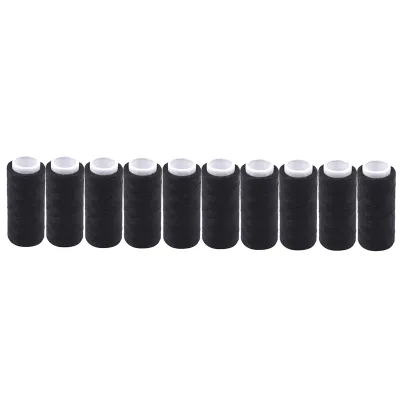
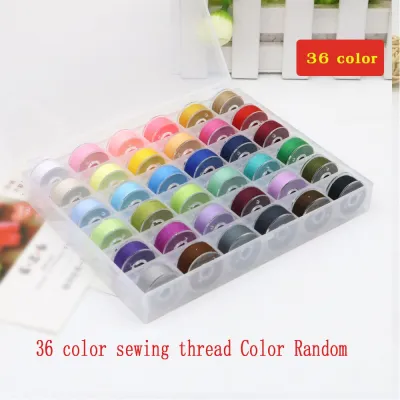
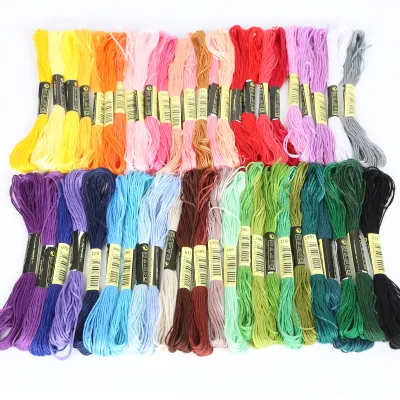
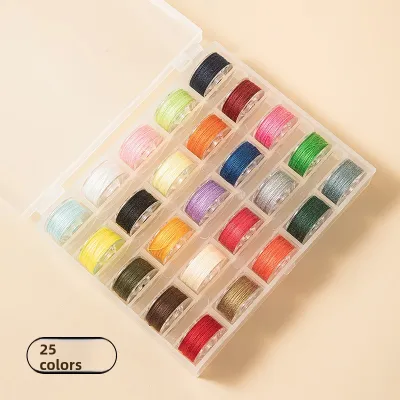
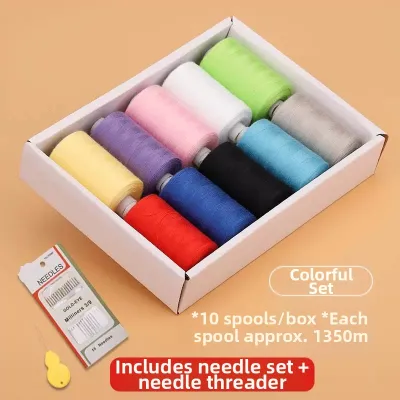
Prices are valid at publication and may change. Please refer to the product page for the latest price.
Thread weight and ply structure determine the texture and scale of your embroidery. Standard embroidery floss is a six-strand thread, meaning six individual plies are lightly twisted together to form a single strand. This design allows you to easily separate the plies to adjust the thickness of your stitches. For instance, you might use a single strand for delicate facial features, two strands for standard outlines, and all six strands for bold, textured fills. This adaptability makes six-strand floss far more versatile for beginners than non-divisible sewing threads.
Colorfastness is another essential feature to verify before starting any project, especially if you plan to embroider on clothing, tote bags, or household linens that will require regular washing. High-quality threads are dyed using processes that lock the color into the fibers, preventing the dye from bleeding onto the surrounding fabric when wet. Look for terms like “colorfast” or “grand teint” on the manufacturer’s label. If a thread is not colorfast, dark reds, blues, and greens can easily ruin hours of hard work during the very first wash.
Tangle resistance and a smooth finish are observable traits that directly impact your stitching rhythm. High-quality threads use long-staple cotton fibers, which are spun tightly to prevent individual fibers from splitting or shedding lint. When you run a piece of high-quality thread between your fingers, it should feel smooth and uniform, without any noticeable slubs, thin spots, or rough patches. This structural integrity helps the thread resist twisting and knotting as it passes repeatedly through the fabric.
Widely Recommended Sewing Thread Brands for Embroidery Beginners
For beginners, sticking to established, widely recognized brands is highly recommended because they utilize standardized color numbering systems. These systems assign a unique code to every single shade in their catalog. Because most commercial embroidery patterns, online tutorials, and cross-stitch charts reference these exact color codes, using a standardized brand eliminates the guesswork of trying to match colors by eye. It also ensures that if you run out of a specific shade halfway through a project, you can purchase another skein with the exact same color code and expect a perfect match.

In Singapore, standard cotton embroidery floss from reputable brands is highly accessible and offers excellent value. Individual skeins typically retail between S$1.20 and S$2.00 in local craft shops and haberdasheries. This affordable entry point allows beginners to build a diverse color palette without a significant upfront investment. While budget-friendly unbranded packs are available online, they often lack color consistency and structural durability, making the small price premium for established brands well worth it for a frustration-free experience.
However, beginners should be aware of certain limitations when sourcing threads locally. While standard cotton colors are widely stocked in Singapore, specialty lines—such as variegated threads, satin finishes, or metallic options—may have limited local availability or carry a higher price tag, sometimes ranging from S$3.50 to S$5.00 per skein. Additionally, certain niche color shades or discontinued lines can be difficult to find in physical stores, occasionally requiring you to order from specialized online distributors or adapt your pattern to more commonly available shades.
Standard Cotton Floss Brands
Standard six-strand cotton floss is the undisputed workhorse of the embroidery world. Widely recognized brands manufacture this thread using long-staple cotton that undergoes double mercerization, resulting in an exceptionally smooth texture and a soft, subtle sheen. The individual plies are designed to separate cleanly without fraying, allowing you to transition smoothly between different stitch thicknesses. Because these brands maintain strict quality control, their dye lots are incredibly consistent, meaning a skein purchased today will match a skein purchased months from now.
To read the standard color codes, look at the two paper bands wrapped around each skein. One band typically displays the manufacturer’s logo and brand name, while the other features a barcode and a printed number, which is the color code. When following a pattern, simply locate this number on the pattern’s color key. If you are designing your own piece, keeping a log of these numbers ensures you can easily replenish your favorite shades.
Standard cotton floss is highly versatile and suitable for almost every foundational embroidery technique. It performs beautifully in satin stitch for smooth fills, backstitch and stem stitch for clean outlines, and French knots for textured details. Its predictable behavior and ease of handling make it the absolute best starting point for anyone learning the basics of needlework.
Specialty and Blended Thread Options
As you progress, you will encounter specialty threads that offer different visual effects, though they require more advanced handling. Pearl cotton, also known as perle cotton, is a non-divisible, two-ply thread with a high-twist, rope-like appearance. Unlike standard floss, pearl cotton cannot be split into thinner strands; instead, it is purchased in specific sizes, such as size 3, 5, 8, or 12, with 12 being the finest. It creates a beautiful, raised texture that is perfect for hardanger, redwork, and decorative border stitches.
Metallic and blended threads, such as those containing polyester, rayon, or metallic foils, add striking shimmer and dimension to a piece but are notoriously difficult to manage. Metallic threads are stiff, prone to springiness, and easily catch on the fabric, which can cause the thread to shred or strip away from its core. They require shorter working lengths, slower stitching speeds, and often a larger needle size to create a wider hole in the fabric, reducing friction on the delicate metallic coating.
For beginners, it is highly advisable to delay purchasing specialty and blended threads until you have mastered basic stitch tension and thread control using standard cotton floss. Introducing stiff or slippery materials too early can lead to uneven stitches and unnecessary frustration. Once you feel confident with standard cotton, you can gradually introduce pearl cotton or small accents of metallic thread into your projects.
Pre-Sorted Kits and Assortments
When buying your very first set of threads, you will face the choice between purchasing individual skeins or pre-sorted kits and assortments. Starter kits curated by reputable brands are an excellent way to build a foundational color palette. These assortments often group complementary colors together—such as pastels, jewel tones, or neutrals—saving you the time and effort of selecting individual shades. They also provide a cost-effective way to acquire a broad range of colors for small, varied projects.
However, if you are considering unbranded or generic thread assortments commonly found on online marketplaces, it is crucial to inspect the product specifications carefully. Check the listing for exact yardage, ply count, and material composition. Many cheap assortments use short-staple polyester or low-grade cotton blends that are rough to the touch, shed excessive lint, and lack the strength needed to withstand repeated passes through fabric.
Red flags to watch out for in generic thread packs include a complete lack of color identification codes, inconsistent thread thickness within a single skein, and a dusty or dull appearance. If the threads arrive with a strong chemical odor or show visible fuzziness along the strand, they are highly likely to tangle, snap, or bleed color. Investing in a smaller number of high-quality, branded skeins is almost always preferable to buying a massive pack of low-grade, frustrating thread.
How to Verify Thread Quality and Authenticity When Buying Online
With the rise of online shopping, counterfeit and degraded embroidery threads have become increasingly common on e-commerce platforms and online craft marketplaces. To ensure you are purchasing genuine, high-quality thread, always look for official brand stores or authorized craft retailers. Check the seller’s profile, read customer reviews, and look for badges that indicate authorized seller status. If a deal seems too good to be true—such as a pack of one hundred skeins of a premium brand sold for a fraction of the standard retail price—it is highly likely to be counterfeit.
When browsing online listings, carefully read the product descriptions rather than relying solely on the cover image. Verify that the listing specifies the exact yardage (standard skeins are typically 8 meters or 8.7 yards), material composition (100% long-staple mercerized cotton), and ply count. Avoid listings that use vague terminology like “cotton-feel,” “embroidery-style,” or “polyester-cotton blend” unless you are specifically looking for a synthetic alternative.
Once your thread arrives, perform a quick physical inspection before you begin stitching. Examine the paper bands for crisp, clear printing; blurry logos, misspelled words, or missing lot numbers are clear indicators of counterfeit products. Feel the thread to ensure it is smooth and supple. Brittle fibers that snap easily when gently tugged, or threads that feel unusually stiff or scratchy, have likely been stored poorly or are made from low-grade materials.
If you suspect your thread might bleed color, or if you want to test a new brand, perform a simple preliminary wash test on a scrap piece of fabric. Cut a short length of the thread, wet it thoroughly with warm water, and place it between two layers of white paper towel or light-colored scrap fabric. Press down firmly with a warm iron until dry. If any dye transfers onto the paper towel or fabric, the thread is not colorfast and should not be used on any project that will eventually be washed.
Practical Tips for Storing and Managing Your First Thread Collection
Proper storage is essential for keeping your embroidery threads organized, tangle-free, and ready for use. One of the most popular and low-cost solutions for beginners is winding thread onto plastic or cardboard bobbins. Once wound, these bobbins can be stored neatly in clear plastic organizer boxes with adjustable compartments. This system allows you to see your entire color palette at a glance and prevents loose ends from tangling together. Alternatively, you can use small, clear zip-top bags labeled with the color code, which is particularly useful for keeping leftover thread lengths organized.
Singapore’s tropical climate presents unique challenges for storing natural fiber threads. High humidity levels can cause cotton threads to absorb moisture from the air, making them susceptible to mold, mildew, and fiber degradation over time. To protect your collection, store your thread organizers in a cool, dry place away from direct sunlight, which can fade colors. Placing a few silica gel packets inside your storage boxes is an excellent, low-cost way to absorb excess moisture and keep your threads dry and strong.
Always label your bobbins or storage bags with the exact color code as soon as you wind or store the thread. It is incredibly easy to forget a color number once the original paper bands are discarded. By keeping a neat, labeled inventory, you can easily track which colors you have on hand, minimize waste by utilizing leftover lengths for small details, and ensure you always buy the correct replacement shades for your future embroidery projects.
Frequently Asked Questions (FAQ)
Can I use regular sewing thread for embroidery?
While you can technically use regular sewing thread for embroidery, it is generally not recommended for standard hand embroidery projects. Regular sewing thread is typically a thin, two-ply polyester or cotton-polyester blend designed to blend into seams rather than stand out decoratively. Because it is so thin, using it for embroidery requires many more stitches to achieve the same coverage as standard embroidery floss, which can distort your fabric and lead to a flat, dull appearance. However, regular sewing thread can be highly useful for ultra-fine detail work, such as delicate thread painting, or when used as an accent alongside standard floss.
How do I stop my embroidery thread from tangling and knotting?
To minimize tangling and knotting, start by cutting your thread to a manageable length, ideally between 45 and 50 centimeters—roughly the distance from your fingertips to your elbow. Threads that are too long undergo excessive friction as they pass through the fabric, leading to wear, static, and tangles. Additionally, during long stitching sessions, let your needle and thread hang freely from your hoop every few stitches to allow the thread to untwist naturally. If you still experience issues, you can run your thread through a small amount of beeswax or a dedicated thread conditioner, making sure to test it on a scrap piece of fabric first to ensure it does not leave a residue.
Community discussion
Share your experience or ask a question. Comments are reviewed before publication.