
Starting an embroidery journey is an exciting creative milestone, but managing the sudden influx of colorful thread skeins, sharp needles, delicate hoops, and fabric scissors can quickly become overwhelming. For beginners in Singapore, finding the right sewing kit storage box is not just about keeping a workspace tidy; it is also about protecting delicate materials from the region’s persistent tropical humidity. A suitable storage solution bridges the gap between accessibility and preservation, ensuring that your tools remain in pristine condition and are ready for your next stitching session.
Choosing your first storage box requires a clear understanding of your current tool collection and your preferred crafting environment. Whether you plan to stitch primarily at a dedicated desk or take your projects to local crafting workshops, the structure, material, and layout of your storage box will dictate how smoothly your hobby progresses. By evaluating your specific needs early on, you can avoid the common pitfall of buying a container that is either too cramped for your embroidery hoops or too disorganized for your small accessories.
Key Criteria for Choosing an Embroidery Storage Box
Evaluating your storage needs begins with a realistic assessment of your starter tool volume. A basic embroidery kit typically includes at least one or two embroidery hoops (commonly ranging from 10 to 20 centimeters in diameter), several skeins of cotton embroidery floss, a pack of specialized needles, fabric shears, and marking pens. Before purchasing any container, gather these items together on a flat surface to visualize their collective volume. A common mistake is selecting a box based solely on thread capacity, only to realize later that your rigid wooden embroidery hoops cannot fit inside without bending or warping.
Products mentioned in this guide
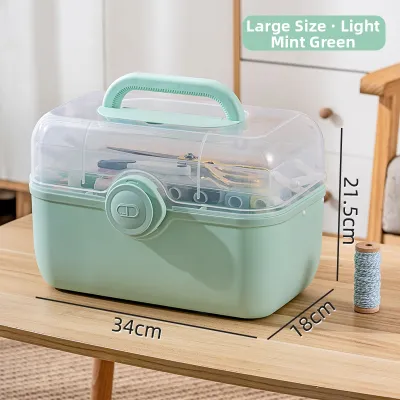
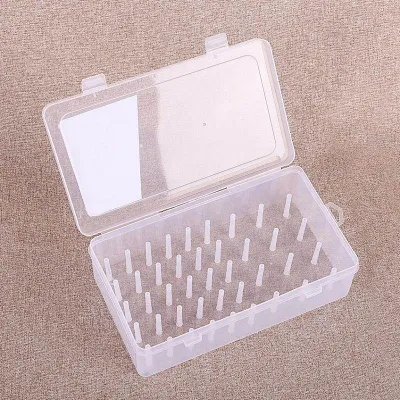
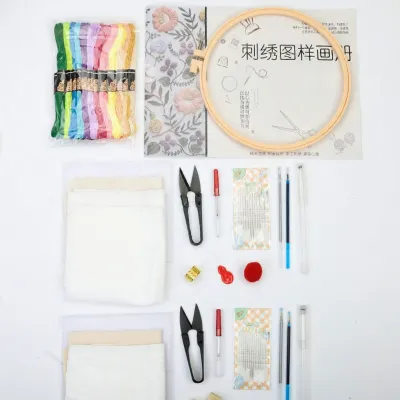
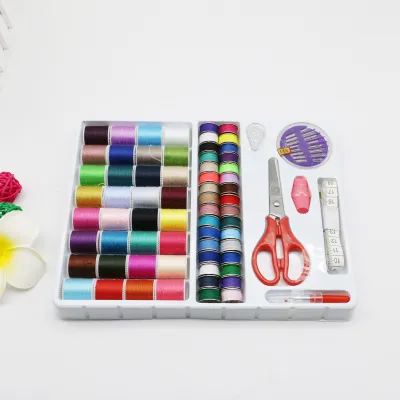
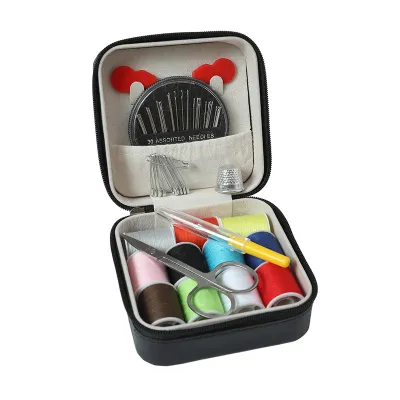
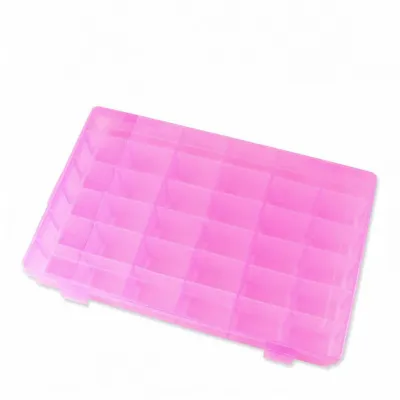
Prices are valid at publication and may change. Please refer to the product page for the latest price.
Material selection plays a major role in how well your tools are protected and how easily you can transport them. Rigid plastic containers offer excellent structural integrity, shielding delicate items like fine-tipped embroidery scissors and thin needles from external pressure. They are also highly effective at blocking dust and ambient moisture, which is a critical consideration for long-term storage. Alternatively, fabric-based storage options, such as canvas pouches or padded cases, provide a lightweight and flexible alternative. While fabric cases do not offer crush protection, their soft walls can expand slightly to accommodate oddly shaped items, making them highly convenient for crafters on the go.
Compartment flexibility is another essential factor that determines the long-term utility of your storage box. Fixed-grid containers are excellent for organizing uniform items like wound thread bobbins, but they fail to accommodate larger, irregular tools. Look for storage boxes that feature adjustable or removable dividers. This flexibility allows you to customize the interior layout, creating wide sections for your embroidery hoops and fabric pieces while maintaining small, snug compartments for your thimbles, needle threaders, and pins. As your collection grows, an adjustable system can easily adapt to hold new tools without requiring you to purchase an entirely new box.
Recommended Storage Box Types for Starter Kits
Different storage formats cater to distinct crafting styles, space limitations, and portability requirements. Understanding the strengths and limitations of each primary category will help you identify which style aligns best with your daily embroidery routine.

Multi-Compartment Plastic Organizers
Multi-compartment plastic organizers are a staple for crafters who prefer a highly visual, stationary setup. These flat, transparent boxes feature rows of small grids that are well-sized for holding embroidery thread bobbins. The clear plastic lid allows you to view your entire color palette at a glance without even opening the box, which makes selecting thread colors for your next project incredibly satisfying and efficient.
However, these rigid organizers have distinct limitations when it comes to versatility and travel. Because they are designed with a slim profile to fit easily into drawers or stack on shelves, they rarely have the depth required to store larger items like embroidery hoops or bulky fabric shears. If you attempt to travel with them, the rigid plastic can crack under heavy impact, and the internal items may shift or mix if the lid does not fit completely flush against the top of the dividers. When evaluating these boxes, look for models with secure, heavy-duty latches and removable dividers that let you clear out a larger section for your primary tools.
Roll-Up Tool Wraps and Fabric Pouches
For crafters who value portability and space-saving designs, roll-up tool wraps and fabric pouches offer an exceptionally practical solution. These soft-sided organizers are ideal for those who attend local stitching circles, travel frequently, or simply need to pack their craft supplies away into a small closet at the end of the day. They feature dedicated slots for needles, scissors, and pens, alongside zippered pockets that keep loose items secure.
The primary trade-off with fabric storage is the complete lack of crush protection. If you pack a soft pouch into a crowded backpack, your delicate embroidery hoops could warp, and your fabric marking pens might accidentally get squeezed and leak. Additionally, fabric pouches do not allow you to organize thread bobbins in neat, visible rows, which can make finding a specific color shade more time-consuming. When choosing a fabric option, prioritize high-quality, water-resistant materials with sturdy zipper closures and deep, secure pockets that prevent small tools from sliding out during transit.
Portable Tackle-Style Boxes with Trays
Portable tackle-style boxes feature a multi-tiered design with cantilevered trays that lift upward and outward when the lid is opened. This format offers an excellent combination of high capacity and systematic categorization for beginners who plan to expand their tool collection quickly. You can dedicate the top shallow trays to small items like needles, pins, and thread bobbins, while reserving the deep bottom compartment for bulky items like hoops, fabric pieces, and backing stabilizers.
While highly functional, tackle-style boxes are significantly bulkier and heavier than other options. They require a flat, stable surface to open fully, as the cantilevered trays can make the box top-heavy and prone to tipping if not balanced correctly. They also occupy a larger physical footprint on your desk when open, which might feel restrictive if you work in a compact living space. When shopping for a tackle-style box, pay close attention to the strength of the main latch and the comfort of the carrying handle, as these components bear the entire weight of your kit.
Essential Features to Verify Before Purchasing
Before finalizing your purchase on an online marketplace or at a local craft store, it is vital to verify specific physical dimensions and structural details. Never rely solely on product photos, which can often make containers look larger or deeper than they are in reality. Measure your longest tools—typically your fabric shears or your largest embroidery hoop—and compare those measurements directly against the internal dimensions listed by the manufacturer. Ensure there is at least a one-centimeter clearance on all sides so you do not have to force your tools into the box.
The security of the closure mechanism is another critical detail that warrants close inspection. A weak latch or a flimsy zipper can easily fail when the box is lifted, resulting in a frustrating spill of hundreds of tiny pins, needles, and thread bobbins. Look for boxes that feature dual latches or a secondary locking mechanism, especially if you plan to carry the box by its handle. For fabric pouches, heavy-duty nylon or metal zippers are generally more reliable and durable over time than simple plastic snap buttons.
Given Singapore’s tropical climate, protecting your embroidery supplies from moisture and dust is a paramount concern. High humidity can cause cotton embroidery floss to absorb moisture, leading to musty odors, color bleeding, or mold growth over time. It can also cause steel embroidery needles and pins to rust, rendering them useless and potentially staining your fabrics. To combat this, look for plastic storage boxes that feature tight-fitting lids or silicone gaskets that create a reliable seal. Adding a few rechargeable silica gel packets inside your storage box is an inexpensive and highly effective way to absorb any trapped moisture and keep your supplies dry.
How to Organize Your Beginner Embroidery Tools
Once you have selected a suitable storage box, organizing your tools systematically will make your crafting sessions much more enjoyable and productive. Start by grouping your items by function into three distinct zones: cutting tools, marking tools, and stitching supplies. Keeping your fabric shears separate from your utility scissors ensures they remain sharp, while keeping marking pens away from your threads prevents accidental ink stains.
Thread management is the key to maintaining a neat embroidery box. Leaving thread skeins loose in a compartment inevitably leads to a tangled, unusable mess. Instead, wind your embroidery floss onto plastic or cardboard bobbins immediately after purchase, and write the color identification number clearly on the corner of each bobbin. Arrange these bobbins vertically in your storage compartments so you can see every color clearly. If you prefer to keep your threads in their original skein form, store them in individual, small resealable plastic bags to protect them from dust and friction.
Safety should always be a priority when organizing sharp tools. Never leave loose needles or pins rolling around at the bottom of a compartment, as this poses a constant risk of accidental finger pricks. Use a dedicated needle case, a fabric needle book, or a magnetic needle minder to keep your needles securely in one place. Additionally, always store your embroidery snips and fabric shears in protective sheaths or designated slots to prevent the blades from dulling or scratching other plastic items inside your box.
Frequently Asked Questions (FAQ)
Can I use a standard fishing tackle box for embroidery storage?
Yes, a standard fishing tackle box can be an excellent and highly cost-effective alternative to specialized sewing boxes. They offer fantastic compartmentalization, durable latches, and portable handles. However, you must ensure that the plastic used is acid-free and chemically stable, as some industrial plastics can off-gas over time, potentially degrading or discoloring delicate cotton embroidery threads. Additionally, clean the box thoroughly before use to ensure there are no residual manufacturing oils or chemical scents that could transfer to your fabrics.
How do I prevent my embroidery threads from tangling in a storage box?
The most reliable way to prevent tangling is to wind your thread skeins onto dedicated bobbins made of plastic or heavy cardstock. Once wound, secure the loose end of the thread in the small slits on the edge of the bobbin. If you prefer not to wind your threads, place each individual skein into a small, clear resealable plastic bag. This keeps the threads contained, prevents them from rubbing against each other, and protects them from dust and moisture. Avoid overstuffing your compartments, as crowding will cause threads to catch on neighboring items.
Are wooden sewing boxes better than plastic ones for beginners?
While traditional wooden cantilever sewing boxes offer a beautiful, classic aesthetic and excellent durability, they are often less practical for beginners, especially in humid climates. Wood is naturally heavy, making these boxes difficult to transport, and they can be quite expensive. Furthermore, in Singapore’s humid environment, untreated or poorly sealed wood can absorb moisture, which may lead to warping or mold growth that can ruin your fabrics and threads. For most beginners, a high-quality, moisture-resistant plastic box offers a practical, lightweight, and budget-friendly starting point.
Community discussion
Share your experience or ask a question. Comments are reviewed before publication.