
Selecting the best self-sticking cloth for your sewing projects in Singapore depends heavily on your specific application, fabric compatibility, and how the adhesive responds to the local tropical climate. For permanent textile bonds, heat-activated fusible webs and interfacings from established brands like Vlieseline, Pellon, and Dritz offer the most reliable performance. For temporary, heat-free applications, pressure-sensitive adhesive felts and fabric tapes provide a quick solution that requires no ironing.
Understanding the physical properties of these materials is essential for achieving a professional finish. Because Singapore’s high humidity can affect how adhesives cure and age, matching the correct adhesive type to your base fabric and intended wash cycle is the first step toward project success.
Understanding Self-Sticking Cloth Types for Your Projects
The term “self-sticking cloth” is a broad consumer label that covers several distinct haberdashery materials. To avoid ruining your fabric or sewing machine, you must identify the exact type of adhesive backing required for your specific task. These materials generally fall into three primary categories, each operating on a different bonding mechanism.
Products mentioned in this guide
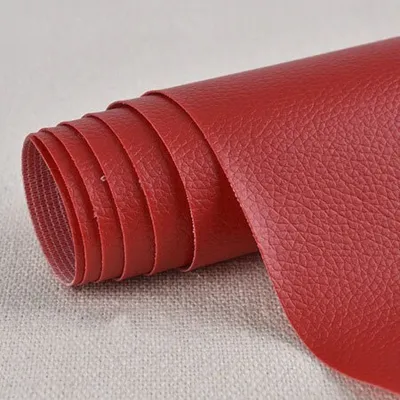
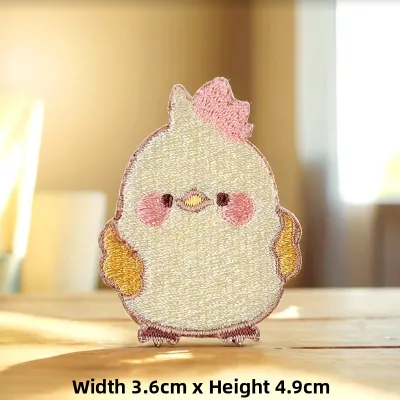
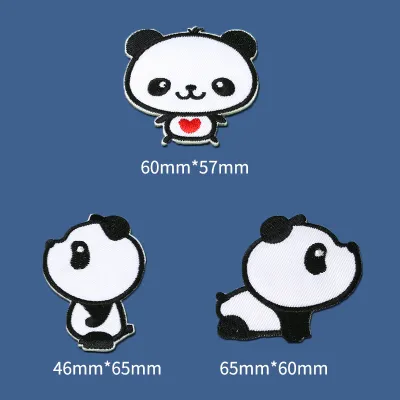
Prices are valid at publication and may change. Please refer to the product page for the latest price.
Fusible Webs
Fusible webs are double-sided, heat-activated adhesive sheets that melt when ironed, creating a permanent bond between two layers of fabric. They do not contain actual woven fibers; instead, they consist of a solid web of adhesive, often backed by a removable release paper. This paper allows you to trace designs, cut shapes precisely, and iron the adhesive onto the first piece of fabric before peeling the paper away to fuse it to the second layer. Fusible webs are the standard choice for raw-edge appliqué, no-sew hemming, and patch application.
Iron-On Interfacing
Iron-on or fusible interfacing is an adhesive-backed structural layer used to reinforce fabrics rather than bond two separate pieces together. It features a heat-activated adhesive on one side, which is applied to the wrong side of the garment fabric. Interfacing comes in woven, non-woven, and knit varieties, allowing you to add stiffness, prevent stretching, or provide body to collars, cuffs, facings, and bag panels without altering the external appearance of the project.
Pressure-Sensitive Adhesive Fabrics
Pressure-sensitive adhesive fabrics, such as sticky-back felt or peel-and-stick fabric tape, use a tacky, pressure-activated glue that requires no heat. You simply peel off the backing paper and press the fabric firmly onto the target surface. While highly convenient for quick crafts, these adhesives are generally non-washable and can leave a sticky residue on sewing machine needles if you attempt to stitch through them. They are best reserved for temporary decorations, scrapbooking, and non-wearable crafts.
How to Match Self-Sticking Cloth to Your Sewing Project
Every sewing and crafting project presents unique demands regarding drape, flexibility, washability, and structural support. Choosing the wrong adhesive backing can result in stiff, puckered seams, or bonds that disintegrate during the first wash cycle.

Apparel Mending and Hemming
For mending torn garments or raising hems without stitching, you need a flexible, lightweight fusible web that moves naturally with the body. Heavy, rigid adhesives will create noticeable, stiff patches on lightweight apparel like linen trousers or cotton dresses. Look for lightweight, double-sided fusible tapes or webs that maintain fabric drape and are rated for repeated machine washing and dry cleaning. Always verify that the adhesive is compatible with the garment’s wash temperature limits.
Quilting and Appliqué
Quilting and decorative appliqué require high precision during the cutting and positioning phases. A paper-backed fusible web is indispensable here, as it allows you to trace intricate shapes directly onto the paper backing before fusing. The paper stabilizes the fabric, preventing fraying along raw edges during cutting. For multi-layered quilting projects, select a lightweight or ultra-lightweight fusible web to prevent the finished quilt from becoming overly stiff and heavy.
Bag Making and Collars
Creating structured items like tote bags, pouches, shirt collars, and cuffs requires structural reinforcement rather than double-sided bonding. Heavyweight iron-on interfacing provides the necessary stiffness to help bags stand upright and keep collars crisp. When working with structured bags, non-woven fusible interfacings offer excellent rigidity. For garments, woven or knit interfacings are preferred, as they preserve the natural drape and elasticity of the fashion fabric.
Kids' Crafts and Quick Decor
For school projects, holiday decorations, and quick home decor items where washing is not required, pressure-sensitive adhesive fabrics are highly efficient. Sticky-back felt sheets are excellent for children’s crafts because they eliminate the safety risks associated with hot irons or liquid fabric glues. These peel-and-stick options bond instantly to paper, cardboard, wood, and other dry, clean surfaces, making them ideal for rapid assembly.
Fabric Compatibility and Heat Tolerance
Before purchasing any heat-activated self-sticking cloth, you must check the care label of your base fabric. Delicate synthetic fibers such as nylon, polyester, acrylic, and silk can melt, scorch, or glaze under the high temperatures required to activate standard fusible adhesives. If your base fabric cannot tolerate medium-to-high iron heat, you must opt for a low-temperature fusible web, a pressure-sensitive adhesive, or traditional hand-sewing methods to avoid permanent fabric damage.
Recommended Self-Sticking Cloth Brands by Project Type
While general craft stores and online marketplaces in Singapore offer various unbranded adhesive fabrics, relying on established haberdashery brands ensures consistent adhesive distribution, reliable washability, and clear application parameters.
Fusible Webs for Appliqué, Hemming, and Mending
For double-sided bonding, three international brands stand out for their reliability and are widely available through specialty sewing shops in Chinatown, major department craft stores, and online distributors in Singapore.
- Vlieseline (formerly Vilene): This European brand is highly regarded by professional tailors and hobbyists alike. Their premier double-sided fusible web, Bondaweb (often sold by the meter or in tape rolls), is famous for its thin, even adhesive layer that does not add bulk to seams. It is highly resistant to dry cleaning and machine washes, making it an excellent choice for permanent garment alterations and detailed appliqué.
- Pellon: A dominant brand in the quilting community, Pellon offers Wonder-Under, a paper-backed fusible web available in multiple weights. Wonder-Under is highly praised for its ease of tracing and clean cutting. It fuses quickly under a damp pressing cloth and remains soft and pliable after washing, preventing the cardboard-like stiffness associated with lower-quality adhesives.
- Dritz: Known for utility sewing notions, Dritz produces Stitch Witchery, a fusible bonding tape that is highly popular for quick, no-sew hemming. It is available in regular, lightweight, and heavy-duty grades. Stitch Witchery is particularly useful for securing trouser hems, fixing loose facings, and repairing torn pockets quickly.
When shopping for these brands in Singapore, check the product packaging for weight classifications. Lightweight webs are designed for delicate silks and synthetics, regular weights suit medium-weight cottons and linens, and heavy-duty versions are formulated for denim, canvas, and upholstery fabrics.
Iron-On Interfacing for Garment Structure and Bags
Adding structure to garments and accessories requires high-quality single-sided fusible interfacings that bond smoothly without bubbling or delaminating over time.
- Vlieseline Fusible Interfacings: Vlieseline offers an extensive range of interfacings designed for specific fabric types. For structured bags and crafts, Vlieseline H250 is a firm, non-woven interfacing that provides excellent shape retention. For garment tailoring, Vlieseline G700 is a woven cotton fusible interfacing that adds body to collars and cuffs while preserving a natural feel. For knit fabrics, their stretch fusible interfacings expand and contract with jersey fabrics without popping the adhesive bond.
- Pellon Interfacings: Pellon's Shape-Flex (SF101) is an industry-standard all-purpose woven fusible interfacing. It is highly recommended for cotton fabrics, providing a smooth, crisp finish to collars, button plackets, and bag linings. It prevents fabric distortion during sewing and holds up exceptionally well to repeated laundering.
When applying these interfacings, always align the grainline of woven interfacings with the grainline of your fashion fabric to ensure the garment drapes correctly. For non-woven interfacings, which have no grain, you can cut pattern pieces in any direction to maximize material yield.
Pressure-Sensitive Adhesive Fabrics for Quick Crafts
When heat application is impractical or you need a rapid, no-iron solution, pressure-sensitive adhesive fabrics are the most practical choice.
- Sticky-Back Felt Sheets: Widely available in local stationery chains, craft shops, and department stores across Singapore, these sheets feature a dense polyester felt layer backed by an aggressive acrylic adhesive. They are excellent for lining jewelry boxes, adding scratch-protection pads to the bottoms of ceramic vases, and creating costume accessories.
- Fabric Adhesive Tapes: Brands like Dritz and various Japanese stationery manufacturers produce double-sided peel-and-stick fabric tapes. These are designed for temporary garment positioning, such as holding a pocket or zipper in place before sewing, or for quick, emergency hem repairs on the go.
Keep in mind that pressure-sensitive adhesives are highly vulnerable to Singapore’s ambient humidity. If stored in open, humid spaces, the adhesive backing can degrade, lose its tack, or become gummy over time. Always store unused pressure-sensitive sheets in airtight zip-lock bags containing a silica gel packet to prolong their shelf life.
Application Tips and Fabric Safety Boundaries
Working with self-sticking cloth requires precise technique to ensure a secure bond and protect your equipment. Adhesives can easily transfer to your iron plate or ruin your fashion fabric if applied incorrectly.
Scrap Testing
Never apply a fusible web or interfacing directly to your final project without conducting a scrap test first. Cut a small piece of your project fabric and a matching piece of the adhesive material. Test the iron temperature, steam setting, and pressing time on this scrap. Check the bond strength once the sample has cooled completely, and inspect the face of the fabric for any puckering, adhesive bleed-through, or heat discoloration.
Temperature Control
Heat-activated adhesives require a specific temperature range to melt and bond correctly. If the iron is too cool, the adhesive will not activate fully, leading to peeling after washing. If the iron is too hot, you risk scorching your fabric or vaporizing the adhesive, which destroys the bond. When working with synthetic fabrics like polyester, nylon, or acetate, keep your iron on a low-to-medium setting and increase the pressing time slightly rather than raising the heat, as high heat can melt synthetic fibers instantly.
Protection
To prevent molten adhesive from getting onto your ironing board cover or your iron’s soleplate, always use a barrier. A clean pressing cloth, a sheet of parchment paper, or a silicone pressing sheet should be placed over the project before ironing. If you are using a paper-backed fusible web, ensure the adhesive side is facing the fabric and the paper side is facing the iron before applying heat.
Cooling and Setting
One of the most common mistakes in fabric fusing is moving the fabric while it is still warm. Heat-activated adhesives are fluid when hot and only form a permanent, secure bond as they cool and solidify. After pressing, leave the fabric flat on your ironing board for at least two to three minutes to cool completely. If you peel away paper backings or test the bond strength while the material is still warm, you will disrupt the adhesive layer and weaken the final bond.
Frequently Asked Questions (FAQ)
Can machine washing detach iron-on self-sticking cloth?
Yes, machine washing can detach iron-on self-sticking cloth if the adhesive is not rated for laundering or if the application process was incomplete. High-quality fusible webs and interfacings from brands like Vlieseline and Pellon are designed to withstand repeated machine washing and dry cleaning, provided they were fused using the correct temperature, pressure, and time. However, repeated exposure to hot water, harsh detergents, and high-heat tumble drying can degrade the adhesive polymer over time. To maximize the lifespan of fused items, wash them in cool or warm water on a gentle cycle, and line dry them whenever possible.
Is it safe to use fusible web on delicate synthetic fabrics?
Using standard fusible webs on delicate synthetic fabrics carries a high risk of melting or warping the material, as synthetics like nylon and acrylic have low melting points. To apply adhesives safely to these fabrics, you must use a specialized ultra-lightweight or low-temperature fusible web designed specifically for delicate materials. Always use a dry pressing cloth to distribute the heat evenly, keep your iron on the synthetic setting, and conduct multiple tests on fabric scraps before proceeding. If the synthetic fabric is highly heat-sensitive, a pressure-sensitive adhesive or traditional sewing is a much safer alternative.
How do I clean adhesive residue from my iron or fabric?
If adhesive bleeds through your fabric onto your iron’s soleplate, let the iron cool down slightly until it is warm but safe to touch. Wipe the soleplate firmly with a damp, thick cotton cloth or a specialized non-abrasive iron cleaning sheet to peel the warm adhesive away. Never use metal scrapers, steel wool, or abrasive scouring pads, as these will permanently scratch the soleplate’s non-stick coating. For adhesive residue left on fabric, check the manufacturer’s care label first. Some adhesives can be dissolved using rubbing alcohol or commercial adhesive removers, but you must test these solvents on a hidden fabric scrap first, as they can discolor or dissolve certain synthetic fibers.
Community discussion
Share your experience or ask a question. Comments are reviewed before publication.