
Gift wrapping is an art form where the final presentation speaks volumes before the package is even opened. In Singapore, whether you are preparing a corporate hamper for a business partner, wrapping a delicate wedding gift, or styling a festive package for Chinese New Year, the ribbon you choose serves as the ultimate finishing touch. While there are countless options available in local craft shops, specialty packaging stores, and online marketplaces, finding high-quality ribbons requires an understanding of materials, widths, and construction standards.
Rather than relying solely on brand names—which can vary significantly in availability and consistency—the secret to selecting the best ribbon lies in evaluating the physical properties of the product. A premium ribbon should have clean, well-finished edges, vibrant and stable dye that will not bleed in Singapore’s humid climate, and a structural weight that suits your specific wrapping style. By focusing on material characteristics, quality indicators, and proper application techniques, you can ensure your gifts always look professionally styled and beautifully presented.
How to Match Ribbon Width and Style to Your Gift
Selecting the right ribbon is not just about choosing a beautiful color; it requires a careful consideration of proportion and style. The visual balance of your wrapped gift depends heavily on matching the ribbon’s width to the physical dimensions of the box. If you use a ribbon that is too wide on a small package, you risk overwhelming the gift and obscuring the wrapping paper. Conversely, a ribbon that is too narrow on a large, bulky box will look sparse, weak, and visually lost.
Products mentioned in this guide
![[13 mm x 22.5 Meter/ Roll] [RBN 03]Satin Ribbon | Gift Wrapping Ribbon | Single-Faced Ribbon | One Roll Ribbon](https://img.lazcdn.com/g/p/d2f01850c252f771bf097837c65bdf11.jpg_400x400q80.jpg_.webp)
![[6 mm x 22.5 Meter/ Roll] [RBN 01] Satin Ribbon | Gift Wrapping Ribbon | Single-Faced Ribbon | One Roll Ribbon](https://img.lazcdn.com/g/p/3e97fc4774a222c5540376d40b69a625.jpg_400x400q80.jpg_.webp)
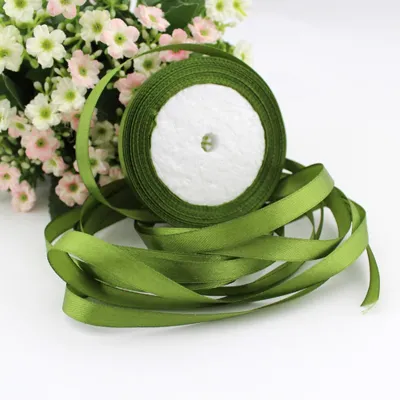
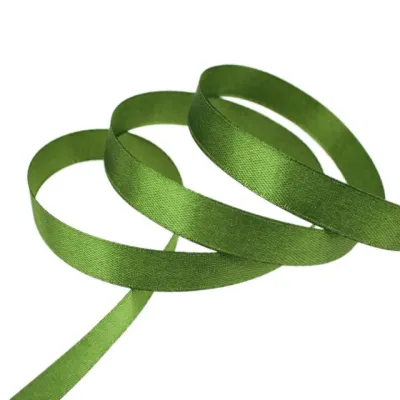
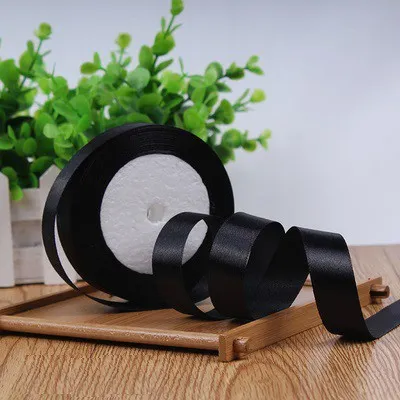
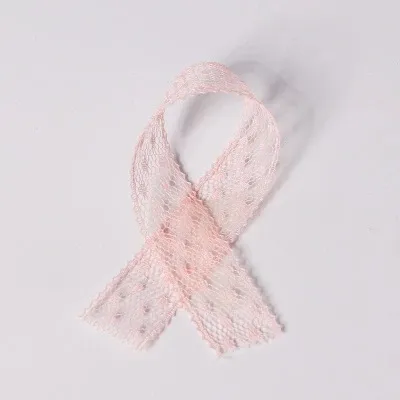
Prices are valid at publication and may change. Please refer to the product page for the latest price.
To achieve a balanced look, follow a simple proportional framework. For small, delicate items such as jewelry boxes, perfume bottles, or small gift cards, opt for narrow ribbons ranging from 3 mm to 9 mm in width. These thin profiles add a touch of elegance without dominating the package. For standard-sized gifts, such as books, shoe boxes, or medium apparel boxes, a ribbon width of 15 mm to 25 mm is the industry standard, offering a clean and visible border. For large hampers, deep storage boxes, or oversized corporate gifts, choose wide ribbons of 38 mm to 50 mm (or even wider). These broader bands provide the necessary scale and structural presence to anchor a larger package.
The style of the ribbon must also align with the formality and mood of the occasion. Elegant, high-sheen materials like double-sided satin or silk are the premier choice for formal events, weddings, anniversaries, and high-end corporate gifting. Their glossy finish reflects light beautifully, conveying luxury and meticulous care. For casual gatherings, birthdays, baby showers, or rustic-themed events, matte textures and ribbed finishes like grosgrain, cotton, or natural jute are highly appropriate. These materials offer a more relaxed, tactile, and approachable feel that complements casual wrapping papers and hand-crafted gift tags.
Before cutting your ribbon, it is essential to estimate the required length to avoid wasting material or running short mid-tie. For a classic cross-tie—where the ribbon wraps around all four sides of a square or rectangular box and finishes with a standard bow—you can use a simple mathematical formula. Measure the length, width, and height of your box. The formula is: multiply the length by two, add the width multiplied by two, add the height multiplied by four, and then add an additional 60 cm to 80 cm to account for the bow itself. If you plan to tie an elaborate, multi-loop bow or a pom-pom style topper, you will need to add an extra 1 to 2 meters of ribbon to your calculation to ensure you have enough material to build the voluminous loops.
Ribbon Materials Explained: Which Texture Fits Your Occasion?
The texture of a ribbon dictates not only how it looks but also how it behaves when handled, knotted, and shaped. Different fabrics offer distinct physical properties, from the slippery drape of silk to the rigid structure of grosgrain. Understanding these material differences is key to choosing a ribbon that is both aesthetically pleasing and easy to work with.

Satin and Silk Ribbons
Satin ribbons are highly popular in the gift-wrapping world due to their luxurious sheen and smooth, fluid drape. Double-sided satin is particularly valued because both sides of the ribbon feature the same glossy finish, ensuring that your loops and tails look flawless from every angle. Silk ribbons offer an even more delicate, organic drape with a soft, matte-like luster that feels incredibly premium to the touch. However, a key practical consideration when working with these materials is their slippery texture. Because they lack friction, satin and silk ribbons can easily slide out of place, causing bows to sag or unravel. When using them, it is important to pull your base knots extremely tight, or consider using a small, reversible dab of double-sided adhesive under the central knot to secure the bow in place without damaging the gift paper.
Grosgrain and Cotton Ribbons
If you are looking for durability, ease of use, and a modern aesthetic, grosgrain and cotton ribbons are exceptional choices. Grosgrain is easily identified by its ribbed, corded texture, which is created by heavy crosswise yarns. This unique structure gives the ribbon excellent grip and rigidity, allowing it to hold knots securely without slipping. Cotton ribbons, made from natural fibers, offer a soft, matte finish that is highly popular for minimalist and eco-friendly designs. Both materials are incredibly forgiving for beginners because they do not slide around during the tying process, making it easy to create crisp, well-defined bows that maintain their shape over time. They are highly recommended for heavy boxes, everyday gifts, and projects where structural integrity is a priority.
Organza and Sheer Ribbons
Organza and sheer ribbons are lightweight, translucent fabrics typically woven from polyester, nylon, or silk. Their delicate, airy appearance allows you to add volume and layers to a gift package without making it look heavy or visually cluttered. Organza is highly versatile; its stiff texture allows it to hold shape surprisingly well, making it excellent for creating complex, multi-layered floral bows. Because of its transparency, organza is also perfect for layering directly over a solid-colored satin ribbon, creating a beautiful, multi-dimensional contrast of textures and tones. This material is ideal for wrapping fragile items, cosmetic sets, or adding a soft, romantic touch to wedding favors.
Burlap and Natural Fiber Ribbons
For a rustic, vintage, or sustainable aesthetic, burlap, jute, and hemp ribbons are the ultimate choices. These natural fiber options feature a coarse, heavily textured weave that pairs beautifully with simple brown kraft wrapping paper, twine, and natural embellishments like dried lavender or cinnamon sticks. However, working with natural fibers comes with specific handling considerations. Burlap and jute ribbons have a loose weave and a strong tendency to fray significantly at the cut edges. They can also shed small fibers during the wrapping process. To manage this, handle them gently, use extremely sharp scissors for clean cuts, and consider applying a light coat of clear fabric sealant to the cut edges if the gift will be handled frequently.
How to Evaluate Ribbon Quality and Brand Reliability
When shopping for ribbons in Singapore, you will encounter a wide variety of brands and unbranded spools. To ensure you are purchasing a high-quality product that will not ruin your gift presentation, it is important to know how to evaluate ribbon quality independently. By focusing on a few key physical indicators, you can confidently select reliable options regardless of the brand name on the label.
First, examine the edge finishing of the ribbon. High-quality ribbons feature tightly woven, clean borders that do not fray or unravel easily when unspooled. If you are planning to create structured, upright bows with large loops that need to hold their shape, look for wired edges. Wired ribbons contain a very fine, flexible metal wire encased within the woven borders, allowing you to bend, fluff, and shape the loops to your exact liking. For soft, draping bows that hang naturally, choose unwired ribbons, but inspect the edges to ensure they are cleanly finished and free from loose threads or irregular weaving.
Second, verify the colorfastness and dye quality of the material. In Singapore’s hot and highly humid climate, moisture in the air or sweat from your hands can cause unstable dyes to bleed. This is a common issue with dark or vibrant colors like deep red, emerald green, and navy blue, which can leave unsightly stains on light-colored wrapping paper or fabrics. To test for colorfastness before wrapping your gift, dampen a small white cotton swab or cloth with water and gently rub it against a small, hidden section of the ribbon. If any color transfers to the swab, the dye is unstable, and you should avoid pairing that ribbon with light-colored wraps or sensitive surfaces.
Third, assess the winding and packaging of the spool. Quality manufacturers wind their ribbons onto spools with consistent tension and care. Avoid spools where the ribbon is visibly twisted, tangled, or has deep, permanent creases running through the material. These creases are incredibly difficult to remove—even with a low-temperature iron—and will detract from the clean, professional look of your wrapped gift. Additionally, ensure the spool itself is sturdy and undamaged; crushed cardboard or cracked plastic spools can pinch and fray the edges of the ribbon, rendering portions of the roll unusable.
Finally, look for material transparency from the brand or seller. Reliable ribbon brands clearly state the exact material composition on their packaging, such as 100% polyester, nylon, cotton, or silk. Knowing the material composition is essential because it dictates how the ribbon can be cut, sealed, and stored. For example, synthetic ribbons like polyester can be easily heat-sealed to prevent fraying, while natural fibers like cotton cannot. Brands that provide clear material specifications and care instructions demonstrate a commitment to quality control and customer satisfaction.
Where to Buy Wrapping Ribbons in Singapore
Finding the perfect ribbon in Singapore is highly convenient, thanks to a diverse array of physical and digital retail channels. Depending on your project requirements, budget, and timeline, you can choose from local craft stores, specialty packaging suppliers, or online marketplaces. Understanding what each channel offers will help you shop efficiently and verify the quality of your purchase.
Local craft and stationery stores are the best option for hands-on shoppers who want to evaluate materials in person. These physical retail spaces allow you to feel the weight, stiffness, and texture of the ribbon before making a decision. More importantly, visiting a store lets you verify the true color of the ribbon under natural or consistent store lighting, avoiding the common issue of digital screens displaying colors inaccurately. Many local craft shops offer the flexibility of buying ribbon by the meter, which is highly cost-effective if you only need a small amount for a single gift. For larger projects, they also stock full spools in standard widths.
For those who require bulk quantities, premium branded spools, or specialized widths, specialty packaging suppliers are the ideal destination. These wholesale-focused businesses, often located in commercial or industrial districts across Singapore, cater to professional florists, event planners, and corporate designers. They carry a massive inventory of high-grade ribbons in an extensive palette of colors and finishes. While these suppliers typically require you to purchase full spools rather than individual meters, the cost per meter is significantly lower than retail prices, making them the most economical choice for weddings, large events, or corporate gifting campaigns.
If you prefer the convenience of home delivery or are searching for a highly specific international brand, online marketplaces and official brand storefronts are excellent resources. Shopping online gives you access to a global selection of ribbon styles, but it requires a cautious approach to ensure quality. When browsing online, always check the seller’s overall rating and read customer reviews, paying close attention to photos uploaded by buyers to verify the ribbon’s thickness and color accuracy. Look for official brand stores or highly rated specialty craft merchants to minimize the risk of receiving counterfeit or low-quality products. Additionally, factor in shipping times to ensure your ribbons arrive well before your wrapping deadline, and review the store’s return policy regarding color discrepancies.
To guarantee your wrapping process goes smoothly, always perform a quick verification checklist immediately upon receiving your ribbon:
- Check the Width: Measure the ribbon with a ruler to confirm it matches the exact width you ordered.
- Inspect the First Meter: Unroll the first meter of the spool and check for any manufacturing defects, such as uneven weaving, dye spots, or physical tears.
- Examine the Spool: Ensure the spool was not crushed or damaged during transit, as bent edges can ruin the borders of the ribbon.
- Perform a Color Check: View the ribbon in natural daylight to ensure the shade matches your wrapping paper and meets your expectations.
Pro Tips for Cutting, Tying, and Storing Ribbons
Once you have selected the perfect ribbon, proper handling and storage will ensure your gifts look flawless and your leftover materials remain in pristine condition for future use. Working with fabric ribbons requires a few basic techniques to prevent damage and maximize visual appeal.
When cutting your ribbon, the most critical tool is a pair of dedicated, sharp fabric scissors. Dull household scissors will chew through the fibers rather than cutting them cleanly, leading to immediate fraying and jagged edges. For a professional finish, always cut the ribbon at a sharp 45-degree angle. Alternatively, you can create a classic V-notch (also known as a swallowtail cut) by folding the end of the ribbon in half lengthwise and cutting diagonally upward from the folded edge to the outer border. This simple technique not only looks elegant but also naturally distributes tension across the fibers, significantly reducing the rate of fraying on unwired ribbons.
Tying a secure, beautiful bow with slippery materials like satin or silk does not require messy glues or heavy tape that can damage your gift wrap. Start by tying a firm, flat square knot at the base to anchor the ribbon tightly against the box. This provides a stable foundation so your bow does not slide around. When forming the loops, pull them firmly to lock the central knot. If you are working with an exceptionally slippery ribbon, you can slide a tiny, reversible piece of double-sided removable tape directly underneath the central knot to hold it securely in place. This keeps the bow looking perfect while allowing the recipient to easily untie the gift without tearing the paper.
Proper storage is key to protecting your ribbons from dust, moisture, and fading. In Singapore’s humid climate, storing fabric ribbons improperly can lead to mold growth and color degradation. Always store your spools in a cool, dry place away from direct sunlight, which can quickly bleach vibrant dyes. Keep your spools organized horizontally on a ribbon dispenser rack or vertically in a shallow drawer to prevent them from rubbing against each other. For loose ribbon scraps, wrap them gently around small pieces of cardboard and secure the ends with a paperclip or a piece of low-tack painter’s tape. Avoid folding your ribbons, as this creates deep creases that are highly difficult to iron out.
Frequently Asked Questions (FAQ)
How do I stop ribbon edges from fraying?
To stop unwired synthetic ribbons (such as those made of 100% polyester or nylon) from fraying, you can carefully apply heat to the cut edge. Hold the edge of the ribbon near—but not directly touching—the flame of a lighter or match for a fraction of a second. The heat will melt the synthetic fibers, fusing them into a clean, sealed edge. For natural fibers like cotton or silk, which will burn rather than melt, apply a tiny amount of clear fabric sealant or clear nail polish along the cut edge. Always test these methods on a hidden scrap piece first to ensure the material does not scorch, melt excessively, or stain.
Can I wash and reuse fabric ribbons?
Yes, many high-quality fabric ribbons are highly durable and can be washed and reused multiple times. Cotton and grosgrain ribbons are particularly resilient; you can gently hand-wash them in cool water with a mild detergent, rinse thoroughly, and lay them flat on a clean towel to air-dry. However, delicate materials like satin, silk, and organza require extra care. These fabrics are highly prone to water-spotting, can lose their original stiffness, and may become permanently misshapen if submerged in water. For these delicate types, it is best to avoid washing them entirely; instead, gently steam out any creases using a garment steamer on a low setting.
What is the difference between wired and unwired ribbon?
The primary difference lies in structural support and drape. Wired ribbon contains a very thin, flexible metal wire woven into its outer borders, allowing you to bend, shape, and fluff the material into complex loops and structured bows that hold their shape indefinitely. This makes wired ribbon the ideal choice for large, dramatic gift toppers, festive wreaths, and multi-loop bows. Unwired ribbon lacks this wire, resulting in a soft, natural drape that flows elegantly. Unwired ribbons are best suited for simple flat ties, classic square knots, wrapping tightly around the body of a gift box, or creating soft, romantic bows that hang naturally.

Community discussion
Share your experience or ask a question. Comments are reviewed before publication.