
Starting your first quilting project is an exciting milestone, but stepping into a fabric store can quickly feel overwhelming. Among the rows of cutting mats, rotary cutters, and templates, finding the right tools is essential to prevent early frustration and ensure your pieces fit together perfectly. If you are wondering what the best quilting rulers are for beginners, the short answer is to start with two highly versatile shapes: a 6″ x 24″ rectangular ruler and a 6.5″ x 6.5″ square ruler. Together, these two sizes allow you to cut long fabric strips, sub-cut smaller patches, and square up finished blocks with absolute precision. While a standard sewing ruler is excellent for dressmaking, fashion design, and pattern drafting, quilting demands specialized heavy-duty tools that can withstand the unique pressures of rotary cutting.
By choosing rulers designed specifically for quilting, you protect your fingers from sharp blades and ensure your fabric cuts are perfectly straight. In Singapore’s active crafting community, local quilters frequently emphasize that precision cutting is the foundation of successful piecing. Investing in the right acrylic rulers from the beginning will save you hours of seam ripping and prevent wasted fabric.
Why Standard Sewing Rulers Fall Short for Quilting
To understand why specialized tools are necessary, it helps to compare a standard sewing ruler with a dedicated quilting ruler. Standard rulers used for garment construction are typically thin, flexible, and made of lightweight plastic or metal. While these qualities are perfect for drawing curved necklines or measuring hemlines on a dress form, they are highly impractical and dangerous when paired with a rotary cutter. A rotary cutter utilizes a razor-sharp circular blade that requires significant downward pressure to slice through multiple layers of quilting cotton.
Products mentioned in this guide
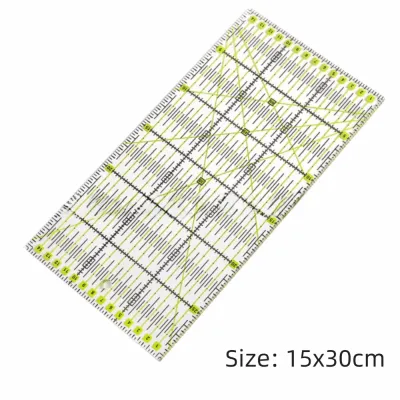
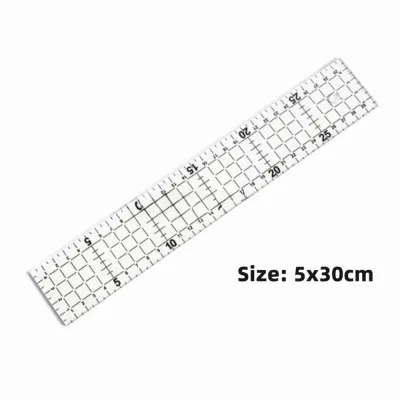
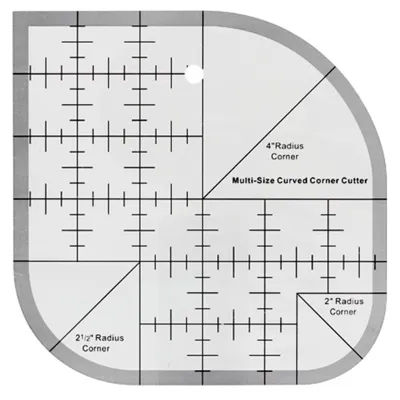
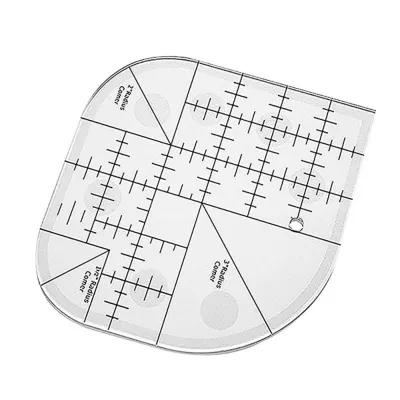
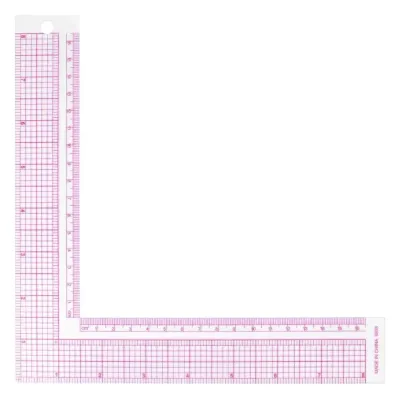
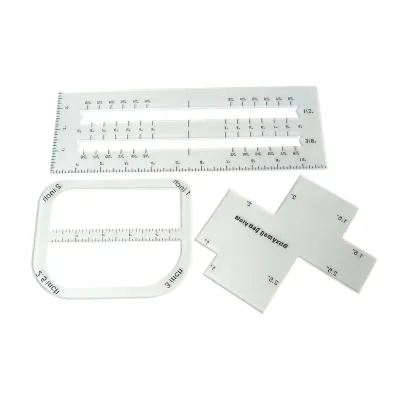
Prices are valid at publication and may change. Please refer to the product page for the latest price.
Because standard rulers are thin, they lack the physical barrier needed to keep a rotary cutter on a straight path. If you apply pressure to a flexible ruler, the center can bow upward, causing the fabric underneath to shift. Even worse, the blade of your rotary cutter can easily climb over the low edge of a thin ruler, leading to ruined fabric or severe cuts to your fingers. Quilting rulers are constructed from thick, rigid acrylic—typically around 3mm (1/8 inch) thick—which creates a solid, raised ledge that safely guides the blade of your cutter.
Furthermore, standard rulers usually feature basic measurement markings along the outer edges, leaving the center clear. Quilting, on the other hand, relies on a continuous grid system. Quilting rulers are printed with highly detailed grid lines across their entire surface, allowing you to measure and cut fabric simultaneously. These grid lines help you align the grainline of your fabric, measure precise seam allowances, and verify angles without needing to mark your fabric beforehand.
Finally, fabric slippage is a major obstacle for beginners learning to cut quilting cotton. Standard plastic rulers have smooth, glossy undersides that slide effortlessly across paper but glide far too easily on polished cotton. Quilting rulers are engineered with specialized surface treatments, frosted textures, or non-slip backing elements designed to grip the fabric fibers when downward pressure is applied. This grip keeps your fabric stable and flat, ensuring that your cuts remain perfectly consistent from the beginning of the strip to the very end.
Essential Quilting Ruler Shapes and Sizes for Beginners
When building your first quilting toolkit, you do not need to purchase dozens of specialized templates. A few carefully selected, highly versatile shapes will carry you through almost any beginner pattern, from classic patchwork quilts to modern geometric designs.

Square Rulers for Squaring Up Blocks
Square rulers are indispensable tools designed specifically for trimming, verifying, and squaring up individual quilt blocks before they are sewn together into a quilt top. Even experienced quilters occasionally struggle with minor piecing inaccuracies; squaring up ensures that every block is exactly the same size, preventing mismatched corners and wavy borders later in the assembly process.
For beginners, starting with a medium-sized square ruler, such as a 6.5″ x 6.5″ or an 8.5″ x 8.5″ model, is highly recommended. Most beginner-friendly quilt blocks, such as Half-Square Triangles, Log Cabins, and Nine-Patches, are designed to finish at standard sizes like 6 inches or 8 inches. The extra half-inch on these rulers is crucial because it accounts for the standard 1/4-inch seam allowance required on all sides of the unfinished block.
When evaluating a square ruler, look for a prominent diagonal 45-degree line running from one corner to the opposite corner. This diagonal line is incredibly helpful for aligning half-square triangles and bias edges. By placing the diagonal line directly over your pieced seam, you can trim away excess fabric evenly from all four sides, ensuring your block remains perfectly centered and symmetrical.
Rectangular Rulers for Cutting Strips and Borders
While square rulers excel at trimming finished blocks, long rectangular rulers are the workhorses used for cutting raw fabric yardage into manageable pieces. These rulers provide the length needed to cut straight strips across the entire width of your fabric, which are then sub-cut into squares, rectangles, or triangles.
A 6″ x 24″ rectangular ruler is widely considered the single most essential tool for any quilter. Standard quilting cotton is sold folded in half on the bolt, resulting in a folded width of approximately 21 to 22 inches. A 24-inch ruler easily spans this entire width, allowing you to cut long, continuous strips in a single pass without having to adjust or reposition your ruler mid-cut. The 6-inch width also provides a substantial surface area for your non-dominant hand, offering excellent stability and reducing the physical effort required to hold the ruler steady.
If you find a 24-inch ruler too unwieldy for smaller cutting tables or compact sewing spaces in Singapore apartments, a 6″ x 12″ ruler is an excellent secondary option. While it is too short to cut across folded yardage in one step, it is incredibly convenient for sub-cutting strips into smaller patches, trimming small seam allowances, and working on paper-piecing templates where a longer ruler would constantly bump into your sewing machine.
Specialty Rulers to Consider Later
As you browse quilting tutorials, you will encounter a vast array of specialty rulers, including 60-degree triangles, Dresden wedges, hexagon templates, and curved rulers. While these tools are highly effective for specific patterns, they are entirely optional for beginners and can quickly clutter your workspace.
It is highly recommended to master basic cutting techniques using standard squares and rectangles before investing in single-purpose templates. Many advanced shapes can actually be constructed using the angle lines printed on your basic rectangular ruler. Waiting to purchase specialty templates until you have a specific pattern in mind prevents unnecessary spending and allows you to focus your budget on high-quality fabric and thread.
Key Features to Evaluate When Choosing Your First Sewing Ruler
Not all acrylic rulers are created equal, and choosing the wrong one can lead to eye strain, inaccurate cuts, and safety hazards. When shopping for your first quilting ruler, evaluate these four critical features to ensure you select a tool that is safe, durable, and easy to use.
- Grid Line Clarity: Readability is the most important factor when choosing a ruler. Look for high-contrast, dual-color markings—such as black lines paired with bright yellow or lime green accents. These dual-color grids remain highly visible whether you are cutting dark navy flannel or light cream cotton. Avoid rulers with overly thick printed lines, as these can obscure your fabric and lead to cutting errors; instead, opt for fine, laser-sharp lines with clear 1/8-inch, 1/4-inch, and 1/2-inch increments.
- Non-Slip Backing: A sliding ruler is a major safety hazard and the leading cause of ruined fabric cuts. Many premium rulers feature built-in frosted textures on the underside or embedded non-slip rings that grip the fabric when pressure is applied. If you choose a budget-friendly ruler with a completely smooth back, plan to purchase aftermarket silicone adhesive dots or non-slip spray to apply to the underside yourself.
- Thickness and Durability: Ensure the ruler is made of heavy-duty, injection-molded acrylic with a thickness of approximately 3mm (1/8 inch). This thickness provides a substantial, vertical edge that prevents your rotary cutter blade from riding up onto the ruler. Avoid thin, flexible craft rulers, which offer zero protection against accidental slips.
- Edge Quality: Inspect the outer edges of the ruler carefully before purchasing. The edges must be perfectly smooth and laser-cut, without any micro-nicks, rough patches, or manufacturing burrs. A damaged or uneven edge will cause your rotary cutter to jump, resulting in jagged fabric cuts and accelerated wear on your cutter blade.
Safe Handling and Maintenance for Acrylic Rulers
High-quality acrylic rulers are built to last, but they require proper handling and maintenance to preserve their accuracy and ensure your safety during use.
Rotary Cutter Safety
When using a rotary cutter alongside an acrylic ruler, always prioritize finger safety. Use the “spider walk” hand position to hold your ruler: place your non-dominant hand flat on the ruler with your fingers spread wide, applying firm downward pressure. As you roll your rotary cutter forward, pause and walk your hand up the ruler, keeping your fingers well away from the cutting edge. Never cross your hands or reach over the cutting path, and always make it a habit to retract and lock your rotary cutter blade the moment it leaves the fabric.
Cleaning and Storage
Singapore’s warm, humid climate can cause dust and static electricity to build up on acrylic surfaces, attracting fine fabric lint that obscures your grid lines. To clean your rulers, wash them gently with lukewarm water and a few drops of mild dish soap, using a soft microfiber cloth to wipe away residue. Never use harsh chemical cleaners, window sprays, or alcohol-based solvents on acrylic; these chemicals can cause the plastic to craze, developing a network of tiny internal cracks that permanently ruin the ruler’s transparency and rub off the printed markings.
Proper storage is equally important to prevent warping and scratching. Store your rulers flat in a drawer or hang them vertically on a pegboard using the pre-drilled hanging holes found on most models. Keep your rulers out of direct sunlight and away from hot windows in your home, as prolonged exposure to high heat can cause acrylic to warp, permanently compromising its flatness and accuracy.
Checking for Wear
Over time, even the most carefully maintained rulers will show signs of wear. Periodically run your finger along the cutting edges to check for deep gouges or nicks caused by accidental contact with your rotary cutter. If you find a nick that causes your cutter blade to jump or catch, it is time to retire the ruler. Using a damaged ruler not only compromises the accuracy of your piecing but also increases the risk of the rotary blade slipping and causing injury.
Where to Source and Verify Quilting Tools in Singapore
Finding the perfect quilting ruler in Singapore involves knowing where to shop and how to verify that the tools you are buying are genuine and suited to your needs.
Local Craft and Fabric Stores
Visiting physical craft and fabric shops in Singapore is highly recommended for beginners. Visiting a physical store allows you to handle the rulers in person, testing their weight, checking the clarity of the grid lines against different fabrics, and verifying that the edges are perfectly smooth. Traditional fabric districts, such as the shops around People’s Park Centre in Chinatown, as well as modern craft retailers in major shopping centers, carry a wide selection of international quilting brands.
Online Craft Retailers
If you prefer the convenience of online shopping, take extra care to verify the product specifications before purchasing from online marketplaces or specialized sewing e-commerce platforms. Carefully read the product descriptions to confirm the exact dimensions and ensure the acrylic thickness is specified as 3mm. Additionally, check customer reviews to ensure the seller packages the rulers securely with thick bubble wrap and rigid cardboard, as acrylic is brittle and can easily crack or chip during transit.
Verifying Compatibility
Before finalizing your purchase, double-check that your ruler’s measurement system matches your chosen quilting patterns and your existing cutting mat. The global quilting community overwhelmingly relies on the imperial system (inches), and the vast majority of modern and traditional quilting patterns are written using inch measurements. Buying a metric (centimeter) ruler will make following these patterns incredibly difficult, requiring tedious conversions for every single cut. For the smoothest learning experience, ensure your sewing ruler, cutting mat, and patterns all share the same measurement system.
Frequently Asked Questions (FAQ)
Do I need a quilting ruler with a lip or ridge?
No, a ruler with a lip or ridge is not necessary for most beginners. Lipped rulers are designed to hook over the edge of a cutting mat or a specific cutting table to assist in making quick, straight cuts across long bolts of fabric. While they are useful for bulk cutting, they limit your flexibility because they cannot be used at angles or placed in the middle of a fabric piece. Standard flat acrylic rulers are far more versatile, allowing you to cut at any angle and easily trim blocks of any size.
Should I buy inch or centimeter quilting rulers?
For beginner quilters, it is highly recommended to purchase inch-based rulers. Although Singapore utilizes the metric system for daily life, the international quilting industry is almost entirely standardized on the imperial system. Popular pre-cut fabrics—such as Fat Quarters, Jelly Rolls, and Charm Squares—are sold in standard inch dimensions, and nearly all quilting tutorials, books, and patterns use inches. Starting with an inch-based ruler prevents confusion and eliminates the need for complex mathematical conversions.
Community discussion
Share your experience or ask a question. Comments are reviewed before publication.