
Selecting the ideal portable whiteboard for tutoring or homeschooling in Singapore depends on your teaching environment, storage space, and daily commute. For mobile tutors traveling between homes via the MRT or bus, a lightweight, double-sided desktop easel (A3 or A2 size) offers the perfect balance of portability and immediate functionality. Conversely, homeschooling parents operating within the compact layouts of typical HDB flats or condominiums often benefit more from larger, multi-panel foldable boards or wall-leaning magnetic surfaces (A1 or A0 size) that can be tucked away under a bed or inside a wardrobe when lessons are over. Identifying your primary teaching format first ensures you choose a board that enhances your lessons without cluttering your living or transit space.
Quick Guide: Matching Whiteboard Formats to Your Teaching Style
To make an informed decision, it helps to contrast the daily routines of external tutors and home educators. Mobile tutors require tools that cause minimal physical strain during transit. Their primary needs center on rapid setup, scratch-resistant surfaces that survive travel, and self-standing designs that fit on standard dining tables or study desks. On the other hand, homeschooling parents require a more permanent, yet flexible, setup. Their boards must accommodate diverse learning materials—such as magnetic letters, flashcards, and interactive drawing exercises—while remaining easy to store to preserve the home’s living space.
These distinct needs generally align with three primary portable whiteboard formats:
Products mentioned in this guide
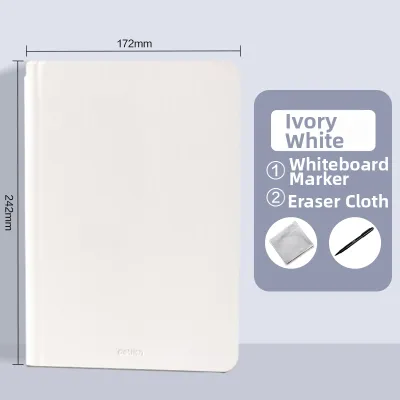
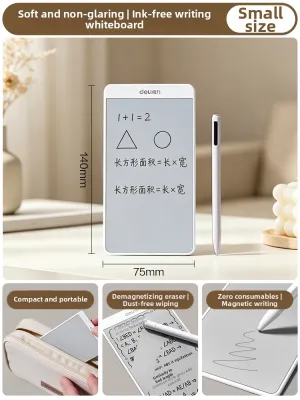
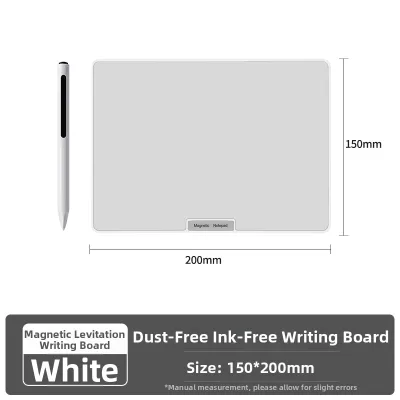
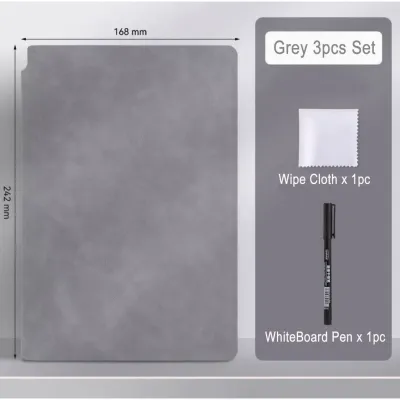
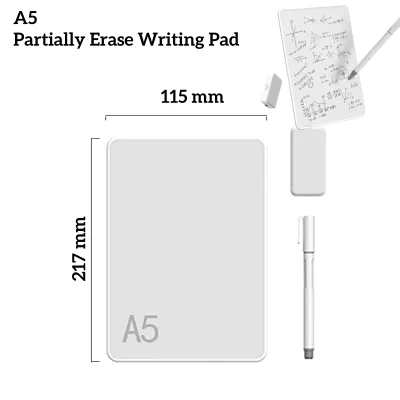
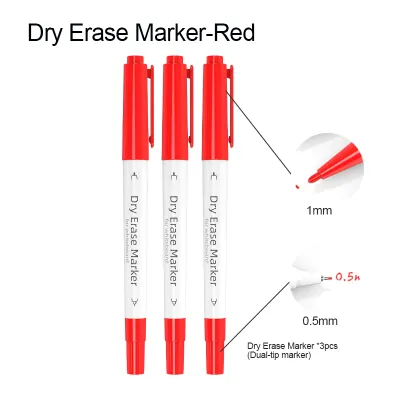
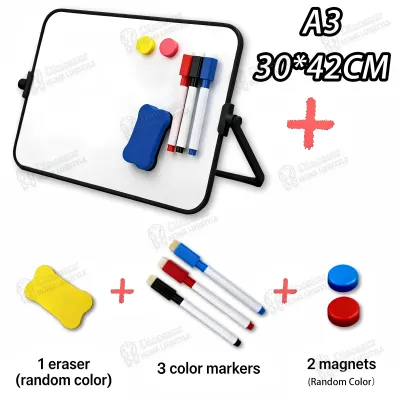
Prices are valid at publication and may change. Please refer to the product page for the latest price.
- Desktop Easels: Typically double-sided and featuring a triangular folding frame, these boards sit securely on any flat surface. They are highly portable, making them the classic choice for one-on-one tutoring sessions.
- Foldable Multi-Panel Boards: These boards feature bi-fold or tri-fold hinges, allowing a large writing area to collapse into a fraction of its active size. They are excellent for homeschooling parents who need a wide display but want to store the board out of sight.
- Flexible Roll-Up Mats: Made of lightweight silicone or ferrous sheeting, these mats can be rolled up and carried in a poster tube. They can be laid flat on tables or adhered temporarily to walls, offering maximum space-saving benefits at the expense of structural rigidity.
Key Features to Evaluate Before You Buy
- Size and Form Factor: Whiteboard dimensions dictate both the volume of information you can display and how easily you can transport the board. For individual tutoring sessions, compact A3 (approximately 30 x 42 cm) or A2 (approximately 42 x 59 cm) sizes are highly practical as they fit comfortably into standard backpacks or tote bags. For homeschooling multiple children or teaching complex subjects that require step-by-step formulas, larger A1 (approximately 59 x 84 cm) or A0 (approximately 84 x 119 cm) sizes are preferable. These larger formats provide ample room for diagramming, but they require dedicated storage and are generally too cumbersome for daily travel.
- Weight and Portability: If you are a mobile tutor, every gram matters. Look for boards equipped with integrated carrying handles, shoulder straps, or lightweight protective transit cases. Ensure the folding mechanisms lock securely so the board does not swing open during your commute. A board weighing under 1.5 kilograms is typically manageable for walking and public transit, whereas heavier boards are best reserved for stationary home use or car travel.
- Space Efficiency: Singapore's residential spaces, such as HDB flats and condominiums, require smart storage solutions. A portable whiteboard should not become a permanent obstacle in your living room. Before purchasing, measure the clearance under your sofa, bed, or the gap beside your wardrobe. Foldable designs that collapse to a thickness of less than 5 centimeters are ideal for sliding into these narrow spaces. Alternatively, boards with integrated hanging loops can be suspended from over-the-door hooks on closet doors, keeping them accessible yet out of the way.
- Frame and Edge Durability: The frame material directly impacts both the board's lifespan and its weight. Aluminum frames offer exceptional structural integrity and resist warping, making them highly durable for home setups, though they add extra weight. Lightweight plastic frames are easier to carry but are more prone to cracking if dropped. For safety and longevity, look for boards featuring rounded plastic corner bumpers. These protective caps prevent sharp metal edges from scratching your furniture, tearing your carrying bag, or causing minor injuries to young children during active lessons.
Best Whiteboard Setups for Different Learning Scenarios
For Mobile Tutors and Small Group Sessions
When conducting lessons in a student’s home, you must adapt to whatever physical space is available. Double-sided desktop easel boards are highly effective in these situations. They allow you to write out a problem on one side while keeping answers, formulas, or lesson plans hidden on the reverse side. With a quick flip of the board, you can transition between explanation and assessment without erasing your previous work.

Stability is another critical factor when working on unfamiliar dining tables or polished study desks. Look for easel boards fitted with non-slip rubber or silicone feet on the base. These feet prevent the board from sliding away as you write, ensuring a smooth, uninterrupted teaching flow. Furthermore, prioritizing lightweight materials—such as a hollow-core construction or a high-density plastic backing—will significantly reduce shoulder and back fatigue during long commutes between different estates across Singapore.
For Homeschooling and Interactive Learning
Homeschooling environments demand a larger canvas to support structured daily lessons and interactive play. Larger foldable boards that can stand independently on the floor or lean securely against a wall are excellent for this purpose. They create a focal point for the classroom, helping children focus during designated study hours.
To maximize engagement, consider reversible or multi-panel designs. These configurations allow you to display structured instructions, daily schedules, or vocabulary lists on one panel while leaving adjacent panels free for your child to practice writing, spelling, or drawing. Because children can be highly energetic during hands-on activities, ensure the board has a wide, sturdy base or reliable wall-leaning stability. A robust frame prevents the board from tipping over if a child accidentally bumps into it while placing magnetic letters or completing an exercise.
Surface Quality and Magnetic Compatibility for Learning Aids
- Magnetic Strength: A magnetic surface is highly beneficial for early childhood education and primary school tutoring. It allows you to use colorful magnetic letters, numbers, geometric shapes, and flashcards to create interactive lessons. To ensure your learning aids stay in place, verify that the whiteboard features a steel-backed surface rather than a simple painted cardboard or plastic backing. A steel layer provides the necessary magnetic pull to hold heavy or thick educational magnets without them sliding down the board during a lesson.
- Surface Finish: Whiteboard surfaces generally come in either glossy or matte finishes, each with distinct trade-offs. Glossy surfaces are the most common and are exceptionally easy to wipe clean, leaving minimal residue. However, they can reflect harsh overhead light or bright natural light from windows, creating glare that strains the eyes. Matte finishes significantly reduce glare, making them easier to read from various angles in well-lit rooms, but they often require more effort to erase completely and may retain faint marker shadows over time.
- Ghosting and Staining: Ghosting occurs when the ink from dry-erase markers penetrates the board's top layer, leaving a permanent, faint shadow of past lessons. When evaluating boards, look for high-quality painted steel, porcelain, or melamine surfaces that explicitly highlight ghosting resistance. High-frequency tutoring sessions require a surface that can be wiped clean hundreds of times without degrading or retaining stains.
- Marker Compatibility: To preserve the whiteboard surface, always check the manufacturer's care instructions regarding compatible writing instruments. Standard dry-erase markers are designed specifically for these glossy surfaces, utilizing a quick-drying ink that turns into a wipeable powder. Avoid using wet-erase markers, liquid chalk, or permanent markers unless the board's specifications explicitly state they are safe to use. If an accidental permanent marker mistake occurs, verify the surface material before applying any strong solvents, as harsh chemicals can strip away the protective dry-erase coating on cheaper melamine boards.
Maintenance and Storage in a Humid Climate
- Preventing Rust: Singapore's tropical climate, characterized by high relative humidity, presents unique challenges for stationery maintenance. Over time, moisture in the air can cause the steel backing or aluminum frames of whiteboards to oxidize, leading to rust spots that ruin the writing surface. Regularly inspect the edges and corners of your board where moisture is most likely to collect. Choosing boards with sealed edges or protective plastic corner caps can help shield the internal steel layers from humid air.
- Safe Cleaning Routine: To remove stubborn ink residue and skin oils without damaging the board, establish a gentle cleaning routine. Avoid using abrasive scrubbing pads, harsh household detergents, or bleach, which can micro-scratch the surface and make future ghosting worse. Instead, use a soft microfiber cloth dampened with a dedicated whiteboard cleaning spray or a mild, diluted soapy water solution. Always wipe the board completely dry with a clean cloth afterward to prevent lingering moisture from affecting the surface coating.
- Proper Storage: When the school day is over, store your portable whiteboard in a dry, well-ventilated area of your home. Avoid placing it in direct sunlight near windows, as prolonged exposure to ultraviolet (UV) rays can cause the writing surface to yellow, warp, or lose its smooth erase properties. If you store the board flat under a bed or sofa, ensure no heavy items are stacked on top of it, which could bend the frame or dent the writing surface, permanently affecting its usability.
Frequently Asked Questions (FAQ)
How do I remove stubborn marker stains from a portable whiteboard?
To remove stubborn stains or accidental permanent marker ink, scribble directly over the stain with a fresh, dark dry-erase marker. The solvents in the new ink will help dissolve the old, dried residue. Let it sit for a few seconds, then wipe both layers away with a soft cloth. For remaining stains, apply a small amount of isopropyl alcohol (70% concentration) to a microfiber cloth, gently wipe the area, and dry immediately. Avoid abrasive scrubbers that can scratch the protective surface coating.
Are glass whiteboards practical for mobile tutoring?
While glass whiteboards offer superior stain resistance, zero ghosting, and a premium aesthetic, they are generally impractical for mobile tutoring. Tempered glass is significantly heavier than steel-backed or melamine boards, making daily transit physically demanding. Additionally, despite being durable, glass carries a higher risk of chipping or shattering if dropped on hard surfaces during travel, making lightweight magnetic steel or plastic-framed boards a safer, more practical choice for educators on the move.
Can I use a portable whiteboard outdoors for nature-based homeschooling?
You can use a portable whiteboard outdoors, but you must plan for environmental factors. Wind can easily tip over lightweight easel boards or blow away magnetic letters and teaching aids. Additionally, direct sunlight can create intense glare on glossy surfaces, making it difficult for children to read. For outdoor lessons, consider using smaller handheld whiteboards, magnetic clipboards, or specialized non-glare roll-up mats that can be secured flat against a picnic table or ground mat.
Community discussion
Share your experience or ask a question. Comments are reviewed before publication.