
Selecting the right plastic film for packaging fragile items in Singapore requires a clear understanding of transit demands and material properties. Whether you are shipping delicate glassware locally, sending electronics through international air freight, or preparing household goods for a domestic move, your choice of packaging film directly impacts item survival. The local market offers a wide spectrum of options, ranging from premium, engineered global brands with superior air-retention technology to highly cost-effective, bulk-manufactured local house brands.
To achieve optimal protection, packaging must be approached as a system where cushioning films (like bubble wrap and polyethylene foam) absorb impact energy, while securing films (like stretch wrap) immobilize the cargo. By matching the physical specifications of these films—such as bubble size, layer count, micron thickness, and material composition—to the vulnerabilities of your specific cargo, you can minimize damage rates and optimize packaging costs.
How to Evaluate Plastic Film for Shock Absorption
Evaluating plastic film for protective packaging requires moving beyond generic marketing terms and focusing on verifiable physical specifications. Not all plastic films are designed to absorb shock, and using the wrong type of film can lead to packaging failures during transit.
Products mentioned in this guide
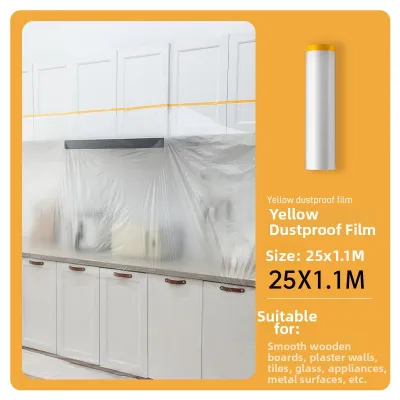
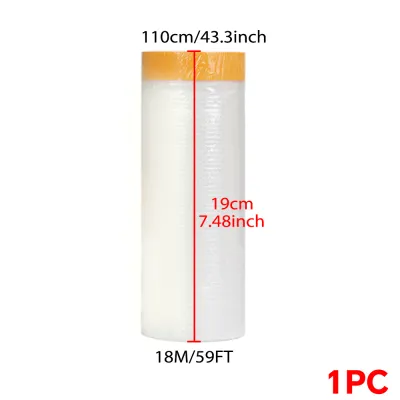
Prices are valid at publication and may change. Please refer to the product page for the latest price.
Cushioning Films vs. Securing Films
The first step in selection is differentiating between primary cushioning films and secondary securing films:
- Cushioning Films (Bubble Wrap and PE Foam): These materials are engineered with trapped air pockets or cellular structures designed to compress under load. This compression decelerates the impact force, absorbing and dispersing the kinetic energy before it can reach the fragile item. They are the primary line of defense against drops, shocks, and vibrations.
- Securing Films (Stretch Wrap and Shrink Film): These are thin, highly elastic polyethylene films designed to wrap tightly around items or pallets. Their primary function is to bind multiple items together, secure cargo to a rigid backing, and provide a barrier against dust, moisture, and surface scuffing. Because they contain no trapped air or thick cellular structure, they offer virtually zero shock absorption on their own and should never be used as the sole protective layer for fragile goods.
Bubble Diameter and Height
For bubble wrap, the size of the air pockets determines how the material behaves under load. Selecting the correct bubble size depends on the weight, volume, and surface area of the item being packaged:
- Small Bubbles (10mm diameter, 3mm to 4mm height): Excellent for direct surface protection and preventing scratches. Because the bubbles are small and densely packed, they distribute point loads evenly across a tight surface area. This makes small-bubble wrap ideal for wrapping compact, heavy items like small metal parts, dense ceramics, or individual glassware pieces where the weight is concentrated.
- Medium Bubbles (20mm diameter): A versatile, general-purpose cushioning option that balances surface protection with moderate shock absorption. It is commonly used for medium-sized household items, books, and consumer goods.
- Large Bubbles (25mm to 30mm diameter, 10mm to 12mm height): Best suited for void fill (filling empty spaces inside a shipping box to prevent items from shifting) and wrapping lightweight, bulky items. The large volume of air provides a thick protective cushion. However, large bubbles are highly susceptible to "bottoming out" under heavy concentrated loads; if a heavy item presses against a large bubble, the air can easily displace, leaving the item unprotected against the hard outer box.
Thickness Metrics and Layer Count
The durability and burst strength of plastic packaging film are determined by its thickness and structural layers:
- Thickness (Microns): Plastic film thickness is measured in microns (µm). Standard retail-grade bubble wrap is often thin, ranging from 30 to 40 microns, which is easily punctured by sharp edges or torn during handling. Industrial-grade cushioning films range from 50 to 100+ microns. Thicker films offer significantly higher puncture resistance, tensile strength, and burst resistance, ensuring the bubbles remain intact under high-pressure impacts.
- Layer Count (2-Layer vs. 3-Layer): Standard bubble wrap is a 2-layer film, consisting of a flat backing sheet heat-sealed to a shaped bubble layer. It is highly flexible, making it easy to wrap around complex geometries and tight corners. However, the exposed bubbles are vulnerable to popping from external friction. Premium 3-layer bubble wrap sandwiches the bubble layer between two flat sheets of film. This encapsulation completely seals the air pockets, drastically increasing the burst strength, structural rigidity, and weight-bearing capacity of the film. It is highly recommended for heavy, valuable, or sharp-edged items.
Material Quality and Resin Selection
The performance of a plastic film is deeply influenced by the quality of the polymer resins used in its manufacturing:
- Virgin Resins: High-density polyethylene (HDPE) or low-density polyethylene (LDPE) made from virgin resins produces highly transparent, elastic, and uniform films. Virgin resins allow for the co-extrusion of specialty barrier layers (such as nylon or ethylene vinyl alcohol) within the film. These barrier layers are up to 100 times more effective at preventing air from slowly diffusing out of the bubbles over time, ensuring long-term cushioning during extended shipping cycles.
- Recycled Resins: While eco-friendly and cost-effective, films made from recycled resins typically exhibit lower tear strength, higher opacity, and a slightly rougher texture. Because recycled polymers contain mixed molecular weights, they are more permeable to air, meaning the bubbles will deflate faster under prolonged pressure. Recycled films are highly suitable for short-transit, local deliveries in Singapore but may perform poorly in long-term storage or high-stress international shipments.
Reliable Plastic Film Brands and Suppliers in Singapore
Singapore’s position as a global logistics hub means that businesses and consumers have access to a wide range of packaging materials. These can be broadly categorized into premium global brands, cost-effective local wholesalers, and sustainable specialty alternatives.

Global Packaging Leaders
For high-value, highly sensitive, or industrial-grade shipping, global packaging brands set the benchmark for quality and reliability:
- Sealed Air (Bubble Wrap®): As the original inventor of bubble wrap, Sealed Air remains the industry leader. Their proprietary co-extruded barrier technology incorporates a thin nylon layer within the polyethylene film, which virtually eliminates air loss under sustained loads. This makes their films exceptionally reliable for heavy machinery parts, medical devices, and high-end electronics. They also produce specialized lines, such as anti-static films and high-barrier bubble wraps designed for extreme transit environments.
- Uline: Renowned for strict quality control and highly consistent manufacturing tolerances, Uline provides industrial-grade packaging films that offer predictable performance. Their films feature uniform bubble geometry and excellent tensile strength, ensuring that every roll performs identically.
- Sourcing in Singapore: Because these global brands focus primarily on industrial and commercial markets, they are typically sourced through authorized B2B packaging distributors, industrial supply specialists, or commercial contract suppliers in Singapore rather than standard retail stores. While the initial cost per roll is higher, the investment is easily justified for businesses shipping high-value items where a single transit failure can result in significant financial loss, product returns, and reputational damage.
Local Packaging Wholesalers and House Brands
For everyday e-commerce fulfillment, domestic moves, and general warehousing, Singapore’s local packaging wholesalers offer highly competitive, cost-effective solutions. These suppliers operate out of major industrial estates across the island, including Jurong, Tuas, Ubi, Woodlands, and Kaki Bukit.
- The Brand vs. Specification Trade-off: When sourcing from local wholesalers, the specific brand name printed on the packaging is far less important than the verifiable technical specifications of the film. Local suppliers often sell "white-label" or house-brand rolls of bubble wrap and PE foam that are manufactured regionally. To ensure you are getting a reliable product, you must look past generic marketing labels like "super strong" or "heavy-duty" and request specific data:
- Actual Roll Weight: A 1-meter wide by 100-meter long roll of standard bubble wrap should weigh a specific amount based on its micron thickness. If a supplier's roll is significantly lighter than a competitor's roll of the same dimensions, it indicates that the plastic is thinner or that the roll has been wound loosely to appear larger.
- Bubble Density and Seam Quality: High-quality local rolls feature tightly packed bubbles with strong heat-sealed seams that do not easily delaminate when squeezed.
- Testing Physical Samples: Before committing to bulk wholesale purchases, it is highly recommended to request a physical sample roll. Perform a manual "pop" test by compressing several bubbles between your fingers; they should resist moderate pressure and require a firm squeeze to pop. Additionally, try to tear the film along the edge; high-quality LDPE should stretch significantly before tearing, indicating good elasticity and puncture resistance.
Eco-Friendly and Specialty Alternatives
As sustainability becomes a core focus under the Singapore Green Plan 2030, many businesses are seeking alternatives to traditional single-use plastic films. Local suppliers have responded by introducing several eco-conscious options:
- Biodegradable and Compostable Films: These films are manufactured using bio-based resins, such as polylactic acid (PLA) or polybutylene adipate terephthalate (PBAT) blended with plant starches. While they offer similar initial cushioning properties to standard LDPE, they are designed to break down in industrial composting facilities. However, they are highly sensitive to moisture, humidity, and heat. In Singapore's tropical climate, these films must be stored in climate-controlled environments to prevent premature degradation, and they generally have a shorter shelf life (typically 6 to 12 months) compared to traditional plastics.
- Honeycomb Paper Wraps (Geami-style): A highly popular non-plastic alternative, this system utilizes a heavy kraft paper outer layer cut into a precise die-cut honeycomb pattern. When stretched, the paper expands into a three-dimensional interlocking structure that provides excellent surface protection and moderate shock absorption. It is often paired with a soft tissue paper interleaf to prevent scratching on delicate surfaces.
- Corrugated Bubble Alternatives: Made from recycled cardboard, these sheets feature embossed ridges or flutes that mimic the cushioning effect of plastic bubbles. They are highly rigid and offer excellent structural protection, though they lack the flexibility and moisture resistance of plastic.
- Trade-offs to Consider: Eco-friendly alternatives are outstanding for brand presentation and reducing plastic waste. However, they do not offer the same level of moisture protection as plastic film—a critical factor when shipping items in Singapore's humid weather or during rainy seasons. They also have lower maximum shock absorption limits, making them less suitable for extremely heavy, sharp, or highly fragile items.
Matching Film Specifications to Your Fragile Items
An effective packaging strategy requires matching the specific physical properties of your protective film to the unique vulnerabilities of the item being shipped. A one-size-fits-all approach often leads to either over-packaging (which inflates shipping costs) or under-packaging (which leads to damage).
Glassware, Ceramics, and High-Value Decor
Glass and ceramic items are highly brittle and susceptible to shattering from sudden impacts, as well as surface scratching from friction during transit.
- Surface Protection First: Always begin by wrapping the item in a non-abrasive layer. Small-bubble wrap (10mm) or thin polyethylene foam film (1mm to 2mm) should be placed directly against the surface of the item. This ensures that the point loads of any external impacts are distributed evenly across the surface and prevents friction scratches.
- The "Wrap and Box" Method: For maximum protection, employ a multi-layered approach:
- Wrap the item tightly in a primary layer of small-bubble wrap or foam film to protect the delicate finish and edges. Secure the wrap with a small amount of packaging tape, ensuring the adhesive does not touch any delicate painted or metallic surfaces.
- Apply a secondary layer of larger bubble wrap (25mm) or use crumpled kraft paper to create a thick, shock-absorbing barrier around the wrapped item.
- Place the item in a sturdy corrugated box, ensuring there is at least 5cm of cushioning material between the item and every wall of the box. Fill any remaining voids completely so the item cannot shift when the box is shaken.
- What to Avoid: Never wrap delicate glassware or thin ceramic stems directly in large-bubble wrap. The large gaps between the bubbles can create localized pressure points during impact, which can actually cause the glass to crack or snap.
Electronics and Sensitive Components
Electronic goods, such as computer components, printed circuit boards (PCBs), and camera sensors, face a dual threat: physical shock and electrostatic discharge (ESD).
- The Danger of Static Electricity: Standard plastic films are highly prone to generating static electricity through triboelectric charging when they rub against other materials during handling and transport. A static discharge as low as 100 volts—completely imperceptible to humans—can permanently destroy sensitive microchips and internal circuitry.
- Anti-Static Cushioning: When packaging electronics, you must use specifically formulated anti-static plastic films. These films are typically tinted pink (the industry standard color for static-dissipative materials) or clear, and they contain topical antistatic additives that prevent the accumulation of static charges.
- Verifying ESD Specifications: Do not assume that any pink-tinted plastic film provides adequate protection. Low-cost manufacturers sometimes dye standard plastic pink without adding genuine antistatic compounds. Always verify that the film is certified to meet ESD standards, with a surface resistivity typically between 10^5 and 10^11 ohms per square. For highly sensitive components, place the item inside a metallized static shielding bag first, seal it, and then wrap the bag in anti-static bubble wrap for physical shock protection.
Oddly Shaped or Heavy Items
Heavy items, such as solid wood decor, stone sculptures, or heavy mechanical parts, exert immense pressure on packaging materials. Standard, light-duty bubble wrap will immediately burst under their weight, leaving the item completely unprotected.
- Heavy-Duty and Multi-Layer Films: For heavy items, select heavy-duty, multi-layer bubble wrap (3-layer, 80 to 100+ microns) or high-density polyethylene foam sheets. These materials feature high tensile strength and superior burst resistance, allowing them to support significant weight without deflating.
- Securing with Stretch Film: Oddly shaped items often have protruding edges or uneven weight distribution, making them difficult to secure inside a standard box. To package these items effectively:
- Wrap the vulnerable corners, sharp edges, and delicate projections in thick PE foam or heavy-duty bubble wrap.
- Use industrial stretch film (plastic wrap) to bind the cushioned item tightly to a rigid corrugated cardboard pad or backing sheet. This process immobilizes the item, preventing it from shifting, sliding, or rotating within the outer shipping box.
- Place the secured assembly into the shipping box and fill the surrounding voids with high-density foam blocks or crumpled paper to ensure the item remains perfectly centered.
Where to Source Packaging Films in Singapore and What to Verify
Sourcing high-quality packaging films in Singapore requires identifying the right purchasing channels and executing strict quality checks before buying in bulk.
Sourcing Channels in Singapore
Depending on your volume requirements and urgency, packaging films can be sourced through three primary channels:
- Online Marketplaces: Platforms offering direct-to-consumer sales are highly convenient for small-quantity retail purchases, home moves, or small e-commerce startups. They offer fast, door-to-door delivery across Singapore. However, technical specifications (such as micron thickness or resin quality) are often poorly documented, and unit costs are higher than wholesale.
- Office Supply and Stationery Stores: Standard retail stationery and office supply stores stock convenient, pre-cut rolls of bubble wrap and stretch film. These are ideal for immediate, low-volume packaging needs, but they carry a significant price premium per meter.
- Direct Industrial Packaging Wholesalers: For active e-commerce businesses, logistics operations, or large-scale moves, purchasing directly from industrial packaging wholesalers is the most cost-effective route. Located primarily in industrial hubs like Tuas, Pioneer, Jurong, Ubi, Woodlands, and Kaki Bukit, these suppliers sell large bulk rolls (e.g., 1m x 100m or 2m x 100m) at highly competitive wholesale rates (often ranging from S$15 to S$30 per large roll). Many wholesalers offer free local delivery within Singapore for orders exceeding a specific dollar threshold (typically S$150 to S$200), allowing businesses to minimize storage space by ordering on a just-in-time basis.
Verifying Dimensions and the "Short Roll" Pitfall
A common issue in the retail and online packaging market is the sale of “short rolls.” Some suppliers advertise rolls of standard lengths (such as “100 meters”) but deliver rolls that are significantly shorter, or they wind the film loosely around a thick cardboard core to make the roll appear larger than it actually is.
- Check the Unrolled Length: When comparing prices between suppliers, do not rely solely on the advertised length. Ask for the net weight of the roll (excluding the heavy cardboard core). For example, a standard 1-meter wide, 100-meter long roll of 40-micron single-layer bubble wrap should have a predictable physical weight. If a supplier's roll is significantly lighter than the industry average, it is highly likely that the roll is either shorter than advertised or made from thinner, lower-quality plastic.
- Verify Width and Core Size: Ensure the width matches your packaging requirements exactly. Standard widths in Singapore include 0.5m, 1.0m, and 1.5m. Additionally, check the inner diameter of the cardboard core, especially if you use manual roll dispensers or automated packaging machinery, to ensure compatibility.
Checking Thickness and Quality
To avoid purchasing substandard materials that will fail during transit, perform these quick quality checks:
- Request the Micron Rating: Always ask the supplier for the exact micron (µm) thickness of the film. For reliable fragile shipping, look for films with a minimum thickness of 45 to 50 microns. Avoid films where the supplier cannot or will not provide a micron rating.
- Evaluate Seam Strength: Unroll a small section of bubble wrap and attempt to peel the flat backing sheet away from the shaped bubble layer. In high-quality, co-extruded films, the heat seal is permanent, and attempting to separate the layers should cause the plastic to tear rather than peel apart. If the layers delaminate easily, the bubbles will lose air rapidly when placed under load, rendering the wrap useless for shock absorption.
Storage and Shelf Life in Singapore's Climate
Singapore’s tropical climate—characterized by high relative humidity (often exceeding 80%) and ambient temperatures averaging 30°C—can accelerate the physical degradation of plastic films if they are stored incorrectly.
- Avoid Direct Sunlight: Ultraviolet (UV) radiation from direct sunlight rapidly breaks down low-density polyethylene (LDPE), causing the plastic to become brittle, yellowed, and prone to tearing. Always store rolls of packaging film indoors, away from windows and open loading bays.
- Keep Cool and Dry: Store films in a cool, dry warehouse or storage room. Extreme heat can soften the plastic, weakening the heat-sealed seams of bubble wrap and causing the bubbles to slowly deflate over time. It can also cause stretch films to lose their elasticity and cling properties.
- Understand Shelf Life Limits: Properly stored virgin LDPE bubble wrap has an almost indefinite shelf life of several years. However, recycled plastic films and especially biodegradable or compostable alternative films have a much shorter shelf life. Biodegradable films should be used within 6 to 12 months of purchase, as prolonged exposure to Singapore's heat and humidity will initiate the natural breakdown process, causing the material to lose its strength and protective capabilities.
Frequently Asked Questions (FAQ)
Can I reuse plastic film for packaging fragile items?
Yes, bubble wrap and PE foam film can be reused, but only if the individual air bubbles or cellular structures remain fully intact and retain their air tension. Before reusing any cushioning film, lay it flat and inspect it thoroughly for popped bubbles, tears, punctures, or weakened seams. If more than 10% to 15% of the bubbles in a section are deflated, that section should be discarded, as it will no longer provide adequate shock absorption. Avoid reusing stretch film or shrink film; these materials rely on plastic deformation and elasticity to secure items, and they lose their tension and holding power permanently after their first stretch. Additionally, ensure that any reused film is completely clean and free of dust, dirt, or old adhesive tape residue, which could scratch or damage the surface of the fragile items you are packaging.
Is thicker plastic film always better for shock absorption?
Not necessarily. While a higher micron thickness improves puncture resistance, tear strength, and durability, shock absorption is primarily determined by the volume of trapped air (bubble size), the layer configuration, and how you apply the material. A single layer of very thick, rigid plastic film may actually transmit more shock to a delicate item than multiple layers of a thinner, more flexible bubble wrap. For optimal protection, it is usually better to wrap an item in multiple layers of standard, highly flexible bubble wrap, which allows the material to conform snugly to the item’s shape and distribute impact forces evenly, rather than relying on a single layer of ultra-thick, rigid film.
Community discussion
Share your experience or ask a question. Comments are reviewed before publication.