
Selecting the ideal crochet hook is just as critical to the success of your project as choosing the perfect yarn. While metal and wooden hooks have their places in a crafter’s toolkit, the plastic crochet hook offers a unique combination of lightweight comfort, warmth, and affordability that makes it indispensable. To achieve the best results, you must match the physical properties and size of your plastic hook to the specific weight of the yarn you plan to use.
Matching your hook size to your yarn weight ensures that your stitches have the correct tension, drape, and structural integrity. Whether you are working on a delicate lace shawl or a chunky, heavy-duty throw blanket, understanding how different plastic hook styles interact with various fibers will elevate your crafting experience. Choosing the right tool allows you to crochet with greater speed, comfort, and precision.
Understanding Plastic Crochet Hooks: All-Plastic vs. Plastic-Handled
When searching for a plastic crochet hook, you will encounter two distinct designs: all-plastic hooks (which include resin and acrylic variants) and plastic-handled hooks (which pair a metal head with a plastic or rubberized grip). All-plastic hooks are molded from a single piece of polymer, making them incredibly lightweight and warm to the touch. This material possesses a subtle surface friction that provides excellent control over slippery, high-sheen yarns such as silk, rayon, bamboo, and mercerised cotton, preventing the loops from sliding off the hook prematurely.
Products mentioned in this guide
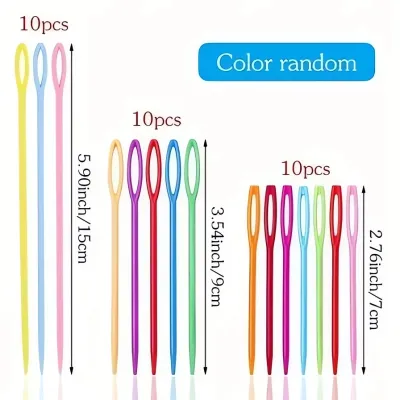
Prices are valid at publication and may change. Please refer to the product page for the latest price.
In Singapore’s warm, tropical climate, hands can naturally perspire during long crafting sessions. While metal hooks can become slippery or feel uncomfortably cold in air-conditioned rooms, all-plastic hooks offer a stable, slip-resistant feel. The lightweight nature of acrylic and resin also reduces the overall weight of the tool, minimizing wrist fatigue over hours of continuous work.
Conversely, plastic-handled hooks feature a rigid metal shaft—usually made of aluminum or steel—embedded in a molded plastic, silicone, or elastomer handle. These hybrid tools combine the ultra-smooth, high-speed glide of a polished metal tip with the comfortable, slip-resistant grip of a wider plastic handle. Distinguishing between these two styles is essential before you begin matching them to specific yarn weights, as their differences in weight, flexibility, and surface glide directly impact your tension, stitch definition, and physical comfort.
How to Match Hook Size to Yarn Weight
The most straightforward starting point for matching your hook to your yarn is the care label found on almost every commercial yarn skein. This label typically displays a small hook icon containing a recommended size in millimeters or US letters. However, this recommendation is merely a baseline, and the unique physical characteristics of plastic materials often require you to make adjustments.

Because all-plastic and resin hooks have more surface friction than polished metal, they tend to grip the yarn fibers more tightly. If you naturally crochet with a tight tension, this added friction can result in stiff, dense stitches that make it difficult to insert the hook into subsequent rows. To counteract this, many crafters find success by sizing up by a half-millimeter (for example, using a 5.5mm plastic hook instead of the recommended 5.0mm metal hook) to achieve the desired drape and stitch flexibility.
To ensure an accurate match, always crochet a gauge swatch before starting your main project. Work a 10cm by 10cm square using the exact yarn, stitch pattern, and plastic hook you intend to use. This allows you to observe how the yarn behaves with the hook’s surface, check if the fabric is too stiff or too loose, and adjust your hook size accordingly.
For general reference, here is how standard yarn weight categories map to standard metric plastic hook sizes:
- Lace (Weight 0): Best paired with 1.5mm to 2.25mm plastic-handled hooks.
- Super Fine / Fingering (Weight 1): Best paired with 2.25mm to 3.25mm plastic-handled hooks.
- Fine / Sport (Weight 2): Best paired with 3.25mm to 3.75mm plastic-handled or lightweight resin hooks.
- Light / DK (Weight 3): Best paired with 3.75mm to 4.5mm all-plastic or ergonomic plastic-handled hooks.
- Medium / Worsted / Aran (Weight 4): Best paired with 4.5mm to 5.5mm all-plastic, acrylic, or plastic-handled hooks.
- Bulky / Chunky (Weight 5): Best paired with 6.0mm to 8.0mm all-plastic or acrylic hooks.
- Super Bulky (Weight 6): Best paired with 8.0mm to 10.0mm hollow or solid acrylic hooks.
- Jumbo (Weight 7): Best paired with 10.0mm to 25.0mm heavy-duty resin or thick acrylic hooks.
Recommended Plastic Hook Sizes and Styles by Yarn Weight
To achieve the best results, it is helpful to break down the specific hook styles and sizes recommended for each yarn weight category, ensuring your projects are both beautiful and comfortable to create.
Fine to Light Yarns: Precision and Comfort
Delicate yarns, including Lace, Super Fine (Fingering), and Fine (Sport) weights, require high precision and structural rigidity. When working in this range—typically with hook sizes from 1.5mm to 3.5mm—pure plastic hooks are rarely manufactured because thin plastic is highly flexible and prone to snapping under the tension of tight stitches.
For these fine yarns, the ideal choice is a plastic-handled hook featuring a steel or aluminum head. The metal tip provides the necessary strength and sharpness to navigate tiny stitches cleanly without splitting the delicate fibers. Meanwhile, the soft plastic or rubberized handle provides a wider gripping surface that significantly reduces hand fatigue and cramping during the slow, meticulous work required for lace shawls, lightweight garments, and intricate amigurumi.
Medium Yarns: The Versatile Everyday Hooks
Medium yarns, which encompass Light (DK) and Medium (Worsted/Aran) weights, are the most popular choices for everyday projects like sweaters, blankets, and scarves. For these yarns, hook sizes ranging from 4.0mm to 6.0mm are the standard.
In this mid-range, you have the freedom to choose between high-quality all-plastic/resin straight hooks and ergonomic plastic-handled options. Resin hooks are particularly outstanding in this category; they possess a smooth yet slightly grippy surface that helps maintain uniform stitch tension. Furthermore, resin absorbs your body heat quickly, making the hook feel warm and organic in your hand, which is incredibly soothing during extended crafting sessions with standard worsted wool or acrylic yarns.
Bulky to Super Bulky Yarns: Lightweight Solutions
As you step up to Bulky (Chunky) and Super Bulky yarns, the physical dimensions of your crochet hook must increase accordingly, typically requiring sizes from 6.5mm to 10.0mm. At this scale, the material composition of your hook becomes a major factor in your physical comfort.
Metal hooks in these larger sizes are exceptionally heavy, and holding a solid aluminum 9.0mm hook for an hour can quickly lead to wrist strain, forearm fatigue, and joint pain. This is where all-plastic and acrylic hooks truly shine as the superior material choice. Because plastic is lightweight, these large-format hooks remain comfortable and effortless to maneuver. The reduced weight allows you to work on massive, cozy projects like chunky throw blankets and heavy winter cowls for hours without experiencing physical discomfort.
Jumbo Yarns: Heavy-Duty Acrylic and Resin Options
Jumbo yarns, which include thick roving, t-shirt yarns, and modern tube yarns, require massive hooks measuring 10.0mm and above. These materials are perfect for creating structural home decor items like rugged floor mats, pet beds, and ultra-thick statement blankets.
For these extreme projects, large acrylic or resin hooks are the standard recommendation due to their lightweight nature. However, it is important to understand the structural limitations of plastic at this scale. Because jumbo yarns are heavy and require significant force to pull through loops, cheap or hollow plastic hooks can experience structural flexing and may snap at the neck if subjected to excessive leverage. To prevent damage, maintain a relaxed, loose tension and let the hook glide naturally. If you find that the flexibility of plastic makes your stitches inconsistent under heavy tension, a dense wooden hook (such as bamboo) is an excellent, rigid alternative.
Straight Shaft vs. Ergonomic Handle: Which Style Suits You?
Beyond material and size, the physical shape of the hook handle plays a vital role in your crocheting experience. Understanding how different handle designs interact with your hands will help you choose the most comfortable tool for your style.
Straight, Inline, or Tapered Shafts Traditional crochet hooks feature a uniform, slim profile from the thumb rest all the way to the tip. These hooks are highly favored by crafters who use the “pencil grip,” holding the hook between their thumb and index finger much like a pen. Because the shaft is straight and uniform, it allows you to slide multiple loops onto the hook easily, which is essential for complex cluster stitches, puff stitches, or Tunisian crochet. This uniform diameter also acts as a reliable guide for maintaining highly consistent stitch sizes. Many all-plastic and acrylic hooks are molded in this classic, minimalist shape.
Ergonomic and Thick Handles Ergonomic hooks feature a contoured, widened, or padded handle made of plastic, silicone, or rubber, while the functional hook shaft remains standard size. This design is highly recommended for crafters who use the “knife grip,” grasping the hook overhand with their palm. The thick handle fills the palm of your hand, reducing the squeezing force required by your hand muscles and minimizing joint stress. This makes ergonomic handles a lifesaver for individuals dealing with arthritis, carpal tunnel syndrome, or general hand stiffness, allowing them to continue crafting comfortably.
In humid climates like Singapore, where sweat can make smooth surfaces slippery, a textured elastomer or matte plastic grip provides crucial stability, ensuring your fingers don’t slide down the shaft while working on complex stitch sequences.
Quick Decision Guide
- Choose a Straight Shaft if: You prefer the pencil grip, require precise loop alignment on the shaft for complex stitch patterns, or enjoy ultra-lightweight, single-material tools.
- Choose an Ergonomic Handle if: You prefer the knife grip, suffer from hand pain, joint stiffness, or repetitive strain injuries, or plan to engage in long, multi-hour crocheting sessions.
Pre-Purchase Checklist for Plastic Hooks
To ensure you invest in high-quality plastic hooks that will last for years and protect your yarn, keep this practical verification checklist in mind before making a purchase.
- Smoothness Check: Run your fingers carefully along the throat, head, and shaft of the hook. Lower-quality molded plastic hooks often have prominent mold injection seams or tiny plastic burrs left over from manufacturing. These rough spots will snag your yarn, fraying delicate fibers and ruining your stitch definition.
- Size Markings: Inspect how the hook's size is labeled. Avoid hooks where the metric size is simply printed on the surface with ink, as the friction of your fingers and yarn will quickly rub it off. Instead, look for hooks with engraved, debossed, or deeply molded size indicators that will remain legible forever.
- Joint Integrity: For hybrid plastic-handled hooks, closely examine the connection point where the metal shaft meets the plastic grip. Ensure there are no gaps, loose play, or sharp plastic edges where the two materials join, as yarn can easily catch in these crevices and fray.
- Material Quality: Hold the hook up to the light and gently apply pressure to flex it. High-grade resin or acrylic should feel dense, smooth, and structurally sound. Avoid hooks that feel brittle, excessively hollow, or bend too easily under light finger pressure, as they are highly prone to snapping.
Frequently Asked Questions (FAQ)
Are plastic crochet hooks good for beginners?
Yes, plastic crochet hooks are highly recommended for beginners. The slight natural friction of plastic and resin helps control the yarn, preventing stitches from slipping off the hook too quickly while you are still learning to coordinate your hand movements and manage tension. Additionally, plastic hooks are highly affordable, allowing beginners to try out a wide variety of sizes without a significant financial investment.
How do I clean sticky residue from plastic crochet hooks?
To clean sticky residue caused by hand oils, sweat, or adhesive labels, wash the hook in warm water with a few drops of mild dishwashing soap. For stubborn buildup, gently wipe the surface with a soft microfiber cloth dipped in a small amount of rubbing alcohol. Always avoid harsh chemical solvents like acetone (nail polish remover) or abrasive scouring pads, as these will permanently melt, cloud, or scratch the plastic surface, creating rough patches that will snag your yarn.
Can plastic crochet hooks break easily?
High-quality resin and acrylic hooks are highly durable under normal crocheting conditions. However, because plastic is inherently more flexible and less rigid than metal, smaller plastic hooks (under 4.0mm) can snap if subjected to heavy tension or accidental bending (such as sitting on them). When working with thick jumbo yarns or tight stitches, avoid using excessive leverage or pulling too hard on the neck of the hook to prevent structural failure.
Community discussion
Share your experience or ask a question. Comments are reviewed before publication.