
How to Match Planner Layouts to Your Planning Style
Choosing the right planner is not merely a matter of selecting an attractive cover; it is a fundamental decision about how you organize your thoughts, time, and tasks. The layout of your planner acts as a cognitive framework, directly influencing how efficiently you process daily demands and long-term ambitions. By matching the structural design of a planner to your specific cognitive style, you can transform a simple book of paper into an indispensable tool for productivity and mental clarity.
Daily layouts are designed for those whose schedules are packed with hour-by-hour commitments or those who require a high level of detail in their daily tracking. These formats typically allocate an entire page—or sometimes two pages—to a single day, offering structured hourly slots that allow for granular scheduling. This structure is incredibly beneficial for professionals with back-to-back appointments, freelancers tracking billable hours, or anyone who enjoys writing down spontaneous notes, detailed action items, and personal reflections alongside their daily schedule. The abundance of space ensures that you never have to compromise on what you record, though it does result in a thicker, heavier book that may be less convenient to carry.
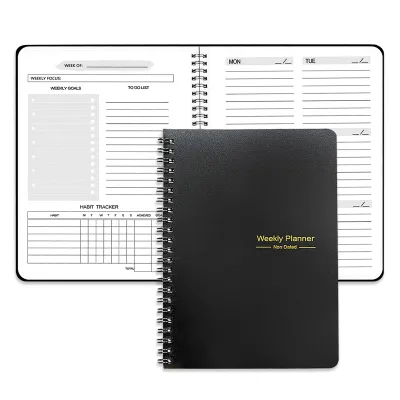
Weekly layouts offer a broader view of your time, allowing you to see an entire week across a two-page spread. This format is generally split into either horizontal or vertical configurations, each serving a very different planning style. Horizontal weekly layouts divide the pages into horizontal blocks, providing a natural, left-to-right writing space that is ideal for narrative task lists, detailed descriptions, and journaling. If your days are defined by lists of tasks rather than specific appointment times, a horizontal layout offers the flexible writing space you need without forcing you into a rigid schedule.
Products mentioned in this guide
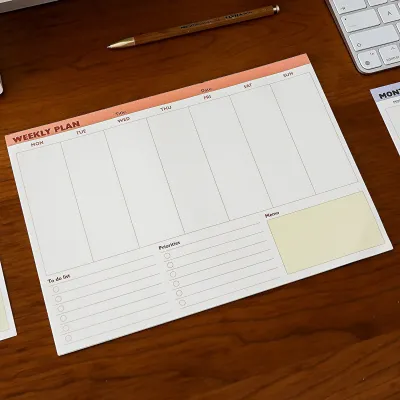
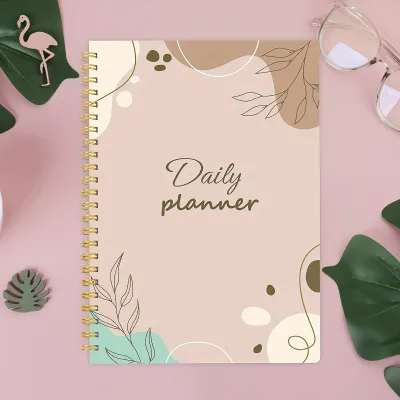
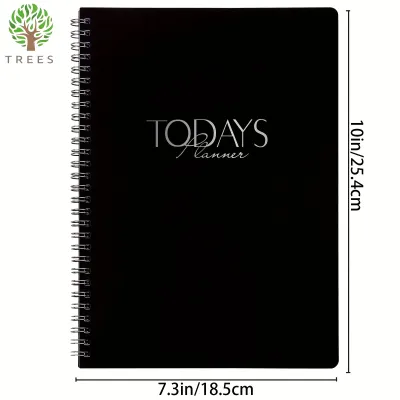
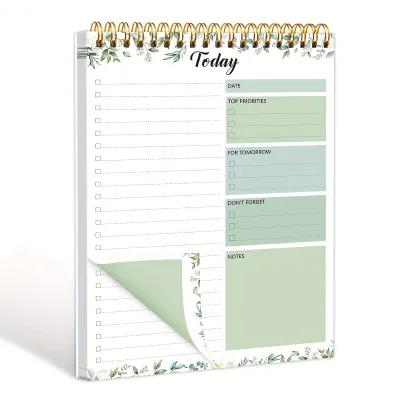
Prices are valid at publication and may change. Please refer to the product page for the latest price.
Vertical weekly layouts, on the other hand, arrange the days of the week in vertical columns, often complete with printed hourly or half-hourly increments. This design is specifically engineered for time-blocking, a productivity technique where you dedicate specific blocks of time to individual tasks or projects. Seeing your week laid out as a visual timeline makes it easy to identify open gaps in your schedule, calculate travel buffers between meetings, and prevent over-commitment. If your life is governed by a calendar of appointments and timed events, a vertical weekly layout provides the structural discipline required to manage your days effectively.
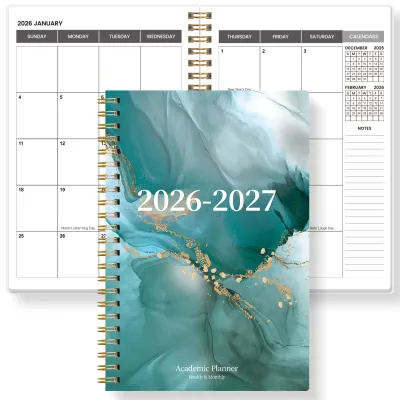
Monthly layouts provide a macro-level perspective of your year, displaying an entire month across a single spread. While they lack the space required for daily task management, they are invaluable for tracking long-term deadlines, major project milestones, travel schedules, and recurring appointments. Many people use a monthly planner as a secondary, high-level strategic tool alongside a more detailed daily or weekly system, ensuring they never lose sight of the big picture while managing day-to-day execution.
When selecting a layout, you must also decide between dated and undated formats. Dated planners come with pre-printed calendar dates, offering immediate structure and a clear chronological flow that saves you the time and effort of manual setup. This format is highly reinforcing for individuals who plan consistently every day and appreciate a ready-to-use system. Conversely, undated planners offer total flexibility, allowing you to start planning at any point in the year without wasting pages if you skip a week or take a vacation. This makes undated planners an exceptionally economical and guilt-free option for irregular planners or those whose workloads fluctuate seasonally.
Best Planner Layouts and Brand Features for Professional Scheduling
In a professional environment, a planner serves as your central command center, helping you navigate complex projects, back-to-back meetings, and competing priorities. To maintain control over a busy corporate schedule, professionals require a layout that supports structured time-management and quick information retrieval. A weekly vertical layout is often the most effective choice for workplace scheduling, as it allows you to visualize your entire week as a series of time blocks, making it easy to allocate dedicated focus time around scheduled meetings.

For professionals who manage extensive daily task lists alongside their calendars, a daily planner with a split-page layout is highly advantageous. These layouts typically feature an hourly schedule on one half of the page and a structured to-do list with a dedicated notes section on the other. This division prevents your actionable tasks from getting lost within your schedule, ensuring that follow-ups and deliverables remain highly visible. Additionally, look for planners that offer built-in project tracking pages, yearly overviews, and structured index pages, which allow you to quickly locate meeting notes or project plans from weeks prior.
The physical build and aesthetic of your planner are equally important when choosing a tool for the workplace. A professional planner should be a seamless extension of your professional identity, suitable for displaying on a boardroom table or during client consultations. Prioritize brands that offer clean, minimalist designs with sophisticated cover materials, such as durable vegan leather, high-quality book cloth, or sturdy, understated hardcovers. The cover should not only look refined but also protect the internal pages from wear and tear during daily commutes and frequent travel.
Durability and binding are critical considerations for a planner that will be opened and closed dozens of times a day. Look for robust thread-sewn bindings, often referred to as Smyth-sewn, which allow the planner to lie completely flat when open. A lay-flat design is essential for comfortable writing, especially when you are taking quick notes during a fast-paced meeting and cannot afford to fight a springy spine. Avoid cheap adhesive bindings that can crack over time, causing pages to fall out, and consider whether a sturdy twin-ring wire-o binding might suit your desk setup if you prefer to fold your planner in half to save space.
Paper quality is another vital dimension that directly impacts your daily writing experience. In a fast-paced office environment, you cannot afford to wait for ink to dry before closing your planner or turning the page. Look for planners that feature high-density, smooth paper that is optimized for fast-drying gel pens, ballpoints, or fountain pens. The paper should offer excellent bleed resistance and minimal ghosting, allowing you to utilize both sides of every page without distracting ink show-through. Premium paper with a smooth finish reduces friction, allowing your pen to glide effortlessly across the page during rapid note-taking.
Ideal Planner Formats and Brand Traits for Academic Planning
Academic life is defined by a unique set of demands, including rotating class schedules, assignment deadlines, exam preparation, and extracurricular activities. To stay on top of these varied commitments, students require a planner that balances structured scheduling with ample space for task management and notes. A weekly horizontal layout is exceptionally well-suited for academic planning, particularly when it features a “dashboard” style—where the days of the week are arranged on the left-hand page, and a full ruled or grid page is provided on the right.
This dashboard configuration allows students to list their daily classes and scheduled exams on the left, while utilizing the right-hand page for master homework lists, project breakdowns, study goals, and campus club tasks. Alternatively, a monthly overview is highly critical for students, serving as a visual map of the entire semester. By writing exam dates and major paper deadlines on a monthly grid, you can easily identify high-stress weeks in advance and pace your study sessions accordingly, preventing the need for last-minute cramming.
Portability is a primary consideration for students who are constantly on the move between lecture halls, libraries, and student centers. A heavy, bulky planner will quickly become a burden and is likely to be left behind in a dorm room or home desk. Look for brands that prioritize lightweight, slim profiles and flexible covers, such as durable cardstock or thin, water-resistant polypropylene. These materials protect your notes while easily sliding into a packed backpack alongside textbooks, notebooks, and a laptop without adding unnecessary bulk.
Another crucial factor is the calendar alignment of the planner. Standard calendar-year planners run from January to December, which can be highly inconvenient for students because it splits the academic year right in the middle of a semester. Instead, seek out brands that offer dedicated academic planners, which typically run from July or August through the following summer. This alignment ensures that your entire academic year—including all semesters, term breaks, and final exams—is housed within a single volume, providing a continuous, uninterrupted record of your academic journey.
Value and functional extras are also important when shopping on a student budget. Look for planners that offer high utility without a premium price tag, incorporating practical features like built-in pocket folders for storing loose syllabus sheets, customizable sticker sheets for highlighting important deadlines, and a generous number of blank or grid pages at the back. These extra pages can serve as scratchpads for quick calculations, mind maps for essay planning, or dedicated spaces for tracking study hours and grades, making the planner a multi-functional academic companion.
Reflecting the demands of academic use, the paper in a student planner must be highly resilient. Students frequently use a wide array of writing tools, including bright highlighters, colored gel pens, and pencils for drafting temporary schedules. The paper must feature a high resistance to pilling and tearing, allowing you to erase and rewrite tasks as schedules inevitably change. It should also possess sufficient density to prevent heavy highlighters and wet gel inks from bleeding through to the reverse side, ensuring that your study notes remain clean, legible, and highly organized.
Top Planner Styles for Personal Goal Tracking and Journaling
For those who view planning as a form of self-care, creative expression, or personal development, standard structured layouts can feel overly restrictive. Personal goal tracking, mindfulness journaling, and habit tracking require a flexible format that can adapt to your changing thoughts and creative impulses. Dot grid and completely blank layouts are highly recommended for this style of planning, as they provide the ultimate canvas for self-expression.
A dot grid layout offers the perfect compromise between structure and freedom. The subtle dots provide a guide for keeping your handwriting straight and drawing clean lines, yet they remain unobtrusive enough to allow for freehand sketching, hand lettering, and creative layouts. This flexibility allows you to design custom habit trackers, mood logs, gratitude journals, and fitness diaries that are tailored precisely to your personal goals. If you prefer a highly structured approach to personal growth, look for specialized goal-setting planners that feature guided prompts for monthly reflections, vision boards, and step-by-step breakdowns for personal milestones.
When engaging in creative journaling or detailed goal tracking, a lay-flat binding is an absolute necessity. There is nothing more frustrating than trying to write or draw in a book that constantly tries to spring shut, forcing you to hold the pages down with one hand. Prioritize planners that feature specialized exposed stitch bindings or high-quality thread-sewn spines that allow the book to lie completely flat at a 180-degree angle. This ensures that you can write comfortably across the entire page, including the center gutter, without any distortion or discomfort.
The weight and quality of the paper are paramount for personal planners, especially if you enjoy using creative writing instruments. Journaling often involves wetter media, such as brush pens, fineliners, stamps, and even light watercolor washes. Standard planner paper, which typically ranges from 70gsm to 90gsm, will quickly saturate, leading to severe bleed-through and distracting ghosting on the back of the page. To prevent this, look for brands that specify high-GSM paper, ideally between 120gsm and 160gsm. This thicker, more opaque paper provides a robust barrier that handles a wide variety of artistic mediums without compromising the usability of the reverse side.
Customization is another key feature to look for in a personal planner. Modular planning systems, such as disc-bound planners or traveler’s notebooks, allow you to add, remove, and rearrange pages as your tracking needs evolve. You can easily insert specialized pages for budget tracking, travel planning, or fitness logs, and then remove them once they are no longer needed. Many of these systems also offer interchangeable covers and refillable paper inserts, allowing you to invest in a high-quality leather or fabric cover that you can reuse for years, making it both a sustainable and highly personalized option.
Finally, consider the broader ecosystem and community surrounding the planner brand. Many journaling-focused brands offer a wide range of coordinating accessories, such as custom stencils, themed sticker books, washi tapes, and specialized pens that are designed to complement their paper perfectly. Engaging with these brand communities online can provide endless inspiration, layout ideas, and support as you embark on your personal growth and journaling journey.
Quick Comparison: Planner Layouts by Use Case
To help you quickly identify the most effective format for your daily routine, the following table summarizes the core planner layouts, their ideal use cases, and the key features you should prioritize during your selection process.
| Layout Type | Best Suited For | Key Features to Prioritize |
|---|---|---|
| Daily | Packed, hour-by-hour schedules; high-detail tracking and extensive daily notes. | Hourly timestamps, dedicated notes sections, and robust lay-flat binding. |
| Weekly Vertical | Time-blocking; visualizing chronological daily schedules and managing meetings. | Clear vertical columns, hourly or half-hourly intervals, and compact design. |
| Weekly Horizontal | Narrative task lists; students tracking assignments and general journal entries. | Wide horizontal writing blocks, adjacent ruled notes pages, and flexible structure. |
| Monthly | High-level scheduling; tracking long-term deadlines, travel, and major milestones. | Large grid blocks, dedicated sidebars for goals, and a slim, portable profile. |
| Dot Grid/Blank | Creative journaling; custom habit tracking, sketching, and bullet journaling. | High-GSM paper (120+ gsm), lay-flat thread binding, and page numbers. |
What to Check Before Buying a Planner in Singapore
Selecting the perfect planner involves more than just finding the right layout; you must also ensure that the physical characteristics of the book align with your daily environment, lifestyle, and writing tools. In Singapore, several practical and environmental factors should guide your purchasing decision to ensure your planner remains a durable and enjoyable tool throughout the year.
First, carefully consider the size and portability of the planner in relation to your daily commute. While a large A4 or standard A5 planner offers a generous writing surface that is excellent for permanent desk use, it can be heavy and cumbersome to carry daily. If you frequently commute on crowded public transit, such as MRT trains or buses, a more compact size like B6, A6, or a slim pocket format is highly practical. These smaller sizes are lightweight, easy to slip into a small bag, and can be quickly pulled out for a brief schedule check while on the go.
Second, pay close attention to paper weight and how it interacts with Singapore’s tropical climate. The high relative humidity in Singapore can significantly affect paper fibers, which naturally absorb ambient moisture from the air over time. This moisture absorption causes the paper to expand slightly and become more porous, which can lead to severe ink feathering—where the ink spreads outward along the paper fibers—and increased bleed-through, even with pens that perform well in drier climates. Furthermore, high humidity dramatically slows down ink drying times, making wet gel pens and fountain pens highly prone to smudging. To mitigate these environmental effects, look for planners that feature high-density, coated paper or a higher paper weight (at least 100gsm) that has been treated with protective sizing to resist moisture absorption and maintain crisp, clean lines.
Third, verify the start dates and calendar structures before making your purchase. Standard calendar-year planners run from January to December, which is ideal for most professionals. However, if you are a student or educator operating within local academic cycles, a mid-year start planner (such as July or August) may align much better with your semester schedules and exam periods. Additionally, check whether the weekly layouts begin on a Monday or a Sunday, as this small structural detail can significantly impact how you visually map out your weekends and weekly transitions.
Finally, always conduct a pen compatibility check before committing to writing in a new planner. Because paper finishes and ink formulations vary widely, a pen that writes beautifully on one brand of paper may feather, ghost, or smudge on another. If possible, visit a physical stationery store to feel the paper texture and test your preferred writing instruments—whether they are extra-fine gel pens, fineliners, or brush pens—on a test page or in an inconspicuous corner of the planner. Check how quickly the ink dries, whether the lines remain sharp, and if there is any visible show-through on the reverse side of the page, ensuring a flawless writing experience.
Frequently Asked Questions (FAQ)
Is an undated planner better than a dated one?
Undated planners offer unmatched flexibility and zero-waste, making them ideal for individuals who plan intermittently, experience fluctuating workloads, or wish to start their planning journey at any point in the year. If you skip a week or take a vacation, you can simply resume on the next page without leaving empty, wasted sheets. However, they do require the initial manual effort of writing in dates. Dated planners, by contrast, provide immediate structure and a ready-to-use chronological flow, which is highly beneficial for those who plan daily and prefer a seamless, pre-printed setup out of the box.
What paper weight prevents ink from bleeding through?
For standard ballpoint pens and light pencil use, standard 80gsm paper is typically sufficient. However, if you prefer writing with wet gel pens, fineliners, or highlighters, you should look for a paper weight of at least 100gsm to prevent ink from bleeding through to the reverse side. For creative journaling that involves heavy ink applications, brush pens, markers, or light watercolor washes, a paper weight of 120gsm to 160gsm is highly recommended to ensure complete opacity, minimal ghosting, and a durable writing surface.
Community discussion
Share your experience or ask a question. Comments are reviewed before publication.