
Finding the right planner in Singapore requires balancing your daily routine with the local climate and your specific lifestyle. Whether you are a student tracking academic terms, a professional managing back-to-back meetings, or a creative journaler experimenting with inks and watercolors, the ideal planner must withstand daily use and match your specific workflow. By focusing on paper quality, binding durability, and layout structure, you can select a tool that keeps you organized throughout the year.
How to Choose the Right Planner Format and Paper
Selecting the right planner size is the first step in establishing an effective organization system. Standard A5 planners offer a balanced middle ground, providing ample writing space while fitting easily into most tote bags and backpacks. For those who prioritize portability, B6 sizes offer a slightly more compact alternative that saves desk space, while pocket-sized planners are ideal for quick on-the-go notes but limit detailed daily planning.
Paper weight and texture are critical factors that determine how well your planner handles different writing instruments. Paper weight is measured in grams per square meter (GSM), with standard planners typically ranging from 70 GSM to 120 GSM or higher. If you prefer using fountain pens, gel pens, or markers, look for higher GSM ratings or specialized coatings to prevent ink feathering and bleed-through. You can verify paper compatibility by performing a small ink test on a back page before committing to heavy daily use.
Products mentioned in this guide
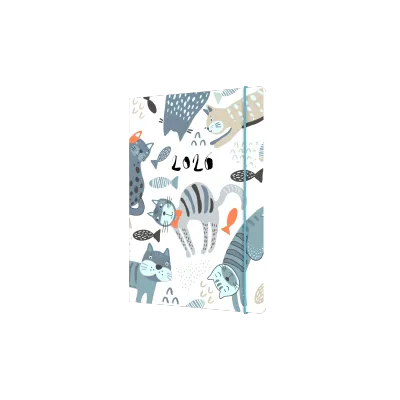
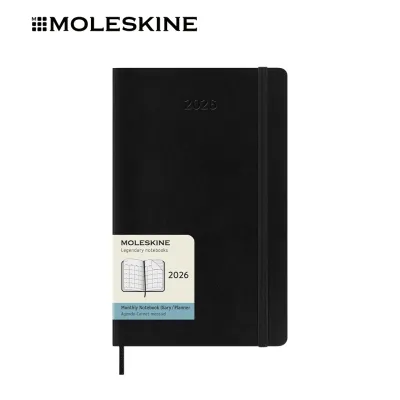
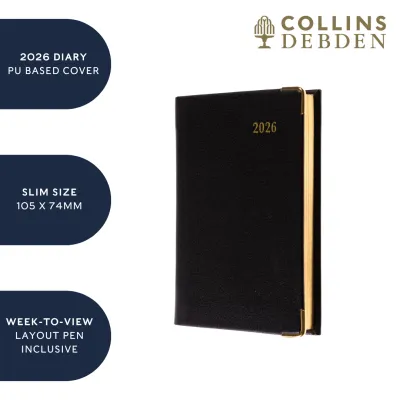
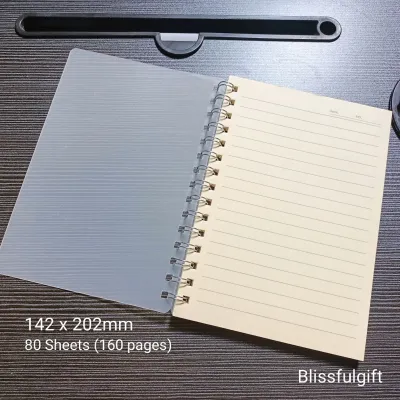
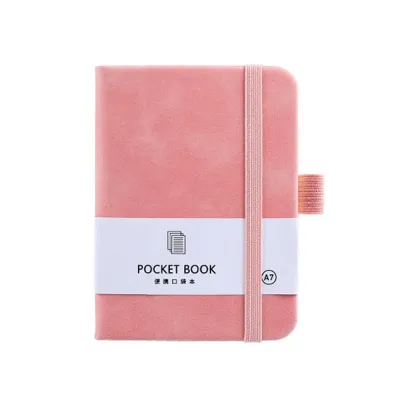
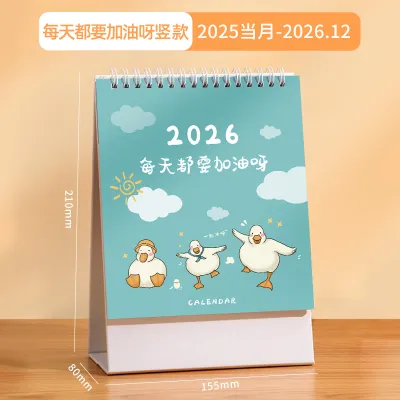
Prices are valid at publication and may change. Please refer to the product page for the latest price.
Binding types directly affect both the durability and usability of your planner. Stitched bindings allow the book to lie completely flat on your desk, which is essential for comfortable writing across the center seam. Spiral bindings offer 360-degree page folding but can wear down at the edges over time, while disc-bound systems allow you to add, remove, and rearrange pages as your schedule changes.
Your chosen layout should match your natural planning style. Daily layouts provide maximum space for detailed scheduling and journaling, whereas weekly layouts offer a broader view of your tasks and appointments at a single glance. Monthly layouts work best for high-level tracking, and blank or dotted pages give you complete freedom to design your own custom system.
Selecting Planners for Students and Academic Planning
Academic schedules in Singapore often follow specific term structures, making undated planners or academic-year layouts highly practical. Undated options allow you to pause tracking during school holidays without wasting pages, while academic layouts align directly with your semester timelines. This flexibility ensures you only use the pages you need during active study periods.

Look for student-focused designs that include dedicated sections for assignment deadlines, exam countdowns, and grade tracking. Having these specialized pages integrated into your main calendar prevents you from losing track of critical academic milestones. It also helps you visualize your study workload alongside your personal commitments.
Durability is a key factor for students who constantly move between lecture theatres, study rooms, and libraries. A sturdy plastic or thick cardstock cover, combined with reinforced double-spiral or tight stitched binding, ensures the planner survives being repeatedly stuffed into a packed backpack. Protecting the edges of your planner prevents the pages from dog-earing over a long semester.
Budget-friendly options are widely available, often sold in multi-packs or simple paper-cover designs. When shopping on a budget, prioritize paper thickness over elaborate cover designs to ensure your highlighters do not bleed through to the next page. Investing in a functional, plain planner often provides better paper quality than a highly decorated option at the same price point.
Choosing Planners for Working Professionals
For working professionals, a planner serves as a central hub for meeting notes, project timelines, and daily task lists. Layouts featuring hourly schedules allow for precise time-blocking, helping you manage back-to-back appointments and focus sessions throughout the workday. This structured approach makes it easier to allocate dedicated time for deep-focus tasks.
A minimalist aesthetic is often preferred in corporate environments. Slim profiles and understated hardcover designs in neutral tones fit seamlessly into boardroom meetings and slide easily into professional briefcases or laptop sleeves. A clean, professional exterior ensures your planning tools look appropriate in any business setting.
Many modern professional planners incorporate hybrid features designed to bridge the gap between physical and digital workflows. Look for layouts that include quick-response codes or layout grids that align with mobile scanning applications, allowing you to digitize your handwritten notes instantly. This hybrid approach ensures your physical notes are always backed up and searchable on your digital devices.
Premium executive brands focus heavily on paper smoothness and binding longevity. These planners often feature high-quality thread-bound spines that lay flat on your desk, allowing you to write comfortably during long strategy sessions. The smooth paper texture reduces hand fatigue during extended periods of note-taking.
Selecting Planners for Journal Enthusiasts and Creatives
Journalers and creative planners require a canvas that supports artistic expression alongside daily organization. Dotted and grid layouts are highly popular in this community, providing just enough structure for straight lines and custom layouts without restricting sketches or hand-lettering. This open format allows you to adapt the pages to your changing creative moods.
If you plan to use watercolors, heavy ink washes, or brush pens, look for planners featuring high-GSM paper, typically 120 to 160 GSM. This thickness prevents ghosting—where writing is visible on the reverse side—and ensures the paper does not warp when wet media is applied. Checking the manufacturer’s specifications for media compatibility can save your artwork from bleeding through.
Customizable ecosystems, such as traveler’s notebooks and refillable leather covers, allow you to swap out individual paper inserts as they fill up. This modular approach means you can keep your favorite cover for years while changing the internal layouts to suit your evolving creative style. It also allows you to carry different paper types for sketching and writing in a single cover.
These creative systems often support a wide range of accessories, including washi tapes, stickers, and specialized stencils. Choosing a brand with an active community of users can provide endless inspiration for layout designs and scrapbooking techniques. Engaging with these communities can help you discover new ways to utilize your creative space.
Adapting Your Planner for Multiple Roles and Scenarios
Balancing academic, professional, and personal responsibilities within a single book requires a flexible planning strategy. Modular systems, such as disc-bound or ring-bound planners, allow you to insert custom dividers and mix daily schedules with project trackers and personal habit logs. This separation keeps your different life areas organized without requiring you to carry multiple books.
When transitioning from a student role to a professional career, your planning needs will shift from assignment deadlines to project milestones. You can ease this transition by migrating your tasks gradually, using color-coded systems to separate personal commitments from professional deliverables. This visual distinction helps you maintain a healthy work-life balance during major life transitions.
To maximize efficiency, pair your physical planner with a digital calendar application. Use the digital system for real-time notifications, shared meeting invites, and recurring reminders, while reserving your physical planner for deep-focus planning, daily reflection, and task prioritization. This combination leverages the strengths of both mediums to keep your schedule running smoothly.
Frequently Asked Questions (FAQ)
Where is the best place to buy planners in Singapore?
Physical stationery stores, major bookstores, and brand flagship stores in Singapore offer the best opportunity to test paper texture and binding flexibility in person. Visiting these brick-and-mortar locations allows you to feel the paper weight and check if your favorite pens will glide smoothly across the pages. For a wider selection, official brand websites and verified sellers on local online marketplaces provide convenient delivery options, though you should check local stockists first to avoid high international shipping fees.
How do I prevent my planner pages from tearing or damaging?
To maintain the structural integrity of your planner, avoid folding the pages back completely on stitched bindings, as this can weaken the glue and cause pages to detach. Use dedicated ribbon markers, magnetic bookmarks, or clip-on tabs instead of folding down page corners to mark your place. Given Singapore’s humid climate and sudden rain showers, storing your planner in a water-resistant sleeve or a dedicated compartment in your bag will protect the paper from moisture damage and edge curling.
Community discussion
Share your experience or ask a question. Comments are reviewed before publication.