
Trousers that are too long can quickly ruin an outfit, dragging on the ground, fraying at the heels, and collecting dirt. While a professional tailor is the traditional solution, a modern pants length adjuster offers a fast, cost-effective, and highly customizable alternative. Whether you need a temporary fix for a rented suit, a flexible solution for stretchy activewear, or a heavy-duty bond for rugged denim, selecting the right adjuster is crucial. Choosing the wrong tool can lead to stiff, unsightly ridges, ruined fabrics, or embarrassing mid-walk unraveling.
Finding the ideal solution requires matching the adjuster’s mechanical properties to your garment’s specific fabric, weight, and usage pattern. By understanding the key differences between adhesive tapes, heat-activated webs, and physical clips, you can achieve a clean, professional-looking hem right at home.
How to Match Pants Length Adjusters to Your Trousers
To select the most effective pants length adjuster, you must evaluate four primary decision dimensions: fabric weight, fabric texture, washability requirements, and whether the adjustment needs to be temporary or permanent. Heavy materials like denim require high-shear strength adhesives, while lightweight silks demand non-invasive physical clamps or ultra-mild glues. Additionally, garments subjected to frequent machine washing need water-resistant chemical bonds, whereas dry-clean-only pieces can utilize delicate heat-activated webs.
Products mentioned in this guide

Prices are valid at publication and may change. Please refer to the product page for the latest price.
Matching the width of the adjuster to the depth of your trouser hem is critical for a clean silhouette. Using a tape that is too narrow (such as a 10mm tape on a wide 40mm hem) leaves too much unbonded fabric, causing the hem to sag, catch on shoes, and collect dust. Conversely, applying a tape that is too wide (such as a 30mm tape on a narrow 15mm hem) results in excess adhesive spilling over the fold, creating a sticky residue that attracts lint and ruins the exterior fabric.
Before selecting any iron-on or heat-activated product, you must inspect your garment’s care label for heat tolerance. Look for the international textile care symbols, specifically the iron icon. An iron symbol with a single dot indicates a low-temperature limit (around 110°C), which is common for synthetics like nylon and acrylic. Two dots permit medium heat (around 150°C) for wool and polyester, while three dots allow high heat (around 200°C) for cotton and linen. Attempting to apply a high-temperature fusible tape to a low-heat synthetic garment will melt or glaze the fibers, causing permanent damage.
Do not rely solely on generic material names when assessing compatibility. A garment labeled as “cotton” may contain significant percentages of elastane or polyester, which alters how the fabric reacts to heat and adhesives. Always verify the adjuster’s packaging for explicit compatibility with specific fabric blends, textured weaves, or water-resistant coatings before application.
Recommended Adjuster Types by Trouser Category
Different trouser constructions demand distinct mechanical or chemical bonds to maintain their intended drape and silhouette. Matching the adjuster category to the specific garment style ensures a long-lasting, visually seamless result.

Formal Trousers and Suit Pants (Iron-On Hem Tape)
For formal wear, suit pants, and dress trousers, maintaining a completely flat, seamless, and invisible finish is paramount. Iron-on hem tape, often referred to as fusible web, is the ideal choice for these garments. This heat-activated adhesive strip melts between the folded layers of fabric, creating a secure bond without any visible stitch lines on the outside of the trouser leg, preserving the clean, tailored drape of the suit.
However, fusible webs have distinct limitations. They require a flat household iron or garment press to activate, making them unsuitable for quick adjustments on the go. Furthermore, they do not adhere well to heavily textured fabrics like coarse tweed, nor do they bond reliably to extremely slick, thin synthetic linings often found inside high-end suit jackets and trousers.
Before purchasing, compare the melting temperature of the iron-on tape with the temperature limits on your suit’s care label. Delicate wool blends and cashmere-mix trousers can easily scorch or develop permanent shiny glaze marks if subjected to the high heat required by heavy-duty fusible webs. Opt for low-temperature fusible webs specifically labeled for delicate or lightweight fabrics when working with formal wear.
Denim and Heavyweight Workwear (Heavy-Duty Fabric Adhesive Tape)
Standard hem tapes almost always fail when applied to denim, canvas, or thick work trousers. The sheer weight, stiffness, and thickness of these fabrics—especially around bulky flat-felled seams—exert constant peeling force on the hem. To counter this, you must use high-bond, heavy-duty double-sided fabric adhesive tapes or specialized denim-bonding tapes engineered with high-shear strength.
When choosing a heavy-duty tape, select wider options, typically 20mm to 25mm or more. This wider profile maximizes the surface bonding area, ensuring the heavy folded denim fabric remains securely anchored even under the physical stress of walking, bending, and climbing.
While highly durable, these heavy-duty adhesives can leave a thick, stiff residue within the hem. Precise application is necessary to prevent the adhesive from seeping through or creating an unnaturally rigid fold. A stiff fold can ruin the natural break of the jeans over your shoes, making the hem look blocky and awkward.
Activewear and Stretchy Leggings (Flexible or Stretch Hem Tape)
Standard iron-on tapes are completely rigid once cured. If you apply them to stretchy activewear, yoga pants, or athletic leggings made of spandex, elastane, or nylon blends, the adhesive bond will crack, peel, and delaminate the moment you pull the garment over your feet. The rigid tape will also restrict the fabric’s natural elasticity, causing uncomfortable pulling and puckering.
For these performance garments, you must use flexible or stretch-specific hem tapes. These specialized adjusters are engineered with elastomeric adhesives, often polyurethane-based, that stretch and recover in tandem with the synthetic fibers of your activewear.
When shopping, verify the product’s packaging for explicit “stretch,” “elastic,” or “four-way stretch” compatibility ratings. After applying the tape and allowing it to cool completely, perform an elasticity check by gently stretching the hem area. The bond should expand smoothly without any snapping noises, lifting edges, or fabric warping.
Delicate Fabrics like Silk and Chiffon (Magnetic Hem Pins or No-Heat Adhesive)
Fragile materials such as silk, chiffon, satin, and fine synthetics are highly vulnerable to physical and chemical damage. High heat from an iron can easily melt synthetic fibers or scorch delicate silk yarns. Additionally, strong chemical adhesives can bleed through these sheer fabrics, leaving dark, greasy-looking stains or permanently stiffening the material, destroying its soft, fluid drape.
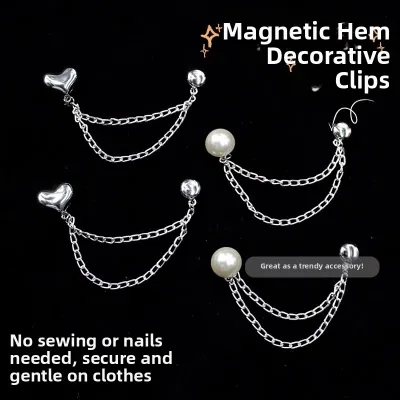
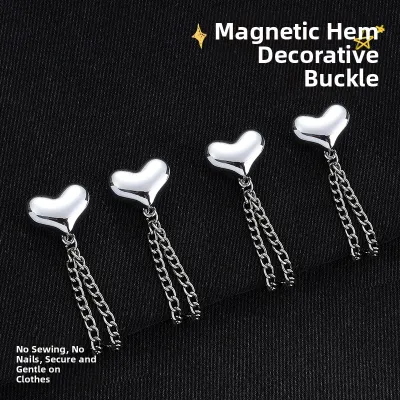
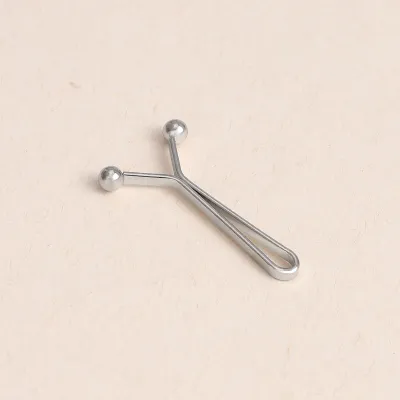
To protect these garments, opt for non-destructive, low-heat alternatives. Magnetic hem pins, which use strong miniature magnets to clamp the folded fabric together without piercing or gluing, are excellent for temporary adjustments. For a more permanent but gentle hold, use specialized no-heat fabric glue pens formulated specifically for delicate and sheer textiles.
Because delicate fabrics are highly sensitive, always perform a hidden spot test. Apply a tiny amount of the no-heat adhesive to an inside seam allowance or an inconspicuous area of the hem. Allow it to dry completely to verify that the formula does not bleed through to the right side, leave a dark stain, or alter the natural softness of the fabric.
Kids' Growing Pants and Travel Fixes (Adjustable Hem Clips or Buttons)
When altering children’s trousers or dealing with an emergency wardrobe malfunction while traveling, permanent alterations are rarely desirable. Children grow rapidly, requiring hems to be let down frequently. For these situations, reusable, physical adjusters like adjustable hem clips, snap buttons, or specialized safety pins are the most practical choice.
These physical adjusters offer several distinct advantages. They require no cutting, no ironing, and no curing time, making them fully reversible. If a child undergoes a sudden growth spurt, or if you need to wear the same pair of trousers with both high heels and flat shoes during a trip, you can adjust the hem length in seconds.
However, these mechanical adjusters do have clear limitations. Physical clips and snap buttons add slight physical bulk to the hemline. This extra bulk can snag on socks, shoes, or low-lying furniture, and can look conspicuous on wide-leg trousers or lightweight fabrics where a completely seamless drape is desired.
Temporary vs. Permanent Fixes: Making the Right Choice
Deciding between a temporary and a semi-permanent pants length adjuster depends on your lifestyle, how often you wear the garment, and your long-term plans for the trousers. Physical adjusters and chemical/thermal adjusters serve entirely different functional needs.
To help guide your decision, consider this comparative framework:
- Physical Adjusters (Clips, Pins, Buttons): Best for temporary, highly reversible needs. They offer zero chemical residue, instant application, and infinite adjustability, though they add visible bulk and have low resistance to vigorous washing.
- Chemical/Thermal Adjusters (Tapes, Glues): Best for semi-permanent, high-durability needs. They provide a completely flat, invisible finish and high wash resistance, but require heat or curing time and are difficult to reverse without fabric risk.
Temporary physical adjusters are highly recommended for travel emergencies, rented formal wear (where permanent alterations would incur replacement fees), and children’s school uniforms. They allow you to adapt the garment to different shoe heights or growth phases without altering the physical structure of the textile.
Semi-permanent chemical or thermal adjusters are best suited for your daily wardrobe, favorite denim jeans, or workwear that undergoes frequent machine washing. These solutions are engineered to withstand the friction of daily wear and the agitation of laundry cycles.
It is important to clarify that “permanent” in the context of haberdashery and pants adjusters generally means “durable through repeated washing” rather than strictly irreversible. However, removing fused iron-on tape or high-strength fabric glue almost always leaves behind a hardened adhesive residue that can disfigure the fabric fibers. Therefore, you should treat thermal and strong chemical solutions as final, long-term styling decisions.
Application Tips and Safety Checks Before You Wear
Achieving a professional, long-lasting hem with a pants length adjuster depends heavily on proper preparation and application technique. Following a systematic process prevents premature peeling and protects your clothing from accidental damage.
First, prepare the fabric surface thoroughly. The hem area must be clean, flat, and completely free from lint, dust, or fabric softener residue. Fabric softeners leave a microscopic silicone coating on textile fibers that drastically reduces the bonding power of both heat-activated and pressure-sensitive adhesives, leading to early failure.
Local climate conditions play a major role in adhesive performance, especially in Singapore’s high-humidity environment. Relative humidity levels often hover around 80%, meaning fabrics naturally absorb and retain ambient moisture from the air. Before applying any adhesive tape or heat-activated web, run a dry iron over the hem area for a few seconds to expel this trapped moisture. If moisture is trapped inside the fibers, it will turn to steam under a hot iron, creating air pockets that weaken the adhesive bond, or it will prevent liquid glues from curing properly, causing the hem to peel within days.
Always perform a safety and compatibility check before full application. If you are using a liquid fabric glue or a high-strength adhesive tape, conduct a hidden spot test on an inside seam. This ensures the chemical formula does not bleed through the fabric or cause skin irritation, which is particularly important since the hem area will have prolonged, direct contact with your ankles and lower legs. If you need to trim excess fabric during the alteration, always work on a flat, protected cutting mat using sharp fabric shears or a rotary cutter to prevent accidental cuts to your fingers or the garment.
Once the adjuster is applied, follow a strict first-wash protocol. Allow the adhesive to cure undisturbed for at least 24 to 28 hours (or up to 48 hours if specified by the manufacturer) before exposing the garment to water. For the first wash, turn the trousers inside out and use a cold, gentle cycle with a mild detergent. This minimizes mechanical agitation and thermal stress, allowing you to safely observe the integrity of the bond.
Finally, always defer to the garment’s care label. If the trousers are labeled “Do Not Iron” or “Dry Clean Only,” and your chosen pants length adjuster requires a hot iron for application, you must stop immediately. Do not risk ruining the garment. Instead, switch to a non-heat alternative, such as a specialized no-heat fabric glue, magnetic hem pins, or temporary hem clips.
Frequently Asked Questions (FAQ)
Can I use regular double-sided tape instead of a dedicated hem tape?
No, you should never use regular stationery double-sided tape to adjust your trousers. Stationery tape is engineered for paper and cardboard; it lacks the flexible chemical formulation required to bond with porous textile fibers. Under the constant friction of walking and stretching, stationery tape will quickly fail, leading to an embarrassing wardrobe malfunction. Furthermore, office tapes use synthetic adhesives that can degrade into a gummy, yellow residue over time. This residue is incredibly difficult to wash out and can permanently stain and ruin your clothing. Always use dedicated, washable hem tapes or temporary fashion tapes designed specifically for fabric-to-fabric or fabric-to-skin contact.
Will iron-on hem tape ruin my trousers if I want to remove it later?
It can if you attempt to peel it off while cold, as this will likely tear the fabric fibers or leave behind hardened, unsightly patches of adhesive. While iron-on hem tape is technically removable, the process must be done carefully using heat and moisture. To safely reverse the bond, apply steam from a garment steamer or a damp pressing cloth with a hot iron directly over the hem area to reheat and soften the adhesive. Gently peel the fabric layers apart while the adhesive is still warm. Any remaining sticky residue should be treated with a specialized, fabric-safe adhesive remover, which you must spot-test on an inconspicuous area first to ensure it does not strip the fabric’s dye.
Community discussion
Share your experience or ask a question. Comments are reviewed before publication.