
Finding the perfect temporary hem requires understanding how different fabrics behave under tension. The right pants clip to shorten your trousers depends entirely on fabric weight, thickness, and weave. Heavy-duty metal clips with strong spring tension are ideal for thick denim, while medium-grip, smooth-edged plastic or metal clips suit chinos and cotton twill. For delicate dress trousers made of fine wool or silk blends, gentle, low-profile silicone-coated clips are necessary to prevent fabric damage and remain invisible.
In a bustling, humid environment like Singapore, wardrobe versatility is essential. You might find yourself transitioning from a casual weekend walk along the Marina Bay waterfront in heavy denim jeans to a formal business meeting in the Central Business District wearing lightweight tropical wool trousers. Because footwear choices dictate different hem lengths—ranging from flat sneakers to formal oxfords or high heels—using a temporary pants clip to shorten your trousers offers a practical, reversible solution without the permanent commitment of a tailor’s shears.
How to Match a Pants Clip to Shorten With Fabric Weight and Texture
To select the ideal pants clip to shorten your garments, you must first evaluate the physical properties of the fabric you intend to alter. Fabric weight is typically categorized as lightweight (under 150 gsm, such as fine dress wool or linen), medium-weight (150 to 270 gsm, like cotton twill and chinos), and heavyweight (above 270 gsm, such as raw denim). Each category exerts a different level of resistance when folded, meaning a clip that works perfectly on a pair of lightweight trousers will fail on heavy jeans, and vice-versa.
Products mentioned in this guide
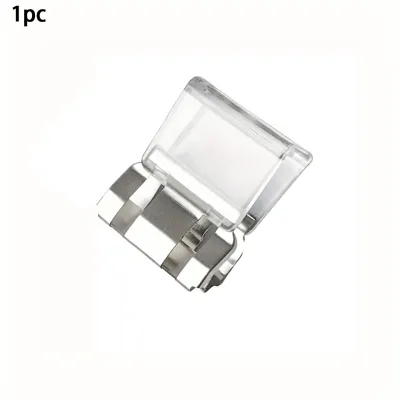
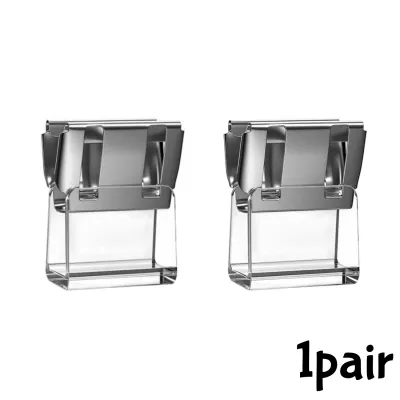
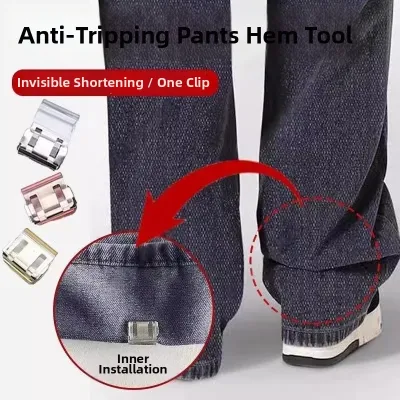
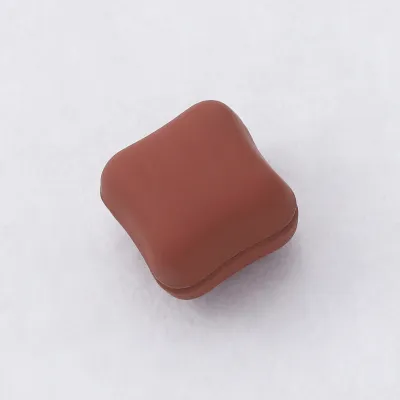
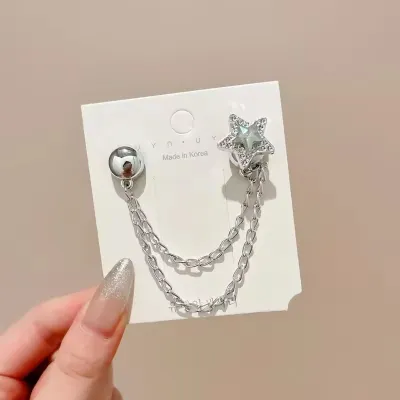
Prices are valid at publication and may change. Please refer to the product page for the latest price.
Grip strength is the primary mechanical factor to consider. Heavyweight fabrics possess high structural memory, meaning they naturally want to spring back to their original, unbent shape. To overcome this resistance, a clip must exert substantial clamping force. Conversely, lightweight fabrics have low structural memory and drape easily, meaning they require very little force to stay folded. Applying a high-tension clip to a delicate fabric will crush the delicate fibers, potentially leaving permanent indentations or tearing the weave.
Clip width and surface area play a critical role in how the hem drapes and stays secure. Wide jaws, typically measuring between 20mm and 30mm, distribute the clamping pressure across a broader surface area. This wide distribution is necessary for thick, bulky folds because it prevents the clip from twisting or slipping off when the fabric moves. On the other hand, narrow profiles, measuring between 5mm and 10mm, are essential for formal wear. These slim clips minimize bulk, allowing the hem to fall naturally without creating conspicuous protrusions that ruin the clean silhouette of dress trousers.
The material and coating of the clip directly affect garment safety and longevity. Bare metal clips, while durable, present a significant risk of snagging delicate threads. Furthermore, in humid climates, untreated metal clips can oxidize rapidly, leaving permanent, unsightly orange rust stains on light-colored fabrics. To prevent this, look for clips made of high-grade stainless steel, anodized aluminum, or those featuring a protective silicone or smooth plastic coating. These coatings provide a gentle, high-friction barrier that grips the fabric securely without scratching or staining the fibers.
Before making a purchase, always measure the thickness of your folded hem. Fold the pants to your desired length, press the fold firmly with your fingers, and use a ruler to measure the total thickness of the layers. Your chosen clip must have a maximum jaw capacity that is at least 2 to 3 millimeters wider than this measurement. Forcing a clip onto a fold that exceeds its maximum capacity will strain the spring mechanism, leading to premature failure, bent metal, or a clip that pops off unexpectedly during wear.
Heavy-Duty Clips for Jeans and Thick Denim
Denim is a rugged, tightly woven cotton twill fabric that is notoriously difficult to secure temporarily due to its thickness and rigidity. Standard jeans typically range from 12 to 14 ounces in weight, and when folded up for a temporary hem, you are dealing with multiple layers of dense fabric, especially at the flat-felled side seams. To hold this bulk in place during active movement, you require a specialized heavy-duty fastening solution.

- Recommended Type: Wide, heavy-duty metal hemming clips or strong-grip binder-style fabric clips.
- Why They Work: High spring tension and wide surface area distribute pressure across thick denim layers, preventing slippage when walking or sitting.
- Limitations: The strong grip can leave deep temporary creases; the bulkier profile may be visible if the cuff is narrow.
- Pre-Purchase Checks: Verify the maximum jaw opening width to ensure it can accommodate multiple layers of heavy denim without bending the metal.
- Usage Tip: Position the clips near the inner and outer leg seams where the fabric is already reinforced, reducing the risk of the clip slipping off the thick hem fold.
These clips work exceptionally well because their high spring tension directly counteracts the natural stiffness of denim. When you walk, sit, or climb stairs, the fabric at your ankles undergoes constant dynamic pulling and stretching. A weak clip will slide off almost immediately under this tension. Heavy-duty clips distribute their intense pressure across a wide surface area, locking the folded layers together so they behave as a single, solid cuff that moves in tandem with your stride.
However, these robust clips come with clear limitations. The intense clamping force required to hold denim will inevitably leave deep, temporary creases in the fabric. If you decide to un-clip the pants to wear them at their original length later, you will need to iron or steam out these heavy indentations. Additionally, because these clips are physically larger and bulkier, they can create a noticeable bulge at the hem, particularly on slim-fit or tapered jeans where the leg opening is close to your ankle.
To ensure a successful purchase, always perform a pre-purchase check on the clip’s maximum jaw opening. Standard sewing clips may only open to 10mm, which is often insufficient for a double-folded denim hem, especially where the inner and outer leg seams meet. Look for heavy-duty options that specify a jaw opening of at least 15mm to 20mm. This ensures the clip can comfortably swallow the thickest parts of the hem without warping the spring or bending the metal arms.
For the best results during wear, position the clips strategically near the inner and outer leg seams. The fabric at these points is already reinforced with extra stitching and multiple layers, making it highly stable and less prone to warping under the clip’s pressure. Placing the clips directly over or adjacent to these seams minimizes the risk of the clip slipping off when the denim flexes, while also keeping the bulk of the clip aligned with the natural structure of the pants.
Medium-Grip Clips for Chinos and Cotton Twill
Chinos and cotton twill trousers represent the middle ground of wardrobe weight and structure. Typically woven from medium-weight cotton or cotton-spandex blends, these pants offer more flexibility than denim but possess more body and structure than delicate dress trousers. Because they are frequently worn in smart-casual settings, the temporary shortening solution must be secure enough to withstand a full day of movement while remaining relatively discreet.
- Recommended Type: Standard metal hemming clips with smooth, rolled edges or medium-tension coated plastic clips.
- Why They Work: Offers adequate grip for cotton twill and chino fabrics without requiring excessive force that could damage the weave or leave harsh indentations.
- Limitations: May slip if the hem is folded too thickly or if the fabric has a very smooth, worn-in finish.
- Pre-Purchase Checks: Look for clips with slightly textured inner jaws to grip the cotton fibers securely without tearing them.
- Usage Tip: Test the grip on an inside seam before wearing the pants out to ensure the clips hold up against the natural stretch and movement of chino fabric.
These medium-grip clips work effectively because they strike an ideal balance between tension and fabric protection. Cotton twill has a visible diagonal weave that provides natural texture, giving the clip’s jaws something to hold onto. Because the fabric is moderately pliable, a medium-tension clip can easily press the folded layers flat without creating an unsightly, rigid bulge. This allows the hem to retain its natural drape, ensuring your chinos look professionally tailored rather than temporarily clipped.
The primary limitation of medium-grip clips is their susceptibility to slipping on highly finished or heavily worn fabrics. If your chinos have been washed many times and have developed a soft, brushed, or slightly slippery texture, a medium-tension clip may struggle to maintain its hold, especially during vigorous walking. Furthermore, if you attempt to create a very thick, multi-layered cuff, the medium spring tension may not be strong enough to prevent the inner folds from slowly sliding downward.
When shopping for these clips, make it a priority to check the inner surface of the jaws. The ideal medium-grip clip should feature slightly textured or ribbed inner jaws, often made of a soft elastomer or featuring molded plastic ridges. This texture increases friction against the cotton fibers, allowing the clip to hold securely without requiring a high-tension spring that could damage the fabric. Avoid clips with completely smooth, polished bare metal interiors, as they are highly prone to sliding off smooth cotton twill.
Before wearing your clipped chinos out for the day, always perform a quick movement test. Clip the hem to your desired length, then walk around your living room, sit down, and cross your legs. This simple check allows you to observe how the clips interact with the natural stretch of the fabric. If you notice the clips shifting or sliding, adjust their placement or consider folding a slightly thinner hem to reduce the load on the spring mechanism.
Gentle, Low-Profile Clips for Dress Trousers and Fine Fabrics
Dress trousers crafted from fine wool, silk, linen, or high-end synthetic blends require the utmost care when it comes to temporary alterations. These fabrics are highly prized for their elegant drape, smooth hand-feel, and lightweight breathability—qualities that are essential for staying comfortable in professional settings. However, these delicate fibers are incredibly vulnerable to physical damage, crushing, and snagging, meaning standard utility clips are entirely unsuitable.
- Recommended Type: Narrow, silicone-coated fabric clips or specialized low-tension hemming clips designed for delicate garments.
- Why They Work: The silicone coating prevents slipping on smooth wool, polyester blends, or fine cotton without crushing the fibers; the narrow width hides easily inside a dress trouser cuff.
- Limitations: Not strong enough for heavy fabrics; may pop open if the hem catches on shoes or stairs due to the lower tension.
- Pre-Purchase Checks: Ensure the silicone or protective coating is fully intact and seamless to avoid transferring marks or staining fine fabrics.
- Usage Tip: Use more clips spaced closely together rather than relying on a few high-tension clips, which distributes the holding force and minimizes localized stress on delicate fibers.
These specialized clips work by relying on high-friction silicone rather than brute clamping force. The silicone coating grips the smooth, slippery surface of fine wool or polyester blends securely, preventing the fabric from sliding out of the clip’s grasp. Because the clips are exceptionally narrow and lightweight, they can be tucked completely inside the trouser cuff, remaining entirely invisible to onlookers. This preserves the clean, uninterrupted line of your suit trousers, which is vital for maintaining a polished, professional appearance.
The obvious trade-off for this gentle grip is a significant reduction in holding power. These low-profile clips are not strong enough to support heavy fabrics like denim or thick cotton twill; attempting to use them on such materials will cause the clips to pop open or slide off immediately. Additionally, because the tension is low, the hem is more vulnerable to coming undone if it catches on your shoes, rubs against the heel of your boots, or brushes against steps while climbing stairs.
Before purchasing low-profile clips, carefully inspect the quality of the protective coating. The silicone or rubber lining must be completely seamless, smooth, and securely bonded to the underlying metal or plastic structure. Any peeling, rough edges, or exposed metal on the inner jaws can easily snag fine wool or silk threads, leading to costly, irreversible damage to your expensive dress trousers. Additionally, ensure the coating is non-reactive and colorfast to prevent any chemical transfer onto light-colored fabrics.
To maximize the security of your temporary hem without increasing fabric stress, use a larger number of low-profile clips spaced closely together. Instead of relying on two high-tension clips on the sides, place four or five gentle clips evenly around the circumference of each leg opening. This distributes the weight of the folded hem across multiple points, reducing the localized stress on any single section of fabric and ensuring the hem stays securely in place throughout a long workday.
Quick Comparison: Clip Types vs. Pant Fabrics
Selecting the right tool for your wardrobe is much easier when you can compare your options side by side. The table below outlines how the three primary categories of pants clips match up against common garment fabrics, highlighting their key strengths and inherent limitations to guide your next purchase.
| Fabric Type | Recommended Clip Type | Key Feature | Main Limitation |
|---|---|---|---|
| Jeans / Thick Denim | Heavy-Duty Wide Metal Clips | High tension, wide jaw for thick folds | Bulky profile, may leave deep temporary creases |
| Chinos / Cotton Twill | Standard Smooth-Edge Clips | Balanced grip, medium profile for daily wear | May slip on very thick or worn, smooth folds |
| Dress Trousers / Fine Wool | Narrow Silicone-Coated Clips | Gentle grip, low profile, remains invisible | Low holding power, requires careful, close placement |
By keeping a variety of these clips in your sewing kit or dressing drawer, you can quickly adapt any pair of pants in your wardrobe to match your footwear of choice. Whether you are dealing with rigid raw denim or fluid tropical wool, matching the clip’s mechanical properties to the fabric’s weight ensures a secure hold that preserves the integrity of your clothing.
Application Tips and Fabric Safety Checks
Achieving a flawless, professional-looking temporary hem requires proper technique and a few essential safety precautions. Before applying any pants clip to shorten your garments, take the time to prepare the fabric. Fold the hem inward or outward to your desired length, ensuring the fold is perfectly even all the way around the leg. Use a hand iron or a garment steamer to press the new fold flat; this creates a sharp, clean crease that helps the fabric hold its shape naturally, drastically reducing the physical load on the clips.
Before clipping an entire garment, always perform a hidden spot test. Attach a clip to an inconspicuous area of the fabric, such as an inner seam allowance or the inside of the waistband, and leave it in place for several hours. This test allows you to verify if the clip’s tension is too high for the material, whether it leaves permanent indentations, or if the clip material reacts with the fabric. It is a simple, zero-risk step that can save an expensive pair of trousers from accidental damage.
Garment care is another critical area where mistakes can lead to disaster. You must explicitly remove all metal or hard plastic pants clips before placing your garments into a washing machine or tumble dryer. The violent agitation of a washing cycle can cause clips to catch on the drum, tear the fabric, or bend out of shape. Furthermore, wet environments will accelerate the oxidation of metal clips, leading to rust stains that are incredibly difficult to remove from cotton or wool.
Finally, proper storage of your clips is essential for maintaining their condition, especially in highly humid climates where relative humidity regularly exceeds 80 percent. Store your clips in a dry, airtight container, ideally with a small silica gel packet to absorb any ambient moisture. This simple storage habit prevents metal oxidation and keeps plastic components from becoming brittle, ensuring your clips remain clean, rust-free, and ready to protect your wardrobe for years to come.
Frequently Asked Questions (FAQ)
Can I wash my pants with the shortening clips still attached?
You should never machine wash or dry your pants with shortening clips attached. The intense mechanical agitation of a washing machine can cause metal or hard plastic clips to snag and tear the fabric, ruin the hem fold, or cause severe, costly damage to your washing machine’s drum. If you need to refresh your pants quickly, always remove the clips first. In an absolute emergency where a quick hand-rinse is required while traveling, you may wash the fabric gently by hand, but you must remove the clips immediately afterward and air-dry the garment flat to prevent rust spots from forming.
Do pants shortening clips leave permanent marks on dress trousers?
Prolonged use of high-tension clips can leave temporary crease marks or indentations on delicate fabrics like fine wool, silk, or polyester blends. Fortunately, these marks are rarely permanent and can easily be removed. A quick pass with a domestic garment steamer or a warm iron set to the appropriate fabric setting will relax the crushed fibers and restore the fabric’s original texture. To minimize this risk, always use low-tension, silicone-coated clips, avoid leaving clips attached to garments during long-term closet storage, and shift the clip placement slightly each time you wear the pants.
Community discussion
Share your experience or ask a question. Comments are reviewed before publication.