
Finding the perfect fit for your trousers does not always require a trip to a professional tailor. In Singapore, where off-the-rack trousers often come in standard lengths that do not suit everyone, having a reliable pant hemming tool (commonly sought after as a “改裤脚神器” or magic hemming tool) is a game-changer for your wardrobe. Whether you are dealing with lightweight linen trousers for the tropical heat or heavy denim jeans, the right tool allows you to make precise, durable adjustments at home.
How to Choose the Right Pant Hemming Tool for Your Skill Level
Selecting the right hemming tool requires balancing your personal comfort with needlework, the characteristics of your fabric, and the environment in which you wear your clothes. Matching your tools to these variables ensures a clean finish that lasts.
- Skill Level and Time Commitment: Assess how much time and effort you are willing to invest. No-sew options, such as fusible tapes and fabric glues, offer rapid, beginner-friendly results with zero sewing knowledge. Traditional hand-sewing requires patience but delivers highly controlled, classic finishes. Machine attachments require a sewing machine and some practice but offer the fastest route to professional-grade, permanent hems.
- Fabric Compatibility: Heavy fabrics like denim, canvas, or corduroy require robust tools, such as heavy-duty thread, thick hand-sewing needles, or specialized machine needles. Conversely, lightweight cottons, silks, and delicate synthetics can be damaged by heavy needles or excessive heat, making fine sewing needles or low-temperature fusible webs more appropriate.
- Durability and Washability: Decide if your hem needs to be a permanent fixture or a temporary adjustment. A temporary hem for a one-off formal event can rely on light adhesives, whereas everyday wear requires stitches or high-grade fusible webs that can withstand frequent cycles in the washing machine.
- Climate Considerations in Singapore: Singapore’s hot, humid climate means garments are washed frequently due to sweat. This high-moisture environment places immense stress on adhesive-based tools. When choosing fusible tapes or fabric glues, you must carefully verify the product labels to ensure they are rated for high washability, moisture tolerance, and heat resistance. Adhesives that soften in humid conditions or peel after a few washes will quickly fail, making mechanical stitches (hand or machine) the most reliable choice for long-term wear.
Best No-Sew Hemming Solutions for Quick and Easy Fixes
For those who prefer to avoid needles and thread entirely, modern adhesive technology provides excellent alternatives. These tools allow you to alter your pants quickly using heat or liquid bonding agents.
Products mentioned in this guide
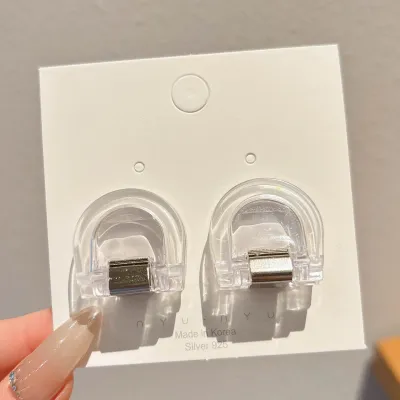
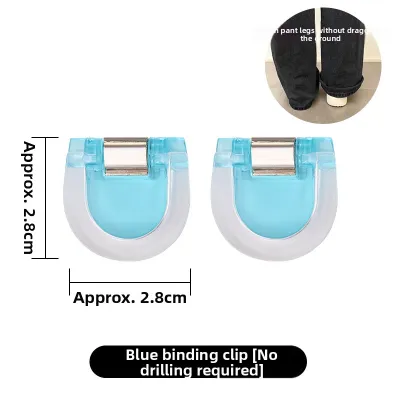
Prices are valid at publication and may change. Please refer to the product page for the latest price.

Fusible Hemming Tape (Iron-On Web)
Fusible hemming tape is a heat-activated adhesive web that melts between two layers of fabric to fuse them together. It is an incredibly popular pant hemming tool for those who want to avoid sewing entirely.
- Best Uses: This method is ideal for light to medium-weight woven fabrics, such as cotton chinos, linen trousers, and polyester blends.
- Application and Safety: Always check the fabric care label to ensure it can tolerate the heat of an iron. Use a damp pressing cloth between the iron and the fabric to distribute heat evenly and protect the outer fibers from scorching or developing a shiny residue.
- Limitations: Avoid using standard fusible tape on highly stretchy fabrics, as the cured adhesive is rigid and will crack when stretched. It is also unsuitable for extremely heat-sensitive synthetic materials like nylon or acetate, which can melt under the iron.
Fabric Glue and Hemming Adhesives
Liquid fabric glues and specialized adhesive tapes offer a cold-application alternative for fabrics that cannot withstand high iron heat.
- Best Uses: Excellent for delicate synthetics, temporary adjustments, or quick emergency repairs when an iron is unavailable.
- Application and Safety: Apply the adhesive sparingly to prevent it from bleeding through to the visible side of the garment. Always check the manufacturer's instructions for exact drying and curing times, flexibility ratings, and machine-washability. Some glues require up to 24 hours to fully cure before the garment can be worn or washed, and some are strictly dry-clean only or temporary.
Best Hand-Sewing and Measuring Tools for Precise Alterations
If you prefer traditional, highly durable hemming methods, manual tools offer unmatched precision. These tools help you achieve professional-level accuracy and clean stitches at home.
Hemming Gauges and Seam Rulers
Accurate measurement is the foundation of any successful hem. A hemming gauge is a small metal or plastic ruler featuring a sliding pointer that allows you to set a specific measurement and replicate it consistently along the entire circumference of the pant leg.
- Key Features: Look for gauges with clear, contrasting metric and imperial markings. The sliding marker must fit snugly enough that it does not slip during use.
- Benefits: Using a gauge prevents uneven pant legs—a common mistake when relying on guesswork. It streamlines the folding and pinning process, ensuring a perfectly straight, professional-looking fold line before you sew a single stitch.
Hemming Clips and Hand-Sewing Needles
Holding the folded fabric securely is critical to maintaining alignment while you work.
- Clips vs. Pins: While traditional straight pins work well for lightweight cottons, they can bend or distort thick fabrics like denim or corduroy. Binding clips (often called sewing clips) provide a flat, strong grip that holds multiple layers of heavy fabric securely without piercing or leaving permanent holes in delicate materials.
- Needle and Thread Selection: For hand-sewing, select a needle size that matches your fabric's weight. Fine needles (sizes 9 to 11) prevent visible holes in delicate silks and synthetics, while sturdier needles (sizes 14 to 16) are necessary to pierce denim without bending. Match the thread weight to the fabric; standard polyester thread is highly versatile and durable, while heavy-duty topstitching thread is best for visible denim hems.
Best Sewing Machine Attachments for Professional Finishes
For those who own a standard sewing machine, specialized presser feet can drastically speed up the hemming process while delivering retail-quality results.
Blind Hem Foot
A blind hem foot is the ultimate accessory for creating nearly invisible hems on dress pants, chinos, and formal trousers.
- How It Works: This foot features a metal or plastic guide in the center that aligns with a specific fold in the fabric. When paired with your machine's blind hem stitch, the needle swings to catch only a single thread of the outer fabric, leaving almost no visible stitching on the right side of the garment.
- Usage Tips: Achieving a perfect blind hem requires practice. You must fold the fabric in a specific "S-fold" configuration and adjust your machine’s tension and stitch width carefully. If the stitch width is too wide, the needle will bite too deeply into the fabric, creating large, visible stitches on the outside.
Rolled Hem Foot
For lightweight summer trousers, linen pants, and wide-leg silk culottes, a rolled hem foot (or narrow hemmer foot) is an invaluable tool.
- How It Works: This foot has a spiral scroll guide that automatically feeds and rolls the raw edge of the fabric twice into a tiny, neat hem as you sew, enclosing the raw edge completely to prevent fraying.
- Limitations: The rolled hem foot is designed strictly for thin, lightweight fabrics. It cannot easily navigate thick side seams or bulky materials like denim. When approaching a side seam, you must carefully trim away excess seam allowance or guide the fabric manually to prevent the machine from jamming. Always check your sewing machine's shank type (low shank, high shank, or slant shank) to ensure compatibility before purchasing any presser foot.
Quick Comparison of DIY Pant Hemming Methods
To help you quickly match your project with the right tool category, refer to the summary table below. Always verify specific product labels for exact performance metrics.
| Method | Skill Level Required | Durability & Washability | Best Fabric Types | Estimated Time |
|---|---|---|---|---|
| Fusible Tape | Beginner | Moderate (may degrade over time in humid climates) | Light to medium-weight woven fabrics | 10–15 minutes |
| Fabric Glue | Beginner | Variable (depends on adhesive formulation) | Delicate synthetics, temporary fixes | 15 minutes (plus drying time) |
| Hand-Sewing | Intermediate | High (highly durable and easily repaired) | All fabric types, especially delicate knits | 30–45 minutes |
| Machine Hemming | Advanced | High (very durable, professional finish) | Medium to heavy-weight fabrics | 10–20 minutes (once set up) |
Essential Pre-Hemming Checks and Fabric Safety Boundaries
Before you begin cutting or applying adhesives, taking precautionary steps will protect your garments from irreversible damage.
- Pre-Washing and Shrinkage: Always wash and dry your pants according to their care labels before measuring or cutting. Many fabrics, particularly cotton, linen, and denim, shrink during their first few wash cycles. Hemming unwashed pants can result in trousers that are too short after the first wash.
- Inconspicuous Testing: Before applying any heat, adhesive, or glue to your garment, perform a test on an inconspicuous area, such as the inside of the pocket bag or a scrap of the fabric you plan to trim off. This allows you to verify that the iron's heat will not melt the synthetic fibers and that the fabric glue will not cause discoloration or bleed through.
- When to Consult a Professional Tailor: While DIY hemming is highly rewarding, certain scenarios demand professional expertise. If your pants feature a complex original hem on heavy denim (where you want to preserve the distressed edge), are made of extremely delicate or expensive fabrics like silk velvet or heavily beaded material, or if the care label explicitly forbids heat and adhesives and you lack sewing experience, it is best to consult a professional tailor. Additionally, if the required tools or adjustments exceed your current skill level, professional help will prevent costly mistakes.
Frequently Asked Questions (FAQ)
Can I use standard hemming tape on stretchy jeans?
Standard fusible hemming tape is generally not recommended for stretchy jeans. Because standard tape cures into a rigid adhesive bond, it cannot stretch along with the denim fibers. When the fabric stretches as you move, the adhesive bond is highly likely to crack, pop, or peel away. For stretch fabrics, look for specialized flexible, stretch-specific fusible tapes, or use a hand-sewn stretch stitch (such as a catch stitch) which naturally expands and contracts with the fabric.
How do I remove fusible hemming tape if I make a mistake?
To remove fusible hemming tape, you generally need to re-apply heat to soften the adhesive. Place a clean pressing cloth over the hem and press it with a warm iron for a few seconds. Gently pull the fabric layers apart while the adhesive is still warm. If any sticky residue remains, you can use a specialized fabric-safe adhesive remover or press a clean scrap of cotton fabric over the residue with an iron to transfer the melted adhesive onto the scrap. Always check the fabric care label first to ensure the removal method will not cause heat damage or discoloration.
What is the best stitch for hemming pants by hand?
The blind catch stitch (also known as a herringbone or slip stitch) is widely considered the best stitch for hand-hemming pants. This stitch forms a series of small, flexible crosses on the inside of the hem while only catching a tiny thread of the fabric on the outside. This makes the stitching virtually invisible from the exterior of the garment. Additionally, the cross-stitch structure provides excellent flexibility, allowing the hem to tolerate natural movement and tension without snapping.
Community discussion
Share your experience or ask a question. Comments are reviewed before publication.